Table of Contents >> Show >> Hide
- Valvuloplasty in Plain English
- Who Might Need a Valvuloplasty?
- How Doctors Decide If You’re a Good Candidate
- Getting Ready: What Happens Before the Procedure
- Step-by-Step: How a Valvuloplasty Procedure Works
- What It Feels Like (So It’s Less Mysterious)
- Benefits: What “Success” Means
- Risks and Possible Complications
- Recovery: What Happens After Valvuloplasty
- Valvuloplasty vs. Valve Replacement (and Other Options)
- Questions to Ask Your Cardiologist
- Real-World Experiences: The Parts People Don’t Always Mention (Extra )
- Conclusion
This article is for general education, not personal medical advice. If you think you need valve care, a cardiologist (especially a valve specialist) is the right MVP for your team.
Your heart has four valves that act like one-way doors. Most days they open, close, and never complain. But sometimes a valve gets stiff or narrowed (called stenosis), and blood has to squeeze through a tiny opening like it’s trying to enter a packed concert with one door open. That’s when a valvuloplasty procedureoften a balloon valvuloplastymay be on the menu.
Valvuloplasty is a minimally invasive, catheter-based way to stretch open a narrowed valve. No big chest incision, no “open-heart surgery” storylinemore like a highly choreographed pit stop inside a cardiac catheterization lab.
Valvuloplasty in Plain English
Valvuloplasty (also called balloon valvotomy) is a procedure that uses a thin tube (catheter) with a balloon on the tip. The balloon is guided into the heart and positioned across the narrowed valve. Then it’s inflatedsometimes more than onceto widen the valve opening and improve blood flow.
It’s most often used for valves that are too tight (stenotic), not valves that are too leaky (regurgitant). Think “unstick the stuck door,” not “patch the leaky roof.”
Who Might Need a Valvuloplasty?
Valvuloplasty isn’t for every valve problem, and it’s not always a forever-fix. The best candidates depend on which valve is narrowed, why it’s narrowed, and what the valve looks like on imaging (usually an echocardiogram).
1) Mitral stenosis (often rheumatic)
Balloon mitral valvuloplasty (you may hear “PMBC” or “PBMV”) is commonly used for mitral valve stenosis, especially when the valve anatomy is favorable and there isn’t a clot in the left atrium. This is one of the classic “sweet spots” for valvuloplastywhen the right patient meets the right valve.
Example: A 42-year-old with shortness of breath walking upstairs, an echo showing tight mitral stenosis, and a valve shape that can be safely stretched may be a strong candidate. The goal is to open the valve enough to reduce pressure buildup in the lungs and improve symptoms.
2) Pulmonary valve stenosis (often congenital)
Balloon pulmonary valvuloplasty is frequently used in children and some adults with pulmonary stenosis. Many cases are present from birth, and balloon treatment can be highly effective when the valve structure is suitable.
3) Aortic stenosis (selected situations)
Balloon aortic valvuloplasty (BAV) can improve symptoms and blood flow in aortic stenosis, but in many adults the benefit is often temporary because the valve may gradually narrow again. It’s commonly used as a bridgefor example, to stabilize someone who is too sick for immediate valve replacement, or to buy time before a definitive procedure like TAVR (transcatheter aortic valve replacement) or surgical replacement.
How Doctors Decide If You’re a Good Candidate
Expect your care team to look at the whole picture, including:
- Symptoms (shortness of breath, chest pressure, fatigue, fainting, exercise intolerance)
- Echo findings (how tight the valve is, gradients/pressures, valve area, heart function)
- Valve anatomy (how calcified or scarred it is, how thick the leaflets are, whether it’s likely to split open safely)
- Rhythm issues (like atrial fibrillation) and clot risk
- Other medical conditions (kidney disease, bleeding risks, lung disease, frailty)
For mitral stenosis in particular, clinicians often use additional imaging (sometimes a transesophageal echocardiogram) to make sure there’s no clot and to confirm the valve is appropriate for balloon treatment.
Getting Ready: What Happens Before the Procedure
Preparation varies, but many people go through a similar checklist:
- Fasting for a set time (often overnight)
- Medication review, especially blood thinners, aspirin, diabetes meds, and supplements
- Allergy and kidney screening, since contrast dye is often used
- Blood tests (including clotting tests) and sometimes a chest X-ray/ECG
- A plan for after (ride home, help at home, activity limits)
Pro tip: bring a short list of your meds (or photos of the bottles). Your future self will thank you when someone asks, “Are you on any anticoagulants?” and your brain suddenly forgets every word it’s ever learned.
Step-by-Step: How a Valvuloplasty Procedure Works
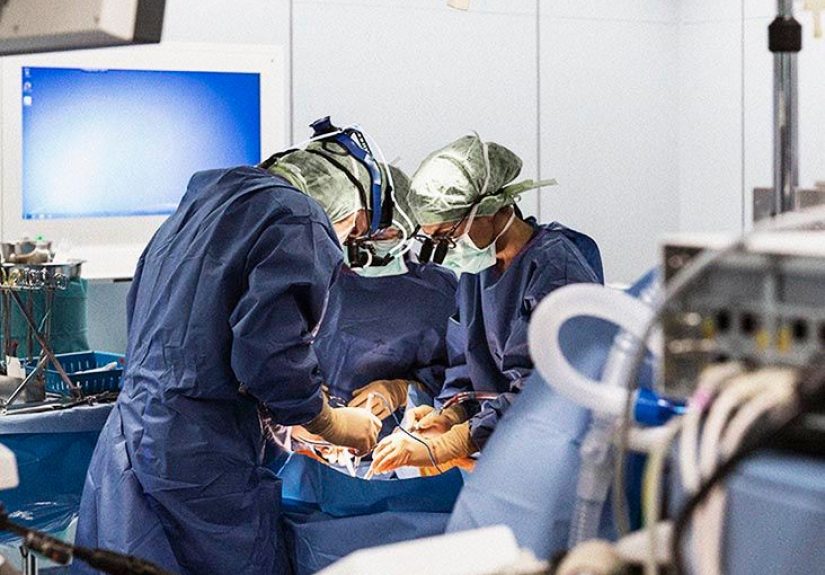
Valvuloplasty is performed in a cardiac catheterization lab by a specialized team. While details differ by valve type, here’s the general flow:
1) You’re monitored and given sedation
You’ll be connected to monitors for heart rhythm, oxygen level, and blood pressure. Many patients receive medication through an IV to help them relax, and the insertion area is numbed with local anesthetic. Depending on complexity, some cases use deeper sedation or general anesthesia.
2) The catheter is insertedusually through the groin
A small plastic tube (a sheath) is placed into a blood vessel, most often in the groin. The catheter travels through the vessels up to the heart using imaging guidance (X-ray/fluoroscopy and often echocardiography).
3) Contrast dye and ultrasound help guide the work
Contrast dye may be injected to highlight anatomy. Some people notice a warm flushing feeling or a metallic taste for a few secondsstrange, but typically brief.
4) The balloon crosses the valve and inflates
The balloon is positioned in the tight valve and inflated to stretch the leaflets open. This may be done several times. You might feel brief chest pressure or dizziness during inflation, and the team will talk to you throughout so you can report symptoms.
5) The catheter is removed and the access site is closed
After the valve has been widened, the catheter is withdrawn. The insertion site is closed using pressure, stitches, or a closure device, then covered with a dressing.
How long does it take? Many balloon valvuloplasty procedures take around an hour, though the total time in the lab and recovery area can be longer.
What It Feels Like (So It’s Less Mysterious)
People often worry it will “feel like heart surgery.” It usually doesn’t. What you may notice:
- A brief sting from numbing medicine in the groin
- Pressure (not usually sharp pain) at the catheter site
- A quick warm flush or odd taste when dye is injected
- Short-lived chest discomfort or lightheadedness when the balloon inflates
- Afterward: groin soreness and a bruise that looks dramatic but usually behaves itself
And yesthere are a lot of beeps. Hospitals communicate in “microwave keypad,” apparently.
Benefits: What “Success” Means
In medical terms, success is often measured by:
- Better valve opening (bigger effective valve area)
- Lower pressure gradient across the valve
- Improved blood flow and less strain on heart chambers
- Symptom relief (breathing easier, less fatigue, improved exercise tolerance)
Many patients notice improvement quicklysometimes right away, sometimes over days to weeks as the heart and lungs adjust.
A reality check (the helpful kind)
Valvuloplasty can be a long-lasting solution in some situations, but it doesn’t “cure” the underlying tendency for some valves to scar or calcify. In certain casesespecially aortic stenosis in older adultsit may be a bridge to a more durable treatment.
Risks and Possible Complications
Every procedure has risk, and your team will tailor risk discussions to your situation. Commonly discussed risks include:
- Bleeding or bruising at the catheter site
- Blood vessel injury (rare, but possible with catheter access)
- Arrhythmias (temporary rhythm changes can happen)
- Stroke or heart attack (uncommon, but important to know)
- Valve regurgitation (a valve can become leakier after it’s stretched)
- Restenosis (the valve narrows again over time)
- Contrast-related issues (allergic reactions or kidney stress in susceptible patients)
- Infection (rare, but monitored)
Call your care team urgently if you have chest pressure, fainting, fever/chills, worsening shortness of breath, significant bleeding, new leg swelling, or major changes at the insertion site (increasing redness, heat, drainage, or severe pain).
Recovery: What Happens After Valvuloplasty
Recovery often comes in two phases: the “hospital” part and the “back to real life” part.
In the hospital
- You’ll usually need to lie flat for several hours to reduce bleeding risk at the access site.
- Your team will monitor pulses in the leg/arm used for access, your heart rhythm, and your vital signs.
- Many patients stay overnight for observation, though this depends on the valve treated, your health status, and the hospital’s protocol.
- You may be encouraged to drink fluids to help flush contrast dye, if appropriate for you.
At home (the practical checklist)
- Take it easy for a few daysavoid heavy lifting and strenuous workouts until cleared.
- Watch the catheter site for swelling, warmth, bleeding, or increasing pain.
- Take meds exactly as prescribed (some patients need blood thinners or antiplatelet therapy, depending on their condition).
- Go to follow-up visitsyou’ll often have repeat imaging to confirm how the valve is functioning.
Some patients are referred to cardiac rehabilitation, a supervised program that helps rebuild stamina safely and teaches heart-healthy habits.
Valvuloplasty vs. Valve Replacement (and Other Options)
People often ask, “Why not just replace the valve?” Great question. The answer depends on the valve, your age, anatomy, severity, and goals.
Valvuloplasty may make sense when:
- The valve is narrowed but has anatomy that responds well to stretching (classic example: certain cases of mitral stenosis).
- You need symptom relief with less invasiveness.
- You need a temporary bridge to a more definitive procedure (commonly discussed with balloon aortic valvuloplasty in selected patients).
Valve repair/replacement or transcatheter replacement may be better when:
- The valve is heavily calcified or unlikely to open well with a balloon.
- There is significant leakage already (stretching might worsen it).
- A durable fix is needed and you’re an appropriate candidate for surgical replacement or a transcatheter valve procedure (like TAVR for aortic stenosis).
In short: valvuloplasty is often a “minimal invasion, meaningful improvement” optionsometimes a definitive solution, sometimes a strategic stepping-stone.
Questions to Ask Your Cardiologist
- Which valve is affected, and how severe is the stenosis?
- Am I a good candidate for balloon valvuloplasty, and why?
- What imaging will you use (echo, TEE, intracardiac echo), and what are you looking for?
- What are my realistic outcomessymptom relief, durability, and next steps?
- What complications are most relevant for me based on my health history?
- How long will I stay in the hospital, and when can I return to work/exercise?
- If the valve narrows again, what would we do next?
Real-World Experiences: The Parts People Don’t Always Mention (Extra )
Medical descriptions of a valvuloplasty procedure can sound very “diagram in a textbook.” Real life feels a bit differentmore human, more emotional, and occasionally more awkward (because hospitals are excellent at removing your dignity and returning it later in a small paper bag).
The night-before nerves are real. Even when a procedure is minimally invasive, many patients describe the hours leading up to it as the hardest part. You’re fasting, you’re thinking about your heart, and your brain suddenly becomes a professional catastrophe writer. A common coping strategy is focusing on concrete steps: pack a charger, bring a list of meds, and write down questions so you don’t rely on memory when you’re nervous.
The cath lab is bright and busyon purpose. Patients often notice how many people are in the room. That can feel intimidating until you realize it’s a good sign: each person has a specific job, and the team is built for safety. Many people also say that hearing calm voices“You’re doing great,” “Deep breath,” “Tell us if you feel pressure”is surprisingly reassuring.
“Lying flat” is a bigger challenge than expected. After the catheter comes out, you may need to stay flat for hours to reduce bleeding risk. Patients routinely say this is the most annoying part, not the balloon inflation. It’s not dramatic pain; it’s the slow burn of discomfort, stiffness, and the urge to shift positions. The good news: nurses are experts at small fixespillows, careful repositioning, and timing pain medicine so you can rest.
The first stand-up feels like a milestone. When you finally sit up and later stand, many people feel a mix of relief and cautionlike they’re carrying a precious vase made of glass (it’s just your groin access site, but still). It’s normal to move slowly at first. Patients often describe the bruising as “impressive” and occasionally “artistically purple,” but it usually fades with time.
Symptom changes can be subtleor suddenly obvious. Some patients notice immediate improvement (“I can breathe again”), while others feel better gradually over a couple of weeks. A common story is realizing the difference only when doing something routine: walking to the mailbox without pausing, climbing stairs without planning a rest stop, or sleeping more comfortably because breathing is easier. That’s why follow-up appointments matteryour team can compare symptoms and echocardiogram results to confirm progress.
People love a clear plan. The best post-procedure experiences often include very specific instructions: what to lift, when to shower, which symptoms to report, and when follow-up imaging happens. If anything feels vague, ask for clarification. It’s your heart; you’re allowed to be “politely persistent.”
Conclusion
A valvuloplasty procedure is a catheter-based way to open a narrowed heart valve using a balloon. For the right valve problemespecially certain cases of mitral or pulmonary stenosisit can offer meaningful symptom relief with a less invasive approach than open surgery. In other situations, it may serve as a bridge to valve replacement or other definitive therapies.
If you’re considering valvuloplasty, focus on three things: the exact valve diagnosis, your valve anatomy, and the long-term plan (including what happens if narrowing returns). With an experienced heart team, you’ll have a clearer path forwardand fewer “mystery beeps” in your life.