Table of Contents >> Show >> Hide
- Why Do So Many Villains Fall to Their Deaths?
- Another 10 Villains Who Fell to Their Deaths
- 1. Hans Gruber *Die Hard* (1988)
- 2. Gaston *Beauty and the Beast* (1991)
- 3. Emperor Palpatine *Star Wars: Return of the Jedi* (1983)
- 4. Scar *The Lion King* (1994)
- 5. Clayton *Tarzan* (1999)
- 6. Dr. Otto Octavius *Spider-Man 2* (2004)
- 7. General Woundwort *Watership Down* (1978)
- 8. Thaddeus Valentine *Mortal Engines* (2018)
- 9. King Stefan *Maleficent* (2014)
- 10. Professor Ratigan *The Great Mouse Detective* (1986)
- The Psychology Behind “Falling Villain” Endings
- The Legacy of the Falling-Villain Trope
- Final Thoughts
- Additional : Experiences, Patterns & Cultural Impact
If there’s one thing Hollywood loves more than a dramatic monologue or an explosion that clearly violates the laws of physics, it’s sending villains plummeting into the abyss. Whether it’s poetic justice, narrative convenience, or just plain gravity doing what gravity does best, falling deaths have become one of cinema’s most iconic villain exits.
This article dives into another ten infamous bad guys who took the express elevator downfast, final, and with the kind of flair that keeps audiences talking. Drawing inspiration from a variety of pop-culture breakdowns, fan discussions, film analyses, and villain-ranking lists across major U.S. entertainment sites, we explore why this trope works, what makes these fall-finales memorable, and how each one left an unmistakable mark on story history.
Why Do So Many Villains Fall to Their Deaths?
It feels like every genre has dabbled in this: action, animation, fantasy, sci-fi, superheroeveryone wants a piece of the gravity pie. Critics often point out that fall deaths provide a “clean” resolution. No messy moral quandaries; no questions about whether the hero “went too far.” Gravity is neutral. Gravity is fair. Gravity just… works.
Another factor? Fall deaths visually pack a punch. With tall towers, bridges, airships, cliff sides, and convenient ledges every few minutes, filmmakers lean into height for drama. It’s dramatic, it’s symbolic, and it almost always sticks.
Another 10 Villains Who Fell to Their Deaths
1. Hans Gruber *Die Hard* (1988)
Arguably the most iconic slow-motion villain fall of all time, Hans Gruber’s descent from Nakatomi Plaza is a masterclass in suspense. Alan Rickman’s expression alone has become meme history. The reason it feels so real? The director dropped Rickman earlier than expected during filming, capturing genuine shock. Talk about method acting by accident.
2. Gaston *Beauty and the Beast* (1991)
Disney villains love a good tumble, but Gaston’s fall is particularly symbolic. After climbing onto the Beast’s castle with pure arrogance, he slips into the fog below. His pride literally becomes his downfallclassic literature, but make it animated and slightly terrifying for kids.
3. Emperor Palpatine *Star Wars: Return of the Jedi* (1983)
Sure, Palpatine came back decades later (because space wizards apparently get frequent-flier resurrection miles), but his original fall down the reactor shaft remains epic. Darth Vader yeeting his boss into the void is one of the galaxy’s great HR-approved firings.
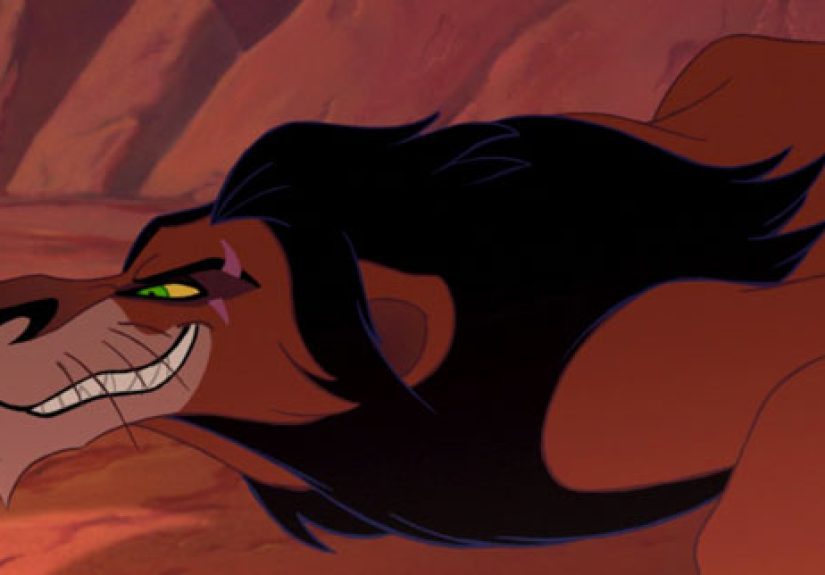
4. Scar *The Lion King* (1994)
The karma in this scene is unmatched. After manipulating, lying, and generally being a feline menace, Scar tumbles from Pride Rock only to meet revenge via the hyenas he betrayed. The fall is just the beginning of his downfalla layered villain exit if there ever was one.
5. Clayton *Tarzan* (1999)
One of Disney’s darkest villain endings. Clayton hacks at vines wildly untilsnap. He falls, and a shadow silhouette subtly reveals his grim fate. Kids didn’t always catch it, but adults definitely did. It’s a masterclass in chilling storytelling without gore.
6. Dr. Otto Octavius *Spider-Man 2* (2004)
While not a traditional “villain death” (he redeems himself in his final moments), Doc Ock still makes the list for his dramatic plunge into the river after stopping his own fusion reactor. His fall is a redemption arc wrapped inside a sacrifice wrapped inside very impressive tentacle choreography.
7. General Woundwort *Watership Down* (1978)
In one of the most intense animated films ever produced, Woundwort’s disappearance during the dog attack is widely interpreted as a fall or fatal plunge. His final moments are ambiguous yet undeniably powerfulterrifying villain, terrifying end.
8. Thaddeus Valentine *Mortal Engines* (2018)
This steampunk antagonist meets his fate during a massive airship battle. After orchestrating destruction across continents, he plummets in a visually explosive finale. Critics didn’t love the movie, but this villain’s dramatic drop remains one of its standout moments.
9. King Stefan *Maleficent* (2014)
Stefan’s descent is both physical and moral. Obsessed with power, he battles Maleficent on a castle balcony before losing his footing and falling to his doom. It’s Shakespearean tragedy blended with fantasy revenge, and his fall feels earned.
10. Professor Ratigan *The Great Mouse Detective* (1986)
This underrated Disney villain has one of the most spectacular climactic falls ever animated. After a chase atop Big Ben’s clockwork, Ratigan and Basil plungeonly for our hero to grab onto the chain at the last second. Ratigan? Not so lucky.
The Psychology Behind “Falling Villain” Endings
Film experts and pop-culture writers often point out that fall deaths are loaded with symbolism. Heights represent power, dominance, and the thin line between control and collapse. A villain clinging to a ledge captures the final moment of desperation. A slip, a betrayal, or a final miscalculation sends them spiralingliterally.
Some analysts also note that falls offer narrative closure without tainting the hero. The hero doesn’t “kill” the villain; the villain’s own actions (or gravityhi, old friend) do the job. This satisfies both storytelling traditions and audience morality, especially in PG-13 films aiming to dodge excessive violence.
The Legacy of the Falling-Villain Trope
From early cinema to modern blockbusters, villain falls are a cinematic shorthand. They’re memorable, emotional, and deeply ingrained in pop culture. Fans still debate which villain had the “best fall,” which one was the most deserved, and which ones felt a bit too convenient.
Gravity may be cliché, but it never goes out of style.
Final Thoughts
Some villains perish by sword, fire, explosion, or magical overconfidencebut falling remains the gold standard of climactic exits. Whether poetic, shocking, tragic, or darkly humorous, the dramatic plunge has secured its spot in storytelling history. And judging by Hollywood’s love for tall buildings and narrow ledges, we haven’t seen the last of gravity’s cameo appearances.
Additional : Experiences, Patterns & Cultural Impact
When exploring the cinematic obsession with falling villains, you start to see patterns pop up across decades of filmmaking. For example, directors often use a high fall as a narrative punctuation markone final visual exclamation point. Fans on major entertainment forums frequently list falling deaths as some of the most memorable villain endings, often ranking them above explosions or mystical disintegrations because of their raw, physical impact.
A huge part of the experience comes from suspense. In many scenes, everything slows down. Music swells. The villain’s expression shifts from rage to fear to shock. It’s a moment of clarity, a moment of justice, and sometimes a moment of tragic irony. The audience doesn’t just watch the villain fallthey feel the weight of every decision that led to that moment.
The trope also appears in unexpected places. Even video games*Kingdom Hearts*, *Resident Evil*, *Tomb Raider*, *Elden Ring*use villain falls as climactic finishers. Players report that these endings feel more earned because they visually confirm victory without ambiguity. No need to wait for the sequel to reveal “maybe he survived.” A fall is final. (Unless you’re Palpatine.)
Many writers and directors have spoken about the emotional psychology behind falls. Falling is a universal fear, and villains succumbing to it taps into deep human instincts. The loss of control, the inevitability, the dramatic symbolismit all aligns perfectly with narrative payoff. Heroes often stand at the edge, looking down, breathing hard, knowing the battle is finally over. That moment of silence after a villain falls is almost as important as the fall itself.
In storytelling workshops and screenwriting blogs, creators emphasize the practical aspect too. A fall allows the villain to be removed without excessive violence or controversy. It’s PG-13 friendly. It passes network broadcasting standards. It’s dramatic without being graphic. That’s a rare combination in modern media.
Behind the scenes, stunt teams and animators often talk about how challenging fall sequences can be. Animators spend weeks perfecting gravity, timing, air drag, and emotional expressions. Live-action films use massive stunt rigs, green screens, and harnesses. The goal is always the same: make the fall feel real, shocking, and earned.
Ultimately, the experience of watching a villain fall is more than spectacle. It’s narrative closure. It’s emotional release. And sometimes, it’s just plain fun. Fans still debate which fall is the best, which villain deserved it most, and which hero had the most satisfying reaction. As long as stories keep climbing to new heightsliterallyvillains will keep finding new and exciting ways to plummet into storytelling history.
SEO JSON