Table of Contents >> Show >> Hide
- Before We Start: What Food Can and Cannot Do During COVID-19
- The 9 Best Types of Food to Eat If You Have COVID-19
- 1) Hydrating Fluids and Electrolyte-Rich Broths
- 2) Easy-to-Eat Protein Foods
- 3) Vitamin C–Rich Fruits and Vegetables
- 4) Zinc-Containing Foods
- 5) Vitamin D Food Sources (Plus Fortified Foods)
- 6) Omega-3 Rich Fish and Healthy Fats
- 7) Whole Grains and Gentle Carbohydrates
- 8) Fermented and Probiotic-Friendly Foods (If Tolerated)
- 9) Soft, Soothing Foods for Sore Throat, Nausea, or Loss of Appetite
- Quick Symptom-to-Food Map
- What to Limit While You’re Sick
- Simple 1-Day COVID Recovery Meal Plan
- When to Get Medical Help Instead of Self-Managing Nutrition
- Conclusion
- 500-Word Experience Section: What Recovery Eating Actually Feels Like
Getting COVID-19 can turn normal eating into a weird side quest. One day you’re fine, the next day water tastes like metal, your throat feels like sandpaper, and your appetite is somewhere on vacation. The good news: you don’t need a “miracle superfood” or a supplement stack that costs more than your rent. You need practical, easy-to-digest foods that help with hydration, energy, and recovery.
In this guide, we’ll break down the 9 best types of food to eat if you have COVID-19, why each one helps, and exactly how to use them when you feel awful. We’ll also cover what to limit, a simple one-day recovery menu, and a realistic 500-word experience section at the end so this advice feels humannot robotic.
Before We Start: What Food Can and Cannot Do During COVID-19
Food can support recovery, but it does not cure COVID-19. Think of nutrition as your body’s support crew: hydration helps regulate temperature and circulation, protein supports tissue repair, carbohydrates provide quick energy, and vitamins/minerals help normal immune function. A good COVID recovery diet is about consistency, not perfection.
If your appetite is low, the goal is not gourmet excellence. The goal is to get enough fluids, enough calories, and enough protein in forms your body can tolerate. Small, frequent meals beat forcing giant plates when you feel nauseated or exhausted.
The 9 Best Types of Food to Eat If You Have COVID-19
1) Hydrating Fluids and Electrolyte-Rich Broths
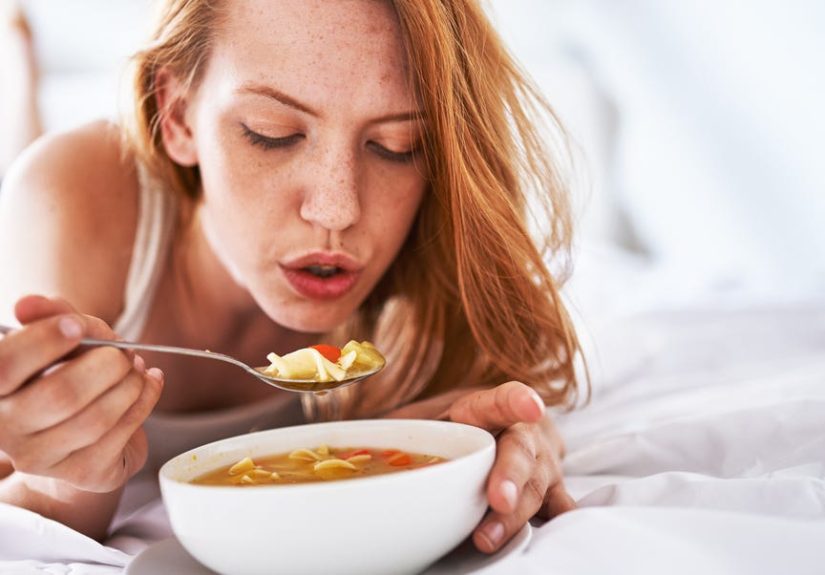
Fever, sweating, fast breathing, diarrhea, and vomiting can all increase fluid loss. That makes hydration your number-one nutrition priority. Water is great, but when appetite is low or GI symptoms show up, broths and electrolyte drinks can be easier to tolerate and can help replace sodium and other electrolytes.
Best picks: warm chicken broth, vegetable broth, oral rehydration drinks, diluted fruit juice, herbal tea, water with a pinch of salt and lemon.
Pro tip: sip every 10–15 minutes if big gulps trigger nausea.
2) Easy-to-Eat Protein Foods
Protein is essential when your body is stressed by infection. It helps maintain muscle mass, supports healing, and keeps energy steadier than sugary snacks alone. If chewing feels like hard labor, choose soft proteins.
Best picks: eggs, Greek yogurt, cottage cheese, tofu, soft beans, lentil soup, shredded chicken, canned salmon, protein smoothies with milk or soy milk.
Target idea: include a protein source each time you eateven if the meal is tiny.
3) Vitamin C–Rich Fruits and Vegetables
Vitamin C supports normal immune function and also helps with iron absorption. You do not need mega-doses; food-first is usually easier on the stomach and gives you hydration plus fiber.
Best picks: oranges, strawberries, kiwi, pineapple, bell peppers, broccoli, tomato soup.
If your throat hurts: try soft fruit cups, smoothies, or warm blended soups instead of crunchy raw produce.
4) Zinc-Containing Foods
Zinc helps with normal immune function and wound healing. It’s one reason balanced meals matter when you’re sick. You can get zinc from both animal and plant foods.
Best picks: oysters (if available), lean beef, poultry, beans, chickpeas, pumpkin seeds, whole grains, dairy.
Important: high-dose zinc supplements can cause side effects; food sources are the safer daily baseline for most people.
5) Vitamin D Food Sources (Plus Fortified Foods)
Vitamin D plays a role in immune function, and many people don’t get enough. Food alone may not fully correct deficiency, but it still contributes to your recovery routine.
Best picks: salmon, tuna, sardines, fortified milk, fortified plant milks, eggs.
Reality check: more is not always better. Extremely high supplement doses are not a shortcut to faster recovery.
6) Omega-3 Rich Fish and Healthy Fats
Fatty fish provides protein plus omega-3 fatty acids, which are associated with anti-inflammatory benefits and heart health. During COVID recovery, that combo can be useful when appetite is limitedyou get meaningful nutrition in a modest portion.
Best picks: salmon, sardines, trout, mackerel, herring; for plant options, walnuts, chia, and flax can still add healthy fats.
Keep it gentle: bake, poach, or steam instead of deep-frying.
7) Whole Grains and Gentle Carbohydrates
Carbs are your body’s fast-access fuel, and fiber from whole grains supports digestive health. If your stomach is sensitive, start with gentler options and work back up to higher-fiber foods as tolerated.
Best picks: oatmeal, rice, whole-grain toast, quinoa, whole-wheat pasta, crackers, boiled potatoes.
When nausea hits: plain rice, toast, or crackers can help you get calories without overwhelming your gut.
8) Fermented and Probiotic-Friendly Foods (If Tolerated)
Gut health and immune function are connected, and fermented foods can support a healthy microbiome for some people. That said, this is a “test and adjust” categoryif your stomach is irritated, keep portions small and simple.
Best picks: yogurt with live cultures, kefir, small portions of fermented vegetables, miso soup.
Reminder: probiotics can help in some contexts, but they’re not magic and may not be right for everyone.
9) Soft, Soothing Foods for Sore Throat, Nausea, or Loss of Appetite
COVID symptoms vary, so texture matters. On rough days, soft and warm foods are often easier than crunchy, acidic, or greasy meals. If nausea or vomiting is present, bland choices can be a lifesaver.
Best picks: oatmeal, applesauce, mashed potatoes, banana, scrambled eggs, broth-based soups, smoothies, popsicles, gelatin.
Comfort tip: warm tea with honey (for adults) can feel better on a scratchy throat than cold fizzy drinks.
Quick Symptom-to-Food Map
- Sore throat: warm broth, oatmeal, mashed potatoes, smoothies, soft eggs.
- Nausea: crackers, bananas, rice, applesauce, ginger tea, small frequent bites.
- Diarrhea: fluids + electrolytes first, then bland foods and simple starches.
- No appetite: mini-meals every 2–3 hours, drink calories (soups, smoothies, milk).
- Taste/smell changes: try temperature contrast, tart flavors, herbs, and varied textures.
What to Limit While You’re Sick
This is not the time for an extreme diet, but a few things can make symptoms worse:
- Alcohol (can worsen dehydration and sleep quality)
- Very greasy or fried food (harder on nausea-prone stomachs)
- Very spicy meals if you have sore throat or GI upset
- Excess caffeine if you’re dehydrated or anxious
- High-dose “cure” supplements from random online claims
If a food sounds healthy but makes you feel worse, pause it and choose a gentler option. During illness, tolerance matters more than nutrition perfection.
Simple 1-Day COVID Recovery Meal Plan
Breakfast
Oatmeal with banana slices + Greek yogurt + warm tea.
Mid-Morning
Electrolyte drink or broth + a few crackers.
Lunch
Chicken and rice soup + soft cooked carrots + applesauce.
Afternoon
Protein smoothie (milk/soy milk, berries, nut butter, oats).
Dinner
Baked salmon or tofu + mashed potatoes + steamed zucchini.
Evening
Kefir or yogurt (if tolerated) + water before bed.
If that feels like too much, halve portions and keep the same pattern. A “small but steady” intake beats skipping meals and crashing later.
When to Get Medical Help Instead of Self-Managing Nutrition
Nutrition supports recovery, but it is not a substitute for urgent care. Seek medical help quickly if you have trouble breathing, chest pain/pressure, confusion, blue or gray lips/nails, persistent vomiting, signs of dehydration, or symptoms that are worsening instead of improving.
If you’re high risk (older age, chronic conditions, immune compromise), ask your clinician early about antiviral treatment eligibility. Early treatment timing can matter.
Conclusion
The best foods for COVID-19 are not trendythey are practical: fluids, protein, fruits and vegetables, whole grains, healthy fats, and soft foods matched to your symptoms. The winning strategy is simple: hydrate early, eat small frequent meals, prioritize protein, and adjust texture to how your throat and stomach feel that day.
Recovery eating is less about “perfect clean eating” and more about consistency while your body does hard repair work. If you can keep fluids down, get regular protein, and avoid dehydration, you’re already doing a lot right.
500-Word Experience Section: What Recovery Eating Actually Feels Like
In real life, recovering from COVID-19 rarely looks like a perfectly plated social media meal plan. Most people describe it as a series of tiny decisions: “Can I handle one more sip?”, “Will this make nausea worse?”, “Why does toast taste like cardboard?” These moments are normal. The biggest lesson from everyday recovery stories is that flexible routines work better than strict rules.
One common experience starts with appetite disappearing almost overnight. Breakfast used to be easy; now even thinking about food feels tiring. In this phase, people do best when they switch from “three big meals” to “small food windows” every couple of hours. A few spoonfuls of yogurt, half a banana, or a cup of broth sounds unimpressive, but these small steps prevent the energy crash that comes from long fasting while sick. By late afternoon, that steady trickle of calories often means less dizziness, fewer headaches, and better tolerance for dinner.
Another frequent issue is taste and smell changes. Some people say sweet foods taste too sweet, others say everything tastes muted, and some say favorite foods suddenly taste “off.” What helps? Contrast. Warm soup plus a cool smoothie. Crunchy crackers with soft eggs. Lemon on fish. Fresh herbs in rice. When flavor is unreliable, texture and temperature can carry the meal. People also report better intake when they stop chasing one “perfect” food and rotate options: soup one meal, smoothie next, eggs later. Variety reduces food fatigue and keeps nutrition more balanced.
GI symptoms create their own challenge. During nausea days, many people try to “power through” regular meals and feel worse. A gentler approach usually wins: clear liquids first, then bland foods, then protein when the stomach settles. Think broth, crackers, applesauce, rice, then eggs or yogurt. This staged progression is less dramatic than forcing a full plate, but it often shortens the cycle of eat-too-much → feel-worse → skip-food. The same pattern helps with diarrhea: fluids and electrolytes first, then easy starches, then a return to normal meals as symptoms improve.
Fatigue is the final boss. Even simple cooking can feel like climbing a mountain in slippers. People who recover more smoothly often “pre-decide” easy meals: frozen soup portions, ready-to-drink protein shakes, instant oatmeal, pre-cooked rice, canned fish, bananas, and yogurt. This is not lazy nutritionit’s smart energy management. On better days, they add color and fiber. On rough days, they prioritize hydration and protein. Both are valid.
The shared takeaway from these experiences is reassuring: you do not need perfect eating to recover well. You need repeatable habits. Sip fluids early, eat something every few hours, include protein often, and match food texture to symptoms. If your body says “not that,” choose something gentler and keep moving forward. Recovery is not one heroic meal. It is dozens of small, practical choices that add up.