Table of Contents >> Show >> Hide
- Table of Contents
- How BHG Tested Grow Lights
- The 11 Best Grow Lights, Tested by BHG
- 1) Best Overall: Leoter 4-Head Grow Light
- 2) Best Design: Soltech Solutions Aspect Grow Light
- 3) Best Smart: AeroGarden Trio Grow Light
- 4) Best for Flowering Plants: Mars Hydro LED Grow Light
- 5) Best for Seedlings: Gardener’s Supply Company Stack-n-Grow Lights System
- 6) Best Floor Light: LBW Grow Light with Stand
- 7) Best Bulb: GE LED Grow Light Bulb
- 8) Best Clip-On: GooingTop LED Grow Light
- 9) Best Mounted: Soltech Solutions Grove LED Grow Light
- 10) Best for Beginners: iGrowtek Grow Light
- 11) Best for Serious Growers: Spider Farmer SF4000 LED Grow Light
- How to Choose a Grow Light That Fits Your Life
- How to Use Grow Lights (Without Frying Anything)
- FAQ: Quick Answers to Common Grow-Light Questions
- Real-World Grow-Light Experiences (Extra )
- Experience #1: The “Why Is My Seedling Doing Yoga?” Moment
- Experience #2: The Timer That Saves Your Weekend
- Experience #3: The Decor Battle (A.K.A. “My Living Room Is Magenta Now”)
- Experience #4: The Leaf-Clue Learning Curve
- Experience #5: The “One Light, Too Many Pots” Reality Check
- Experience #6: The Surprise Winter Comeback
- SEO Tags (JSON)
If your plants could talk, winter would sound like this: “Hello? Sun? You still there?” The good news is you don’t need to move to Florida,
install a skylight the size of a swimming pool, or conduct interpretive dance to appease your pothos. You just need a grow light that actually
does what it promiseswithout turning your living room into a neon spaceship, spiking your power bill, or roasting your seedlings like tiny
leafy marshmallows.
Better Homes & Gardens (BHG) did what most of us only threaten to do: they tested grow lights in a real-world setup, comparing plants grown
under grow lights versus natural light over multiple weeks. The result is a shortlist of standouts across stylesclamp-on, floor lamps, mounted
bars, bulbs, and serious “my plants have a spreadsheet” panels.
How BHG Tested Grow Lights
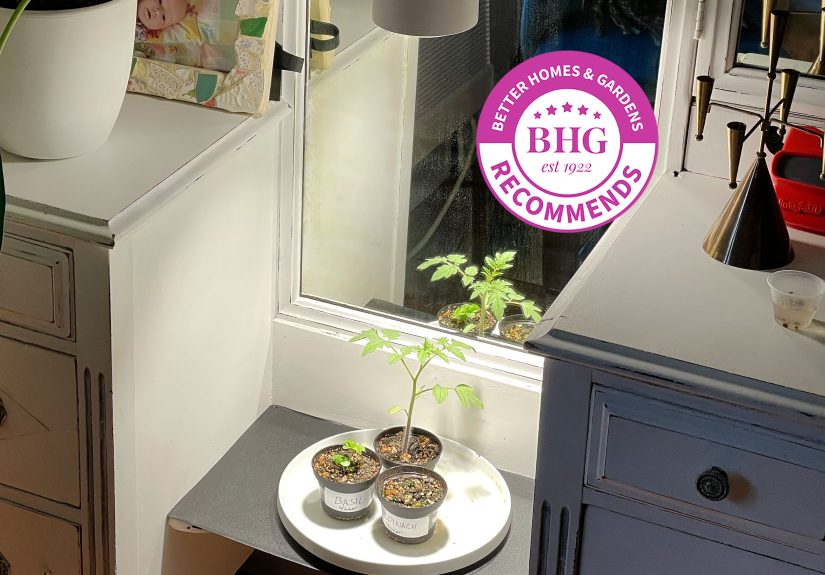
Not all “full-spectrum” labels are created equal, so BHG put popular grow lights through a practical, plant-forward test. Their team grew common
starter plants (including basil, tomato, and spinach) and compared two groups: one set under natural light and one set under the grow light.
The plants were cared for the same way, and growth was measured at multiple checkpoints over about six weeks.
Beyond “did the plant grow,” the evaluation looked at what you and I actually notice: how annoying setup is, whether the light feels harsh in
a lived-in room, how adjustable it is as plants get taller, whether it runs hot, how easy the controls are, and whether the price matches the
performance. Translation: it’s not just about plant scienceit’s about whether the light works in a normal home with normal humans who forget
where they put the screwdriver.
The 11 Best Grow Lights, Tested by BHG
Below are BHG’s top picks, explained in plain English with the “who it’s for” context that actually helps you choose.
Think of this as matchmakingexcept your new couple is a lamp and your basil.
1) Best Overall: Leoter 4-Head Grow Light
If you want the most features for the least money (and you don’t mind a “gadget-y” vibe), Leoter is the crowd-pleaser. Four flexible goosenecks
let you focus on one plant or fan out over a whole seedling tray. You get multiple brightness levels, multiple spectrum modes, and timer options
the kind of control you usually see at higher prices.
- Why it stands out: Tons of adjustability and settings for the price.
- Best for: Seed starting, mixed houseplants, small indoor gardens on shelves or tables.
- Watch-outs: If power is cut, the timer may need resettingso don’t be shocked when your plants don’t magically remember your schedule.
- Key specs (as tested): 40W LED, full-spectrum options, dimmer + timer + spectral modes, adjustable arms.
2) Best Design: Soltech Solutions Aspect Grow Light
This is the “I want my home to look like a magazine, but with thriving plants” choice. The Aspect hangs like a pendant light, with a warm tone
that blends into your decor better than the typical purple glow. It’s bright and effective, but it keeps the controls simple.
- Why it stands out: Stylish, warm-looking light that still performs.
- Best for: Display plants in living rooms, dining spaces, plant corners you actually want to show off.
- Watch-outs: Limited built-in adjustability (no dimming or spectrum tweaking), so placement matters.
- Key specs (as tested): 40W, ~3000K look, pendant style, long cord; can be paired with an outlet timer.
3) Best Smart: AeroGarden Trio Grow Light
The Trio is basically a tiny lighting rig for tabletop plants. Three small arms let you aim light at separate pots, and app features (timer,
dimming, modes) make it easy to set and forget. It’s best for small plants and seedlingsnot your future indoor lemon tree.
- Why it stands out: Smart controls + multi-arm convenience for small plants.
- Best for: Herb pots, microgreens, seedling starts, kitchen counters.
- Watch-outs: Can tip if arms aren’t balanced; not meant for tall or large plants.
- Key specs (as tested): 3 lights at ~5W each (15W total), app/touch control, dimmer, timer, multiple modes.
4) Best for Flowering Plants: Mars Hydro LED Grow Light
When you need stronger lightespecially for flowering and fruiting stagesthis style of panel is a step up. BHG highlighted Mars Hydro for
brightness, dimming, and the ability to daisy-chain multiple units for bigger setups.
- Why it stands out: High output for demanding plants; scalable.
- Best for: Fruiting plants (like peppers and tomatoes), heavy feeders for light, bigger indoor gardens.
- Watch-outs: No built-in timer; you’ll want an external timer and a plan for cable tidiness.
- Key specs (as tested): ~150W, dimmer, daisy-chain capable, wide coverage.
5) Best for Seedlings: Gardener’s Supply Company Stack-n-Grow Lights System
Seed starting is where a “system” can beat a single lamp. The Stack-n-Grow approach is designed for trays and early growthmore structured, more
even, more “I’m serious about spring.” If you start seeds every year, a dedicated setup can make the process calmer and more consistent.
- Why it stands out: Built for uniform coverage over seed trays.
- Best for: Gardeners who start lots of seedlings and want repeatable results.
- Watch-outs: Takes up space; best if you can dedicate a corner, shelf, or table.
- Key specs (as tested): System-style stand with grow lights intended for seed starting.
6) Best Floor Light: LBW Grow Light with Stand
This one is popular because it’s simple: a floor stand, an adjustable head, and settings that cover most everyday needs. It’s a good “I want one
light that can help multiple plants through winter” pick, especially if you like moving your setup around the house.
- Why it stands out: Versatile floor setup with adjustability.
- Best for: Houseplants in corners, winter light supplementation, small plant clusters.
- Watch-outs: Not the most decor-forward optionthink “useful,” not “museum lighting.”
- Key specs (as tested): Full-spectrum LED with stand, multiple modes/levels, timer features (model-dependent).
7) Best Bulb: GE LED Grow Light Bulb
Sometimes you don’t need a new fixtureyou need one magical bulb to upgrade a lamp you already own. GE’s grow bulb is an easy entry point for
beginners: screw it in, aim it at a plant, and let it do its thing. Great for small-scale help, not for running a whole indoor jungle.
- Why it stands out: Simplest possible setupuse a regular lamp.
- Best for: One or two plants, supplementing window light, small herb pots.
- Watch-outs: Coverage is limited; you’ll need multiple bulbs for multiple plants.
- Key specs (as tested): ~9W LED grow bulb, full-spectrum style output.
8) Best Clip-On: GooingTop LED Grow Light
Clip-ons are perfect when space is tight: clamp it to a shelf, desk, or table and aim it where it’s needed. BHG’s pick is flexible and practical,
especially for seedlings or small potted plants that just need a reliable daily boost.
- Why it stands out: Space-saving clamp + targeted light where you need it.
- Best for: Shelves, desks, kitchen counters, small plant stations.
- Watch-outs: Like most clamps, stability depends on what you clip it to.
- Key specs (as tested): Clip-on gooseneck style with timer/dimming functions.
9) Best Mounted: Soltech Solutions Grove LED Grow Light
If you want clean, modern lines and shelf-friendly lighting, a mounted bar is a smart move. The Grove is meant to be installed under shelves or
cabinets so the light shines down over plants like a tiny indoor sunrise. It’s especially handy for plant shelves and “plant wall” setups.
- Why it stands out: Mount-and-forget convenience for shelves.
- Best for: Plant shelves, propagation stations, under-cabinet plant zones.
- Watch-outs: Installation is simple but still “a thing,” especially if you dislike measuring tape.
- Key specs (as tested): Bar-style mounted grow light with a minimal look.
10) Best for Beginners: iGrowtek Grow Light
Beginners usually want two things: (1) a light that’s forgiving, and (2) controls that don’t feel like programming a toaster from 1997.
iGrowtek is positioned as a friendly starter optiongood functionality without demanding a PhD in Plant Lamp Studies.
- Why it stands out: Beginner-friendly approach and setup.
- Best for: First-time indoor growers, low-stress houseplant supplementation.
- Watch-outs: As your collection grows, you might outgrow the coverage and want something expandable.
- Key specs (as tested): Consumer-friendly grow light format aimed at ease-of-use.
11) Best for Serious Growers: Spider Farmer SF4000 LED Grow Light
This is the “I’m not playing around” pick. Serious panels like the SF4000 are made for strong output over a larger area. If you’re growing
light-hungry plants, doing bigger indoor projects, or want high performance, this style of light is built for that.
- Why it stands out: High output and larger coverage for demanding setups.
- Best for: Larger grow areas, stronger lighting needs, bigger indoor gardens.
- Watch-outs: Bright enough to require thoughtful placement (and often an external timer).
- Key specs (as tested): ~450W class fixture (model line), sizable panel coverage.
How to Choose a Grow Light That Fits Your Life
The “best grow light” depends on what you’re growing and where you’ll put it. A single bulb can help a sad windowsill herb. A mounted bar can
transform a plant shelf. A high-output panel can support fruiting plants and heavy growth. Here’s a practical way to decide.
Start with your goal
- Seed starting: You need even coverage, close placement, and long daily run time. Systems and bars shine here.
- Houseplant support: A clamp, floor stand, or bulb can supplement a dim corner or short winter days.
- Fruiting/flowering indoors: Higher intensity matters more. Look at stronger panels with dimming and good coverage.
Pick a form factor that matches your space
- Bulbs: Cheapest and easiest; limited coverage.
- Clamp/Gooseneck: Great control for small areas and shelves.
- Floor stands: Flexible for corners or “plant clusters.”
- Mounted bars/strips: Best for shelves and propagation stations.
- Panels: Strong output for larger coveragegreat when plants have bigger ambitions than your windows do.
Don’t get hypnotized by “full-spectrum” alone
Plants use light differently than humans do, so lumens (a human-vision measurement) aren’t the full story. Look for grow lights that are designed
for plant growth and allow you to control distance and durationthose two variables often matter more than fancy marketing words.
A timer, dimmer, and adjustable height can turn a “pretty good” light into a “why is my basil suddenly confident?” light.
How to Use Grow Lights (Without Frying Anything)
Grow lights are powerful, but they’re not complicated. Most mistakes come down to two issues: the light is too far away, or it’s not on long enough.
Here’s a sane, plant-friendly approach.
1) Place the light at the right distance
- Seedlings: Typically closeoften just a few inches to about a foot, depending on intensity and heat.
- Houseplants: Usually farther than seedlings, especially if the light is strong.
- Rule of thumb: If plants stretch and look leggy, the light is probably too far or too weak. If leaves bleach, curl, or crisp, the light may be too close or too intense.
2) Run the light long enough
Many indoor growers do well with long “day lengths” under artificial lightoften 12–16 hours depending on the plant and the strength of the fixture.
Seedlings commonly need the longer end of that range to stay compact and sturdy. Fruiting plants generally want more light than low-light foliage
plants. And yes, plants need darkness tooconstant 24/7 light is not the vibe.
3) Use a timer like a responsible adult (or a clever teen)
Timers prevent the “Oops, I forgot for three days” problem and the “Oops, I left it on all night for a week” problem. Built-in timers are convenient,
but a basic outlet timer works just as well for many setups.
4) Rotate plants and watch for clues
Plants lean toward light. Rotate pots every few days for even growthespecially under directional bulbs and clamps. Watch the leaves: richer color,
tighter spacing between leaves, and steady new growth are good signs. Pale leaves, long stems, and “reaching” are signs you need more usable light.
FAQ: Quick Answers to Common Grow-Light Questions
Are purple grow lights better than white ones?
Purple lights emphasize red and blue wavelengths, which plants use heavily. White “full-spectrum” grow lights can also work extremely well and are
usually easier on human eyes in living spaces. For most home growers, “works well + you’ll actually use it” beats “technically optimal but you hate
the look.”
Do I need expensive equipment to grow healthy indoor plants?
Not always. Many houseplants just need a consistent boost in winter or in dim rooms. A good bulb in a lamp can help. For seedlings or ambitious
indoor gardens, purpose-built fixtures become more worthwhile because coverage and consistency matter.
What’s the biggest mistake people make with grow lights?
Putting the light too far away. Light intensity drops fast with distance, so a grow light across the room is basically a nightlight with confidence
issues. If your seedlings are leggy, distance is the first thing to fix.
How many grow lights do I need?
Count your plant “footprint,” not your plant count. One bulb might support one medium pot. A bar might cover a shelf section. A panel might cover
a measured area. If you have plants spread out, you’ll either need to cluster them under one stronger light or use multiple smaller lights.
Real-World Grow-Light Experiences (Extra )
Let’s talk about what it’s actually like to live with grow lightsbecause the internet loves to describe “optimal PPFD” while ignoring the fact that
you also live in the same room as your plants. Below are real-world style observations and scenarios indoor gardeners commonly run into (and learn
from) once the honeymoon phase ends and the lamp becomes a permanent roommate.
Experience #1: The “Why Is My Seedling Doing Yoga?” Moment
The first time you start seeds indoors, you feel like a geniusright up until day six when the seedlings stretch tall and thin like they’re auditioning
for a plant ballet. This is usually the moment you discover that your grow light is too far away (or not on long enough). The fix is rarely dramatic:
lower the light, keep it close as they grow, and use a timer so the “day” stays consistent. Within a week, the new growth often comes in sturdier,
with tighter spacing between leaves. The plant stops reaching and starts building.
Experience #2: The Timer That Saves Your Weekend
A timer is the most underrated “plant care” purchase because it’s really a human care purchase. Without one, you’ll do the classic:
“I’ll turn it on in the morning.” Then you’ll forget. Then you’ll overcompensate and leave it on too long. Timers turn grow lights into background
supportlike autopilot for your basil. Even a basic outlet timer feels like you hired a tiny plant nanny who never calls in sick.
Experience #3: The Decor Battle (A.K.A. “My Living Room Is Magenta Now”)
Many people buy their first grow light, plug it in, and immediately realize they’ve invented nightclub lighting for a ficus. That’s when design-forward
options (like warm-toned pendants) suddenly make sense. If your plants live where humans also live, the best grow light is the one you won’t resent
every evening. Plenty of white/full-spectrum grow lights can keep plants happy without making your home look like a sci-fi hallway.
Experience #4: The Leaf-Clue Learning Curve
Plants give feedback. Too little light often shows up as slow growth, legginess, smaller new leaves, and dull color. Too much light can look like
bleaching, crisp edges, curling, or stressed spotsespecially if the fixture is powerful and close. The practical routine becomes: adjust distance,
tweak duration, wait a few days, and re-check. The sweet spot is usually obvious once you’ve seen both extremes.
Experience #5: The “One Light, Too Many Pots” Reality Check
New indoor growers often assume one grow light can handle an entire plant collection spread across a room. Then the plants closest to the light
thrive while the plants at the edges act like they’re reading by a candle. The fix is either to cluster plants within the effective footprint or add a
second light. This is where multi-head lights and mounted bars shine: you’re shaping coverage, not just adding brightness.
Experience #6: The Surprise Winter Comeback
One of the most satisfying grow-light moments is the winter turnaroundplants that were sulking suddenly push new leaves, herbs stop looking tired,
and propagation cuttings root with more enthusiasm. It’s not magic; it’s consistency. Even “easy” houseplants that tolerate low light often grow
better with steady supplemental light during short days. Once you see that comeback, grow lights stop feeling like an optional gadget and start
feeling like a seasonal toollike a humidifier, but for photosynthesis.