Table of Contents >> Show >> Hide
- Quick POA Vocabulary (So the Rest Makes Sense)
- Step 1: Get Crystal Clear on What You Need the POA to Do
- Step 2: Choose the Type of Power of Attorney
- Step 3: Decide When the POA Startsand When It Stops
- Step 4: Pick the Right Agent (and a Backup)
- Step 5: Have “The Talk” With Your Agent
- Step 6: Define the PowersSpecifically
- Step 7: Add Safeguards (Because Humans Are Human)
- Step 8: Get the Right Form (State-Specific Is the Secret Sauce)
- Step 9: Execute It Correctly (Signing Rules Mattera Lot)
- Step 10: Make It Usable in Real Life (Copies, Storage, and Acceptance)
- Step 11: Know How the Agent Should Sign and Act
- Step 12: Review, Update, and Revoke When Needed
- Mini-FAQ: Common “Oh No” Moments
- Conclusion: You’re Not “Giving Up Control”You’re Choosing Your Backup Plan
- Real-World Experiences (The Stuff People Wish They’d Known Sooner)
Disclaimer: This article is educational information, not legal advice. Power of attorney rules vary by state, and the “right” document depends on your situation. When in doubt (or when family dynamics are spicy), talk with a qualified attorney in your state.
You don’t need a cape to protect your futureyou need paperwork. A power of attorney (POA) is the legal document that lets someone you trust step into your shoes and handle specific decisions when you can’t (or when you’d simply rather not). Done right, it can prevent expensive court involvement, reduce stress for loved ones, and keep your bills, care, and paperwork from turning into a chaotic scavenger hunt.
Done wrong, it can create delays, bank headaches, and family arguments that could power a small city. So let’s do it rightstep by step.
Quick POA Vocabulary (So the Rest Makes Sense)
- Principal: Youthe person giving authority.
- Agent (Attorney-in-fact): The person you name to act for you (not necessarily a lawyer).
- Durable: Stays effective even if you become incapacitated (depending on your state’s rules and the document’s language).
- Springing: “Springs” into effect only after a triggering event (often incapacity).
- Healthcare POA / Health care proxy: Names someone to make medical decisions if you can’t.
Step 1: Get Crystal Clear on What You Need the POA to Do
Before you touch a form, answer one question: What problem are you solving? Are you planning for aging and incapacity? Helping a parent manage finances? Traveling out of the country and need someone to sign a home sale closing? Handling health decisions in an emergency?
Your goal determines the right POA type and the scope of authority. Think in categories:
- Money: paying bills, managing accounts, handling investments, dealing with benefits.
- Property: real estate transactions, leases, home repairs, selling a vehicle.
- Healthcare: consent to treatment, choosing providers, end-of-life decisions.
- One specific task: a single transaction with a clear end date.
If you try to use a “one-size-fits-all” document for everything, you risk creating something that’s either too weak to be useful or too broad to feel safe.
Step 2: Choose the Type of Power of Attorney
Most people don’t need every kind of POA. They need the right combination.
Common POA types
- Financial POA: Covers money mattersbanking, bills, investments, taxes, and sometimes real estate.
- Medical (Healthcare) POA: Covers health decisions if you can’t communicate or make decisions.
- General POA: Broad authority (often ends if you become incapacitated unless it’s durable).
- Limited/Special POA: Narrow authority for a specific task or time period.
- Durable POA: Designed to remain valid even if you become incapacitated.
- Springing POA: Becomes effective only after a defined event (often incapacity).
Tip: Many people pair a durable financial POA with a healthcare POA. That combo covers the two big life categories: money and medical care.
Step 3: Decide When the POA Startsand When It Stops
This step prevents “Wait… you can do what right now?” surprises.
Start options
- Effective immediately: Your agent can act as soon as the POA is signed (you still keep your own authority too).
- Springing/effective upon a trigger: Your agent can act only after a specified event (like a doctor’s determination of incapacity).
Stop options
- On a date: Useful for short-term needs.
- When a task is completed: Like a property sale closing.
- When you revoke it: If you still have legal capacity.
- Automatically at death: A POA is for living people; after death, authority typically shifts to an executor/estate process.
Reality check: Some institutions are cautious with springing POAs because proving the trigger can slow things down. If speed matters (like paying bills during a hospitalization), immediate effectiveness can be more practicalwith smart safeguards (we’ll cover those).
Step 4: Pick the Right Agent (and a Backup)
Your agent will have real powersometimes the ability to access accounts, sign contracts, and make treatment decisions. Choose someone who is:
- Trustworthy: Obvious, but also non-negotiable.
- Organized: The best intentions in the world won’t help if they lose the document in a sock drawer.
- Available: If they’re always unreachable, your POA becomes a decorative wall art piece.
- Calm under pressure: Especially for healthcare decisions.
- Financially responsible: If they struggle with money, handing them your checkbook is… bold.
Always name a successor agent (backup). People move, get sick, get busy, or suddenly decide they “don’t do paperwork.” A backup keeps your plan from collapsing.
Step 5: Have “The Talk” With Your Agent
This is the most skipped stepand the one that saves the most pain later.
Set expectations:
- What decisions you want them to make (and what you absolutely don’t).
- Whether you want them to consult others (spouse, siblings, accountant, doctor).
- How you want records kept (receipts, spreadsheets, notes).
- What your priorities are (stay in your home as long as possible, keep a certain account untouched, prefer comfort-focused care, etc.).
Pro tip: If you can say it out loud comfortably, it can be followed. If you can’t say it out loud, it might be too vague to enforce.
Step 6: Define the PowersSpecifically
The “powers” section is where you prevent abuse and avoid rejection by banks or hospitals. Be precise and practical.
Typical financial powers
- Banking and bill pay
- Managing investments and retirement accounts
- Buying/selling real estate (if you want this)
- Handling insurance claims
- Applying for benefits and dealing with government agencies
- Tax matters
Typical healthcare powers
- Consent to or refuse treatment
- Choose providers/facilities
- Access medical records (often paired with HIPAA releases)
- Make end-of-life decisions consistent with your wishes
Watch-outs: Some high-impact actions (like gifting, changing beneficiary designations, or moving assets around) often require explicit language. If you want those allowed (or forbidden), spell it out.
Step 7: Add Safeguards (Because Humans Are Human)
You can build guardrails into your POA without making it unusable.
Common safeguards
- Limit gifts: Allow only small gifts, or none at all.
- Require recordkeeping: Receipts, logs, and regular summaries.
- Appoint a monitor: Someone who can request records.
- Use co-agents carefully: Co-agents can add oversight, but can also cause stalemates if they must act jointly.
- Set spending rules: For example, “Pay my bills and taxes, but don’t sell my home unless my doctor confirms I can’t return to it.”
Think of safeguards like a seatbelt: you hope you won’t need it, but you’ll be glad it’s there if things get bumpy.
Step 8: Get the Right Form (State-Specific Is the Secret Sauce)
Power of attorney is governed mostly by state law, so the “best” form is usually one that matches your state’s requirements and common practice.
Your options typically include:
- State statutory forms: Many states provide a model form that institutions recognize quickly.
- An estate planning attorney: Best for complex finances, blended families, business ownership, or high-conflict situations.
- Reputable document services: Can work for simpler situations, but you must still follow your state’s signing rules.
Special case: tax representation
If your goal is specifically to have someone represent you before the IRS, a general POA may not be enough. The IRS commonly uses Form 2848 for authorization to represent a taxpayer, and it has its own rules about who can serve as a representative and what they can do.
Step 9: Execute It Correctly (Signing Rules Mattera Lot)
A POA that’s not executed properly can be rejected at the exact moment you need it most (which is a truly cruel form of irony).
Common execution requirements
- You must have legal capacity when signing.
- Notarization is required in many states for certain POAs (especially those involving real estate).
- Witnesses may be required in some states.
- Both witnesses and a notary may be required in certain jurisdictions for specific POA forms.
Example (why state rules matter): In New York, a POA generally must be signed in front of a notary and witnesses under current requirements. Your state might differ, which is why “I found a template online” is not a planit’s a gamble.
Important: Never sign a blank or incomplete POA. If there are blanks, fill them in or strike them before signing.
Step 10: Make It Usable in Real Life (Copies, Storage, and Acceptance)
Once signed, your POA should be easy to find and easy to use. The best legal document in the world is useless if no one can locate it before the ambulance leaves.
Do this immediately after signing
- Make copies: For your agent, successor agent, and key institutions.
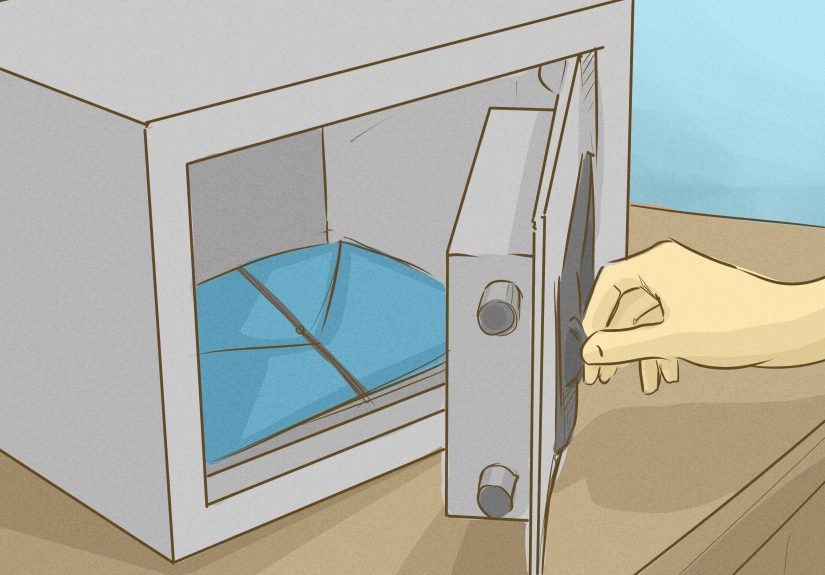
- Store the original safely: A fireproof safe is common. If you use a safe deposit box, make sure your agent can access it when needed.
- Tell people where it is: At least your agent and a trusted backup person should know.
Bank tip: Some financial institutions prefer reviewing the POA ahead of time or may ask you to complete their internal authorization forms too. Doing a “pre-approval” visit while you’re healthy can prevent later delays.
Step 11: Know How the Agent Should Sign and Act
Using POA isn’t just waving a document and saying, “I have the power!” (That’s for wizard movies.) It’s about signing and acting correctly.
How agents typically sign
Many institutions expect a signature format like:
[Principal’s Name] by [Agent’s Name], attorney-in-fact (or agent)
Best practices for agents
- Stay within the authority granted: If the document doesn’t allow it, the agent shouldn’t do it.
- Keep clean records: Receipts, logs, and copies of major documents.
- Don’t commingle funds: The principal’s money should not be mixed with the agent’s personal accounts.
- Share updates as requested: Especially if you built a monitoring safeguard into the document.
Think of the agent’s job as “act like the principal would, but with better documentation.”
Step 12: Review, Update, and Revoke When Needed
A POA shouldn’t be “set it and forget it.” Life changesand so do state laws, family situations, and institutional policies.
Review your POA after:
- Moving to another state
- Marriage, divorce, or remarriage
- A major health diagnosis
- Big financial changes (selling a business, inheritance, buying property)
- When your agent’s circumstances change (relocation, illness, new responsibilities)
If you need to revoke
Generally, revocation means creating a written revocation and notifying anyone who has a copy (agents, banks, doctors, etc.). Destroy old copies where possible and replace them with the updated version. For anything complicatedespecially if a POA may already have been usedget legal guidance.
Mini-FAQ: Common “Oh No” Moments
Can I get power of attorney over someone who doesn’t agree?
Usually, no. A POA typically requires the principal’s consent and capacity at signing. If someone is already incapacitated and can’t legally consent, families often have to consider guardianship or conservatorship through court.
Is a healthcare POA the same as a living will?
No. A living will documents treatment preferences. A healthcare POA names a person to make decisions when you can’t. Many people do both as part of advance care planning.
Will a POA let my agent do literally anything?
No. The agent’s authority is limited by the document and state law. And the agent is expected to act in the principal’s best interest, within the scope of granted powers.
Conclusion: You’re Not “Giving Up Control”You’re Choosing Your Backup Plan
A power of attorney is not a sign that you’re expecting the worst. It’s a sign that you’re planning like a competent adult who understands that life can get messyand paperwork should not be the reason your family struggles during an emergency.
If you do the 12 steps abovechoosing the right POA type, naming a capable agent, executing it correctly, and making it usableyou’ll create a document that works when it matters most. And that’s the whole point.
Real-World Experiences (The Stuff People Wish They’d Known Sooner)
Let’s talk about what happens after you sign a power of attorney, when the real world (and its fondness for paperwork) shows up. These experiences are based on common patterns people run into when trying to use a POA with banks, hospitals, and family members.
1) The “Bank Says No” Surprise
A classic scenario: someone shows up at a bank with a POA, expecting a quick solutiononly to hear, “We need our legal department to review this.” Sometimes it’s because the POA is old, vague, missing notarization/witnesses required by that state, or simply doesn’t match the bank’s internal procedures. The practical fix is boring but effective: pre-share the POA with major institutions while the principal is healthy. If the bank flags something, you can correct it before there’s a crisis. Think of it like getting your passport renewed before you’re at the airport.
2) The “Springing POA Paper Chase”
Springing POAs sound great in theoryauthority only turns on when you’re incapacitated. In practice, the trigger condition can be a speed bump. If the POA requires a physician’s letter or a formal incapacity determination, the agent may spend valuable time tracking down forms, appointments, and signatures during a stressful moment. For some families, an immediately effective durable POA plus guardrails (limits, monitoring, recordkeeping) ends up being more workable than a springing document that activates too slowly.
3) The Hospital Confusion: “We Need the Right Document”
Healthcare settings can be document-specific. A financial POA may not help with medical decisions. A healthcare POA may not grant access to certain medical records unless it’s paired with the right authorizations. The best experience people report is when the agent can hand the hospital a clear healthcare proxy/POA, plus contact information, plus a brief written summary of the principal’s preferences (for example, a one-page “care values” note). That reduces friction and prevents the dreaded, “We can’t discuss this with you” loop.
4) The Family Dynamic Factor (a.k.a. “Siblings in a Group Chat”)
Even in loving families, money and medical decisions can spark conflict. People often wish they had done two things: (1) named a successor agent and (2) communicated the plan early. When everyone hears the principal’s wishes directly (“This is who I chose and why”), it reduces the chance that someone later assumes wrongdoing. Adding a monitor or requiring regular accounting can also reduce suspicion without handcuffing the agent.
5) The “We Can’t Find the Original” Panic
You’d be amazed how often the problem isn’t legalityit’s logistics. The agent needs the document, but it’s in a safe deposit box nobody can access, a locked safe with a forgotten combo, or a folder labeled “Misc.” that now lives in a mystery drawer. The best practice is simple: store the original in a safe, accessible place, tell the agent where it is, and keep digital copies where they can be retrieved quickly. (No, not only on a laptop named “Old Dell” last seen in 2013.)
6) The “I Didn’t Know I Had to Update It” Lesson
Life changes. Agents move. Relationships change. People get married, divorced, or relocate to a new state. One of the most helpful habits is doing an annual check-insame time you change smoke detector batteries or pretend you’ll finally organize the garage. If nothing needs updating, great. If it does, you catch it before it becomes an emergency.
Bottom line: the best POA experiences come from treating the document like a living systemnot a one-time form. Good planning makes the legal part easier, but good logistics makes the plan actually work.