Table of Contents >> Show >> Hide
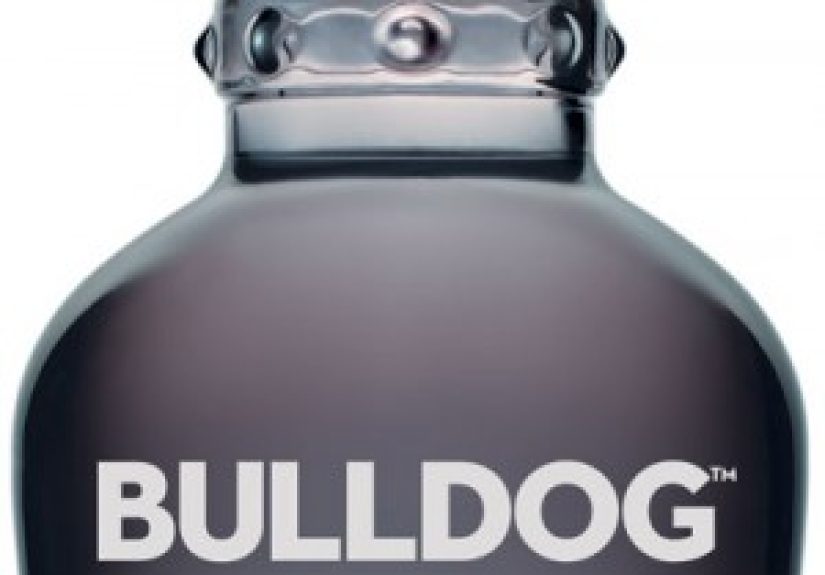
On the surface, the story of BULLDOG Gin looks like a classic spirits-industry success: a sleek matte-gray bottle, a spiked collar, a bold London dry gin poured in bars around the world. But behind that “British bulldog” bravado there’s a different kind of armorwhat one popular finance blog once called the “samurai mask”: the calm, focused face a founder wears while making terrifyingly big bets on their future.
In this deep dive into The Samurai Mask: An Interview With The CEO of BULLDOG Gin, we unpack the journey of founder and CEO
Anshuman Vohra, a former Wall Street banker who walked away from a lucrative career to reinvent gin for a new generation.
We’ll revisit the ideas behind that early interview, blend them with what we know today about the brand’s growth, and explore what aspiring entrepreneursand gin lovers of legal drinking agecan learn from his story.
Meet the Man Behind the Bulldog
Before BULLDOG Gin, Anshuman “Shu” Vohra was exactly where many ambitious overachievers expect to end up: at a major investment bank, working on high-stakes deals and wearing a suit that cost more than his first car. He spent years at JPMorgan, specializing in telecom mergers and acquisitions. On paper, things looked perfect. In reality, he was restless.
Vohra grew up as a diplomat’s son, bouncing between countries and cultures. Along the way, he developed an appreciation for flavors, rituals, and how a single drink could carry a whole story of place and tradition. That global upbringing eventually collided with his banking background: he didn’t just want to analyze brandshe wanted to build one.
From Trading Floors to Copper Stills
In the mid-2000s, gin was still seen by many younger drinkers as something your grandparents ordered before dinner. The category had heritage, but not necessarily heat. Vohra saw a gap: what if you could take the structure of a classic London dry gin and give it a modern, cosmopolitan personality?
So he did the completely rational thing (depending on your risk tolerance): he left his secure finance job, poured his savings and credibility into a spirits startup, and set out to build what he called the first “modern” ginsomething that respected tradition but didn’t feel trapped by it.
The early years were a grind. Think less glamorous “Mad Men” and more spreadsheets, handshakes, and convincing skeptical bar managers to give an unfamiliar bottle a shot (sometimes literally). But BULLDOG found its audiencefirst in trend-forward bars and then across international markets.
Inside the Samurai Mask
The “samurai mask” metaphor isn’t about pretending everything is fine when it isn’t. It’s about composure in the middle of chaos. In that original interview, Vohra talked about staying calm while taking massive career and financial riskslike staking his future on a product in a crowded, legacy-heavy category.
Behind the mask were very human realities: uncertainty, sleepless nights, and the awareness that one bad batch, one bad distributor relationship, or one mistimed expansion could derail everything. But the external face had to project clarity and confidence. Investors don’t fund panic; bartenders don’t stock brands that look unsure of themselves.
That dualitythe internal fear and the external focusis something many founders recognize. The samurai mask is less about fakery and more about discipline. You acknowledge the fear, then you go pitch the distributor anyway. You worry about the cash burn, then you get back on the plane and visit another market.
Building a Modern London Dry Gin
BULLDOG Gin launched around 2006–2007 as a premium London dry gin distilled in England but driven by a globally inspired flavor profile. It was designed to stand out on the shelf: a squat, smoky-gray bottle topped with a studded black collar, referencing both its “bulldog” name and a tough, modern aesthetic.
Where classic London dry gins lean heavily into juniper and a narrow set of traditional botanicals, BULLDOG widened the lens. The recipe pulls from twelve botanicals sourced across multiple continents, including:
- Juniper, coriander, and citrus peel for structure and brightness
- Angelica and orris root to build depth and texture
- White poppy seeds for a soft nuttiness
- Lotus leaf and dragon eye (a relative of lychee) for subtle floral and exotic fruit notes
- Lavender and cassia for gentle aromatics and spice
- Almond and liquorice to round out the finish
The result is a gin that still behaves beautifully in a classic gin and tonic or martini but feels softer and more approachable to people who might be put off by aggressively juniper-forward styles. It’s a smart positioning move: BULLDOG doesn’t abandon tradition; it edits it.
Designed for a New Type of Gin Drinker
Vohra’s bet was that future gin drinkers would want something that felt both premium and flexible. The branding leans into cosmopolitan nightlife rather than country-club nostalgia. Signature serves focus on clean, modern cocktails: long G&Ts with fresh citrus, refreshing spritzes, and gin-forward drinks that showcase its layered botanicals without overwhelming the palate.
Importantly, BULLDOG positioned itself as a “gateway gin” for the curious. It’s smooth enough to sip with lots of ice and a twist, yet structured enough to stand up in classics like a Negroni. That versatility helped it move from a niche curiosity to a back-bar regular.
From Startup to Global Player
You know a spirits startup has graduated to the big leagues when a major group cuts a sizable check. In 2014, Gruppo Campari (the Italian company behind Campari, Aperol, and other bar staples) took over distribution for BULLDOG. By 2017, Campari went all in, acquiring the brand in a deal worth roughly $58.4 million, including working capital and assumed liabilities.
At that point, BULLDOG was available in close to 90–95 countries and was ranked among the fastest-growing premium gins in the world. For Vohra, it validated years of disciplined risk-taking. For the industry, it signaled how powerful the “modern gin” segment had become in a relatively short time.
The acquisition also illustrates a common arc for contemporary alcohol brands: nimble founder-led innovation in the early stages, followed by partnership or acquisition with a global player that can scale distribution, marketing, and supply chain. The samurai mask shifts from “Can we survive?” to “How do we grow without losing what made us special?”
What the CEO’s Journey Teaches Founders
You don’t need to launch a gin brand to learn from The Samurai Mask: An Interview With The CEO of BULLDOG Gin. The story is full of insights that apply to any entrepreneur, creative, or ambitious professional trying to build something of their own.
1. Use Your Past Career as Training, Not a Cage
Vohra didn’t treat his finance years as “wasted time” once he left banking. Instead, he used those skillsmodeling risk, understanding capital structures, reading marketsto make more informed decisions about everything from pricing to expansion. Your current career might feel unrelated to your dream, but the tools you’re learning can travel with you.
2. Take Calculated, Not Romantic, Risks
Walking away from a comfortable job isn’t automatically heroic. The key is how you do it. Vohra approached his leap with a strategist’s mindset: researching the category, identifying white space, understanding regulatory landscapes, and talking to distributors long before the bottle hit shelves. Passion is the engine, but the business plan keeps the car from flying off the road.
3. Design for Emotion, Not Just Function
Is BULLDOG’s spiked-collar bottle necessary for the gin to taste good? Of course not. Is it crucial to how people feel when they order it? Absolutely. The design reinforces the brand’s toughness and modern edge. Founders in any industry can take note: great products solve problems; great brands also create feelings.
4. Reinvent Without Disrespecting Tradition
BULLDOG didn’t call itself something completely foreign to the gin world; it embraced “London dry” but reworked the flavor to feel current. That balancehonoring the category while challenging its assumptionsis powerful. Whether you’re building software, shoes, or spirits, knowing the rules is the first step to breaking them responsibly.
5. Your “Samurai Mask” Is a Tool, Not Your Identity
The mask metaphor can sound like an invitation to become a robot. In reality, it’s about choosing when to show vulnerability and when to project steadiness. In front of your team, partners, or investors, you often need to embody confidence. With your closest circleor aloneyou can admit you’re scared, tired, or unsure. The trick is to never confuse the armor with the person wearing it.
The Human Side of a Global Gin Brand
One detail that often gets buried in financial headlines is how personally tied founders are to their products. For Vohra, BULLDOG wasn’t just a business plan; it was a reflection of his tastes, travels, and belief that gin could be something more interesting than a dusty bottle on a back bar.
That’s partly why the acquisition story lands differently than a cold transaction. The brand’s success didn’t happen because of one lucky breakit came from years of slow, often unglamorous effort: adjusting recipes, listening to bartenders, understanding local drinking cultures, and building the kind of trust that gets you poured into someone’s Friday-night martini.
It also underscores a broader consumer shift. Gin drinkersagain, those of legal drinking agewere increasingly curious, open to new botanicals and flavor narratives. BULLDOG tapped into that curiosity at exactly the right time.
Conclusion: What’s Behind Your Mask?
The Samurai Mask: An Interview With The CEO of BULLDOG Gin is more than a catchy headline. It’s a snapshot of a founder standing at the intersection of risk and conviction, choosing to walk away from a predictable path to build something distinctive in a saturated category.
Vohra’s journey shows that you can:
- Leverage an analytical, corporate background to build a creative, consumer-facing brand
- Transform a “tired” product category with thoughtful design and flavor innovation
- Use composurethe samurai maskas a way to move through uncertainty without letting it control you
Whether you’re working on a startup, leading a team, or simply reimagining your own career, the question lingers: What kind of story will sit behind your mask? If Vohra’s experience is any indication, the most interesting ones often start when you finally decide to take it offat least with yourselflong enough to admit what you really want to build.
And if you eventually wind up toasting a milestone with a BULLDOG Gin and tonic, do it the way any disciplined samurai would approve of: mindfully, in moderation, and only if you’re legally old enough to order the drink in the first place.
Behind the Samurai Mask: Personal Takeaways & Experiences
Spend enough time reading about BULLDOG Gin and you start to notice something: the brand’s story feels oddly relatable, even if you’ve never looked at a copper still in your life. Most of us know what it’s like to stare at a stable, “sensible” path and feel a nagging sense that we’re meant to do something different. That quiet tensionbetween comfort and curiosityis the same energy that pushed Vohra to trade pitch books for botanicals.
Imagine walking into a bar where the back shelf looks like a roll call of old guard gins: familiar names, classic labels, the kind of bottles your parents (or grandparents) might recognize. Then your eye catches the matte gray BULLDOG bottle with its studded collar. Even before you taste it, the branding sends a signal: this isn’t here to play background music. It’s here to say, “We respect tradition, but we’re not stuck in it.”
Tasting BULLDOG Gin for the first timeagain, assuming you’re of legal drinking age and sipping responsiblyis often a little surprising. The juniper is there, but it’s not shouting. The floral lift from lavender and lotus, the subtle nuttiness from almond and poppy, and the exotic nudge from dragon eye fruit all show up in gentle layers rather than a single dominant hit. It’s the sort of gin that can convert a “gin skeptic” who swears they’ve never met a martini they liked.
On the entrepreneurial side, the BULLDOG story lands like a case study you’d expect in a business-school class labeled something like “Category Disruption 101.” Here’s a founder who:
- Identified a category with strong heritage but weak emotional connection for younger consumers
- Respected the product’s core (London dry gin) while expanding its flavor and design language
- Built early traction in bars and clubs, then leveraged that into broader retail expansion
- Ultimately partnered with a global player to unlock scale without diluting the core brand identity
But what makes the “samurai mask” angle so interesting is that it acknowledges everything the highlight reel doesn’t show. Think about the in-between moments: jet lag in anonymous hotels while pitching new markets, spreadsheets that don’t quite balance yet, production hiccups, or early rejections from distributors who “don’t see the need for another gin.” The mask is what lets you walk into the next meeting anyway.
There’s also something deeply modern about the emotional math of Vohra’s journey. Many high-performing professionals in finance, tech, or consulting feel pressure to measure success in familiar currencies: title, base salary, bonus, vesting schedules. Leaving that world to launch a product that may or may not catch on looks irrational from the outside. Yet stories like BULLDOG’s remind us that ambiguous, hard-to-quantify rewardscreative control, ownership, building a culture from scratchcan sometimes outweigh the security of a predictable paycheck.
For creatives and side-hustlers, the BULLDOG narrative is a nudge to take their projects seriously. Maybe you’re not ready to quit your job and start a spirits brand, but you are ready to test your idea in a real way: launching a small batch, shipping a pilot product, or finally putting a price tag on your skills. The samurai mask here isn’t about faking confidence you don’t have; it’s about showing enough steady belief in public to give your idea a fair shot.
And then there’s the simple, sensory side of it all. There’s a particular kind of quiet satisfaction in seeing a bottle like BULLDOG on a bar shelf and knowing the story behind it. Maybe you order it in a gin and tonic, with a thick wedge of lime and plenty of ice. Maybe you’re celebrating a personal win: completing a big project, landing a client, or just surviving a week that felt like a marathon. The drink doesn’t create the meaningbut it can frame the moment, a liquid exclamation point at the end of a long sentence.
Ultimately, The Samurai Mask: An Interview With The CEO of BULLDOG Gin isn’t just about a spirits brand. It’s about the universal experience of trying to do something bold without letting your fears run the show. Whether your “gin” is a product, a creative project, a career pivot, or a company you haven’t incorporated yet, the lesson holds: build your skills, design thoughtfully, move respectfully within your categoryand when the time comes, step into the arena with your own version of the samurai mask firmly in place.