Table of Contents >> Show >> Hide
- Why Clothes Feel Stiff, Rough, or Crunchy
- How to Soften Clothes: 9 Natural & Inexpensive Alternatives
- 1. Add Distilled White Vinegar to the Rinse Cycle
- 2. Use Baking Soda as a Wash Booster
- 3. Toss in Wool Dryer Balls
- 4. Use Less Detergent Than You Think You Need
- 5. Wash in the Warmest Water Safe for the Fabric
- 6. Sort Synthetics Separately From Natural Fibers
- 7. Air-Dry or Line-Dry When You Can
- 8. Use Lower Heat and Stop Before Clothes Are Bone-Dry
- 9. Do a Periodic “Residue Reset” for Towels and Sheets
- What Not to Use Fabric Softener On
- Quick Troubleshooting Guide
- Experience & Practical Lessons From Real Laundry Life
- Final Thoughts
- SEO Metadata
If your shirts feel scratchy, your towels feel like decorative sandpaper, and your leggings come out of the wash with the emotional range of a potato chip, you do not necessarily need commercial fabric softener. In many cases, stiff laundry is not a “your clothes are broken” issue. It is a residue issue, a hard-water issue, a heat issue, or a “whoops, I poured in way too much detergent” issue.
That is actually good news. It means softer clothes are often less about buying another bottle of blue mystery liquid and more about fixing the laundry process. Natural, inexpensive alternatives can work beautifully when you match the right method to the real problem. Sometimes the answer is white vinegar. Sometimes it is wool dryer balls. Sometimes it is simply using less detergent and giving your towels a break from being marinated in buildup.
This guide explains why clothes get rough in the first place, then walks through nine natural and budget-friendly ways to soften fabrics without relying on traditional fabric softener. Along the way, you will also learn what not to do, because laundry has a special talent for punishing innocent-looking mistakes.
Why Clothes Feel Stiff, Rough, or Crunchy
Before you can fix rough laundry, it helps to know what is causing it. In most homes, one of these culprits is behind the problem:
Detergent residue
More detergent does not automatically mean cleaner clothes. In fact, using too much can leave soap behind in the fibers, especially in towels, sweatshirts, sheets, and thick cotton items. That residue can make fabrics feel stiff, look dingy, and smell less fresh than you would expect from something you just washed.
Hard water minerals
If your water is high in calcium and magnesium, detergent has a harder time rinsing clean. Minerals can cling to fabric and create a rough, dull feel over time. Hard water is one of the most common reasons laundry feels “clean-ish” instead of actually soft.
Overdrying
Drying clothes until they are hotter than a parking lot in July can make fibers feel brittle. Cotton towels are especially famous for becoming crunchy when they are overdried on high heat.
Commercial softener buildup
Here is the little irony no one invites to laundry day: fabric softener often works by coating fibers. That can create an instant silky feel, but the coating may also reduce absorbency and breathability over time. Towels, athletic wear, microfiber, and water-repellent items usually hate this arrangement.
Wrong method for the fabric type
Synthetics behave differently from cotton and linen. Activewear is not a bath towel. Microfiber is not your favorite hoodie. When everything gets washed and dried the same way, somebody in the load will complain. Usually the towels. They are dramatic.
How to Soften Clothes: 9 Natural & Inexpensive Alternatives
1. Add Distilled White Vinegar to the Rinse Cycle
White vinegar is the all-star of natural fabric-softener alternatives because it helps loosen detergent residue and mineral buildup that can leave fabrics feeling stiff. It is especially useful for towels, sheets, T-shirts, and everyday cotton items.
How to use it: Add about 1/4 to 1/2 cup of distilled white vinegar to the fabric softener dispenser or final rinse cycle. Do not pour it directly on clothes. For small loads, stick closer to 1/4 cup.
Why it works: Vinegar helps break down leftover detergent and some mineral residue, which can restore softness and improve freshness.
Important caution: Never mix vinegar with bleach. Also, do not add vinegar at the same time as detergent in the main wash, since that can reduce cleaning performance.
2. Use Baking Soda as a Wash Booster
Baking soda is not just for your refrigerator and emergency banana bread moods. In laundry, it can help neutralize odors and support a deeper clean, which often leaves fabrics feeling softer because there is less grime and residue trapped in them.
How to use it: Add 1/2 cup of baking soda to the wash drum with your regular detergent. This method works well for gym clothes, socks, kids’ laundry, and loads that tend to come out a little musty.
Why it works: It helps with odor control and can improve wash performance, especially when fabrics feel rough because they are carrying body oils or detergent leftovers.
Do not play kitchen chemist: Avoid adding baking soda and vinegar together in the same wash step. They mostly neutralize each other, which is very exciting for your middle-school science brain and not very useful for your laundry.
3. Toss in Wool Dryer Balls
Wool dryer balls are one of the simplest natural swaps for dryer sheets and liquid softener. They work by bouncing around the drum, separating fabric layers, and allowing warm air to circulate more evenly.
How to use them: Add 3 to 6 wool dryer balls to the dryer, depending on load size. Use more for bulky loads like towels or bedding.
Why they work: They can reduce static, cut down drying time, soften fabrics mechanically, and help prevent loads from clumping into one giant damp laundry burrito.
Worth knowing: Skip essential oils on dryer balls unless a product specifically says it is safe. Flammability concerns are real, and “smells like lavender” is not worth setting up a tiny wool bonfire in your dryer.
4. Use Less Detergent Than You Think You Need
This may be the least glamorous laundry advice ever, but it works: back off the detergent. Many modern detergents are concentrated, and washersespecially high-efficiency modelsneed less product than people assume.
How to try it: Reduce your usual detergent amount by a small step, not a dramatic one. If you normally fill the cap to the moon, start by using about half to two-thirds of what you have been pouring.
Why it works: Less detergent means less chance of leftover residue coating the fibers. Towels often become noticeably softer once buildup stops collecting in the loops.
Best for: Stiff towels, chalky dark clothes, and loads that somehow feel both sticky and dry at the same time. Laundry contains multitudes.
5. Wash in the Warmest Water Safe for the Fabric
Cold water is great for many loads, but if your fabrics are carrying heavy detergent residue, body oils, or lingering funk, warm water can sometimes clean more effectively. That improved cleaning often translates into softer results.
How to do it: Check the care label and choose the warmest temperature that is safe for the item. Towels, sheets, and durable cotton basics usually respond well to warm water.
Why it works: Warm water can help detergents dissolve and rinse better, especially on loads that tend to trap oils and product buildup.
When not to do it: Delicates, wool, some activewear, and bright colors may need cooler settings. The goal is softer laundry, not a sweater sized for a teddy bear.
6. Sort Synthetics Separately From Natural Fibers
Not all static and stiffness problems are really “softness” problems. Sometimes they are friction problems. Synthetic fabrics like polyester and nylon tend to generate more static and behave differently in the dryer than cotton or linen.
How to do it: Wash and dry activewear, polyester tops, leggings, and microfiber items separately from towels, sheets, and cotton basics whenever possible.
Why it works: Sorting reduces friction, helps fabrics dry more evenly, and can cut down on the clingy, rough feeling that happens when synthetics and natural fibers all wrestle in the same dryer load.
Bonus: Your cotton towels will also stop donating lint to everything else they meet.
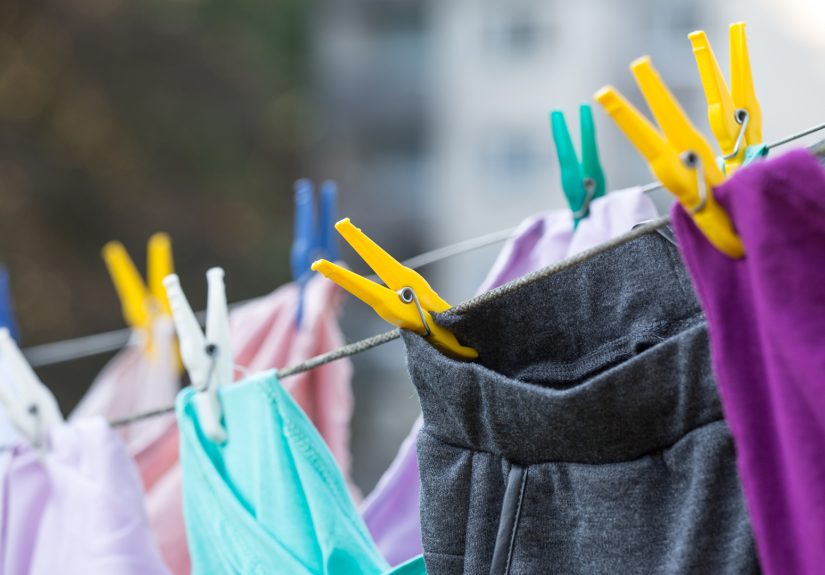
7. Air-Dry or Line-Dry When You Can
One of the oldest laundry tricks is still one of the best. Air-drying avoids the high-heat tumble that can rough up fibers, especially on lightweight fabrics and stretchy basics.
How to use it: Hang shirts, dresses, pajamas, baby clothes, and delicate items on a drying rack or clothesline. You can also air-dry items almost all the way, then finish them in the dryer for just a few minutes to soften them up.
Why it works: Less aggressive drying means less fiber stress, less shrinkage risk, and less static. It is also cheap. Your utility bill may send a thank-you note.
Best for: Lightweight cottons, rayon blends, sleepwear, and clothes that tend to pill or lose shape in high heat.
8. Use Lower Heat and Stop Before Clothes Are Bone-Dry
If line-drying everything sounds lovely in theory but unrealistic in your actual life, the next best move is to use lower heat and avoid overdrying. Clothes do not need to come out of the dryer feeling like they survived a desert expedition.
How to do it: Use low or medium heat when possible. Remove items when they are just dry or even slightly damp, then let them finish air-drying on a hanger or rack.
Why it works: Overdrying can make cotton and blends feel crisp, brittle, and rough. Lower heat is gentler on fibers and often leaves clothes feeling more natural.
Extra tip: Give towels and sweatshirts a good shake before folding. That quick fluff-up can make a surprising difference.
9. Do a Periodic “Residue Reset” for Towels and Sheets
If your towels feel stiff no matter what you do, they may need a reset rather than a regular wash. Heavy cotton items are magnets for detergent, mineral deposits, and old softener residue.
How to do it: First, wash the towels or sheets with hot or warm water and no detergent, adding white vinegar to the rinse. Then wash them again with a small amount of detergent and a little baking soda in the wash. Dry on low heat with wool dryer balls.
Why it works: This kind of two-step cleanup can help remove the gunk that makes fabrics feel rough, greasy, or less absorbent.
How often: Only as needed, not every week. Think of it as a deep-conditioning treatment for your laundry, minus the cucumber water.
What Not to Use Fabric Softener On
If softness is the goal, it helps to know when traditional softener can actually make things worse. Be careful with these items:
- Towels: Softener can reduce absorbency, which is unfortunate for something whose entire career is “dry things.”
- Athletic wear: Coatings can interfere with moisture-wicking performance and trap odors.
- Microfiber: Residue can affect how well it cleans and absorbs.
- Water-repellent fabrics: Coatings can interfere with performance finishes.
- Some flame-resistant items: Always check the care label before using softener.
Quick Troubleshooting Guide
If towels feel crunchy
Use less detergent, skip commercial softener, add vinegar to the rinse, and dry with wool dryer balls on low heat.
If clothes feel stiff and look dull
Suspect hard water or detergent residue. Try a vinegar rinse and make sure you are not overloading the wash with soap.
If static is the main problem
Sort synthetics separately, use wool dryer balls, avoid overdrying, and pull clothes out while they still have a whisper of moisture left.
If activewear smells weird even after washing
Skip softener entirely, use a little baking soda in the wash, and let items air-dry whenever possible.
Experience & Practical Lessons From Real Laundry Life
One of the most common experiences people have when they switch from commercial fabric softener to natural alternatives is surprise. Not because the laundry room suddenly becomes a magical spa, but because the fix is often embarrassingly simple. Someone spends months wondering why the towels feel rough, buys a new detergent, tries a new washer cycle, maybe even blames the dryer, and then discovers the real villain was using too much detergent all along. It is a humbling moment. Laundry has a way of doing that.
A lot of households also notice that towels improve first. They are usually the easiest proof that the method is working. After a few washes with less detergent, a vinegar rinse, and low-heat drying with wool dryer balls, towels often feel fluffier and absorb water better. That second part matters. Some people do not realize commercial softeners can make towels feel slick while quietly making them worse at their actual job. The towel looks soft, feels soft for a second, and then just sort of pushes water around like it is on strike.
Another very relatable experience happens with activewear. Plenty of people assume fabric softener will make leggings, sports bras, and gym shirts feel nicer, but performance fabrics usually prefer the opposite. Once softener is removed from the routine, those clothes often smell fresher, breathe better, and stop holding onto that mysterious “clean but not really clean” odor. If you have ever washed workout clothes and then immediately doubted your own nose, you already know the phenomenon.
Then there is the dryer-ball learning curve. At first, some people expect wool dryer balls to make clothes feel exactly like liquid softener. They do not. The softness is usually more natural and less slippery. But after a week or two, many people end up preferring that feel because the clothes seem fresher, towels absorb better, and there is less residue building up over time. The savings add up too, because dryer balls are reusable for a long time instead of being a one-and-done purchase.
Hard-water homes often see the biggest improvement once they stop treating every laundry problem as a fragrance problem. If minerals are the real issue, more scent will not help. A simple resetless detergent, vinegar in the rinse, better sorting, lower dryer heatcan make clothes feel dramatically better. In real life, that is what most successful laundry routines look like: not complicated, not expensive, and not packed with ten extra products. Just a few smart changes repeated consistently. In other words, the best way to soften clothes is usually not buying something fancier. It is making your laundry routine a little less chaotic and a lot more intentional.
Final Thoughts
If you want softer clothes naturally, start with the basics before you buy another laundry product. White vinegar, baking soda, wool dryer balls, and a few smarter washing and drying habits can solve most fabric-softness problems for a lot less money. They can also help your towels stay absorbent, your activewear stay breathable, and your washer avoid the kind of sticky buildup that nobody wants to investigate up close.
The smartest approach is to match the solution to the problem. Residue? Use less detergent and try vinegar. Static? Use dryer balls and avoid overdrying. Hard water? Focus on rinsing and buildup control. Once you stop treating every fabric issue with one-size-fits-all softener, laundry gets easierand your clothes usually feel better for it.