Table of Contents >> Show >> Hide
- Why Modern Disney Reimaginings Keep Going Viral
- How Artists Turn Fairy-Tale Figures Into Present-Day Women And Men
- Why People Love These Reimagined Disney Characters So Much
- Examples Of What Modern Reimaginings Usually Get Right
- The Artistic Side Matters More Than People Think
- What This Trend Says About Culture Right Now
- Experiences Related To “Artist Reimagines Disney Characters As Modern Day Women And Men, People Love It”
There are two kinds of people on the internet: the ones who casually scroll past fan art, and the ones who stop dead in their tracks because someone just turned Belle into a bookstore-owning style icon, Aladdin into a downtown cool guy with suspiciously good sneakers, and Ariel into the kind of modern heroine who absolutely knows how to work a side part, a red lip, and a personal boundary. This is for the second group.
In recent years, artists all over the digital art world have been giving Disney characters a modern-day makeover, and the reaction has been loud, affectionate, and gloriously dramatic. People do not merely “like” these pieces. They zoom in. They comment in all caps. They tag friends. They argue over which redesign wins. They wonder why a reimagined animated character suddenly looks ready for Fashion Week, grad school, therapy, and a killer LinkedIn profile all at once.
That response makes sense. Disney characters already arrive with strong visual identities, emotional baggage, recognizable silhouettes, and enough nostalgia to power half the internet. When an artist updates those same characters as present-day women and men, the result feels instantly familiar and surprisingly fresh. It is comfort food in visual form, except the comfort food is wearing chunky boots, a leather jacket, and a very intentional haircut.
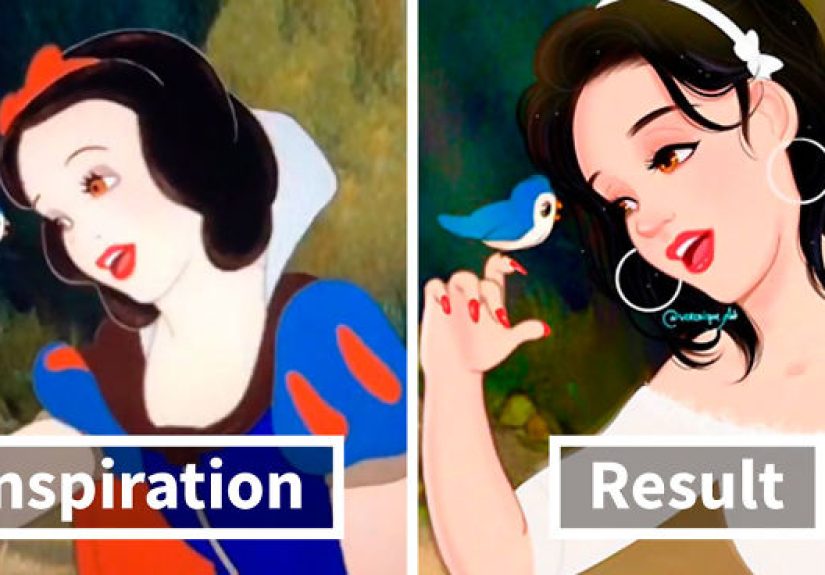
What audiences love most is not just the makeover itself. It is the interpretation. These modern Disney character redesigns often ask a bigger question: if these characters lived now, who would they actually be? What would they wear? What would they post? What job would they have? What parts of their original personality would stay the same, and what would look better after a little twenty-first-century common sense?
Why Modern Disney Reimaginings Keep Going Viral
The magic starts with a simple truth: Disney characters were always built to be iconic. From Snow White’s color-blocked dress to Belle’s bookish warmth, from Moana’s fearless determination to Tiana’s ambition, these characters are remembered through a blend of design, emotion, and story. That strong visual DNA makes them perfect raw material for reinterpretation.
But the viral part comes from the update. A modern redesign lets audiences see classic characters through today’s values, fashion, and cultural language. Suddenly, a fairy-tale heroine is not just waiting around inside a storybook frame. She is walking through a city, holding a coffee, running a business, leading a team, or showing up in streetwear that somehow communicates her entire personality in one glance. Fans respond because the artwork makes a familiar character feel reachable, contemporary, and weirdly real.
There is also a playful tension that makes these pieces irresistible. Disney is rooted in fantasy, while modern-day redesigns thrive on realism. Put the two together, and you get images that feel both dreamy and grounded. It is the visual equivalent of hearing a classical symphony remixed into a pop banger. The melody is still there, but now it has better shoes.
How Artists Turn Fairy-Tale Figures Into Present-Day Women And Men
1. They trade costumes for character-driven fashion
One of the smartest things fan artists do is move beyond literal costume swaps. The best modern Disney character art does not just throw Cinderella into jeans and call it a day. It studies the original character and translates her essence into modern style language. Belle becomes polished but effortless, someone who looks like she owns too many tote bags and has excellent opinions about novels. Jasmine often gets reworked into bold, luxe silhouettes that suggest confidence, independence, and zero interest in boring men. Moana’s redesigns usually keep movement, practicality, and a strong sense of identity front and center. Tiana tends to become the patron saint of ambition, elegance, and “I have goals, please do not waste my time.”
This is where modern Disney women and men start to feel less like cosplay and more like actual character design. The clothes are not random. They tell the story. A great redesign says, “You know exactly who this person is,” before the viewer even reads the caption.
2. They bring heroes into careers, cities, and everyday life
Some artists push the idea further by imagining what these characters would do in a real-world setting. That approach is especially effective because it transforms fantasy into identity. Instead of asking what a princess looks like in modern clothes, it asks what kind of woman she would become. In similar reinterpretation projects covered by U.S. media, artists have imagined Disney heroines as modern professionals with careers built around their personalities and core traits. It is a clever twist because it keeps the heart of the original character intact while upgrading the context.
That shift matters. The moment a princess becomes a chef, engineer, entrepreneur, activist, or creative professional, she stops being a distant symbol and starts looking like someone readers might actually know. Better yet, she starts looking like someone they might want to become.
3. They make fantasy more human
Another major branch of this trend leans into realism. Some artists create realistic portraits of Disney characters, while others insert them into everyday situations with funny, honest, or slightly chaotic outcomes. Suddenly, the polished perfection of animated fantasy gives way to weather, texture, expression, and the occasional harsh truth. Ariel might not look flawless after an ocean toss. A glamorous heroine might have a rough day. A villain might look terrifyingly believable in modern clothes. The more human the character feels, the stronger the reaction.
This human angle is why people love realistic Disney characters so much. It scratches the same itch as a live-action remake, but with more imagination and far less committee energy. Fan artists are often freer, sharper, and more experimental. They do not need a studio budget to make a point; they just need an iPad, a style, and the confidence to ask, “What if Prince Charming had a barber and emotional depth?”
4. They widen representation
Some of the most meaningful reinterpretations update more than fashion. They expand body diversity, social identity, and emotional realism. In related projects covered by U.S. outlets, artists have redrawn Disney-inspired characters with a wider range of body types, or used them to reflect current ideas about empowerment and social voice. That matters because the modern audience is not looking for one narrow version of beauty anymore. People want reimagined Disney characters who feel like actual people, not just polished relics from another era.
When artists make room for different shapes, different energies, different expressions of femininity and masculinity, the work becomes more than cute fan art. It becomes commentary. The message is simple: fairy tales are allowed to grow up, and so are the people who love them.
Why People Love These Reimagined Disney Characters So Much
Nostalgia is powerful, but nostalgia with a glow-up is unstoppable
Classic Disney stories live in cultural memory. People know the faces, the songs, the color palettes, and the emotional beats. A modern redesign gives fans the pleasure of recognition while still offering surprise. You know it is Cinderella, but now she looks like she could destroy you in an internship interview and still be polite about it. That tension between old and new is catnip for the internet.
The characters have evolved, and the art reflects that evolution
Disney heroines have changed over time. Earlier characters were often written through older gender expectations, while newer heroines are more independent, self-directed, and action-oriented. That broader shift is a huge reason modern reinterpretations feel natural instead of forced. Updating the visual language of these characters matches the way audiences already talk about them. Today’s fans are less interested in “Who saves her?” and more interested in “What drives her?” That makes modern Disney fan art feel like a continuation of the conversation, not a rebellion against it.
Fashion makes fantasy legible
Modern fashion is one of the easiest ways to translate fantasy into everyday culture. Red carpets, beauty trends, celebrity styling, and streetwear all pull from princess-coded imagery all the time. That means viewers are already trained to read a silhouette, color, or accessory as shorthand for identity. So when an artist redesigns a Disney heroine in contemporary style, the audience immediately gets the message. The shape of the jacket, the color story, the makeup, the jewelry, the hair: all of it acts like visual dialogue.
Fan art feels personal in a way official branding often does not
Official Disney imagery is polished, strategic, and designed for mass appeal. Fan art, on the other hand, feels intimate. It reflects taste, obsession, humor, and the specific quirks of the artist making it. That is why one reinterpretation might feel romantic, another rebellious, another hilarious, and another deeply thoughtful. Viewers are not just consuming a character; they are seeing a conversation between artist and icon. That human touch is hard to fake and even harder to ignore.
Examples Of What Modern Reimaginings Usually Get Right
The best versions of this trend understand that a redesign is not really about “updating” a character so much as revealing what was already there. Belle was always intelligent and curious, so modern art often pushes her toward academia, publishing, or creative independence. Tiana was already defined by work ethic and vision, so her modern redesigns naturally lean into entrepreneurship and culinary authority. Moana was already self-directed, brave, and connected to purpose, so she adapts beautifully into present-day imagery built around movement, leadership, and grounded confidence.
The same goes for male characters and villains. Modern-day Disney men often get redesigned with a little more psychological texture and a lot more style. Aladdin becomes a street-smart romantic with modern swagger. Prince figures get cleaner lines, sharper tailoring, and fewer “I wandered in from a horse-based monarchy” vibes. Villains may be the most fun of all. They translate beautifully into contemporary fashion because drama is timeless, and evil has always loved a good coat.
That is also why audiences appreciate artists who reimagine entire ensembles, not just princesses. When women, men, side characters, and villains all get modern reinterpretations, the Disney universe starts to feel less like a glass display case and more like a living cultural wardrobe. It becomes a world fans can walk into.
The Artistic Side Matters More Than People Think
There is a temptation to treat these viral redesigns as lightweight internet fun, but that undersells what makes them work. Disney’s visual history has always depended on strong art direction, stylization, and color storytelling. The studio’s classic legacy was shaped by artists and designers who understood that character design is emotional architecture. Modern fan artists, whether they are working in portraiture, collage, or digital illustration, are participating in that same tradition of translation.
That is part of the reason the trend feels so rich. It does not exist in a vacuum. It sits on top of decades of design language, evolving ideas about heroines and heroes, and a giant shared archive of visual memory. When an artist reimagines Disney characters as modern day women and men, they are not just making them trendy. They are proving that these characters are flexible enough to survive reinterpretation, which is usually the sign of strong original design in the first place.
What This Trend Says About Culture Right Now
The popularity of Disney character redesigns says something bigger than “people enjoy pretty art,” though that is also true and frankly a beautiful reason on its own. It suggests that audiences want familiar stories, but they want them filtered through current values. They want more agency, more style, more inclusiveness, more humor, and more self-awareness. They still love fairy tales, but they want fairy tales that know what year it is.
That is exactly why these images spread so quickly. They satisfy nostalgia without being trapped by it. They honor the original while gently correcting, expanding, or sharpening it. They let viewers keep the magic while updating the mindset. In internet terms, that is what we call a very good deal.
So yes, people love it when an artist reimagines Disney characters as modern day women and men. Of course they do. It is stylish, emotionally legible, instantly shareable, and full of that rare online electricity created when memory meets imagination. And if the result occasionally makes a cartoon prince look like he has a skincare routine, well, that is just the price of progress.
Experiences Related To “Artist Reimagines Disney Characters As Modern Day Women And Men, People Love It”
Part of what makes this trend so sticky is the experience people have while looking at it. It is rarely passive. A modern Disney redesign practically demands participation. Viewers do not just see the art; they start mentally casting it into real life. They decide which version of Belle would absolutely have a Substack. They argue whether Jasmine would run a luxury brand or a global nonprofit. They wonder if modern-day Hercules would still wear sandals or if that would finally be a human resources issue.
There is also the strangely emotional experience of recognition. A lot of fans grew up with these characters, but not all of them saw themselves fully reflected in older animated templates. Modern reinterpretations can close that gap. When an artist broadens body types, adjusts styling, changes attitude, or gives a character a more contemporary edge, the viewer often feels a little jolt of relief. The image says, “This story still belongs to you, but now it looks more like the world you actually live in.”
Another common experience is how quickly these images become social. Nobody keeps a good redesign to themselves. They get dropped into group chats with captions like, “This is literally you,” or “Tell me why modern Aurora looks like your cousin who works in branding.” The art becomes a language for friendship, taste, and playful identity. People use it to compare aesthetics, personalities, and favorite characters, which turns fan art into a kind of pop-culture mirror.
Then there is the fashion experience, which is real and powerful. Many viewers do not even realize how much of their love for these images comes from the styling until they catch themselves thinking, “Wait, I would wear that.” That moment matters. It is where fantasy stops being distant and starts becoming aspirational. The redesign is no longer just a drawing of a character. It becomes an outfit idea, a beauty reference, a mood board, or an energy. The viewer is not simply admiring the art anymore. They are borrowing from it.
For some people, the experience is deeper than style. It is about maturity. Seeing Disney characters reimagined as adults in today’s world can feel like a way of revisiting childhood through an adult lens. The stories are still there, but the emphasis changes. Instead of focusing on romance alone, viewers start noticing resilience, ambition, humor, identity, and self-definition. A character they once loved for being pretty or brave suddenly becomes interesting for being strategic, independent, overworked, sharp-tongued, or emotionally complex. The redesign does not erase childhood affection. It upgrades it.
That is why this trend keeps landing. It creates a layered experience all at once: nostalgia, humor, style, self-recognition, and cultural commentary. It lets people revisit old favorites without feeling childish, and it lets artists say something new without discarding what made the originals beloved. In the end, modern Disney character art is not just popular because it looks good on a screen. It is popular because it gives people a chance to re-enter familiar stories as the people they are now, not just the kids they used to be. That is a powerful kind of magic, even before the comments section starts yelling about how good modern-day Tiana looks in tailored green.