Table of Contents >> Show >> Hide
- What Kind of Ham Are You Cooking?
- Holiday Ham Game Plan (Tools + Timeline)
- How Much Ham Per Person?
- Step-by-Step: Classic Oven-Baked Holiday Ham
- Step 1: Preheat and position
- Step 2: Prep the ham (and decide whether to score)
- Step 3: Set up the roasting pan for moisture
- Step 4: Cover tightly and heat low and slow
- Step 5: Cook time guide (use it as a map, not a prophecy)
- Common timing ranges at 325°F
- Step 6: Target internal temperature (the “don’t guess” moment)
- Glaze Like a Pro (Without Burning the Sugars)
- How to Keep Ham Juicy (Especially Spiral Ham)
- Carving and Serving (Make It Look Effortless)
- Leftovers, Storage, and Safety (Because You’ll Have Some)
- Quick Troubleshooting (Holiday Edition)
- Conclusion: The Classic Holiday Ham Formula
- of “Holiday Ham” Experiences (So You Don’t Have to Learn the Hard Way)
- SEO Tags
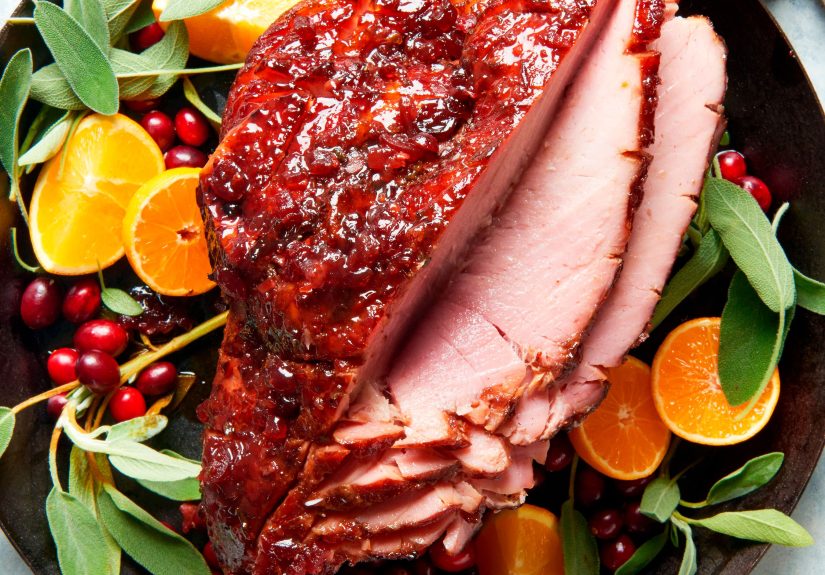
Ham is the holiday main dish that shows up dressed for the occasion, tastes like it tried, and still gives you leftovers that basically qualify as a second holiday. The best part? Most “holiday hams” are already fully cookedyour job is to reheat it gently, add a shiny glaze, and look like you’ve been practicing your grand-feast skills in secret.
This guide walks you through picking the right ham, nailing the timing, keeping it juicy (even if it’s spiral-sliced), and glazing it without turning the sugars into a campfire story. You’ll also get carving tips, serving ideas, and a realistic plan for leftoversbecause “I’ll just eyeball it” is how holiday dinners end up at 9:43 p.m.
What Kind of Ham Are You Cooking?
Before you preheat the oven and start feeling powerful, read the label. The cooking method depends on whether the ham is ready-to-eat (fully cooked) or cook-before-eating (needs full cooking).
1) City ham (most common holiday ham)
This is the classic supermarket ham: cured (often smoked), usually labeled “fully cooked,” “ready to eat,” or “ready to serve.” You’re reheating it, not cooking it from raw. It’s the holiday dinner equivalent of “show up and be charming.”
2) Spiral-sliced ham
Spiral ham is a city ham that’s been pre-sliced in a continuous spiral. It’s insanely easy to servebut it can dry out faster if you blast it uncovered. We’ll use moisture insurance (foil + a little liquid + gentle heat).
3) Fresh ham (raw, uncured)
Fresh ham is basically a pork roast (uncured). Delicious, but it’s a different project: longer cook, different flavor profile, no “already smoked holiday magic” built in.
4) Country ham (dry-cured, very salty)
Country ham is intense, salty, and traditional in many Southern holiday spreads. It often needs soaking and specific handling. If your ham came with instructions that sound like a survival manual, it might be country ham.
Holiday Ham Game Plan (Tools + Timeline)
What you’ll need
- Roasting pan (with a rack if you have one)
- Heavy-duty foil (the “armor” of juicy ham)
- Instant-read thermometer (your most important ingredient)
- Small saucepan for glaze
- Sharp carving knife + carving fork/tongs
Smart timeline
- 1–2 days ahead: If frozen, thaw in the fridge (never on the counter).
- Morning of: Make glaze; prep serving platter; plan oven space.
- 2–4 hours before dinner: Bake/heat ham.
- Last 30–60 minutes: Glaze and caramelize.
- Rest 15–20 minutes: Then carve and serve.
How Much Ham Per Person?
The short answer: it depends on your crowd’s relationship with leftovers.
- Bone-in ham: plan about 3/4 lb per person (bone adds weight).
- Boneless ham: plan about 1/2 lb per person.
- Big leftover energy: bump it up a little (future-you will write you a thank-you note in sandwich form).
Step-by-Step: Classic Oven-Baked Holiday Ham
Step 1: Preheat and position
Set the oven to 325°F. This is the sweet spot for gentle reheating and even warmthespecially for fully cooked hams. Place an oven rack in the lower third so the ham isn’t crowding the top heat.
Step 2: Prep the ham (and decide whether to score)
Remove packaging, including any plastic disk, “pop-up timer,” or mystery insert. Pat the exterior dry with paper towels.
Scoring (optional but classic): If your ham has a thick fat cap, score it in a shallow diamond pattern (about 1/4-inch deep). This helps fat render and gives glaze lots of edges to cling to. If it’s spiral-sliced, go easydeep scoring can encourage slices to separate.
Cloves (optional, old-school): You can stud cloves at diamond intersections for that vintage holiday aroma. Use a light hand: cloves are powerful, like perfume for meat.
Step 3: Set up the roasting pan for moisture
Place the ham on a rack in a roasting pan. If you don’t have a rack, you can set the ham on a bed of halved onions or thick orange slices to lift it slightly (plus: built-in aromatics).
Add 1/2 to 1 cup water, apple cider, ginger ale, or broth to the bottom of the pan. The goal isn’t to boil the hamit’s to create a gentle, steamy environment so the surface doesn’t dry out.
Step 4: Cover tightly and heat low and slow
Cover the pan tightly with foil. This is the difference between “juicy slices” and “why is my ham texting me for lip balm?” Heat until it’s warmed through.
Step 5: Cook time guide (use it as a map, not a prophecy)
Cooking time varies based on shape, bone, how cold the ham is going into the oven, and how your oven behaves when nobody’s watching. Use a thermometer to decide when you’re done.
Common timing ranges at 325°F
- Fully cooked bone-in half ham (5–7 lb): about 18–24 min/lb
- Fully cooked bone-in whole ham (10–14 lb): about 15–18 min/lb
- Fully cooked boneless ham: often 10–18 min/lb depending on size and packaging
- Spiral-sliced ham: usually 10–18 min/lb (keep it covered to prevent drying)
Example: A 10-pound bone-in fully cooked ham at 325°F might take roughly 2.5 to 3 hours to warm throughthen you’ll glaze near the end.
Step 6: Target internal temperature (the “don’t guess” moment)
Insert a thermometer into the thickest part of the ham, avoiding bone. Your target depends on the ham type:
- Fully cooked / ready-to-eat ham: heat until about 140°F for ham packaged in USDA-inspected plants (typical for most store-bought hams).
- If the ham was repackaged or not from a USDA-inspected plant: reheat to 165°F.
- Cook-before-eating or raw ham: cook to at least 145°F and rest at least 3 minutes.
If that feels confusing, here’s the practical version: most holiday hams are fully cooked and you’re heating to 140°F. If you’re unsure, follow the package instructions and prioritize thermometer readings.
Glaze Like a Pro (Without Burning the Sugars)
Glaze is the holiday suit your ham puts on at the end: shiny, sweet-savory, and ready for photos. The trick is timing. Add glaze too early and sugars can burn; add it too late and it tastes like you waved a sweet idea at the ham from across the room.
When to glaze
Apply glaze during the final 30 to 60 minutes of heating. That window gives you caramelization without turning your glaze into a bitter shellac.
Classic brown sugar–mustard glaze (crowd-pleaser)
In a small saucepan, warm until smooth:
- 1 cup brown sugar
- 1/2 cup maple syrup or honey
- 2–3 tbsp Dijon (or spicy brown) mustard
- 1–2 tbsp apple cider vinegar or orange juice
- Optional: pinch of cinnamon, cloves, or cayenne
Glazing method
- When the ham is within about 20°F of your target internal temp, remove foil.
- Brush on a layer of glaze.
- Return ham to oven uncovered for 10–15 minutes.
- Brush again every 10–15 minutes for a glossy, sticky exterior.
- If you want more caramelization, increase oven temp to 400–425°F for the last 5–10 minuteswatch closely.
Pro move: If the glaze starts browning too fast, loosely tent with foil. You’re looking for “caramelized,” not “campfire.”
How to Keep Ham Juicy (Especially Spiral Ham)
Moisture rules
- Keep it covered for most of the bake.
- Add liquid to the pan (water, cider, broth).
- Don’t overheatspiral ham dries out faster.
- Rest before carving so juices redistribute.
Spiral ham is already sliced, which means more exposed surface area. Think of foil as a cozy blanket and the pan liquid as a humidifier. Together, they make the ham feel like it’s at a spa, not in an oven.
Carving and Serving (Make It Look Effortless)
Rest first
Rest the ham 15–20 minutes after baking. This helps the slices stay juicy and makes carving less messy.
Carving a bone-in ham
- Place ham on a stable cutting board.
- Slice down to the bone to release large sections.
- Cut slices across the grain for tenderness.
- For a shank portion, slice around the bone and then cut strips.
Serving ideas for a classic holiday table
- Buttery dinner rolls or biscuits
- Sharp mustard, chutney, or cranberry relish
- Scalloped potatoes, mac and cheese, or sweet potato casserole
- Green beans, roasted Brussels sprouts, or a bright citrus salad
Leftovers, Storage, and Safety (Because You’ll Have Some)
Ham leftovers are basically a culinary gift card. Store them properly so the gift doesn’t expire immediately.
- Refrigerate leftover sliced/spiral ham for about 3–5 days.
- Freeze for longer storage (wrap tightly; label it so it doesn’t become “mystery meat, 2024”).
- Reheat leftovers to 165°F for food safety.
Favorite leftover moves
- Ham and cheese sliders (bonus points for buttery tops)
- Split pea soup or bean soup
- Breakfast hash with potatoes and eggs
- Quiche, frittata, or breakfast casserole
- Classic ham sandwich with pickles and mustard
Quick Troubleshooting (Holiday Edition)
“My ham is drying out!”
Wrap tightly with foil, add a splash more liquid to the pan, and stop chasing higher temperatures. Moisture + gentle heat is the fix.
“My glaze is burning.”
Tent with foil and lower the oven temp. Glaze later next time, and consider thinning with a little juice or water so it brushes on evenly.
“The timing is off and guests are hungry.”
Slice off a few portions and warm them in a covered skillet with a tablespoon of water or broth. Serve a “starter plate” and buy yourself time like a holiday magician.
Conclusion: The Classic Holiday Ham Formula
Here’s the formula that works year after year: choose the right ham, heat it gently at 325°F, use a thermometer, and glaze near the end. You’ll get a juicy, impressive centerpiece that tastes like the holidayswithout spending the whole day stress-basting like it’s an Olympic event.
And remember: the real win isn’t just the ham. It’s the next-day breakfast sandwich that makes you whisper, “We should do holidays more often.”
of “Holiday Ham” Experiences (So You Don’t Have to Learn the Hard Way)
If you’ve ever cooked a holiday ham, you know it’s less “recipe” and more “event.” The ham is the headliner, sure, but the real show is everything happening around it: the oven traffic jam, the last-minute guest count changes, and the tiny voice in your head asking whether you remembered to remove the plastic disk (you did… right?).
One of the most common holiday ham experiences is the thawing illusion. Someone will say, “It’ll thaw overnight,” and everyone will nod like that’s a law of physics. Then the next morning you’re holding a ham that’s still partially frozen in the middle like a pork iceberg. The fix is planning: thaw in the fridge with time to spare, and if you’re behind schedule, start earlier at 325°F with foil and liquid in the pan. A slightly longer, gentler reheat beats “crank the oven to 450°F and hope.”
Then there’s the glaze drama. Glaze is sweet, and sweet things burn when ignored for even one commercial break. Many home cooks learn the hard way that glaze belongs near the endwhen the ham is almost warmed throughso the sugars can caramelize without turning bitter. The good news is that once you adopt the “final 30–60 minutes” rule, glazing becomes fun: brush, bake, brush again, and watch the ham turn shiny like it just got a holiday bonus. It’s oddly satisfying, like painting a fence, except the fence is delicious.
Spiral ham brings its own personality. The first time you make one, you might think, “It’s already slicedthis will be easy.” It is easy… and also a little thirsty. Spiral slices expose more surface area, so they lose moisture faster. Many kitchens discover the magic trio: foil, a little pan liquid, and a thermometer. Once you keep it covered and stop over-heating, spiral ham goes from “a bit dry” to “why didn’t we do this sooner?”
Another classic experience is the carving confidence curve. At some point, someone will hand you a knife like you’re the official Ham Captain. The trick is not rushing. Rest the ham, cut cleanly to the bone, and slice across the grain. If the slices look a little rustic, don’t panic: nobody at a holiday table has ever said, “I love this ham, but the geometry is disappointing.”
Finally, the best part: leftovers. The holiday ham experience doesn’t end at dinnerit just changes outfits. Next-day sandwiches, soup, breakfast hash, omelets… leftover ham is how you turn one celebration into several cozy meals. If you store it promptly and reheat leftovers safely, ham becomes the rare holiday dish that keeps giving without requiring another full day of cooking. And that, honestly, is the kind of tradition worth keeping.