Table of Contents >> Show >> Hide
- What Is Round Steak, Exactly?
- 1. Pound It: The Fastest Way to Tenderize Round Steak
- 2. Marinate It: Add Flavor and Help the Texture
- 3. Braise It: The Best Method for Fork-Tender Results
- 4. Salt It Smart, Cook It Correctly, and Slice Against the Grain
- Common Mistakes That Make Round Steak Tough
- Which Method Should You Choose?
- Final Thoughts
- Kitchen Experiences: What I Learned From Cooking Round Steak the Wrong Way First
- SEO Tags
Round steak has a reputation. Unfortunately, that reputation is usually something like, “Great flavor, but why does it chew like a gym shoe?” That sounds harsh, but round steak really is one of those cuts that rewards good technique and punishes laziness. The upside is that it is affordable, lean, widely available, and packed with beefy flavor. The downside is that it comes from a hardworking part of the cow, so it is naturally less tender than ribeye, strip steak, or tenderloin.
The good news is that round steak is not doomed. Not even close. Once you know how to handle it, this budget-friendly cut can turn into a weeknight hero. You can pound it thin for fast cooking, marinate it for extra flavor and tenderness, braise it until it surrenders, or season and slice it strategically so every bite feels more tender than the price tag suggests. In other words, round steak is not difficult. It is just picky. Like a cat. But with gravy potential.
In this guide, you will learn the four best ways to make round steak tender, when to use each method, and how to avoid the classic mistakes that make this cut tough, dry, or weirdly exhausting to chew.
What Is Round Steak, Exactly?
Round steak comes from the rear leg and rump area, which means it is lean, muscular, and full of flavor. Common variations include top round steak, bottom round steak, and eye of round. Because these muscles do a lot of work, the meat contains long muscle fibers and connective tissue that need some help before they become dinner-table friendly.
That is why round steak does best with one of two general strategies: either physically or chemically tenderize it and cook it quickly, or cook it low and slow until the connective tissue softens. Try to treat it like a premium grilling steak without any prep, and it may remind you that optimism is not a cooking method.
1. Pound It: The Fastest Way to Tenderize Round Steak
If you want tender round steak in a hurry, mechanical tenderizing is your best friend. This means using a meat mallet, tenderizer, or even a heavy skillet to break down tough muscle fibers before cooking. It is simple, effective, and especially useful for recipes like chicken-fried steak, Swiss steak, steak sandwiches, or thin-cut steak with onions and peppers.
Why pounding works
Pounding physically disrupts the muscle fibers and connective tissue. It also evens out the thickness of the meat so it cooks more uniformly. That means fewer dry edges, fewer undercooked patches, and far less chewing drama.
How to do it right
Place the round steak between two sheets of plastic wrap, parchment paper, or inside a sturdy zip-top bag. Use the textured side of a meat mallet to pound the steak evenly. You are not trying to send it into another dimension. Just flatten it to an even thickness, usually about 1/4 to 1/2 inch, depending on the recipe.
Once it is tenderized, season it well and cook it quickly over medium-high to high heat. Thin round steak can become dry fast, so this is not the moment for daydreaming. A couple of minutes per side may be all it needs.
Best uses for pounded round steak
- Chicken-fried steak
- Country-style steak with gravy
- Steak sandwiches
- Milanesa-style beef
- Quick skillet steak for tacos or rice bowls
Pro tip: If you see cube steak at the store, that is often round steak that has already been mechanically tenderized. Convenient, budget-friendly, and one less excuse to avoid making dinner.
2. Marinate It: Add Flavor and Help the Texture
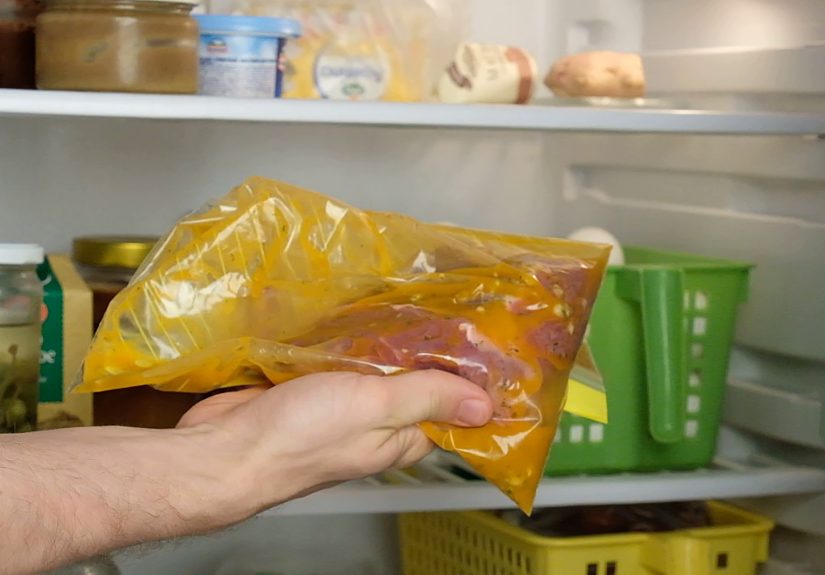
Marinating is one of the most popular ways to make round steak more tender, and for good reason. A good marinade brings flavor to a lean cut and can improve the surface texture enough to make the steak feel noticeably less tough. It is especially useful for top round steak and other lean round cuts that you plan to grill, broil, or pan-sear.
What makes a marinade effective?
The best steak marinades usually include a mix of:
- Acid, such as vinegar, lemon juice, lime juice, or wine
- Salt or salty ingredients like soy sauce or Worcestershire sauce
- Fat, such as olive oil
- Aromatics, like garlic, onion, herbs, ginger, or mustard
The acid and salt help with tenderness and seasoning, while the fat and aromatics keep the flavor from tasting flat. A marinade will not magically transform round steak into filet mignon, but it absolutely improves both flavor and bite when used properly.
How long should you marinate round steak?
For most round steak recipes, aim for at least a few hours and up to overnight in the refrigerator. Thin pieces may need less time, while thicker steaks benefit from a longer soak. Too short, and the marinade barely does anything. Too long, especially with very acidic mixtures, and the surface can get mushy in an unpleasant science-project kind of way.
A simple round steak marinade idea
Try a combination of olive oil, soy sauce, garlic, Worcestershire sauce, black pepper, and a splash of red wine vinegar or lemon juice. It is easy, balanced, and works with grilled or broiled steak. After marinating, pat the steak dry before cooking so it sears instead of steams.
Pro tip: Marinated round steak is best when cooked no further than necessary and then sliced thinly against the grain. That last step matters more than many people realize.
3. Braise It: The Best Method for Fork-Tender Results
If you want truly tender round steak, braising is the heavyweight champion. This is the low-and-slow method that turns stubborn beef into something rich, savory, and deeply comforting. It is the reason dishes like Swiss steak, smothered steak, and old-fashioned beef-and-gravy recipes have survived generation after generation.
Why braising works so well
Round steak contains connective tissue and collagen that do not respond kindly to rushed cooking. But when you cook the meat slowly in a covered pan with a little liquid, time becomes your ally. The collagen gradually softens, the fibers loosen, and the meat becomes tender enough to cut with a fork instead of a pep talk.
How to braise round steak
- Season the steak with salt and pepper.
- Lightly dredge in flour if you want a thicker sauce later.
- Brown the meat in a hot skillet or Dutch oven.
- Add onions, garlic, broth, tomatoes, mushroom gravy, or another flavorful liquid.
- Cover tightly and cook on low heat, either on the stovetop, in the oven, or in a slow cooker, until tender.
The exact timing depends on thickness and method, but the rule is simple: do not stop when the meat is merely cooked. Stop when it is tender. Those are not the same thing.
Great braising flavor combinations
- Beef broth, onions, and mushrooms
- Tomatoes, peppers, and garlic
- Red wine, thyme, and shallots
- Brown gravy with onion soup mix for a nostalgic comfort-food version
Braising is ideal for bottom round steak and other tougher cuts that would otherwise fight back on the plate. It is also one of the most forgiving methods for home cooks, because once the pot is covered, you mostly let time do the heavy lifting.
4. Salt It Smart, Cook It Correctly, and Slice Against the Grain
This last method is really a trio of small techniques that make a big difference: pre-salting, proper cooking, and slicing against the grain. None of these steps are flashy. None will get you a cooking show theme song. But together, they can noticeably improve the tenderness of round steak, especially if you are grilling, broiling, or pan-searing it.
Start with salt
Salting the steak ahead of time helps the meat hold onto moisture better and improves seasoning throughout the surface. If you have the time, salt the round steak at least 40 minutes before cooking, or even overnight in the refrigerator. If you forgot, salt it right before it hits the pan or grill. The awkward middle zone is less helpful.
Cook for the cut, not your ego
Thin or tenderized round steak does best with quick cooking over higher heat. Thicker marinated steaks can be grilled or broiled, but they still should not be overcooked. For food safety, whole cuts of beef should reach a minimum internal temperature of 145°F and then rest before serving. Use a thermometer. Guessing is fun for lottery tickets, not for lean beef.
If the steak is still tough after a quick-cook method, that usually means one of two things happened: it was overcooked, or it was never tenderized enough in the first place. Round steak is delicious, but it is not especially forgiving.
Always slice against the grain
This may be the most underrated trick in the whole article. The “grain” is the direction the muscle fibers run. If you slice parallel to those fibers, you keep them long and chewy. If you slice against the grain, you shorten the fibers and make each bite easier to chew.
For grilled or broiled round steak, this step is essential. Cut the steak into thin slices, ideally on a slight diagonal, and serve it over mashed potatoes, rice, salad, noodles, or in sandwiches. The same meat that felt tough in thick slabs can feel surprisingly tender once sliced correctly.
Common Mistakes That Make Round Steak Tough
- Skipping tenderizing entirely: Round steak usually needs help before cooking.
- Overcooking on dry heat: Lean beef dries out fast.
- Not slicing against the grain: This one mistake can undo your hard work.
- Using too little seasoning: Lean cuts need flavor support.
- Expecting ribeye behavior from a budget cut: Different steak, different rules.
Which Method Should You Choose?
Choose your method based on the dish you want to make.
- Pound it for quick skillet meals, sandwiches, or fried steak.
- Marinate it for grilling, broiling, or pan-searing.
- Braise it for the most reliable fork-tender results.
- Salt, cook carefully, and slice against the grain for the final polish that makes everything else work better.
In practice, the best results often come from combining methods. For example, you might marinate a top round steak, grill it quickly, rest it, and then slice it thinly against the grain. Or you might pound round steak lightly before braising it in onion gravy. Round steak loves teamwork.
Final Thoughts
Round steak is proof that great cooking is not always about buying the fanciest cut. Sometimes it is about understanding what a cut needs and giving it exactly that. This hardworking piece of beef can be tender, flavorful, and deeply satisfying when you use the right approach.
If you remember just one thing, let it be this: round steak gets tender through technique, not luck. Pound it when you need speed, marinate it when you want extra flavor, braise it when you want comfort-food magic, and always slice it against the grain like you mean it. Do that, and round steak stops being the cheap cut you tolerate and becomes the smart cut you crave.
Kitchen Experiences: What I Learned From Cooking Round Steak the Wrong Way First
The funniest thing about round steak is that it teaches humility faster than almost any other cut of beef. The first time I cooked it, I treated it like a strip steak. I seasoned it, tossed it into a hot skillet, and expected applause. What I got instead was a dinner that required determination, hydration, and a level of jaw exercise usually associated with chewing gum during a stressful airport delay. The flavor was great, but tenderness was absolutely not part of the evening.
That failure turned out to be useful. Once I started experimenting, round steak became one of the most educational cuts in my kitchen. I learned that a meat mallet is not some old-fashioned gadget gathering dust in the back of a drawer. It is a shortcut to sanity. I learned that a marinade does not need to be fancy to be effective. Soy sauce, garlic, oil, and a splash of acid can do a lot of heavy lifting. Most of all, I learned that slicing against the grain is not optional advice tucked into the end of a recipe. It is the difference between “surprisingly tender” and “why are we all still chewing?”
Braising was the real breakthrough. Once I started making round steak with onions, broth, and a covered pot, everything changed. The house smelled incredible, the sauce tasted rich, and the meat actually relaxed. That is the best word for it. It stopped fighting. Instead of trying to prove a point on the plate, it became soft enough to cut with a fork and hearty enough to feel like proper comfort food. It was the kind of meal that makes mashed potatoes seem less like a side dish and more like a necessary life decision.
I also found that round steak is especially good for practical cooks. It rewards planning, not extravagance. If you remember to salt it ahead of time, marinate it before work, or let it braise while you do literally anything else, it pays you back. It is a cut that fits real kitchens, real budgets, and real weeknights. It is not glamorous, but it is dependable once you understand its personality.
These days, I think of round steak as a “method cut.” It reminds me that technique matters. You do not need a luxury ingredient to make a satisfying dinner. You need to know whether your steak wants a mallet, a marinade, a Dutch oven, or a sharp knife at the end. Once you know that, round steak becomes far less intimidating and a lot more delicious. It may never have the effortless tenderness of a ribeye, but honestly, that is part of its charm. When round steak turns out tender, it feels earned. And somehow, earned dinners always taste a little better.