Table of Contents >> Show >> Hide
- Why Mogensen Cabinets Still Feel So Modern
- What Makes a Mogensen Teak Cabinet Special?
- A Quick Tour of Iconic Mogensen Cabinet Types
- How to Identify a Real Mogensen Teak Cabinet (Without Becoming a Full-Time Detective)
- How to Use a Mogensen Teak Cabinet in a Real Home
- Teak Cabinet Care: Keep It Beautiful Without Overthinking It
- Buying Advice: What to Look For (and What to Avoid)
- Why This Cabinet Is Worth the Hype
- Real-World Experiences With Børge Mogensen’s Teak Cabinets (The Extra, Lived-In )
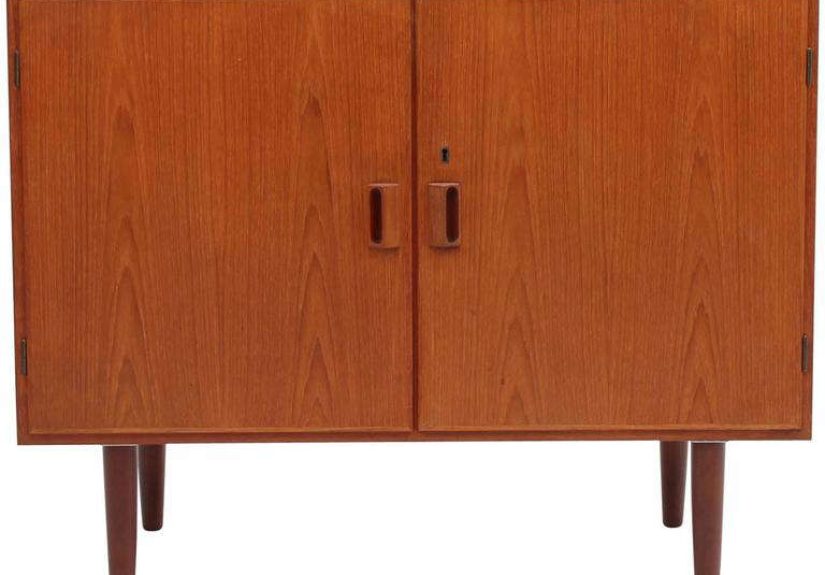
Some furniture announces itself like a marching band. A Børge Mogensen teak cabinet does the opposite: it shows up, does its job flawlessly, and somehow makes the whole room feel more put-togetherlike it quietly paid your electric bill and refilled your coffee while you weren’t looking.
“Teak cabinet” might sound like a generic label, but in Mogensen’s world it’s practically a personality type: honest materials, practical storage, calm proportions, and details that reward you the more you live with them. This isn’t storage that begs for applause. It’s storage that earns trust.
Why Mogensen Cabinets Still Feel So Modern
Børge Mogensen (1914–1972) is one of the key names associated with Danish Modernan approach that prized clarity, comfort, and the kind of construction that doesn’t panic when real life happens. The “Mogensen look” is often described as simple, but it’s a loaded kind of simple: the design is stripped down because the function is fully thought through.
A cabinet is a perfect Mogensen object because it’s basically a lifestyle test. A good cabinet has to handle clutter, protect what matters, and make daily routines easier. Mogensen cabinets typically do all of that without turning your room into a showroom. They’re not trying to “trend.” They’re trying to last.
What Makes a Mogensen Teak Cabinet Special?
1) Teak that looks better with age
Teak became a midcentury favorite for a reason: it’s warm, stable, and visually forgiving. The grain adds movement without feeling busy, and the color reads as “inviting” even in minimalist rooms. Over time, teak develops a soft patina that makes a vintage cabinet feel less like a purchase and more like a relationship (the healthy kindlow drama, high support).
2) Storage that behaves like it was designed by an adult
Mogensen cabinets often include adjustable shelves, pull-out trays, and interior organizers that can be rearranged as your needs change. That flexibility is the difference between “pretty furniture” and “furniture that makes your day smoother.”
3) Hardware that’s subtle but smart
Brass details show up oftenhinges, pulls, and locksadding a small, warm contrast against teak. It’s not flashy; it’s functional jewelry. And it tends to age gracefully, too (unlike that phone case you loved for two weeks and now refuse to make eye contact with).
A Quick Tour of Iconic Mogensen Cabinet Types
There isn’t just one “Børge Mogensen teak cabinet.” There are several cabinet families and models that collectors and design fans hunt foreach with its own personality. Two names come up again and again: the FDB model 232 cabinets and the BM57 series.
Model 232 (FDB): The Cabinet That Treats Storage Like Engineering
If you’ve ever opened a cabinet and thought, “Why is this shelf spacing so irrational?”, the FDB model 232 is your cure. This cabinet is known in auction and collector circles for its organized interior: configurations commonly include adjustable shelving and multiple adjustable drawers or trays that can be arranged in different ways.
Many documented examples reference production for FDB Møbler and a manufacturer stamp on the reverse with the model number (variations of “232” and “FDB” appear in catalog descriptions). In some listings, the original keys aren’t just keysthere are versions described where the keys also function as door pulls/handles, which is a classic Danish Modern move: reduce the parts, simplify the silhouette, keep the function.
Dimensions vary by listing and edition, but model 232 is frequently cataloged around 48 inches wide, about 36 inches tall, and roughly 18 inches deepbig enough to be substantial, not so big it takes over the room. Materials are often described as combinations of teak, oak, brass, and in some catalogs oak/brassone reason it’s smart to check the specific listing, stamp, and construction details when you’re evaluating a piece.
BM57: The “Looks Simple, Holds Everything” Cabinet
BM57 pieces show up as cabinets, sideboards, and credenzas in the vintage market, and they’re often associated with cabinetmaker P. Lauritsen & Søn. A recurring detail in descriptions is folding doors and brass hardware/hinges, with dimensions that often land in the mid-50-inch width range and a height around the mid-30sproportions that work beautifully as dining storage, a media cabinet, or a “grown-up console” in a living room.
Here’s a practical note that matters in the real world: not every piece is clearly stamped or labeled. Some marketplace listings explicitly warn that an item may have no attribution mark and relies on documented design history and comparison. That doesn’t automatically mean it’s wrongbut it does mean you should buy with eyes open and ask for the best available documentation.
How to Identify a Real Mogensen Teak Cabinet (Without Becoming a Full-Time Detective)
Check for stamps, labels, and maker marks
Many authenticated listings reference stamps or marks on the reverse panel, inside the case, or on the hardware. For FDB-related cabinets, model numbers and FDB references are commonly mentioned in catalog descriptions. For BM57, you’ll often see references to P. Lauritsen & Søn as the maker in marketplace documentation.
Study the construction details
Mogensen pieces tend to show disciplined craftsmanship: clean joinery, well-fitted doors, drawers that glide smoothly, and hardware that feels purposeful. Look for interior components that appear thoughtfully engineered (adjustable trays, shelves, and compartment layouts) rather than randomly arranged.
Be honest about restoration
Vintage teak cabinets are often refinishedand refinishing isn’t automatically a bad word. A careful refinish can protect the wood and make the piece usable for decades. But heavy sanding can soften crisp edges, blur veneers, and erase subtle design intentions. If you’re shopping online, ask for close-ups of corners, door edges, and the top surface (the top is where life happens: cups, keys, mail, andmysteriouslycrumbs).
Know when “teak” is teak veneer
Many midcentury Danish pieces use teak veneer over stable substrates, with solid teak or solid hardwood used strategically (legs, frames, edges). Veneer is not a downgradeit’s a classic, smart construction methodunless it’s damaged or repaired badly. Look for lifting veneer, bubbling, or mismatched patchwork.
How to Use a Mogensen Teak Cabinet in a Real Home
The best compliment to a Mogensen cabinet is that it can adapt without losing its dignity. Here are a few practical, specific ways people use these cabinets today:
- Dining room workhorse: Store linens, serving pieces, and the “special occasion” dishes that you swear you use more than twice a year.
- Living room calm-maker: Hide chargers, remotes, board games, and anything else that loves to visually shout.
- Home office helper: Use interior trays/drawers for stationery, documents, and tech accessoriesespecially if the cabinet includes adjustable compartments.
- Entryway anchor: A cabinet near the door can become a landing strip for keys, bags, and mailwithout making your entrance feel like a shipping warehouse.
- Media cabinet (with respect): If you use it for electronics, manage ventilation and cable routing thoughtfully so the cabinet stays pristine and practical.
Teak Cabinet Care: Keep It Beautiful Without Overthinking It
The secret to maintaining a vintage teak cabinet is consistency, not intensity. You don’t need an elaborate ritualjust a few good habits.
Routine cleaning
- Dust regularly: Use a soft microfiber cloth so you’re removing dust instead of pushing it around.
- Go lightly with moisture: If you need a deeper clean, use a slightly damp cloth with mild soap, and don’t let water sit on the surface. Dry thoroughly right after.
- Avoid harsh cleaners: Strong chemicals and abrasives can damage finishes and leave a dull, uneven appearance.
Oiled vs. lacquered finishes (and the “should I oil it?” question)
Some teak furniture is maintained as an oiled finish; some is lacquered or sealed. If your cabinet has an oiled finish, periodic oiling can help restore that soft, matte glowespecially when the wood looks dry. Some furniture restorers suggest oiling once or twice a year after the piece has stabilized in your home environment.
But don’t treat teak oil like hot saucemore is not always better. Also, guidance differs between indoor and outdoor teak: some care resources specifically note oiling can make sense indoors, while warning against oiling outdoor teak because it can lead to problems over time. Since a Mogensen cabinet is typically an indoor piece, focus on the finish you have and follow a conservative, test-first approach.
Protect the “high-risk zones”
Tops and door fronts take the most wear. Use coasters, felt pads under lamps or objects, and avoid placing hot items directly on the surface. If you love the cabinet, don’t punish it with a mug you just microwaved into the danger zone.
Buying Advice: What to Look For (and What to Avoid)
Shopping for a Børge Mogensen teak cabinetespecially vintagecan be thrilling and slightly chaotic. Here’s how to keep it fun and avoid regret.
Green flags
- Clear photos of the back, interior, and hardware
- Documented maker/model references (especially for well-known models like 232 and BM57)
- Smooth door alignment and consistent veneer tone
- Original keys/hardware included (when applicable)
Yellow flags (ask questions)
- “Attributed to” with no supporting details
- Refinished, but no explanation of what was done
- Visible veneer repairs without close-up images
Red flags
- Swollen panels or black water stains that suggest prolonged moisture exposure
- Heavy sanding that rounded crisp edges and softened the geometry
- Hardware replaced with mismatched parts that change how doors/drawers function
One more practical note: some vintage woods (especially rosewood) can involve trade/shipping restrictions, paperwork, or limits depending on where the piece is going. Even when you’re focused on a teak cabinet, you’ll sometimes see closely related Mogensen listings in other woodsso it’s worth understanding what you’re actually buying if shipping or exporting is involved.
Why This Cabinet Is Worth the Hype
A Mogensen teak cabinet isn’t just “mid-century modern storage.” It’s a design approach you can live with: honest materials, calm lines, and organization that doesn’t require you to become a minimalist monk. It holds your life without looking like it’s trying to hold your life.
If you’re choosing one great piece of midcentury Danish furniture to invest in, a Mogensen cabinet is a strong candidatebecause you’ll use it every single day. And the best design is the kind that makes everyday life feel easier (and slightly more stylish) without demanding constant attention.
Real-World Experiences With Børge Mogensen’s Teak Cabinets (The Extra, Lived-In )
People who bring home a Mogensen teak cabinet often describe the same first-week phenomenon: suddenly, the room looks “finished,” and they’re not entirely sure why. The cabinet doesn’t scream for attention, but it quietly upgrades everything around it. A lamp looks more intentional. A stack of books looks curated instead of abandoned. Even the mess you haven’t dealt with yet looks… more polite.
In everyday use, the joy is less about staring at the cabinet (though, yes, the teak grain can be weirdly hypnotic) and more about how it changes habits. A well-designed cabinet creates “default homes” for your stuff. Mail stops migrating across surfaces because the cabinet gives it a designated spot. Chargers stop living on the floor because a drawer makes them easy to stash. The cabinet doesn’t just store objects; it reduces micro-stress. It’s basically furniture therapy, but without the copay.
Owners also talk about the tactile experience: doors that close with a satisfying, confident motion; drawers that glide without complaint; hardware that feels substantial rather than flimsy. Those details matter because they’re what you touch every day. A cabinet can be gorgeous, but if it’s annoying to use, you’ll resent it by Tuesday. Mogensen cabinets tend to be the opposite: they age into your routines.
Buying vintage adds another layer of experiencepart treasure hunt, part patience training. People often compare notes about learning to read the “vintage listing language”: “minor wear consistent with age” can mean anything from “a tiny scratch” to “this cabinet fought in a small war.” The smartest shoppers get comfortable asking for additional photos, especially of corners, door edges, and the top surface. They also learn to treat “attributed to” as an invitation to investigate rather than a guarantee.
Then there’s the patina conversation. Some people want the cabinet to look brand new. Others want the gentle signs of life: soft wear on the handles, tiny marks that say “this piece has been useful for decades.” Many eventually land on a middle ground: keep it clean and cared for, but don’t panic over every microscopic scratch. Teak is forgiving, and a well-maintained vintage cabinet often looks better after it’s been lived withnot despite it.
Styling the cabinet becomes its own small hobby. Some owners keep it minimalistone ceramic bowl, one vase, nothing elsebecause the cabinet’s lines are strong enough to stand alone. Others use it as a rotating “seasonal stage”: a tray and candles in winter, a stack of art books and a plant in summer, a bowl that catches keys year-round because reality never takes a holiday. The cabinet is versatile like that: it can be the quiet background or the anchor point, depending on what you need.
And finally, there’s the long-term satisfaction that comes from owning something that doesn’t feel disposable. A Mogensen teak cabinet isn’t a quick fix. It’s a piece that settles into your home, survives your changing tastes, and still looks appropriate when your sofa color changes, your walls get repainted, or you decide you’re suddenly a “person who hosts.” It’s storage, yesbut it also ends up being a kind of steady design companion, the furniture equivalent of a friend who’s always on time and never makes things weird.