Table of Contents >> Show >> Hide
- Start Here: What Your Dorm Already Has (So You Don’t Buy It Twice)
- The Deal-Hunting Game Plan (Without Becoming a Coupon Wizard)
- Dorm Essentials That Are Actually Worth It
- Sleep Setup: Twin XL, but Make It Comfortable
- Study Zone: Make Your Desk Less Sad
- Storage & Organization: Tiny Room, Big Life
- Bathroom Basics: The Shower Caddy Olympics
- Laundry: Clean Clothes, Minimal Drama
- Kitchen & Snacks: Feed Yourself Without Starting a Fire
- Tech & Charging: Outlets Are Dorm Currency
- Comfort & Decor: Make It Feel Like Home (Without Breaking Rules)
- Where the Best Deals Usually Hide
- What People Overbuy (So You Don’t)
- Quick Dorm Essentials Checklist (Printable-Style)
- Real Dorm Shopping Experiences: 7 Lessons You Learn the Hard Way (500-word add-on)
- Conclusion
Dorm shopping is a special kind of sport. Not quite Olympics-level, but definitely “I just carried a 40-pound box up three flights of stairs” athletic. The goal isn’t to turn your dorm into a Pinterest showroom (unless your RA gives out interior design awardsspoiler: they don’t). The goal is simpler: sleep decently, study effectively, eat something that isn’t just “crackers in different emotional states,” and do it all without spending your entire textbook budget on throw pillows.
This guide breaks down the dorm essentials that actually earn their keep, the upgrades worth buying on sale, and the deal strategies that help you avoid the classic move-in mistake: buying 27 “organizers” before you’ve organized a single sock. You’ll also get a practical checklist and a real-life, “learned-it-the-hard-way” add-on at the end.
Start Here: What Your Dorm Already Has (So You Don’t Buy It Twice)
Before you buy anything, check your school’s housing page (or the move-in email that arrived at 2:17 a.m. with 19 attachments). Most dorm rooms already include the basicsusually a bed frame and mattress, desk, chair, and some form of storage. Some buildings may allow (or even provide) a mini fridge or microwave, but rules vary a lot, and “allowed” often comes with size or wattage limits.
Translation: measure first, read the rules second, then shop. That order will save you money and prevent the heartbreak of having your brand-new appliance confiscated like contraband.
The Deal-Hunting Game Plan (Without Becoming a Coupon Wizard)
1) Buy in “waves,” not in a panic
The smartest dorm shoppers don’t buy everything in one sweaty, last-minute cart. They buy in three waves:
- Wave 1 (early): bedding and the boring basics you know you’ll need (twin XL sheets, towel, laundry setup).
- Wave 2 (after you see the room): storage solutions, rugs, extra lightinganything that depends on layout and roommate habits.
- Wave 3 (first two weeks on campus): the “ohhh, that’s why everyone has one” items (fan, desk lamp, bins that actually fit).
This strategy keeps you from buying a rolling cart that turns out to be exactly 0.3 inches too wide for your bed gap. Yes, that happens. Yes, it hurts.
2) Use student discounts and memberships on purpose
Your student status is basically a coupon that follows you around. Major brands and services offer student pricing (often verified through platforms like UNiDAYS, ID.me, SheerID, or Student Beans), especially for tech, software, and subscriptions. If you’re buying a laptop, headphones, printer, or productivity tools, always check student pricing first.
Also: if you’re shopping online a lot, programs like Amazon’s student/young adult Prime pricing can pay off fastjust be sure you’re the person who actually orders things, not the person who “adds to cart for fun.”
3) Shop lists like a pro (and let retailers do the organizing)
Big retailers publish dorm checklists and curated “On to College” collections for a reason: they’re built around the most common dorm needsbedding, storage, bath, laundry, desk setup, and a few kitchen-friendly items. Even if you don’t buy everything from one store, those lists are a great way to confirm you’re not forgetting the unglamorous essentials (like trash bags, which nobody posts about on Instagram because… trash).
4) Split what you can with your roommate
Some items should be shared: a trash can, cleaning supplies, a small vacuum, maybe a rug. Other items should not be shared unless you enjoy awkward conversations: towels, sheets, and anything that touches a shower floor. (Shower shoes are not a “community resource.”)
5) Go used for the “bulky but not precious” category
Under-bed bins, mini fridges, desk chairs, lamps, and storage shelves can often be found secondhandespecially right after spring move-out, when students unload stuff fast. If you’re buying used, prioritize cleanable surfaces and avoid anything upholstered unless you can sanitize it confidently.
Dorm Essentials That Are Actually Worth It
Here’s the truth: the best dorm setup isn’t the most expensiveit’s the one that solves daily problems. You want items that reduce friction: less mess, fewer dead phone batteries, fewer “where did my shower caddy go” moments.
Sleep Setup: Twin XL, but Make It Comfortable
Most dorm beds are Twin XL, which is longer than a standard twin (great for taller humans, less great for people who already own twin sheets). Your sleep setup is one of the highest-return purchases you’ll make, because you use it every day and because dorm mattresses often feel like they were designed by someone who hates backs.
- Twin XL sheet set (2 sets): one on the bed, one in rotation (because laundry day will betray you).
- Mattress protector: protects against spills and general dorm weirdness.
- Mattress topper (2–4 inches): a comfort upgrade that can genuinely change your semester.
- Comforter or duvet + washable blanket: dorms vary wildly in temperature, sometimes in the same hour.
- Pillows (at least 1, ideally 2): sleep pillow + “sitting up scrolling” pillow.
Deal tip: look for bedding bundles or “bed-in-a-bag” sets during back-to-school promos, then add a better topper separately when you find a good sale.
Study Zone: Make Your Desk Less Sad
You don’t need a full corporate office in 150 square feet. You do need a functional workspace that doesn’t make you want to do homework on your bed (which is a slippery slope toward “accidentally asleep”).
- LED desk lamp: bright, low heat, and usually energy-efficient.
- Surge protector (with a long cord): dorm outlets are never where you want them.
- Headphones or earbuds: for focus, calls, and ignoring hallway karaoke at midnight.
- Planner or digital task system: your brain is not a calendar.
- File folder / small organizer: for syllabi, forms, and the papers you’ll swear you “just had.”
Storage & Organization: Tiny Room, Big Life
Dorm organization isn’t about being neat for fun. It’s about not losing your ID card five times a week.
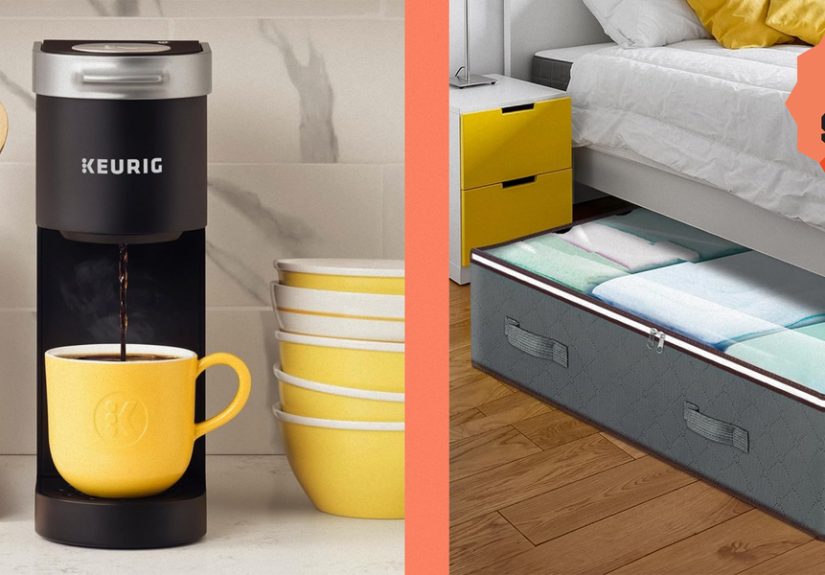
- Under-bed bins: best for off-season clothes, extra linens, and bulk supplies.
- Over-the-door organizer: shoes, snacks, hair tools, or random “where do I put this?” items.
- Command-style hooks (if allowed): keys, towels, lanyardsanything you grab daily.
- Hangers + a few drawer dividers: cheap, boring, and shockingly life-improving.
- Small tote or “grab bin”: for class supplies you don’t want scattered everywhere.
Deal tip: don’t buy every organizer at once. Buy the basics, live in the space for a week, then solve the problems you actually have.
Bathroom Basics: The Shower Caddy Olympics
If you’re sharing a hall bathroom, you will become very familiar with carrying your entire hygiene routine in one trip. This is character building.
- Shower caddy: mesh or quick-dry styles help avoid mildew.
- Shower shoes: non-negotiable for shared bathrooms.
- 2 towels + 2 washcloths: because one will always be damp at the worst time.
- Toiletry kit: refillable travel bottles save space and reduce spills.
- Basic medicine kit: pain reliever, bandages, allergy medscheck with a parent/guardian if you’re unsure what’s appropriate.
Laundry: Clean Clothes, Minimal Drama
Laundry is where dorm optimism goes to die. Make it easier:
- Hamper you can carry: backpack-style hampers are great for long walks to laundry rooms.
- Detergent pods or small bottle: easy to transport, less spill risk.
- Stain remover stick: the quickest fix for coffee accidents and dining hall mysteries.
- Drying rack or hanging clips (if allowed): for items you don’t trust in dryers.
Kitchen & Snacks: Feed Yourself Without Starting a Fire
Dorm cooking rules exist for a reasonmany schools restrict appliances with heating elements, and microwave/fridge rules often include wattage and size limits. Even when cooking is allowed in shared kitchens, safety matters (unattended cooking is a major fire risk).
- Microwave-safe bowl + plate + mug: you can do a lot with these three.
- Reusable utensils: plus a small dish soap + sponge if you have a sink access.
- Water bottle and/or filter bottle: hydration is cheaper than energy drinks.
- Snack kit: protein bars, instant oatmeal, trail mix, popcornthings that survive desk storage.
- Mini fridge (if allowed): consider renting if your school offers it or if you don’t want to store it later.
Tech & Charging: Outlets Are Dorm Currency
You’ll charge more devices than you think: phone, laptop, earbuds, maybe a calculator, maybe a fan, maybe a lamp. The solution is not “plug everything into one sketchy adapter.” The solution is a safe, dorm-approved power setup.
- UL-listed surge protector: ideally grounded and appropriately rated for dorm use.
- Extra-long charging cable: because your bed will be exactly 47 feet from the nearest outlet.
- Cable clips or ties: avoids cord chaos and accidental yanks.
- External battery pack: helpful on long campus days.
Safety reality check: many dorms prohibit standard extension cords and “daisy-chaining” power strips. Also, high-wattage appliances should generally be plugged directly into a wall outlet, not a power strip. When in doubt, follow your school’s housing policy.
Comfort & Decor: Make It Feel Like Home (Without Breaking Rules)
A dorm can feel sterile fast. A few low-cost, removable upgrades go a long way:
- Rug: makes cold floors less miserable and improves the vibe instantly.
- Soft lighting: string lights or a small lamp (LED options tend to be dorm-friendly).
- Photos/posters: use removable strips if permitted.
- Fan: dorms can run hot; a small fan can be a sleep saver.
Where the Best Deals Usually Hide
“Best deals” don’t mean one magical storethey mean knowing what each store tends to do well, then buying the right things at the right time.
Big-box retailers (Target, Walmart): best for basics and bundles
These are strong for bedding, storage bins, towels, hangers, desk lamps, cleaning supplies, and snack restocks. Their dorm checklists are useful for planning, and registries can help families support you without guessing what “a mattress protector” is.
Online marketplaces (Amazon and others): best for selection and quick shipping
Online shopping shines for exact-fit items (twin XL specifics, specialty organizers, replacement chargers) and for comparing reviews quickly. If you qualify for student/young adult membership discounts, that can add savingsjust avoid “doom-scrolling into purchases.”
Secondhand + campus move-out: best for bulky items
Lamps, shelves, mini fridges, rolling carts, mirrors, and storage bins are commonly resold. This is especially true at the end of spring semester when students want to travel light. If you’re budget-focused, this is where you can score the biggest wins.
What People Overbuy (So You Don’t)
- Too many organizers: buy a few, then fill the gaps after you move in.
- Full kitchen sets: unless you have a real kitchen, you don’t need four saucepans and a whisk collection.
- Duplicate cleaning gear: coordinate with your roommate so you don’t end up with two vacuums and zero trash bags.
- Decor you can’t hang: check wall rules and adhesives policies first.
- Appliances that break rules: always verify housing restrictions before buying.
Quick Dorm Essentials Checklist (Printable-Style)
Sleep
- Twin XL sheet sets (2)
- Mattress protector
- Mattress topper
- Comforter/duvet + extra blanket
- Pillows
Study & Tech
- Laptop + charger
- Surge protector (dorm-approved)
- Desk lamp
- Headphones
- Planner or task app setup
- Extra-long phone cable
Storage
- Under-bed bins
- Over-the-door organizer
- Hangers
- Hooks/strips (if allowed)
Bathroom
- Shower caddy
- Shower shoes
- Towels + washcloths
- Toiletries
Laundry
- Hamper or laundry bag
- Detergent
- Stain remover
- Drying rack/clips (if allowed)
Kitchen/Snacks
- Reusable bottle
- Microwave-safe bowl/plate/mug
- Utensils
- Snack basics
- Mini fridge/microwave (only if allowed)
Real Dorm Shopping Experiences: 7 Lessons You Learn the Hard Way (500-word add-on)
The first dorm shopping trip is always fueled by hope. You imagine yourself waking up early, making oatmeal in a cute mug, and color-coding notes like a productivity influencer. Then you move in and discover the real dorm ecosystem: someone is always microwaving something at 1 a.m., the laundry room is a social experiment, and your desk chair squeaks like it’s auditioning for a horror movie. Here are the lessons that tend to stick.
Lesson 1: Measure now or regret forever. Dorm furniture is famously “standard,” which is another way of saying “not built for your bins.” People buy storage cubes confidently, then meet their under-bed clearance and realize the cubes are now modern art. A quick tape-measure moment saves returns, time, and the emotional trauma of wrestling a box into a tiny elevator.
Lesson 2: Your roommate is not your clone. Even if you’re best friends, you’ll discover differences fast. One of you will love a bright, perfectly made bed. The other will be a human tornado with excellent intentions. The best move is agreeing on a few shared items (trash can, cleaning spray, maybe a rug) and then giving each other room to exist. The dorm is small; don’t make it smaller with unnecessary friction.
Lesson 3: “Cute” is great, but “washable” is elite. Rugs, throw blankets, and shower curtains look amazing right up until they meet real dorm life. Aim for items you can wash or wipe down easily. A washable rug or a blanket that survives a dryer cycle is the kind of boring decision that pays off when you spill coffee during finals week and don’t have time to cry about it.
Lesson 4: A second sheet set is basically future-you insurance. People underestimate how quickly a schedule gets chaotic. The second you need clean sheets and the laundry room is packed, you’ll understand why having a backup set is an act of self-respect. This is also why towels matter: one towel is always damp at the worst possible time.
Lesson 5: Power and lighting are sneaky problems. Dorm rooms often have limited outlets, and they’re rarely located where you want them. A dorm-approved surge protector and a decent desk lamp can make the room feel twice as usable. On the flip side, ignoring housing rules about cords and banned items can create safety issuesand it’s the fastest way to lose something you paid for.
Lesson 6: You don’t need everything on day one. The first week reveals what you actually use. Maybe you thought you needed a full desk organizer system, but what you needed was a fan because your room runs warm. Maybe you bought five storage baskets, but what you needed was a shower caddy that dries quickly. Buy enough to function, then upgrade after you live in the space.
Lesson 7: Move-in day is easier with a “grab bag.” Pack a small tote with scissors, tape, a phone charger, water, snacks, disinfecting wipes, and a trash bag. You’ll open boxes, break down cardboard, and immediately generate trash like you’re running a packaging museum. That grab bag is the difference between “organized legend” and “where did we put the tape” chaos.
Dorm life gets smoother when your stuff supports your routines instead of fighting them. The best dorm essentials aren’t the trendiestthey’re the ones that make daily life easier, safer, and a little more comfortable, especially when your schedule is packed and your room is basically a multipurpose studio apartment disguised as a rectangle.
Conclusion
A great dorm setup isn’t about buying the mostit’s about buying the right things at the right time. Start with the essentials that improve your sleep, help you stay organized, and keep you comfortable day-to-day. Use student discounts, shop checklists for ideas, and hold off on space-dependent items until you’ve actually seen your room. If you do it right, you’ll save money, avoid move-in day stress, and build a dorm space that works for real college life not just for photos.