Table of Contents >> Show >> Hide
- Quick List: The 10 Controversies
- 1) The Seizure Episode That Put Pokemon in the Global News
- 2) The Burger King Poké Ball Recall
- 3) Jynx and the Design Debate
- 4) Kadabra vs. Uri Geller: A Lawsuit With Psychic Energy
- 5) Pokemon GO and “Virtual Trespass” Lawsuits
- 6) Pokemon GO at Memorials: When the Map Meets Real Grief
- 7) Pokemon GO Privacy Panic (And Why Location Data Still Matters)
- 8) “Dexit”: The National Dex Backlash in Pokemon Sword and Shield
- 9) Pokemon UNITE and the “Pay-to-Win” Argument
- 10) The Trading Card Scalping Era That Made Retailers Hit Pause
- What These Controversies Have in Common
- Bonus: of “Trainer Experiences” From the Wild Side of Pokemon Drama
- Conclusion
Pokemon is basically the world’s most successful “cute creature” experimentand when something gets that big, it also becomes a magnet for misunderstandings, moral panics, lawsuits, PR fires, and the occasional “Wait… that was in a kids’ meal?” moment. The good news: most controversies fade. The better news: some of them are so unbelievably weird that they’ve become part of Pokemon history.
Below are ten of the wildest Pokemon controversiesspanning the anime, the games, Pokemon GO, and the trading card sceneplus what happened, why people were upset, and what we can learn from it (besides “maybe don’t argue on the internet at 2 a.m.”).
Quick List: The 10 Controversies
- The infamous “seizure episode” that changed animation forever
- The Burger King Poké Ball recall (yes, really)
- Jynx and the design debate that forced a redesign
- Kadabra vs. Uri Geller: the strangest Pokemon lawsuit
- Pokemon GO and “virtual trespass” lawsuits
- Pokemon GO at memorials: when the map meets real grief
- Pokemon GO privacy panic (and why location data still matters)
- “Dexit”: the National Dex backlash in Sword and Shield
- Pokemon UNITE and the “pay-to-win” argument
- The trading card scalping era that made retailers hit pause
1) The Seizure Episode That Put Pokemon in the Global News
In 1997, one episode of the Pokemon anime became infamous after flashing red-and-blue visuals triggered seizures and illness symptoms in a large number of viewers in Japan. The incident was so widely discussed that it helped reshape how broadcasters and animators thought about rapid flashing patternsespecially in kids’ programming.
Why it blew up
This wasn’t a “people complained online” controversy. It was a real-world health event with immediate consequences, including hospital visits and a long shadow over how Pokemon handled certain visuals afterward. It’s also why you’ll see stronger standards today around strobe effects and high-contrast flashing.
The internet later turned it into lorememes, retellings, and a strange kind of “forbidden episode” mystique. But the core lesson is serious: entertainment can have physical effects, and safety guidelines exist for a reason.
2) The Burger King Poké Ball Recall
If you weren’t alive for the late-1990s Pokemon frenzy, here’s a snapshot: a fast-food promotion could move tens of millions of items, and parents were basically navigating a stampede with french fries.
In one of the most surreal chapters of Pokemon merchandising, Burger King recalled millions of Poké Ball-style toy containers after safety concernsspecifically the risk posed to very young children. It became a headline example of how “cute collectible” and “product safety” sometimes collide.
Why it matters
This controversy didn’t come from fan discourse; it came from the reality that mass-market collectibles have to survive the real worldkids, gravity, curiosity, and the fact that toddlers treat warnings like optional side quests.
3) Jynx and the Design Debate
Pokemon designs are usually celebrated for creativity, but occasionally a design lands differently across culturesespecially when it resembles a real-world stereotype. Jynx became a long-running flashpoint because some critics argued the early depiction echoed racist imagery, and the controversy followed the franchise for years.
What changed
The debate helped push visible changes: Jynx’s coloring was altered in later appearances and localization choices became more cautious. It’s one of the clearest examples of Pokemon adapting to criticism rather than trying to out-stubborn the internet.
The bigger takeaway isn’t “Pokemon is evil,” it’s that global media gets interpreted through local history. A design that reads as “odd myth-inspired character” to one audience can read as “painful reference” to another.
4) Kadabra vs. Uri Geller: A Lawsuit With Psychic Energy
Pokemon has had its share of legal drama, but few stories are as oddly specific as the Kadabra controversy. Performer Uri Geller claimed Kadabra’s spoon-bending vibe resembled him closely enough to warrant legal action, and for a long time the story became a kind of Pokemon trivia iceberg: “Wait, that’s why Kadabra disappeared from the card game?”
Why fans obsessed over it
Kadabra is part of an iconic evolutionary line, so its long absence from certain trading card releases became conspicuous. When the situation later thawed, it was treated like a long-lost character returning from exile. The whole thing felt less like law and more like a sitcom plot: “Local magician sues cartoon monster; monster vanishes for two decades.”
5) Pokemon GO and “Virtual Trespass” Lawsuits
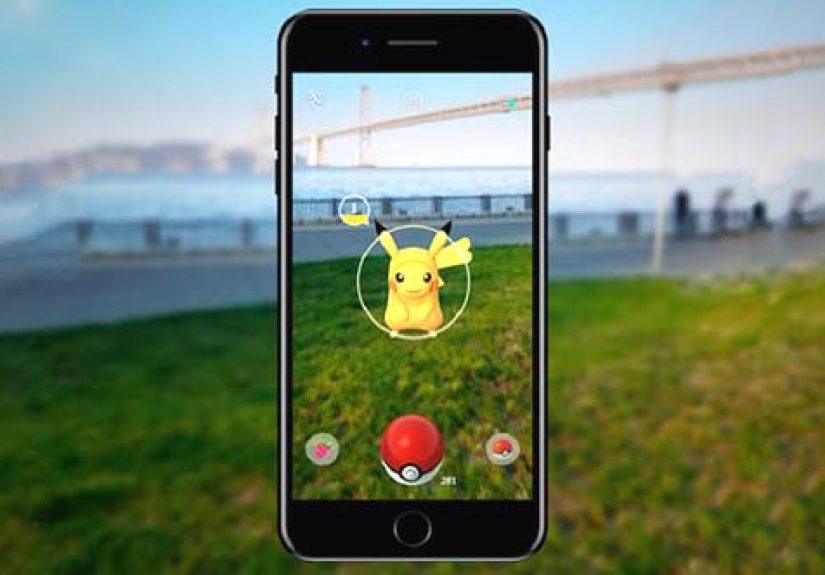
Pokemon GO’s magic trick is simple: it turns the real world into a game board. The complication is also simple: the real world contains private property, quiet neighborhoods, and people who did not consent to becoming a raid lobby.
Property owners filed lawsuits alleging the game encouraged crowds and trespassing near certain locations. Over time, the legal conversation became a case study in augmented reality: if an app places an in-game reward near your house, who “caused” the crowd?
Why it’s a landmark controversy
This wasn’t just about Pokemon GO. It was about the future of AR design. The outcome nudged the industry toward better reporting tools, location controls, and clearer responsibility lines. In other words: the controversy helped turn “move fast and catch things” into “move fast and also don’t get sued.”
6) Pokemon GO at Memorials: When the Map Meets Real Grief
One of the most emotionally charged Pokemon GO controversies erupted when players were seen gaming at solemn real-world sitesplaces built for remembrance, not rare spawns. Museums and memorials publicly asked players to stop, arguing it was disrespectful and disruptive.
Why this hit differently
It wasn’t about “games are bad.” It was about context. A memorial is designed to slow you down and make you present; a location-based game is designed to keep you moving and scanning. Put them together and you get a conflict that isn’t really solvable with a hot take.
Over time, the controversy pushed toward practical solutions: removing in-game locations from sensitive areas, and encouraging etiquette that treats real places like… real places.
7) Pokemon GO Privacy Panic (And Why Location Data Still Matters)
Early in Pokemon GO’s meteoric rise, privacy worries spiked. Reports noted that some login permissions were broader than expected, and people understandably freaked outbecause “I downloaded a game” is not supposed to translate into “and now it knows my entire life story.”
The real issue behind the headlines
Even after permission prompts were adjusted, the bigger, ongoing reality remains: location-based games rely on location data. That data can be sensitive, especially when collected at massive scale.
More recently, conversations have expanded beyond “does it know where I am right now?” to “what might large collections of player-contributed scans and location signals be used for later?” It’s not automatically sinisterbut it does mean players deserve clarity, meaningful controls, and plain-English explanations.
8) “Dexit”: The National Dex Backlash in Pokemon Sword and Shield
Few Pokemon controversies are as pure, concentrated fan discourse as “Dexit”the backlash to Pokemon Sword and Shield not including every existing Pokemon in one giant National Dex. For many longtime players, “catch ’em all” felt less like a slogan and more like a promise.
Why it sparked such a big reaction
The debate wasn’t just about data. It was emotional math: years of collecting, transferring teams across generations, and bonding with digital creaturesthen suddenly being told some can’t come along this time. Fans argued about technical constraints, production timelines, balancing, animations, and whether the franchise was cutting corners.
The controversy also shows a modern truth: when a series becomes a lifestyle hobby, design decisions feel personaleven when they’re actually production trade-offs.
9) Pokemon UNITE and the “Pay-to-Win” Argument
Pokemon UNITE arrived as a free-to-play MOBA with fast matches and surprisingly serious strategy. Then the monetization debate arrivedbecause it always does. Players argued that upgrading held items could create an advantage that felt unfair, especially early on.
Why the debate wouldn’t die
The controversy sat in that messy middle ground between “pay-to-win” and “pay-to-progress-faster.” Even small stat edges can feel huge in competitive games, and players worried that skill would get overshadowed by wallets. Later updates and events attempted to smooth the gap, but first impressions stickespecially on the internet.
The bigger lesson: competitive games live or die on trust. If players believe the ladder is tilted, they stop climbingand no amount of cute skins can fix that.
10) The Trading Card Scalping Era That Made Retailers Hit Pause
The Pokemon Trading Card Game has always been popular, but the recent boom years turned it into something else: part hobby, part nostalgia rocket, part chaotic marketplace. That chaos spilled into real stores, where high demand (and bad behavior from a tiny minority of buyers) created safety concerns.
Why it became a mainstream news story
When retailers temporarily paused or limited card sales, it wasn’t because Pokemon cards became uncoolit was because the scene got too heated in public spaces. For everyday collectors and kids who just wanted a pack, it was frustrating. For scalpers, it was a speed bump. For everyone else, it was a reminder that cardboard rectangles should not create real-world drama.
What These Controversies Have in Common
Pokemon controversies tend to fall into a few categories:
- Safety and unintended consequences (flashing visuals, product recalls, crowd behavior)
- Culture and interpretation (design debates, localization decisions, censorship)
- Tech meets reality (AR trespass, memorial etiquette, privacy expectations)
- Trust in fairness (competitive monetization, collecting hype cycles)
And here’s the twist: Pokemon survives these storms because it adapts. Sometimes slowly. Sometimes awkwardly. But it changesthrough redesigns, policy updates, new features, or just learning where the boundaries are.
Bonus: of “Trainer Experiences” From the Wild Side of Pokemon Drama
If you’ve been in the Pokemon community long enough, you’ve probably lived through at least one controversy even if you didn’t call it that at the time. The experience usually starts innocently: you open your phone, boot up a game, or wander into a store aisle. Then you realize you’ve stepped into a conversation that is somehow louder than it should be for a franchise starring a smiling electric mouse.
The “Wait, This Is Serious” Moment
One common experience is the sudden switch from fun to serious. You’re watching a video essay about old anime episodes or scrolling a thread about banned scenes, and you realize the topic isn’t just triviait’s about safety standards, cultural history, or how global media gets interpreted differently. It can be jarring: Pokemon is comfort food, so nobody expects to bump into real-world issues while eating it.
Pokemon GO: The Social Game You Didn’t Know You Joined
For many players, Pokemon GO created experiences that were joyful and chaotic at the same time. You go out to catch a few Pokemon and end up in a crowd you didn’t plan foroutside a landmark, a park, or someplace that suddenly feels “too busy.” Some players remember the awkward moment of realizing, “This is a memorial,” or “This is somebody’s neighborhood,” and feeling their excitement turn into discomfort. The game can make the world feel playful, but it also teaches etiquette the hard way: real places have real meanings.
The Collector Whiplash
If you collect cards, you’ve probably felt the emotional whiplash of hype cycles. One week, a set is everywhere; the next week, shelves are empty and people are treating booster packs like rare gemstones. Regular collectors describe the same pattern: you just want a few packs for fun, but suddenly you’re standing behind someone buying a stack like they’re preparing for winter. The experience can sour the hobbyuntil you find a calmer local shop, trade with friends, or decide that opening one pack slowly is more fun than chasing ten in a frenzy.
Mainline Fans: The “My Team Didn’t Make It” Feeling
The National Dex debate hit differently because it felt personal. Lots of longtime fans have “their” Pokemon: the one that carried them through a tough gym, the one they transferred across generations, the one they nicknamed after a friend. When a new game arrives and that Pokemon isn’t available, it’s not just a missing entryit’s like your tradition got interrupted. Even players who understood the production reasons still felt the sting of being told to leave a teammate behind.
Competitive Players: Trust Is the Real Meta
In competitive spaces, the strongest “experience” isn’t a matchit’s the feeling that the match mattered. That’s why monetization debates get so intense. Players can accept losing to a better strategy; they struggle to accept losing because the system feels tilted. When a game later adds more ways to earn upgrades fairly, the community often relaxesbut the memory of that first imbalance becomes a cautionary tale shared with every new player: “Have fun, but keep an eye on how the game treats free players.”
In the end, Pokemon controversies are messy because Pokemon is hugeand when something is huge, it touches everything: art, tech, culture, safety, business, and people’s feelings. The best “trainer skill” might not be type matchups. It might be knowing when to log off, take a breath, and remember you’re here because catching imaginary monsters is supposed to be fun.
Conclusion
The wildest Pokemon controversies aren’t just scandal storiesthey’re snapshots of how pop culture works at scale. Pokemon sits at the intersection of childhood nostalgia and modern technology, which means it repeatedly bumps into real-world boundaries: safety, privacy, respect, fairness, and representation.
The upside is that these controversies often push improvements. Safety standards get clearer. AR etiquette gets sharper. Game design conversations get more honest. And fansyes, even the loud oneshelp define what the community wants Pokemon to be next.