Table of Contents >> Show >> Hide
- What Actually Makes Duct Tape “the Best”?
- How We Tested Duct Tape
- Our Top Pick: Heavy-Duty Duct Tape for Everyday Heroes
- Other Excellent Duct Tapes We Tested
- How to Choose the Best Duct Tape for Your Project
- Smart Uses for Duct Tape (and When Not to Use It)
- Frequently Asked Questions About Duct Tape
- Real-World Experiences from Testing the Best Duct Tape
- Bottom Line
If you’ve ever “temporarily” fixed something with duct tape and then noticed your temporary fix was still going strong three years later, you already know this stuff is legendary. But here’s the twist: not all duct tape is created equal. Some rolls peel off in a day, some turn into goo in the sun, and some are so tough you could probably patch a spaceship hull with them (we do not recommend testing this).
To separate the heroes from the heartbreakers, we put some of the most popular duct tapes through real-world tests: sticking, tearing, weather exposure, and everyday use around the house and garage. After plenty of pulls, peels, and muttered words we can’t print, we found a clear winner.
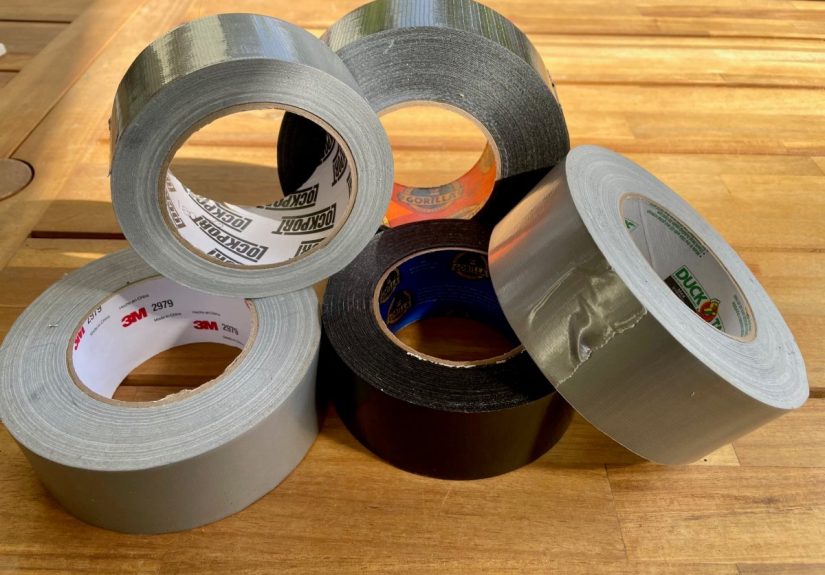
Our top pick for the best all-around duct tape is a heavy-duty, cloth-backed tape similar to Lockport Heavy-Duty Duct Tape: strong grip, easy tear, solid weather resistance, and fantastic value per roll. In short, it’s the roll you want in your toolbox when you don’t know exactly what you’ll be fixingbut you know you’ll be fixing something.
What Actually Makes Duct Tape “the Best”?
Before we crown a champion, it helps to understand what separates great duct tape from the sad, flaky stuff that barely clings to a cardboard box.
1. Adhesive strength (a.k.a. the “stickiness factor”)
This is the star of the show. Good duct tape should bond firmly to wood, plastic, metal, and even slightly dusty or uneven surfaces. The best duct tape doesn’t just “kiss” the surfaceit grabs it and refuses to let go, even when there’s tension, vibration, or movement.
We checked for:
- How well the tape sticks when first applied
- Whether it keeps holding after several hours or days
- How it behaves in heat, cold, and humidity
2. Backing and tearability
Most quality duct tape uses a fabric or scrim backing embedded in polyethylene. That gives it strength and allows it to rip cleanly by hand. The best rolls tear straight across and even vertically into narrower strips without fraying into fuzzy spaghetti.
3. Durability and weather resistance
If you’re using duct tape outdoorson a tarp, cooler, tool handle, or car emergency fixit needs to survive sun, moisture, and temperature swings. Premium heavy-duty or all-weather duct tapes keep their grip in rain and resist cracking or curling in the cold.
4. Residue and cleanup
Strong adhesive is great… until you have to remove it. Some tapes leave behind a gummy mess that takes half a bottle of solvent to remove. While duct tape isn’t meant to be as clean as gaffer tape, the better brands balance strength with less nightmare-level residue, especially if you remove them within a reasonable time.
5. Value and roll size
Duct tape is one of those things you want to buy once and forget about for months. Longer rolls, reasonable cost per yard, and multi-pack options can make a big difference if you’re constantly doing repairs, crafts, or renovations.
How We Tested Duct Tape
We didn’t just peel a strip and say, “Feels sticky!” We put multiple popular brands through a series of tests meant to mimic real life, including:
- Stick tests on wood, PVC, painted drywall, plastic storage bins, and metal.
- Weight-holding tests using tape “straps” to support small hand tools and bundles of boards.
- Outdoor exposure on a plastic bin left in sun, rain, and overnight temperature changes.
- Flex and tear tests to see how easily the tape ripped lengthwise and crosswise.
- Residue tests after 24–72 hours on smooth surfaces.
We also factored in feedback from contractors, DIYers, and homeowners who regularly lean on duct tape for everything from quick fixes to long-term “this is totally permanent now” repairs.
Our Top Pick: Heavy-Duty Duct Tape for Everyday Heroes
Top pick: A heavy-duty, cloth-backed duct tape similar to Lockport Heavy-Duty Duct Tape
After comparing performance, ease of use, and price, our top pick is a heavy-duty duct tape that hits the sweet spot between performance and cost. Think of it as the “daily driver” of duct tapes: overbuilt enough for serious jobs, but affordable enough to use generously.
Why it stands out
- Excellent adhesion: It bonded tightly to rough plywood, painted metal, and plastic coolers without needing a lot of pressure. Even when the surfaces were slightly dusty, it still held on impressively well.
- Strong yet flexible backing: The cloth scrim gives it serious pull strengthyou can use it to bundle pipes, reinforce tool handles, or patch ripped tarpswhile staying flexible enough to wrap around corners and curves.
- Easy to tear by hand: You can rip it cleanly across the roll without having to wrestle it like a wild animal. It also tears lengthwise into narrower strips when you need a custom size.
- Solid performance outdoors: In our outdoor tests, the tape stayed stuck through rain and full sun on a plastic bin and a metal handrail. The edges didn’t curl, and the adhesive didn’t ooze excessively in the heat.
- Great value per yard: Compared with premium “extreme” tapes, this heavy-duty roll delivers similar holding power and weather resistance at a more reasonable price.
If you’re only going to keep one roll of duct tape in the garage, this is the one. It’s strong enough for serious repairs but not so expensive that you’re afraid to use it liberally.
Other Excellent Duct Tapes We Tested
Different jobs sometimes call for different tapes. Here are a few other standouts from our testing and research.
Gorilla-style heavy-duty duct tape: best for maximum toughness
Heavy-duty duct tapes similar to Gorilla’s classic black tape come with a thicker adhesive layer and an ultra-strong backing. These tapes are fantastic when you need a “this better not fail” fix: bundling lumber, reinforcing tool handles, attaching temporary brackets, or patching outdoor gear.
The trade-off? They can be a bit harder to tear cleanly by hand, and they’re usually pricier per yard. But if raw strength is your priority, they’re hard to beat.
Duck Max–style duct tape: strong and versatile all-rounder
Duck Max–type tapes offer a strong, reliable hold with a user-friendly feel. They’re often the go-to choice for homeowners who want something better than bargain-bin silver tape but don’t need ultra-premium performance. These tapes are great for general repairs, DIY projects, and keeping around for “I’ll figure it out with tape” moments.
3M all-weather duct tape: best for outdoor and automotive use
All-weather tapes similar to 3M’s heavy-duty or automotive duct tape are engineered to stand up to moisture, sun, and grime. They’re ideal for:
- Patching tarps and covers
- Bundling outdoor gear
- Temporary automotive fixes (trim, loose panels, or emergency patches)
They tend to have excellent adhesion on metal and plastic, and they resist peeling in wet or cold conditions.
White or colored duct tape: perfect for labeling and projects
White or brightly colored duct tapes, like those from XFasten or craft-focused brands, are surprisingly strong and more attractive than standard gray. They shine in situations where looks matter:
- Labeling bins, cords, or moving boxes
- School projects and crafts
- Temporary decor or costume building
They usually aren’t quite as rugged as the toughest black or silver heavy-duty tapes, but they win on aesthetics and versatility.
How to Choose the Best Duct Tape for Your Project
Picking duct tape is kind of like choosing a car. Yes, they all “drive,” but some are better for hauling lumber, while others are better for parallel parking. Here’s how to match the tape to the task.
1. Consider where it will live
- Indoors, short-term fix: A standard-duty tape is usually fine for holding up plastic sheeting, closing boxes, or quick household repairs.
- Outdoors or long-term use: Go with heavy-duty or all-weather tape. Look for labels that mention UV resistance and outdoor performance.
- On visible surfaces: White or colored duct tape will look cleaner and can blend into walls, appliances, or furniture a little better than bright silver or black.
2. Think about the surface
- Rough surfaces (wood, concrete, textured plastic): Choose a tape with a thicker adhesive and a strong cloth backing.
- Smooth surfaces (glass, metal, glossy plastic): Most decent duct tapes will work, but heavier-duty brands will resist peeling at the edges over time.
3. How permanent is this, really?
We all say “temporary fix,” but if we’re being honest, many “temporary” duct tape jobs become semi-permanent. If you know you’ll remove the tape soon and don’t want residue, consider a slightly lighter-duty tape or a product known for cleaner removal. For truly permanent solutions, though, you might want to upgrade to more specialized options like foil HVAC tape, waterproof repair tape, or even mechanical fasteners.
4. Size and thickness matter
- Width: Standard duct tape is about 1.88 inches wide. Wider rolls (up to 3 inches) are great for patching large rips in tarps or tents.
- Thickness: Thicker tapes usually feel more robust and are less likely to tear under tension, but they may be harder to rip by hand.
Smart Uses for Duct Tape (and When Not to Use It)
Great uses for duct tape
- Emergency gear repair: Patch tent fabric, sleeping bags, backpacks, or tarps while camping.
- Bundling and organizing: Hold together PVC pipes, extension cords, or lumber scraps with a few wraps.
- Temporary automotive fixes: Secure loose mirrors, trim, or bumpers until you can get a proper repair.
- Home repairs: Reinforce cracked plastic bins, seal small gaps around doors temporarily, or fix broken broom handles.
- Creative projects: Make wallets, costumes, decorative stripes on storage boxes, or custom labels.
Where duct tape is not the answer
Despite its name, regular duct tape is usually not recommended for sealing HVAC ducts. High heat, cold, and airflow can cause the adhesive to fail over time, leading to leaks and wasted energy. For heating and cooling systems, foil-backed HVAC tapes or mastic sealants are much better choices.
It’s also not ideal on surfaces that will be exposed to extreme temperatures for long periods (like near an engine or on a hot roof) unless the tape is specifically rated for those conditions.
Frequently Asked Questions About Duct Tape
Is more expensive duct tape always better?
Not necessarily. Some premium tapes are worth the extra cost for contractors or people doing heavy outdoor work. But a well-balanced heavy-duty tapelike our top pickoften gives you 90% of the performance for a noticeably lower price.
How long does duct tape last?
Indoors, stuck to clean, smooth surfaces, good duct tape can last months or even years. Outdoors, exposure to UV light, temperature swings, and moisture shortens its lifespan. That’s why all-weather or heavy-duty labels matter if you plan to use it outside.
Can I remove duct tape residue?
Usually yes, but it might take some elbow grease. Start by peeling off as much tape as possible, then use a bit of cooking oil, citrus-based adhesive remover, or rubbing alcohol on a cloth to gently break down the residue. Test any solvent in an inconspicuous area first to avoid damage.
Is duct tape waterproof?
Most duct tapes are water resistant, not fully waterproof. They’ll hold up well to rain, splashes, and humidity, but long-term submersion (like in standing water) can cause the adhesive to break down. For constant water exposure, look for specialty waterproof repair tapes.
Real-World Experiences from Testing the Best Duct Tape
On paper, duct tape is all numbers: tensile strength, adhesive rating, cost per yard. In real life, though, the story is much more personal. During testing, we learned a lot about how these tapes behave when the stakes feel higher than a simple lab result.
One weekend, a sudden storm turned a calm backyard into a wind tunnel. A large tarp that had been protecting stacked lumber started to flap like a sail. With rain coming in sideways, there wasn’t time to hunt for bungee cords or ratchet straps. Our top-pick heavy-duty duct tape ended up being the hero: a few long strips anchored the tarp to the frame and held through wind, rain, and the occasional “did it survive?” peek out the window. The next morning, the tarp was exactly where we left it. The wood was dry. The tape edges hadn’t curled or lifted, even after hours of soaking rain.
Another test came from a more everyday situation: a cracked plastic storage bin. Most households have at least one of these veteranstired, overstuffed, but still “too good to throw away.” The crack ran down the side and threatened to spread every time the bin was lifted. A strip of bargain duct tape closed it for a moment, but it peeled off after a few days, especially when the bin was moved. When we switched to our top-pick tape, the difference was obvious. Not only did it stick more aggressively, it also flexed with the bin instead of stiffening and popping off. Weeks later, that same bin was still in use, crack fully bridged by a single, slightly battle-scarred strip of tape.
We also tested how forgiving the tape is when you’re in a hurry. Late one evening, while setting up a temporary plastic barrier for a dusty DIY project, we rushed the jobbarely wiping down the door frame before sticking the tape. Lesser tapes don’t like dust; they lift at the edges or slowly peel downward under gravity. Our top pick, while not magic, held surprisingly well. The seal around the doorway lasted until the project was finished, and only then did a few edges start to relax. For a rushed, imperfect job, that was impressive performance.
Outdoor gear repair offered another good test. A camping chair fabric ripped right at a seam, leaving one unlucky test subject hovering between “comfortably seated” and “about to meet the ground.” We used a strip of heavy-duty duct tape as a temporary patch, pressing it firmly into the fabric and folding it over both sides. It wasn’t pretty, but the chair stayed functional for the rest of the weekend. While we wouldn’t recommend duct tape as a permanent upholstery solution, it absolutely saved the trip from turning into a “guess who broke the chair” story.
Even small, silly uses taught us something. We wrapped the slippery handle of an old garden rake to see how well the tape would act as a grip. The textured cloth backing and strong adhesive turned a worn, smooth handle into something much easier to hold, even with sweaty hands. After a few long yardwork sessions, the tape was still tight and secure.
Across all these experiences, a pattern emerged: the best duct tape adds a layer of quiet confidence to your toolbox. It’s not just about how it performs in perfect conditions; it’s how it behaves when you’re in a rush, when surfaces aren’t ideal, when the weather doesn’t cooperate, and when you really need that fix to hold just a bit longer than you planned.
That’s why our top pick isn’t just the one with the flashiest marketing or the highest lab numbersit’s the roll that consistently showed up, stuck down, and stayed put across real, messy, everyday situations. If you want a single duct tape you can trust for everything from emergency tarp repairs to long-suffering storage bins, this heavy-duty workhorse is the one we’d recommend you throw into your cart, stash in your truck, and keep on the garage shelf.
Bottom Line
If you’ve been grabbing whatever duct tape happens to be on sale, it might be time to upgrade. A high-quality heavy-duty roll offers better adhesion, cleaner tears, stronger backing, and longer-lasting repairs both indoors and outdoors. Our testing showed that a tape similar to Lockport Heavy-Duty Duct Tape gives you the best overall blend of strength, versatility, and value.
Keep a roll handy and you’ll be ready for leaky tarps, cracked bins, grumpy camping gear, wobbly tools, and all the everyday chaos that life throws at you. You might not be able to fix everything with duct tapebut with the right roll, you’ll certainly feel like you can.