Table of Contents >> Show >> Hide
- What Skin Cancer Protection Looks Like at a Glance
- Step 1: Read the Sun Before the Sun Reads You
- Step 2: Build a “First Layer” of Protection With Clothing
- Step 3: Choose Sunscreen Without Needing a Chemistry Degree
- Step 4: Apply Sunscreen Like an Adult, Not Like You Are Seasoning Soup
- Step 5: Stop Believing the “Base Tan” Fairy Tale
- Step 6: Know What to Look For on Your Skin
- Step 7: Check Every Zone, Not Just the Obvious Ones
- Step 8: Remember That Skin Cancer Does Not Care About Skin Tone Stereotypes
- Step 9: Protect Kids Early Because Childhood UV Damage Counts
- When to See a Dermatologist
- Final Takeaway: The Best Skin Cancer Prevention Plan Is the One You Repeat
- Everyday Experiences That Make This Topic Real
- SEO Tags
Skin cancer prevention does not need to feel like studying for a pop quiz you never signed up for. In real life, it is simpler than that: know when UV rays are strongest, cover what you can, use sunscreen correctly, skip tanning beds, and notice when your skin starts acting suspicious. Think of this as your visual guide without the scary poster-board energy. We are going to walk through what to wear, what to apply, what to look for, and what habits actually make a difference.
The key thing to know is this: skin cancer can affect anyone. Fair skin raises risk, but darker skin does not erase it. Adults, teens, athletes, drivers, gardeners, beach people, “I only go outside for five minutes” people, and the proud owners of one very aggressive lawn chair all need some form of sun protection. The goal is not to avoid daylight like a vampire with a calendar invite. The goal is to lower UV damage over time and catch changes early.
What Skin Cancer Protection Looks Like at a Glance
If you want the big-picture version, imagine a five-part checklist:
- Check the forecast: If the UV index is up, your skin needs backup.
- Dress smart: Long sleeves, tightly woven fabrics, a wide-brimmed hat, and UV-blocking sunglasses do more work than people give them credit for.
- Use sunscreen like you mean it: Broad-spectrum, enough of it, and reapplied on schedule.
- Avoid fake sunshine: Tanning beds are not a “safer glow.” They are a bad idea with mood lighting.
- Know your skin: New, changing, bleeding, non-healing, or odd-looking spots deserve attention.
Step 1: Read the Sun Before the Sun Reads You
Skin cancer prevention starts before you leave the house. UV rays are strongest around midday, and they are not limited to hot beach weather. They show up on cool days, cloudy days, and the kind of day that tricks you into saying, “I probably do not need sunscreen.” Famous last words.
Water, sand, snow, cement, and even glass can increase or complicate exposure. Shade helps, but it is not a magic invisibility cloak. Reflected UV can still reach your skin. That means a shady patio lunch, a long drive, or a cloudy soccer game can still add up to meaningful exposure.
Your visual cue
If the day involves bright sun, long time outdoors, reflective surfaces, or midday errands that somehow become a two-hour side quest, switch into protection mode. Planning matters more than perfection.
Step 2: Build a “First Layer” of Protection With Clothing
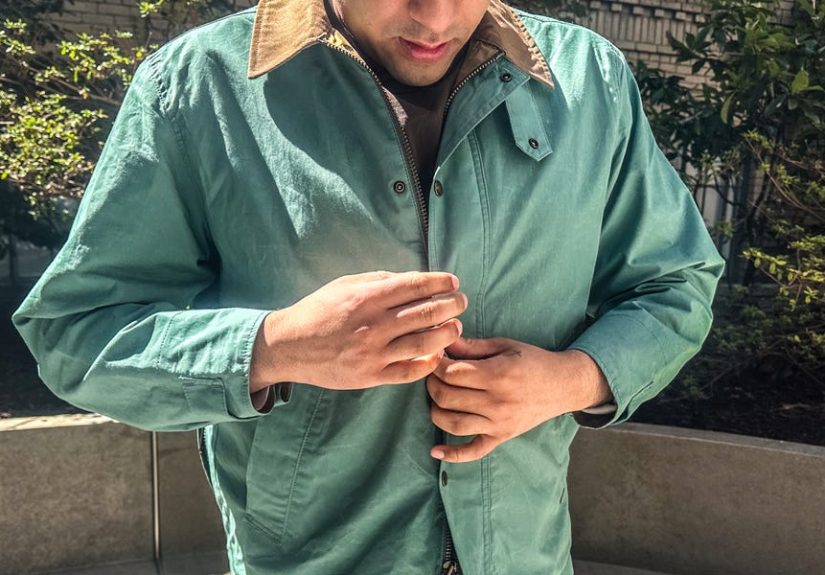
Before sunscreen even enters the chat, clothing does a lot of the heavy lifting. A long-sleeved shirt, pants or longer coverage, and tightly woven fabric can reduce how much UV reaches your skin. A dry, darker, tightly woven fabric usually protects better than something thin, sheer, or wet. That flimsy white T-shirt after a swim? Not exactly a body shield.
What works best
- Wide-brimmed hats: Better than baseball caps because they protect the ears, sides of the face, and back of the neck.
- Long sleeves and longer hemlines: Especially useful for gardening, hiking, sports, boating, and long outdoor events.
- UPF clothing: Helpful when you spend a lot of time outside and want built-in UV protection.
- UV-blocking sunglasses: Look for lenses labeled as blocking 99% to 100% of UVA and UVB or marked UV400.
A good hat and proper sunglasses are not accessories in this context. They are equipment. Your eyes and the delicate skin around them would like a word.
Step 3: Choose Sunscreen Without Needing a Chemistry Degree
Sunscreen labels can look more dramatic than they need to. Here is how to decode them.
Broad-spectrum
This means the sunscreen protects against both UVA and UVB rays. UVB is strongly tied to sunburn. UVA contributes to skin aging and also plays a role in skin cancer risk. If the label does not say broad-spectrum, keep walking.
SPF number
For everyday use, SPF 30 or higher is a practical target and a common recommendation from cancer experts. Higher numbers offer somewhat more UVB protection, but no sunscreen gives you invincibility. SPF 100 is not a hall pass to roast in direct sun until dinner.
Water resistance
“Water resistant” means the product keeps working for a stated amount of time, usually 40 or 80 minutes, while swimming or sweating. It does not mean waterproof. That unicorn does not exist.
Mineral vs. chemical sunscreen
If your skin is sensitive, mineral formulas with zinc oxide or titanium dioxide are often easier to tolerate. The best sunscreen is the one you will actually use generously, consistently, and without negotiating with yourself in the parking lot.
Step 4: Apply Sunscreen Like an Adult, Not Like You Are Seasoning Soup
Most sunscreen fails because people do not use enough, do not reapply it, or miss the same awkward spots every single time. To get the protection promised on the bottle, you need proper coverage.
How to do it right
- Apply it 15 minutes before going outside.
- Use enough. For a full body application, most adults need about one ounce, roughly a shot-glass amount.
- Reapply every two hours, and sooner after swimming or sweating.
- Do not forget the usual escape artists: ears, lips, neck, hands, tops of feet, scalp, hairline, and nose.
If you are outdoors for extended time, sunscreen should work alongside shade, clothing, and timing. It is one tool in the toolbox, not the whole hardware store.
Step 5: Stop Believing the “Base Tan” Fairy Tale
A tan is not your skin getting healthier. It is your skin responding to damage. The idea that a “base tan” protects you is one of the more stubborn beauty myths on the planet. Indoor tanning is even worse, because tanning beds deliver concentrated UV exposure and are linked to higher skin cancer risk.
So no, a tanning bed is not a starter pack for summer. It is more like preheating trouble. If you want the look of a tan, self-tanners are the safer cosmetic option, but they do not replace sunscreen.
Step 6: Know What to Look For on Your Skin
Early detection matters. You do not need to panic over every freckle, but you do need to know your own skin well enough to spot change. A monthly self-check is a smart habit, especially if you have risk factors such as fair skin, lots of moles, a history of blistering sunburns, family history of melanoma, immune suppression, or prior skin cancer.
The ABCDEs of melanoma
- A Asymmetry: One half does not match the other.
- B Border: Edges are irregular, ragged, or blurred.
- C Color: More than one color, or uneven color.
- D Diameter: Larger spots deserve attention, though melanomas can be smaller.
- E Evolving: Any change in size, shape, color, texture, or symptoms like itching or bleeding.
Other warning signs
- A sore that does not heal
- A scaly or crusty patch that sticks around
- A spot that bleeds, scabs, or comes back
- A pimple-like bump that never seems to leave
- A lesion that looks different from the rest of your moles, also called the “ugly duckling” sign
Step 7: Check Every Zone, Not Just the Obvious Ones
Many people only check sun-exposed areas like the nose, shoulders, and forearms. That is useful, but incomplete. Skin cancer can show up in less obvious places, too.
Your head-to-toe self-check routine
- Look at your face, ears, neck, chest, and torso in a full-length mirror.
- Raise your arms and inspect your sides, underarms, forearms, palms, and fingernails.
- Sit down and check thighs, shins, tops of feet, soles, spaces between toes, and toenails.
- Use a hand mirror for your scalp, back of neck, back, buttocks, and behind the legs.
Take photos or notes if that helps you track spots over time. You are not being dramatic. You are being organized.
Step 8: Remember That Skin Cancer Does Not Care About Skin Tone Stereotypes
People with darker skin generally have a lower risk of melanoma on sun-exposed skin than people with very fair skin, but they are not immune to skin cancer. That is an important distinction. In darker skin, some dangerous spots are more likely to appear on the palms, soles, or under and around the nails. They may also look brown, black, red, pink, shiny, scaly, or like a sore that does not heal.
This is one of the biggest reasons a visual guide matters. Not every skin cancer looks like the textbook image from a sunscreen ad aimed at beachgoers in matching linen. New or changing spots on any skin tone deserve attention.
Step 9: Protect Kids Early Because Childhood UV Damage Counts
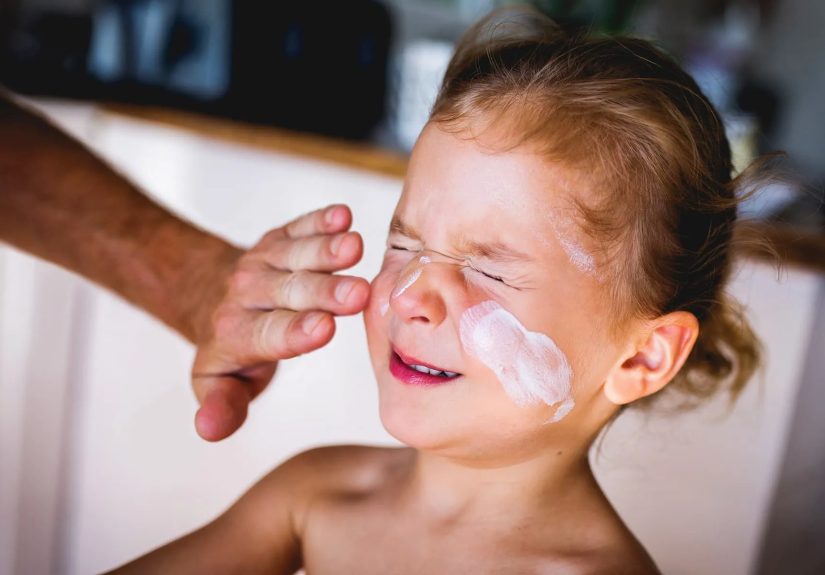
Childhood and teen sunburns are not just unpleasant memories with aloe vera. They matter later. Kids need hats, shade, protective clothing, sunglasses, and sunscreen once age-appropriate. For infants younger than 6 months, sun avoidance and protective clothing are especially important, and sunscreen use should be discussed with a healthcare professional.
The practical takeaway for parents is simple: make sun protection routine, not optional. Children are much more likely to wear hats and sunscreen when the adults around them are doing the same thing instead of making it sound like punishment.
When to See a Dermatologist
Book an appointment if you notice a spot that is new, changing, bleeding, itchy, painful, darkening, not healing, or simply odd compared with the rest of your skin. Do not wait for it to become dramatic enough to star in its own cautionary tale.
If you have a personal or family history of skin cancer, many atypical moles, immune suppression, or heavy lifetime sun exposure, ask your clinician how often you should have a professional skin exam. A self-check is useful. A trained set of eyes is useful, too.
Final Takeaway: The Best Skin Cancer Prevention Plan Is the One You Repeat
Protecting yourself from skin cancer is not about one perfect beach day. It is about repeatable habits. Check the UV conditions. Wear the hat. Put on the broad-spectrum sunscreen. Reapply it. Skip tanning beds. Learn the warning signs. Look at your skin often enough to notice change.
In other words, the smartest approach is gloriously unglamorous: be consistent. The sun is persistent, so your routine should be too. That may not sound exciting, but neither does explaining to your dermatologist why you thought a baseball cap and optimism were enough.
Everyday Experiences That Make This Topic Real
Skin cancer prevention can sound abstract until it collides with daily life. That is usually when the lesson sticks. Think about the runner who trains before lunch because it fits the schedule, then realizes the backs of the calves keep burning because those areas were never getting sunscreen. Or the parent at a weekend baseball game who remembers sunscreen for the kids but forgets the tops of their own ears, the part line in their hair, and the back of the neck. By evening, the family cooler is packed, the folding chairs are loaded, and one person is bright red and wondering how that happened “so fast.” That is the thing about UV exposure: it often feels small in the moment and obvious later.
Another common experience is the driver’s tan effect. Someone commutes every day, sits near a sunny office window, or spends hours in the car for work and never thinks of it as “sun time.” Yet over months and years, that routine exposure adds up. Many people are surprised to learn that skin protection is not just for pools, beaches, and hiking trails. It matters on school pickup lines, road trips, outdoor lunch breaks, and the quick errand that somehow turns into half a Saturday.
Then there is the experience of noticing a spot and talking yourself out of concern. “It is probably nothing.” “Maybe it is a bug bite.” “Maybe I scraped it.” Weeks pass. The spot still bleeds when you towel off. Or it scabs, improves, and returns like it is paying rent. People often delay getting these changes checked because they do not want to overreact. But in real life, peace of mind often comes from getting it looked at, not from inventing better excuses.
For people with darker skin tones, the experience can be even trickier because many grew up hearing that skin cancer is mainly someone else’s problem. That misconception can delay attention to a dark streak under a nail, a patch on the sole, or a sore that will not heal. The emotional side matters here. It is frustrating to realize the warning signs were never clearly explained. That is why better awareness is not just educational; it is practical and potentially lifesaving.
There is also the very human experience of sunscreen trial and error. One formula stings your eyes. Another feels greasy. Another leaves a chalky cast. Many people quit too early because they assume all sunscreen is annoying. In reality, finding the right one is often like finding jeans: the first pair may be a disaster, but that does not mean pants are the problem. Once people find a sunscreen they can tolerate and actually like, daily use becomes much more realistic.
And finally, there is the quiet confidence that comes from knowing your own skin. After a few monthly self-checks, people start to recognize what is normal for them. That familiarity makes it easier to notice change early. It turns prevention from a vague health goal into a habit with real-world payoff. Not flashy, not dramatic, just smart.