Table of Contents >> Show >> Hide
- What Is a Jacaranda Tree, and Why Do Gardeners Love It?
- Best Climate for Growing a Jacaranda Tree
- How to Plant a Jacaranda Tree the Right Way
- Jacaranda Tree Care After Planting
- How to Prune a Jacaranda Tree
- How to Encourage More Flowers
- Common Problems With Jacaranda Trees
- Can You Grow a Jacaranda Tree in a Pot?
- Is a Jacaranda Tree Right for Your Yard?
- Real-World Experiences Growing and Caring for a Jacaranda Tree
- Final Thoughts
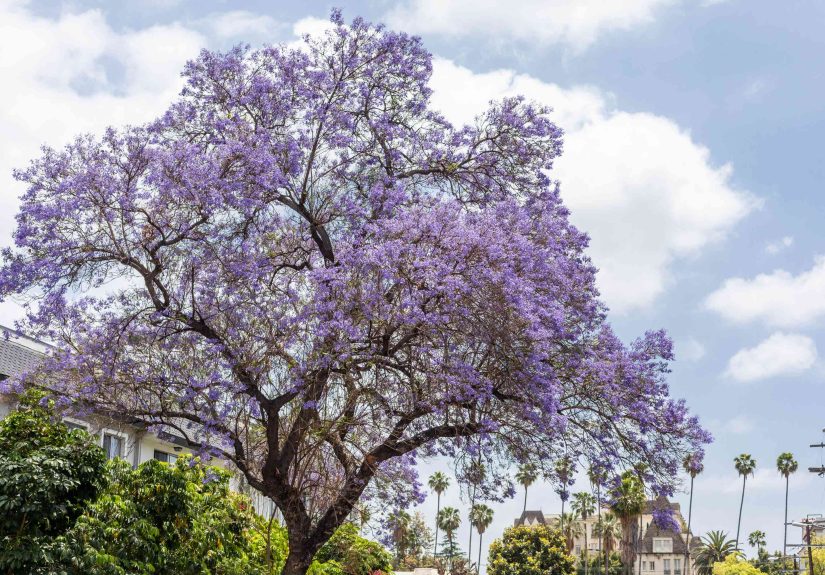
If there were an award for “most likely to make the whole neighborhood stop and stare,” the jacaranda tree would at least make the finals. With its ferny foliage and clouds of lavender-blue blooms, this tree has the dramatic flair of a movie star and the cleanup habits of a glitter cannon. In other words, it is stunning, but it is not subtle.
Still, for gardeners in the right climate, learning how to grow and care for a jacaranda tree is absolutely worth it. A healthy jacaranda can turn a plain yard into a postcard, throw light filtered shade across a patio, and put on a bloom show that makes people suddenly “just happen” to walk past your house. The catch is that jacarandas are a little picky about cold, soggy soil, and cramped spaces. Give them what they want, though, and they reward you in a big way.
This guide breaks down jacaranda tree care in plain English: where to plant it, how to water it, when to prune it, how to encourage blooms, and what mistakes cause these purple beauties to sulk. Whether you are planting a young tree in a warm landscape or wondering if a jacaranda will work in your region, here is what you need to know before you hand over valuable yard real estate to a tree with main-character energy.
What Is a Jacaranda Tree, and Why Do Gardeners Love It?
Jacaranda mimosifolia is a flowering ornamental tree prized for its trumpet-shaped purple to blue-lavender blooms and airy, finely divided leaves. Mature trees usually develop an open, rounded canopy that feels graceful instead of heavy, so the shade underneath is light and dappled rather than cave-like. That makes jacaranda a favorite for patios, front lawns, and broad landscape beds where people want beauty without turning the yard into permanent twilight.
Another reason gardeners love it is simple: timing. Jacaranda often blooms when many other trees are settling down, and the display can be spectacular. When it drops petals, the ground can look like it has been dusted in purple confetti. Gorgeous? Yes. Neat? Absolutely not. If you love tidy sidewalks more than dramatic flowers, this may not be your soulmate tree.
It is also fast growing in warm conditions, which is great news for impatient gardeners. You will not need to spend half your natural life waiting for it to look like a tree. But fast growth comes with a tradeoff: good early structure matters. If you ignore pruning when the tree is young, you can end up with awkward branching, weak crotches, or a tree that behaves like it is improvising.
Best Climate for Growing a Jacaranda Tree
The first rule of successful jacaranda tree care is brutally simple: do not fight your climate. Jacarandas perform best in warm regions with lots of sun and only light, occasional frost. They are happiest in tropical to subtropical conditions and are most reliable in warmer USDA zones, especially where winter cold is brief and mild.
Sunlight
Jacaranda wants full sun. Not “bright shade.” Not “morning sun if the moon is in a good mood.” Full sun. Aim for at least six to eight hours of direct light a day. The more sun the tree receives, the better its flowering tends to be. A shaded jacaranda may survive, but it will not exactly perform with enthusiasm.
Temperature
Young trees are more cold-sensitive than mature ones, so frost is where many gardeners get into trouble. A mature jacaranda may survive a light cold snap in a protected location, but repeated freezes can damage branches, reduce flowering, or kill the tree outright. If you live on the edge of jacaranda territory, plant in a warm microclimate, such as the south or southwest side of a property, away from cold wind and low frost pockets.
Soil
Well-drained soil is the non-negotiable part. Jacarandas prefer sandy or sandy-loam soil and generally do best in slightly acidic conditions, but they can adapt to loam and some clay if drainage is good. What they hate is heavy, wet soil that stays soggy after rain or irrigation. If your yard turns into a sponge every time the weather gets dramatic, a jacaranda is likely to protest by developing root problems.
Space
This is not a “tuck it beside the walkway and hope for the best” tree. Most jacarandas need room to spread, both above and below ground. Give them generous clearance from sidewalks, driveways, foundations, pools, and fussy hardscapes. Between flower drop, seed pods, and a branch structure that needs room to develop, crowding a jacaranda is asking for future regret dressed up as landscaping.
How to Plant a Jacaranda Tree the Right Way
If you want a jacaranda to become a long-term landscape star, start with smart planting. The easiest mistake is thinking that a small nursery tree can go anywhere because, well, it is small now. Baby shoes are also small now, and nobody plans a teenager’s closet around them.
Choose the Best Location
Pick an open site with full sun, excellent drainage, and enough room for the tree’s mature height and spread. Avoid narrow planting strips, tiny courtyards, and places directly over utility lines or pressed against pavement. Also think about flower and pod drop. If you plant a jacaranda over a pristine pool deck, white car parking spot, or slippery front path, future-you may have comments.
Planting Steps
Dig a hole two to three times as wide as the root ball and about as deep as the container. The root flare should sit at or slightly above soil level, not buried like a time capsule. Backfill with the native soil unless it is severely unsuitable. In many cases, over-amending the planting hole just creates a soft little island that roots hesitate to leave.
After planting, water thoroughly to settle the soil and remove air pockets. Add mulch in a broad ring around the base to help regulate soil moisture and temperature, but keep it a few inches away from the trunk. Mulch volcanoes are not landscaping; they are tree sabotage with good marketing.
Should You Stake It?
Stake only if the tree is unstable or the site is windy. If staking is necessary, do it loosely and temporarily. The trunk needs some movement to strengthen. A jacaranda that is tied up forever can end up weaker, not stronger.
Jacaranda Tree Care After Planting
The first year is when your tree is establishing roots, which means your main job is not to fuss constantly. It is to be consistent. Trees prefer a boring, dependable caretaker over a dramatic one.
Watering
Newly planted jacarandas need regular deep watering while they establish. That usually means watering more often during hot weather and less often in cooler months, always allowing the soil to drain rather than stay swampy. The goal is moisture deep in the root zone, not daily surface sprinkles that train roots to loiter near the top.
Once established, jacarandas become more drought tolerant and usually need supplemental water only during extended dry periods. That said, drought stress can reduce flowering and cause leaf issues, so “drought tolerant” does not mean “thrives on total neglect.” It means the tree can cope better than many ornamentals if you miss a beat.
Fertilizing
Go easy. Jacarandas generally do not need heavy feeding, and too much nitrogen can push leafy growth at the expense of flowers. If your soil is poor, use a balanced, slow-release fertilizer in early spring and avoid overdoing it. Also be careful when fertilizing nearby lawn. Trees often absorb turf fertilizer, and an overfed jacaranda may give you plenty of greenery and not much bloom.
Mulching
A few inches of mulch around the root zone can make jacaranda tree care easier by helping conserve moisture, suppress weeds, and buffer temperature swings. Keep the mulch wide, not deep, and do not pile it against the trunk. Roots like mulch. Trunks do not like being wrapped like leftovers.
How to Prune a Jacaranda Tree
Pruning is where a lot of jacarandas are either made or mildly ruined. The best approach is structural pruning when the tree is young, followed by restraint when it is mature.
Train a Strong Young Tree
Focus on developing one main trunk, sometimes called a dominant leader, and well-spaced scaffold branches. Remove or reduce competing leaders early, before they become thick, stubborn, and emotionally attached. Correcting branch problems when wood is small is easy; correcting them later is a conversation with a pruning saw and your life choices.
Keep Mature Pruning Light
Older jacarandas usually need only the removal of dead, damaged, crossing, or poorly attached branches. Avoid topping or severe reshaping. Hard pruning can trigger weak growth, ruin the natural canopy, and reduce the elegant form that makes the tree attractive in the first place.
Prune during dormancy or in cooler periods when the tree is not pushing tender new growth. In warm climates, local timing can vary slightly, but the goal stays the same: shape early, maintain lightly, and do not butcher a flowering tree into a coat rack.
How to Encourage More Flowers
If your jacaranda is healthy but stingy with blooms, the usual suspects are lack of sun, too much nitrogen, or simple immaturity. Trees grown from seed can take years to flower, sometimes much longer than gardeners expect. This is why many growers prefer trees propagated from cuttings or grafted material when faster blooming matters.
To encourage more flowers, give the tree maximum sun, avoid overfertilizing, and keep watering consistent during establishment and drought. Also remember that bloom performance is strongly tied to climate. A jacaranda growing in a perfect warm zone will act like a diva on opening night. The same tree in a marginal area may survive just fine and still bloom like it forgot its lines.
Common Problems With Jacaranda Trees
Root Rot
This is the big one. Poor drainage and overwatering can lead to root issues, especially in heavy soil. If leaves look stressed and the soil stays wet, drainage should be your first suspect.
Weak Structure
Jacarandas grow quickly, and fast growth can mean weaker wood or poor branch attachment if the tree was never trained properly. Early structural pruning matters more than gardeners realize.
Messy Flower and Pod Drop
This is not a disease. It is just jacaranda being jacaranda. If fallen blooms and seed pods bother you, plant the tree where the mess is charming rather than inconvenient.
Occasional Pests
Aphids and scale can show up now and then, especially if the tree is stressed. Most healthy landscape trees handle minor pest pressure without drama, but keep an eye out for sticky residue, sooty mold, or distorted new growth.
Can You Grow a Jacaranda Tree in a Pot?
Yes, but with an asterisk the size of a patio umbrella. Jacarandas can be grown in containers while young, and this is sometimes the best option for gardeners in cooler climates who want to overwinter the plant under protection. Use a fast-draining potting mix, a large container, and plenty of sun.
However, container-grown jacarandas usually stay smaller, need more frequent watering, and often do not flower as freely as trees planted in the ground. So yes, you can grow one in a pot. Whether that gives you the full jacaranda fantasy is another matter.
Is a Jacaranda Tree Right for Your Yard?
Grow a jacaranda if you have warm weather, full sun, good drainage, and enough room for a medium-to-large flowering tree to spread out. Skip it if your winters freeze hard, your soil stays soggy, or you need a spotless, low-litter landscape. This is a tree for people who enjoy beauty with a little personality, and by personality, we mean petals everywhere.
In the right setting, though, few ornamentals compete with it. A jacaranda can be a focal point, a shade tree, a conversation starter, and a seasonal spectacle all at once. That is a lot to ask from one plant, but jacaranda is exactly the type to overdeliver when conditions are right.
Real-World Experiences Growing and Caring for a Jacaranda Tree
Ask people who actually grow jacarandas, and their stories usually sound something like this: “It was slow to settle in, then suddenly it took off like it had a personal trainer.” That is one of the funny things about jacarandas. In the early stage, especially after planting, they can seem modest, even slightly unimpressed with your efforts. Then the roots establish, the weather cooperates, and the tree starts behaving like it has always owned the place.
One of the most common experiences gardeners talk about is the first real bloom. Not the tiny “two flowers and a dream” bloom, but the first genuine canopy of color. It tends to happen after a period of patience, which makes it feel even more dramatic. A tree that looked mostly leafy and polite one season can explode into purple the next, as if it has been secretly rehearsing backstage. That moment changes how people feel about the whole yard. Suddenly the plain driveway looks elegant, the front lawn looks intentional, and the neighbors begin wandering by a little more slowly.
Another very real part of the jacaranda experience is learning that placement matters more than people think. Gardeners who plant jacarandas in broad lawns or open side yards usually sound pretty happy. Gardeners who tuck them next to sidewalks, patios, or parked cars often discover the cleanup side of the relationship. The petals are beautiful when they fall, but they do fall. And then they keep falling. Add seed pods later on, and a jacaranda can teach you that “ornamental” and “tidy” are not always roommates.
There is also the matter of pruning. People who shape the tree early often end up with a stronger, more graceful specimen. People who skip early training sometimes spend years trying to correct awkward branching that could have been fixed in fifteen minutes with hand pruners and a little foresight. This is one of those trees that rewards gentle guidance when young and punishes neglect by becoming structurally creative.
Gardeners in borderline climates usually describe jacaranda growing as a game of microclimates and nerve. They plant near warm walls, protect young trees from frost, and celebrate every winter the trunk comes through unscathed. In those areas, success feels more personal. The tree is not just surviving; it is proving a point.
Perhaps the most charming part of living with a jacaranda is that it changes how people use a space. A light, open canopy invites chairs underneath. The filtered shade is pleasant rather than gloomy. When the tree is in bloom, the area feels less like a yard and more like an event. Even people who do not know plant names know something special is happening.
Of course, no honest jacaranda story skips the maintenance reality. There will be flower drop. There may be aphids. There might be a season when the tree blooms lightly and leaves you feeling betrayed. But gardeners who love jacarandas tend to forgive them quickly because, when the tree is happy, it does not just look good. It creates atmosphere. And that is why so many people keep growing them despite the mess, the patience, and the occasional pruning lecture they end up giving themselves.
Final Thoughts
If you are wondering how to grow and care for a jacaranda tree, the simplest answer is this: give it warmth, sun, drainage, space, and a little early structure. Do that, and jacaranda tree care is not difficult. Ignore those basics, and the tree will absolutely let you know it has complaints.
For the right garden, though, few flowering trees are as memorable. A jacaranda is not just a plant; it is a seasonal performance piece with roots. Treat it well, plant it wisely, and it can reward you for years with airy shade, fern-like foliage, and bloom displays so pretty they almost make you forget you will be sweeping purple petals off the driveway later.