Table of Contents >> Show >> Hide
- What Makes a “1960s Kitchen” Feel Like the 1960s?
- 1) Color Palettes: From Bright Pastels to Late-’60s Earth Tones
- 2) Flat-Front (Slab) Cabinets and the Rise of Sleek Wood
- 3) Laminate Countertops: The Comeback Kid of Retro Kitchen Design
- 4) Backsplashes: Square Tile, Simple Grids, and Graphic Punch
- 5) Flooring: Vinyl, Linoleum, and Patterns with Confidence
- 6) Lighting: Globe Pendants, Sputnik Energy, and Warm Glow
- 7) Built-Ins and Smart Layouts: The Practical Side of Mid-Century Modern Kitchens
- 8) Retro Appliances and Finishes: Color, Paneling, and a Little Drama
- 9) Mid-Century Accessories: The Fun Stuff That Makes It Feel Lived-In
- How to Mix 1960s Kitchen Trends with Modern Style
- Conclusion: A 1960s Kitchen, Updated for Real Life
- Experience Notes: What People Learn After Trying a 1960s-Inspired Kitchen (Extra )
- 1) One bold pattern is adorable. Three bold patterns are a negotiation.
- 2) Slab cabinets look simpleuntil storage gets complicated.
- 3) Vintage appliances are charming… and sometimes emotionally high-maintenance.
- 4) Old floors can hide big surprisesplan accordingly.
- 5) The “1960s feeling” often comes from lighting and color, not demolition.
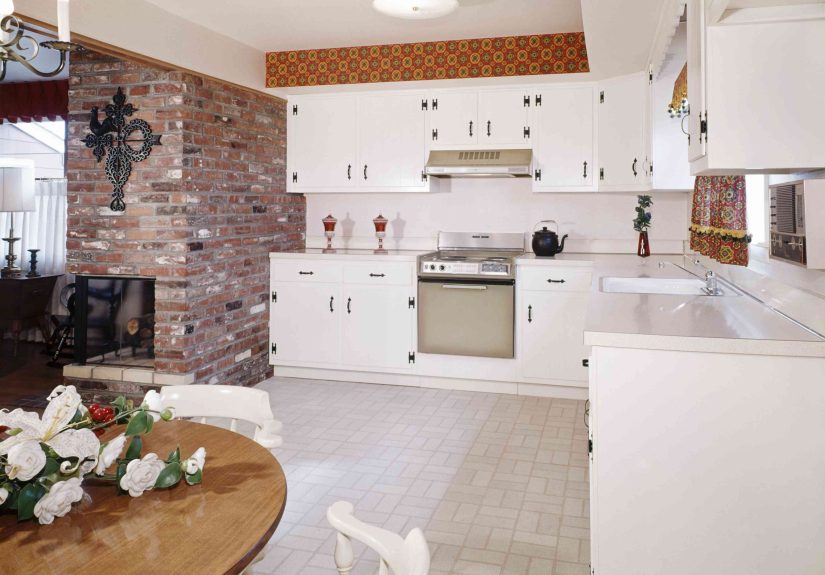
The 1960s kitchen was a delightful contradiction: part “space-age optimism,” part “please don’t spill the meatloaf, this floor is brand new.” It was the era when sleek lines met cheerful color, when convenience became a design goal (hello, built-ins), and when patterns got bold enough to make your toaster feel underdressed.
The best news? You don’t need to live in a perfectly preserved ranch houseor commit to a full-on time capsuleto borrow the best 1960s kitchen trends. In this guide, we’ll break down the most iconic mid-century kitchen ideas and show you how to adapt them for a modern, functional space that still feels fun.
What Makes a “1960s Kitchen” Feel Like the 1960s?
A true 1960s vibe is more than tossing a retro sign on the wall and calling it a day. The decade leaned into: clean geometry, practical layouts, innovative materials (especially laminate and vinyl), playful color, and lighting that sometimes looked like it could communicate with NASA.
Think mid-century modern kitchen energy: simple forms, warm wood, confident color accents, and a room designed for real lifefamily dinners, coffee refills, and the occasional “why is the blender smoking?” moment.
1) Color Palettes: From Bright Pastels to Late-’60s Earth Tones
If the 1950s kitchen was a candy shop, the 1960s kitchen grew into a stylish boutiquestill colorful, but a bit more “edited.” Early ’60s kitchens often kept the cheerful spirit alive with light, optimistic shades. As the decade moved along, palettes shifted toward deeper, moodier colors that foreshadowed the 1970s.
How to use 1960s color without turning your kitchen into a costume
- Pick one “hero color.” Try teal, aqua, olive, warm yellow, or a punchy redthen keep the rest calmer.
- Go two-tone. Mid-century spaces love contrast: darker lowers + lighter uppers, or a bold island against neutral cabinets.
- Use color in removable ways. Bar stools, a runner, dishware, or a painted door give retro flair with minimal commitment.
Want a historically grounded late-’60s nod? Colored appliances and finishes moved into richer territory during the decadethink coppery warmth and greens that look like they were inspired by an actual avocado rather than a neon sign.
2) Flat-Front (Slab) Cabinets and the Rise of Sleek Wood
Cabinetry is one of the fastest ways to channel 1960s kitchen design. This is when ornate detailing took a back seat to flat-front doors, minimal fuss, and a focus on streamlined storage. Wood tones were especially popular, often in warm veneers (walnut, teak-ish looks, and other “I definitely own a record player” finishes).
Modern ways to bring back 1960s cabinet style
- Choose slab-front doors (flat panels) in a wood finish or a solid color.
- Use simple hardwarebar pulls, small knobs, or understated edge pulls keep the look clean.
- Mix wood and paint. A walnut-look base with creamy uppers feels authentic and fresh.
If you love mid-century modern kitchens but worry about them looking cold, lean into warm wood and soften it with textured accessories: ceramics, woven shades, or a vintage-inspired runner. (Your feet deserve joy, too.)
3) Laminate Countertops: The Comeback Kid of Retro Kitchen Design
The 1960s didn’t just use laminateit celebrated it. Laminate was practical, easy to clean, and available in patterns that ranged from subtle to “I think my countertop is trying to hypnotize me.”
Signature 1960s countertop looks
- Solid-color laminate in crisp white, charcoal, or a muted retro shade
- Speckled or terrazzo-like patterns for a lively surface that hides crumbs like a professional magician
- Boomerang-style patterns (popular in the late ’50s into the early ’60s) for maximum atomic-age charm
Today, you can recreate the vibe with modern laminate that performs better than the vintage stuffwhile still giving you that classic retro kitchen look. Pair it with slab cabinets and suddenly your kitchen feels like it’s ready to host a martini party (even if you’re serving juice boxes).
4) Backsplashes: Square Tile, Simple Grids, and Graphic Punch
The 1960s backsplash often leaned clean and geometric. The look wasn’t fussymore grid than frills. Small square tiles, simple mosaics, and strong color choices were common ways to add personality without cluttering the room.
Easy 1960s-inspired backsplash ideas
- 4×4 square tile in white, pale color, or a bold retro shade
- Black-and-white contrast for a graphic mid-century punch
- One accent band (a single stripe of color) instead of a busy pattern wall
If you want to keep it modern, choose a classic grid layout but use contemporary grout colors, clean edges, and streamlined outlets. You get the mid-century vibe without the “why does this feel sticky?” mystery that sometimes comes with true vintage installs.
5) Flooring: Vinyl, Linoleum, and Patterns with Confidence
Kitchens in the 1960s were big on resilient flooringmaterials designed to handle spills, scuffs, and whatever chaos a weekday dinner brings. Vinyl and linoleum offered tons of patterns: faux brick, checkerboard looks, starburst-like inlays, color-blocked tiles, and more.
Bring back 1960s floors (without bringing back 1960s problems)
- Go for modern vinyl or linoleum in a retro patterntoday’s products can mimic the look with better durability.
- Try a subtle checkerboard (cream + warm gray, or white + muted green) for a nod that won’t dominate the room.
- Important safety note: some mid-century flooring materials historically included asbestos. If you’re renovating an older home, treat unknown old tiles seriously and consult qualified professionals before disturbing them.
Flooring is an underrated way to shout “1960s kitchen trends!” without repainting everything. It’s also one of the quickest ways to make guests say, “Wait… is this new? Because it looks like it has a great backstory.”
6) Lighting: Globe Pendants, Sputnik Energy, and Warm Glow
Lighting in the 1960s embraced sculptural shapesglobe pendants, multi-arm fixtures, and designs that feel part art, part illumination. A mid-century lighting swap can change the whole mood of the room faster than you can say, “Who installed that fluorescent box light?”
Modern lighting ideas with a 1960s feel
- Globe pendants over an island or dining nook
- Semi-flush “sputnik-inspired” fixtures in smaller kitchens with standard ceilings
- Warm bulbs to flatter wood cabinets and keep the space inviting
Pro tip: if you want the retro look without the “stage set” feeling, keep the fixture vintage-inspired but let everything else breathe. One dramatic light is charming. Five dramatic lights is… a chandelier support group.
7) Built-Ins and Smart Layouts: The Practical Side of Mid-Century Modern Kitchens
The 1960s wasn’t just about looksit was about making kitchens work better. Built-in wall ovens, dedicated cooktops, and integrated storage started to feel like the future. Layouts often focused on efficiency: galley kitchens, L-shapes, and eat-in corners that kept the room social.
1960s layout ideas you can still steal today
- Create a breakfast nook. Even a small banquette and table can bring back that “family hub” feel.
- Use an appliance garage or dedicated cabinet zones to hide countertop clutter.
- Respect the workflow. Keep prep, sink, and cooking zones logically connectedyour future self will thank you at 6:12 p.m.
If you live in a 1960s home, this is a big one: many designers recommend working with the original layout unless there’s a real functional issue. Those mid-century floor plans often had a reasonand ripping everything out can erase the charm you moved in for.
8) Retro Appliances and Finishes: Color, Paneling, and a Little Drama
Appliances in the 1960s increasingly became part of the style story. Color options expanded, and finishes ranged from bright and playful to rich and earthy as the decade progressed. Even panel-ready looks showed up in various formsyes, your fridge might have wanted to match your cabinets.
How to incorporate retro appliances (without losing modern performance)
- Choose one statement appliance (fridge or range) in a retro color, then keep the rest simple.
- Use vintage-inspired hardware and simple shapes to hint at the era, even with standard stainless appliances.
- Go “retro adjacent.” A warm off-white, soft black, or muted green can feel mid-century without being loud.
If you’re aiming for authenticity, remember the decade had a transition: early-’60s optimism still showed up in brighter tones, while late-’60s kitchens began embracing deeper, nature-leaning colors.
9) Mid-Century Accessories: The Fun Stuff That Makes It Feel Lived-In
This is the part where your kitchen gets its personality back. Mid-century kitchens loved practical objects that also looked good: colorful canisters, patterned dishware, graphic textiles, and wall clocks that looked like they were auditioning for a modern art museum.
Easy 1960s kitchen decor wins
- Colorful canister sets (flour, sugar, coffee) in enamel or ceramic
- Melamine or vintage-style dinnerware for casual, cheerful everyday use
- Graphic prints (abstract, geometric, atomic-inspired) in small doses
- Plants to soften the geometry and add that lived-in warmth
The trick is restraint: one or two retro accessories per surface, not an entire flea market parade. You’re designing a kitchennot building a movie prop warehouse.
How to Mix 1960s Kitchen Trends with Modern Style
The most successful retro kitchens aren’t replicas; they’re remixes. Here’s a simple formula:
- Start with a modern foundation: good lighting, durable surfaces, smart storage
- Add 1–2 authentic mid-century anchors: slab cabinets, laminate, retro flooring, or a statement light
- Finish with playful details: color accents, textiles, accessories
That approach keeps your space practical for today while still delivering the mid-century magic. Because let’s be honest: you want a kitchen that looks cool and holds all your snacks.
Conclusion: A 1960s Kitchen, Updated for Real Life
The best 1960s kitchen trends are still relevant because they balance style and function. Slab-front cabinets and warm woods feel timeless. Laminate and resilient flooring offer practical durability. Bold-yet-simple geometry keeps the look clean, and the era’s playful color reminds us that a kitchen can be efficient and joyful.
Whether you borrow one idea (hello, globe pendant) or build a full retro kitchen design, aim for a space that feels like you: modern where it matters, vintage where it delights, and always ready for whatever ends up on the menu.
Experience Notes: What People Learn After Trying a 1960s-Inspired Kitchen (Extra )
Here’s the part most inspiration photos skip: the “okay, but how does it live?” reality. When homeowners incorporate 1960s kitchen trends, the happiest outcomes usually come from a few experience-tested lessonsgleaned from common renovation stories, vintage restorations, and the occasional regret purchase that someone swears was “a great deal” until it arrived on a pallet.
1) One bold pattern is adorable. Three bold patterns are a negotiation.
Mid-century design loves confidenceboomerang laminate, graphic floors, geometric wallpaper. But in a real kitchen, too many competing patterns can turn “retro chic” into “visual traffic jam.” A practical approach: choose one statement surface (floor or countertop or backsplash), then keep the others quieter. If you really want two statement moments, make sure one is large-scale (like flooring) and the other is small-scale (like textiles or dishware) so your eyes have somewhere to rest.
2) Slab cabinets look simpleuntil storage gets complicated.
Flat-front cabinets are a signature mid-century modern kitchen feature, but the interior organization matters more than the door style. People who love their retro remodels often invest in modern functionality behind the scenes: deep drawers for pots, pull-out pantry shelves, and smart corner solutions. The outside stays clean and period-friendly; the inside works like a dream. This is the sweet spot where vintage style and modern life stop arguing and start cooperating.
3) Vintage appliances are charming… and sometimes emotionally high-maintenance.
A true vintage range in a knockout color can feel like the crown jewel of a retro kitchen design. But owners who go this route often learn to ask the unglamorous questions: Are parts available? Can a local tech service it? Does it meet your everyday cooking needs? Many people land on a compromise: one retro-look appliance (new, with modern reliability) paired with standard modern pieces. You still get the 1960s vibe without developing a close personal relationship with a repair shop.
4) Old floors can hide big surprisesplan accordingly.
Those classic mid-century resilient floors can be gorgeous, but renovations in older homes sometimes uncover layers of historyadhesives, underlayment, or materials that require careful handling. The most successful projects budget time and money for professional assessment when needed, and they choose modern replicas if there’s any uncertainty. The goal is to recreate the look, not recreate the hazards.
5) The “1960s feeling” often comes from lighting and color, not demolition.
People are frequently surprised by how much a kitchen changes with just a few targeted upgrades: a globe pendant, a sputnik-inspired ceiling fixture, a warm wood tone introduced through shelving or cabinetry, and a confident accent color on an island or door. These moves can deliver mid-century charm without tearing out a perfectly functional layout. In fact, keeping an efficient galley or L-shaped plan often makes the finished space feel more authentic.
In other words: you don’t need to rebuild your kitchen to get the 1960s magic. You need a clear plan, a little restraint, and the wisdom to stop before your backsplash starts competing with your floor for attention like two siblings fighting over the last cookie.