Table of Contents >> Show >> Hide
- What Exactly Is the “Butter Stick” Trend?
- Butter 101: What You’re Actually Eating
- Why Snacking on Sticks of Butter Is a Bad Idea
- 1) It can spike LDL (“bad”) cholesterolfast
- 2) It’s wildly easy to overshoot daily saturated fat targets
- 3) It’s not a smart weight-loss tactic (sorry, internet)
- 4) Your stomach and gallbladder may stage a protest
- 5) It crowds out healthier fats (the ones with actual benefits)
- 6) It can feed diet culture and disordered eating patterns
- But Isn’t Butter “Natural”? Doesn’t That Make It Healthy?
- Healthier Ways to Get That “Rich and Satisfying” Feeling
- How to Spot a Viral Nutrition Red Flag (Before Your Body Does)
- FAQ: The Questions People Ask (Usually Right After Seeing the Trend)
- Conclusion: Butter Belongs on Food, Not as the Food
- Experiences People Commonly Report Around the “Butter Stick” Trend (And What They Learn From It)
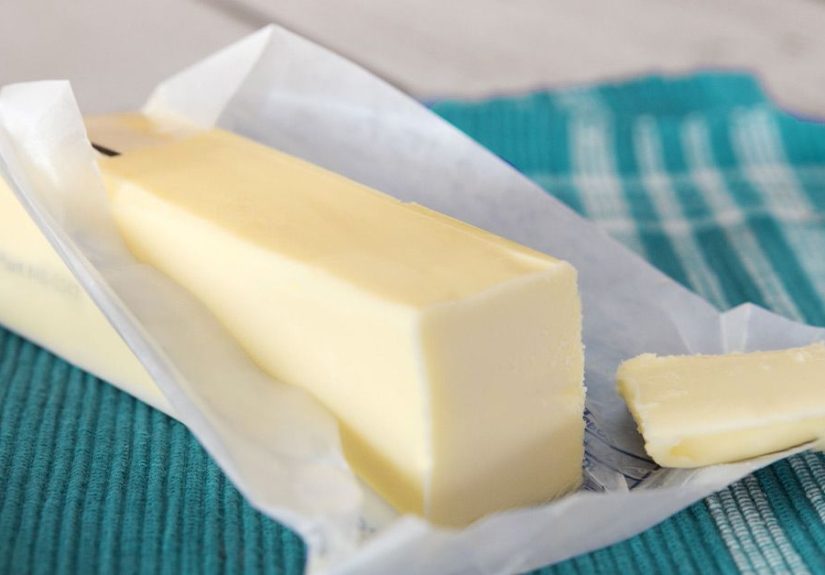
Somewhere, a dairy cow just rolled its eyes. If you’ve recently scrolled TikTok and seen people casually chomping on a stick of butter like it’s a mozzarella stick’s unhinged cousin, you’re not alone. The trend pops up in “keto,” “carnivore,” and “weight loss hack” corners of the internet, usually accompanied by confident claims like “It fixes my cravings,” “It’s basically fuel,” or the evergreen classic: “Trust me.”
Butter isn’t evil. It’s delicious, it’s nostalgic, it makes vegetables taste like they went to finishing school. But as a snackstraight, by the stickthis is one of those viral ideas that feels edgy online and feels regretful in real life. Let’s break down what’s going on, why it’s a bad move for most people, and what to do instead if you’re craving something rich and satisfying.
What Exactly Is the “Butter Stick” Trend?
The concept is simple: eat butter by itself (sometimes a whole stick), often framed as a “quick fat source” for low-carb eating, a meal replacement, or a way to “stay in ketosis.” Some creators pair butter with other foods (dates, salt, honey), but many videos feature butter as the main eventno bread, no veggies, no context, just dairy audacity.
Viral nutrition fads have a pattern: take a kernel of truth (“fat can be satisfying”), turn it up to 11 (“so eat a stick”), and then skip the part where human bodies exist with things like arteries, gallbladders, and basic common sense.
Butter 101: What You’re Actually Eating
Butter is mostly fat, specifically a lot of saturated fat. It also packs calories fast. That’s not shockingfat is the most calorie-dense macronutrient. What’s surprising is how quickly “a little butter” turns into “a lot.”
Quick nutrition math (because your body keeps receipts)
- 1 tablespoon of butter is about 100 calories and roughly 7 grams of saturated fat.
- 1 stick of butter is typically 8 tablespoonsso you’re looking at roughly 800 calories and about 50–60 grams of saturated fat.
That’s not a “snack.” That’s a calorie bomb with a side of “Why does my stomach hate me?”
Why Snacking on Sticks of Butter Is a Bad Idea
1) It can spike LDL (“bad”) cholesterolfast
Saturated fat raises LDL cholesterol for many people. And higher LDL is strongly linked to a higher risk of heart disease and stroke. Butter is one of the classic sources of saturated fatright up there with fatty meats and full-fat dairy.
Health organizations generally recommend keeping saturated fat limited and focusing more on unsaturated fats (like olive oil, nuts, seeds, and fatty fish). When TikTok turns saturated fat into a main character, your cardiovascular system is the one stuck dealing with the plot twist later.
2) It’s wildly easy to overshoot daily saturated fat targets
Many guidelines suggest limiting saturated fat to a relatively small portion of daily calories. A single tablespoon of butter can take a big bite out of that limit. A whole stick doesn’t just exceed itit does a victory lap around it.
Even if you’re young and feel fine, high saturated fat intake can be an invisible “slow build” issue. Cholesterol changes aren’t always loud. They don’t send a push notification like TikTok does.
3) It’s not a smart weight-loss tactic (sorry, internet)
The weight-loss logic usually goes like this: “Fat keeps me full, so I eat less later.” The problem is that butter is extremely calorie-dense and not especially filling compared with meals that include protein and fiber. A “butter snack” can add hundreds of calories without providing the fullness you’d get from, say, Greek yogurt and berries, eggs with vegetables, or nuts plus fruit.
Also: replacing meals with butter means you’re skipping protein (important for muscle and satiety), fiber (important for digestion and cholesterol), and a long list of vitamins and minerals you don’t get from… a butter rectangle.
4) Your stomach and gallbladder may stage a protest
A large “bolus” of fat (aka a sudden fat flood) can trigger nausea, cramping, diarrhea, or that heavy, stuck feeling in the stomach. People with gallstones or gallbladder issues are especially likely to regret high-fat choices quickly. Even without a diagnosed issue, a straight butter snack is basically daring your digestion to keep up.
5) It crowds out healthier fats (the ones with actual benefits)
Not all fats behave the same. Unsaturated fatslike those in olive oil, avocado, walnuts, chia seeds, and salmon are consistently linked with better heart outcomes when they replace saturated fats. Butter doesn’t offer that same payoff. It’s a “use for flavor” food, not a “build your diet around me” food.
6) It can feed diet culture and disordered eating patterns
A lot of “butter stick” content is wrapped in extreme messaging: demonizing carbs, skipping meals, “discipline” talk, and an all-or-nothing mindset. That vibe can be riskyespecially for teens and people with a history of restrictive eating. Viral diet trends can normalize behaviors that look “quirky” online but are physically and mentally harmful over time.
But Isn’t Butter “Natural”? Doesn’t That Make It Healthy?
“Natural” is not a nutrition superpower. Plenty of natural things are not great as daily habits. Butter is minimally processed and can absolutely fit into a balanced diet. The issue is dose and context.
Using a small amount of butter to sauté vegetables? Normal. Baking cookies with butter? A joyful part of being human. Treating butter like a snack bar? That’s where the wheels come off.
Healthier Ways to Get That “Rich and Satisfying” Feeling
If the butter stick trend appeals to you because you want something filling, salty, comforting, and quick, you’re not “weak.” You’re hungry, busy, stressed, or all three. Here are better options that give you satisfaction and nutrition.
Snack swaps that actually work
- Greek yogurt + berries + chopped nuts (protein + fiber + healthy fats)
- Apple slices + peanut butter (sweet + fat + fiber, with portion control built in)
- Hummus + carrots/bell peppers (fiber + protein + crunch)
- Cottage cheese + tomatoes + everything seasoning (savory, high-protein, easy)
- Avocado toast (yes, it’s clichébecause it works)
- Hard-boiled eggs + fruit (portable, balanced)
If you’re low-carb or keto
You can still choose smarter fats: olive oil, avocado, nuts, seeds, and fatty fish. If butter is part of your approach, keep it as a flavor boosternot a meal replacement. Pair fat with protein and fiber whenever possible (think salmon salad, chicken with veggies, eggs with greens).
How to Spot a Viral Nutrition Red Flag (Before Your Body Does)
- It’s extreme: “Eat a stick of butter” is not moderation, it’s performance art.
- It promises quick results: “Instant fat loss” is usually marketing, not metabolism.
- It replaces meals with one ingredient: real bodies need variety.
- It shames whole food groups: carbs aren’t villains; context matters.
- No credentials, lots of confidence: the internet is loud; your lab results are louder.
FAQ: The Questions People Ask (Usually Right After Seeing the Trend)
Is butter “bad” for you?
Not inherently. Butter can fit in a healthy diet in small amounts. The problem is eating it like candy.
Will eating butter help me lose weight on keto?
Fat can help you feel satisfied, but butter is calorie-dense and easy to overdo. Weight loss still depends on overall intake and a sustainable eating pattern.
What if I ate a stick of butter once?
One time isn’t a life sentence. Hydrate, eat normally afterward, and don’t make it a habit. If you feel severe pain, vomiting, or symptoms that worry you, contact a healthcare professional.
Conclusion: Butter Belongs on Food, Not as the Food
TikTok can be fun, but it’s not your cardiologist or your dietitian. Eating a stick of butter as a snack loads you up with saturated fat and calories, can push LDL cholesterol in the wrong direction, may upset your digestion, and turns nutrition into a stunt instead of a strategy.
If you love butter, keep loving itjust in normal-human ways: a pat on toast, a little in a pan, a small part of a bigger meal. Your taste buds stay happy, your heart stays supported, and your digestive system stops drafting angry emails.
Experiences People Commonly Report Around the “Butter Stick” Trend (And What They Learn From It)
People usually don’t try the butter stick trend because they secretly adore bland dairy logs. They try it because they want a shortcut: fewer cravings, steady energy, fast weight loss, or a sense of control over food. And to be fair, some folks describe an initial “wow” moment especially if they were eating very low-carb already and felt hungry all the time. A bite of butter can feel instantly soothing, like flipping a switch from “snacky chaos” to “quiet.” That immediate calm is part biology (fat tastes good and can feel satisfying) and part psychology (you did the “hack,” you’re in the club, you posted the video).
Then reality tends to show up with a clipboard. One common experience is stomach discomfort: a heavy feeling, nausea, or an “oily” aftertaste that lingers longer than the trend itself. Some people describe feeling fine for 20 minutes and then suddenly wishing they had chosen literally anything elselike a banana, or a sandwich, or a nap. Others report urgent bathroom trips or cramping, especially if their usual diet isn’t high in fat. A sudden fat load can be a lot for digestion to handle, and your body may respond like, “We did not schedule this.”
Another pattern: the energy roller coaster. Because butter is basically fat with very little protein or fiber, it doesn’t behave like a balanced snack. Some people feel a temporary energy lift (often because they were under-eating and finally got calories), but later notice they’re hungry againsometimes intensely. That can trigger a weird loop: butter to “stay full,” then hunger rebounds, then more restrictive thinking, then overeating later. The trend can accidentally train you to ignore normal hunger cues, which makes your body push back harder.
Socially, people talk about the awkwardness more than you’d expect. Eating butter on camera looks bold; eating butter in real life can feel strangely isolating. Some people mention hiding it, avoiding meals with family, or feeling “off plan” if they eat normal food afterward. That’s a red flag: when a food choice starts changing your relationships, your routines, or your mood, it’s no longer “just a snack.” It’s diet culture wearing a trendy outfit.
The most useful “experience-based” takeaway people share is the simplest: they don’t actually want butterthey want satisfaction. When they swap the butter stick for a snack with protein and fiber (like yogurt and nuts, eggs and fruit, hummus and pita, or even a real meal), cravings often get easier to manage without the digestive drama. The trend becomes a moment they laugh about later: “Remember when I tried to eat butter like it was a granola bar?” And that’s the best ending. If you’re tempted by the butter stick idea, consider it a signalnot that butter is magical, but that your body is asking for steady meals, enough calories, and a more balanced way to feel full.