Table of Contents >> Show >> Hide
- What Happens During Plasma Donation (and Why It Can Cause Side Effects)
- Common Side Effects of Donating Plasma (Usually Mild)
- 1) Bruising, Soreness, or Discomfort at the Needle Site
- 2) Feeling Lightheaded, Dizzy, or Faint (Vasovagal Reaction)
- 3) Fatigue or “I Could Nap Anywhere” Energy
- 4) Dehydration (Especially If You Don’t Hydrate Before and After)
- 5) Chills or Feeling Cold
- 6) Tingling Lips/Fingers, a Metallic Taste, or Mild Muscle Twitching (Citrate Reaction)
- Less Common (But Important) Risks and Side Effects
- Side Effects vs. “How Often You Donate”: What Changes With Frequent Plasma Donation?
- Who Should Be Extra Cautious (or Talk to a Clinician First)
- How to Reduce Side Effects Before, During, and After Donation
- When Side Effects Mean “Get Medical Help”
- The Bottom Line
- Donor Experiences: What It Often Feels Like in Real Life (Not Just in Brochure Land)
Plasma donation sounds a little sci-fi (like you’re fueling a spaceship), but it’s actually a pretty straightforward process that helps make lifesaving medicines and treatments.
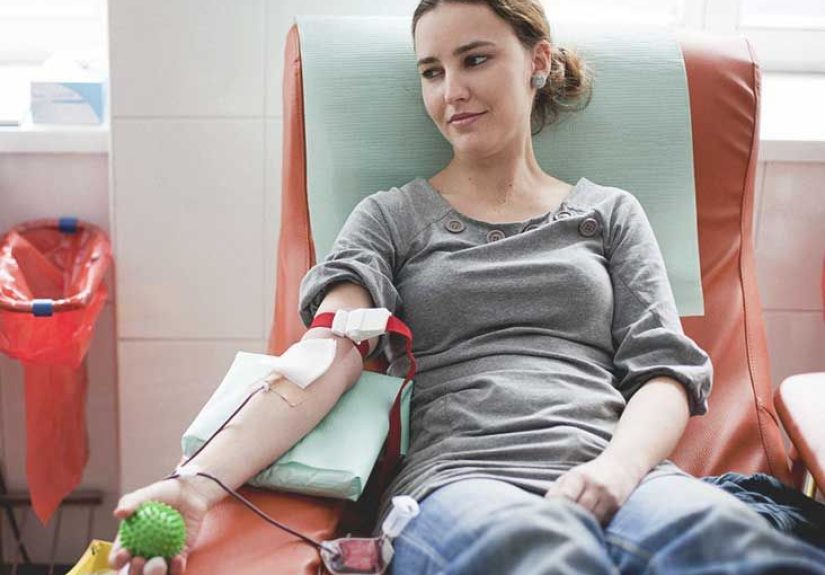
If you’re thinking about donatingor you’ve already donated and your arm is wearing a tiny “bandage bracelet”you’re probably wondering the same thing as everyone else:
What are the side effects of donating plasma?
The good news: for most people, side effects are mild, temporary, and manageable. The more nuanced news: there are a few reactions worth knowing about,
especially if you donate often, tend to faint easily, or your body is the type that dramatically announces, “Excuse me, I need a snack.”
Let’s walk through the common side effects, the less common ones, why they happen, what helps, and when it’s time to call a clinician instead of just
side-eyeing your water bottle.
What Happens During Plasma Donation (and Why It Can Cause Side Effects)
Most plasma donations in the U.S. happen through a process called apheresis. A needle goes into a vein, blood travels through a machine that
separates out the plasma, and then your red blood cells and platelets are returned to you (usually with some saline).
To keep the blood from clotting in the tubing, the machine uses an anticoagulant (often citrate). This matters because citrate can temporarily
bind to calcium in your bloodone of the main reasons some donors feel tingling or chills during donation.
Think of plasma donation like lending out the “liquid portion” of your blood for a bit. Your body is very good at replacing plasma, but some people feel
side effects while things rebalance.
Common Side Effects of Donating Plasma (Usually Mild)
1) Bruising, Soreness, or Discomfort at the Needle Site
This is the most classic “I donated” souvenir. You may feel a pinch when the needle goes in, then mild soreness afterward. A bruise can happen if a small
amount of blood leaks under the skin. Occasionally, you may get a larger bruise (a hematoma), especially if pressure wasn’t held long enough afterward.
- What it feels like: tenderness, a small bump, purple/blue discoloration, mild ache.
- What helps: keep the wrap on as instructed, avoid heavy lifting with that arm for the rest of the day, use a cool compress early, and gentle warmth later if sore.
- When to be concerned: rapidly expanding swelling, severe pain, numbness/tingling in the arm that doesn’t improve, or warmth/redness that worsens over 1–2 days.
2) Feeling Lightheaded, Dizzy, or Faint (Vasovagal Reaction)
Some donors feel woozy during or after donation. This can happen from a temporary drop in blood pressure, anxiety, dehydration, not eating beforehand,
or your nervous system doing that dramatic “dim the lights” response (a vasovagal reaction).
- What it feels like: dizziness, nausea, sweating, “I need to sit down right now,” blurry vision, or feeling suddenly warm.
- What helps: tell staff immediately, lie back, elevate legs if needed, sip fluids, and take your time standing up afterward.
- Pro tip: don’t try to “tough it out.” The donation chair is not a stage for bravery; it’s a place for honesty and juice boxes.
3) Fatigue or “I Could Nap Anywhere” Energy
Many people feel totally normal after donating. Others feel tired for the rest of the dayespecially if they were already running on low sleep and high
caffeine. Plasma contains water, electrolytes, and proteins. Even though red blood cells are returned, the process can still leave you feeling a bit drained.
- What helps: a balanced meal, hydration, and avoiding intense workouts for the rest of the day.
- How long it lasts: usually hours, sometimes into the next day if you were underfed, dehydrated, or sleep-deprived.
4) Dehydration (Especially If You Don’t Hydrate Before and After)
Plasma is mostly water. Giving plasma can make you feel thirsty, headachy, or sluggish if you’re not well-hydrated.
Dehydration is one of the easiest side effects to preventand one of the easiest to accidentally cause by “forgetting” water and remembering iced coffee.
- What it feels like: thirst, headache, dry mouth, fatigue, mild dizziness.
- What helps: drink extra fluids after donating (and avoid alcohol for the next 24 hours).
5) Chills or Feeling Cold
Some donors feel cold during donation. Apheresis can lower body temperature slightly, and the saline return can feel cool. Citrate effects can also contribute
to chills in some people.
- What helps: ask for a blanket, wear comfortable layers, and mention symptoms early so staff can adjust the process if needed.
6) Tingling Lips/Fingers, a Metallic Taste, or Mild Muscle Twitching (Citrate Reaction)
This is the side effect that surprises first-timers the most. Citrate helps prevent clotting in the machine, but a little can enter your bloodstream and
temporarily bind calcium. That can cause mild hypocalcemia-like symptoms, often starting as tingling around the mouth or in the fingers.
- What it feels like: tingling or numbness, a metallic taste, mild chills, shakiness, or mild muscle twitching.
- What helps: tell staff right awaysolutions can include slowing the process, adjusting ratios, and (in some settings) providing calcium.
- Important: most citrate reactions in donation settings are mild and resolve quickly with staff support.
Less Common (But Important) Risks and Side Effects
1) Prolonged Bleeding
A small amount of bleeding at the needle site can happen right after the needle is removed. It’s usually fixed with firm pressure and a bandage.
Prolonged bleeding is less common but can occur if you bend your arm too soon, remove the wrap early, or have an underlying bleeding tendency.
2) Infection (Rare, But Watch for Signs)
Donation centers use sterile, single-use needles, which makes infections uncommon. Still, anytime skin is punctured, there’s a small risk of local infection.
- Red flags: increasing redness, warmth, swelling, pus, fever, or pain that gets worse after the first day.
- What to do: contact a clinician promptly if you see these signs.
3) Nerve Irritation or Arm Pain
Occasionally, a donor may feel shooting pain, tingling, or numbness in the arm or hand if a nerve is irritated. This is uncommon, but it’s a “speak up now”
situation, not a “maybe it’ll magically stop if I ignore it” situation.
4) Arterial Puncture or Large Hematoma (Uncommon)
Veins are the target, but arteries exist in the neighborhood. Arterial puncture is uncommon, and staff are trained to recognize it quickly.
A larger hematoma can also happen if blood leaks under the skin.
If you notice significant swelling, severe pain, or persistent bleeding, seek medical guidance.
5) Allergic or Skin Reactions (Tape, Antiseptic, or Sensitivity)
Some donors react to adhesive, cleaning solutions, or latex-free products (even the “gentle” ones can be rude sometimes). Reactions can include itching,
redness, or a rash at the site.
Side Effects vs. “How Often You Donate”: What Changes With Frequent Plasma Donation?
Most occasional donors bounce back quickly. More frequent donation is where you’ll want to pay closer attentionbecause repeated plasma removal can affect
certain blood proteins over time, especially if you donate at the high end of allowable frequency.
Donation frequency rules aren’t the same everywhere
In the U.S., different organizations follow different schedules based on collection type and purpose:
-
Source plasma centers (often used for plasma-derived medicines) generally follow federal limits that allow donation as often as once every 48 hours,
and no more than twice in a 7-day period. - Community blood organizations (like some Red Cross plasma programs) may require longer intervalsoften around once every 28 days for certain plasma donations.
Total protein and immunoglobulins (like IgG) can dip with very frequent donation
Plasma contains proteins, including immunoglobulins (antibodies) such as IgG. Research on frequent plasma donation shows that total serum protein and IgG levels can decrease
when donation is very frequent, although donation programs monitor donor labs and defer donors who fall below safety thresholds.
Translation: your body is resilient, but it’s not a bottomless protein subscription service. Screening exists for a reason, and deferrals are a safety featurenot a personal insult.
What about iron?
Because red blood cells are returned during plasma donation, iron loss is typically less than with whole blood donation. However, frequent donors may still see
changes in iron-related markers depending on individual factors, small red cell losses during procedures, and overall diet/health.
Who Should Be Extra Cautious (or Talk to a Clinician First)
Donation centers screen for eligibility, but it’s still smart to check with a healthcare professional if you have:
- Frequent fainting, very low blood pressure, or a history of serious vasovagal episodes
- Bleeding disorders or you’re on blood thinners (some medications may defer you)
- Calcium-related conditions, frequent muscle cramps, or a history of severe citrate reactions
- Recurring infections or immune system conditions (especially if you plan frequent donation)
- Chronic anemia or known iron deficiency
If you’re under 18, donation rules can be stricter and vary by program. Always follow your center’s requirements and ask questions.
How to Reduce Side Effects Before, During, and After Donation
Before you donate
- Hydrate: drink plenty of water the day before and the day of your appointment.
- Eat a real meal: aim for a balanced meal with protein and carbs 2–3 hours before you go.
- Sleep: being overtired makes dizziness and fatigue more likely.
- Skip alcohol: it can dehydrate you and increase the odds of feeling unwell afterward.
During donation
- Speak up early: tingling, chills, nausea, dizzinesstell staff right away so they can adjust.
- Stay warm: a hoodie is not a fashion statement here; it’s a strategy.
- Move gently: small leg/foot movements can help some donors avoid vasovagal symptoms (follow staff guidance).
After donation
- Hang out for the observation period: don’t sprint to the parking lot like you’re late for a heist.
- Drink extra fluids: additional non-alcoholic fluids for the next 24 hours can help recovery.
- Avoid heavy lifting: especially with the donation arm for the rest of the day.
- Eat again: a snack right after is helpful, and a solid meal later is even better.
When Side Effects Mean “Get Medical Help”
Most post-donation symptoms improve with rest, fluids, and food. Seek urgent medical care if you develop:
- Difficulty breathing, chest pain, or severe weakness
- Severe or worsening muscle cramps, spasms, or persistent tingling (especially if it doesn’t improve after leaving)
- Significant swelling, severe pain, or numbness in the arm
- Fever, spreading redness, pus, or signs of infection at the needle site
- Bleeding that won’t stop with firm pressure
The Bottom Line
Donating plasma is generally safe for healthy, eligible donors. The most common side effectsbruising, fatigue, mild dizziness, chills, or tingling from citrateare
usually short-lived. The best defenses are simple: hydrate, eat, rest, and tell staff the moment something feels off.
If you donate frequently, pay attention to how you feel over time. Donation programs include screening and lab checks to protect donor health, but your body’s
feedback still matters. Consider a quick chat with a clinician if you’re planning high-frequency donation or notice persistent fatigue, frequent infections, or
repeated strong reactions.
Donor Experiences: What It Often Feels Like in Real Life (Not Just in Brochure Land)
The internet is full of plasma donation stories that range from “easy money and a cookie” to “I saw the face of my ancestors when I stood up.” Realistically,
most experiences land somewhere in the middle: mostly fine, mildly weird, occasionally inconvenient.
Here are common patterns donors describeshared as general experiences, not guarantees.
The First-Timer Who Didn’t Expect the Tingling
A lot of first-time donors walk in thinking the biggest hurdle is the needle. Thenhalfway throughthe tingling starts: lips, fingertips, maybe a metallic taste
that makes you wonder if you licked a coin. This is often the classic citrate effect. Many donors say it feels strange but not painful, like your body briefly switched
to “vibrate mode.” The important part is what happens next: when donors mention it right away, staff can slow the process or take other steps, and symptoms often fade.
The donors who have the roughest time are usually the ones who try to ignore it because they don’t want to be “a bother.” (Spoiler: you’re not a bother.
You’re literally the entire reason the place exists.)
The “I’m FineWait, Why Is the Room Spinning?” Moment
Some donors feel great during the donation and then get lightheaded afteroften when they stand up too quickly, haven’t eaten much, or didn’t hydrate well.
Donors commonly describe a quick wave of dizziness, sweating, or nausea that improves after they sit, sip water, and eat a snack.
People who are prone to vasovagal reactions sometimes learn their personal “success formula”: eat a decent meal beforehand, avoid showing up dehydrated,
and take the recovery period seriously instead of trying to speed-run the exit.
The Bruise That Becomes a Conversation Starter
Bruising is so common that donors sometimes treat it like a temporary badge. Most bruises are minor: a small spot, mild tenderness, gone in a week or so.
But occasionally, donors get a larger bruise and feel annoyedespecially if they had plans involving short sleeves.
People often report that icing early helps, and later warmth can ease soreness. Some donors also notice that they bruise more when they go in cold,
tense up, or don’t keep pressure on the site long enough. Over time, experienced donors tend to get better at the “aftercare routine”:
keep the wrap on, don’t lift heavy stuff, don’t poke it every 10 minutes like it’s a science experiment.
The Donor Who Learns Hydration Is Not Optional
Repeat donors frequently say the biggest predictor of a smooth experience is hydration. The sessions where donors feel “off” are often the same ones where they
realize they showed up under-hydrated, underfed, or running on too little sleep. Many describe a pattern: if they drink extra water the day before and the morning of,
eat something with protein and carbs, and skip alcohol around donation time, they feel normal afterward. When they don’t, they’re more likely to feel tired, headachy,
or mildly dizzy.
The High-Frequency Donor Who Starts Listening to Their Body More Closely
People who donate often sometimes notice that recovery isn’t identical every time. Many still feel fine, but some report that fatigue builds if they donate at the
maximum frequency, especially if life outside the donation center is stressful (work, school, not sleeping, not eating well).
This is where donor screening and lab checks matterand where personal awareness matters too. Donors often say they feel best when they treat plasma donation like
a fitness recovery day: extra fluids, a solid meal, and no intense workouts right afterward. If they start getting frequent strong tingling episodes, repeated dizziness,
or lingering tiredness, they often choose to donate less frequently and/or talk to a clinician.
The overall “real-life” takeaway donors tend to agree on: plasma donation is usually manageable, but it rewards preparation.
Eat, hydrate, rest, and communicate. Your future self (and your arm) will thank you.