Table of Contents >> Show >> Hide
- Jump to
- Quiche vs. Frittata: What’s the Difference?
- Master Formulas (Ratios That Don’t Betray You)
- Quiche Basics: Crust, Custard, Doneness
- Frittata Basics: Pan, Heat, Finish
- Recipe Collection: Quiche & Frittata You’ll Actually Make Again
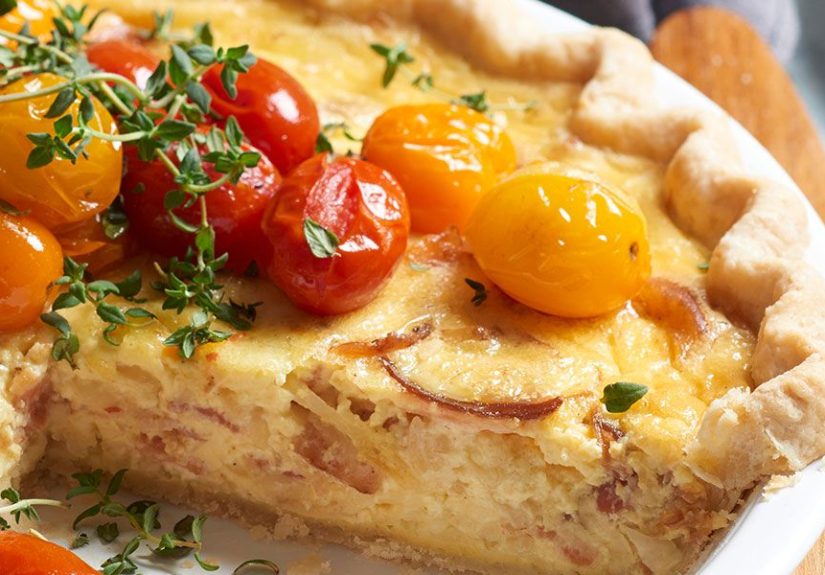
- 1) Classic Quiche Lorraine (Bacon + Gruyère)
- 2) Spring Asparagus + Goat Cheese Quiche
- 3) Crustless Roasted Veggie “Weeknight Quiche”
- 4) Mushroom + Gruyère Deep Flavor Quiche
- 5) Southwest Quiche (Chorizo + Peppers + Pepper Jack)
- 6) Spinach + Goat Cheese Frittata (Bright, Fast, Reliable)
- 7) Potato + Caramelized Onion Frittata (Hearty & Sliceable)
- 8) Summer Tomato-Corn-Basil Frittata (Peak Farmers’ Market)
- Common Problems & Fixes
- Kitchen Stories & Real-World Lessons (500-ish Words of Lived-In Wisdom)
- Wrap-Up: Pick Your Egg Adventure
If breakfast had a “dress code,” quiche would show up in a crisp blazer with a buttery crust, while frittata would roll in wearing sneakers and confidence. Both are egg-based, wildly flexible, and basically built for the moments when you want something that feels fancy… without actually doing anything fancy.
This guide gives you the core techniques (so you can riff without fear), plus a recipe collection that covers classics, weeknight-friendly “clean out the fridge” options, and brunch showstoppers.
Quiche vs. Frittata: What’s the Difference?
Think of quiche as a custard pie: eggs plus dairy baked into a tender, creamy sliceusually in a pastry shell. Frittata is more like an Italian open-faced omelet: mostly eggs, typically less dairy, cooked in a skillet and finished until set. Both can hold vegetables, cheese, meats, and herbs like a delicious edible group project.
Texture & structure
- Quiche: softer, silkier custard (more dairy), served in wedges, often best after a short rest.
- Frittata: firmer, more egg-forward, sliceable hot or room temp, excellent for meal prep.
Effort level
- Quiche asks for crust decisions (homemade, store-bought, crustless) and often a pre-bake step.
- Frittata is the “one-pan friend” who helps you move apartments and then brings snacks.
Master Formulas (Ratios That Don’t Betray You)
Recipes are great, but ratios are freedom. Once you understand the base, you can swap fillings based on what’s in season, what’s in your fridge, or what’s about to become a science experiment in the crisper drawer.
Quiche custard ratio (classic, reliable)
A widely used, foolproof starting point is 1 large egg to 1/2 cup dairy (milk, half-and-half, cream, or a mix). For a standard 9-inch quiche, that usually lands around 3–4 eggs and 1 1/2–2 cups dairy, depending on pan depth and how filling-heavy you go.
Want it richer and silkier? Nudge toward half-and-half or cream. Want it lighter? Use whole milk (or mostly milk with a splash of cream). Just don’t turn it into egg soupcustard needs structure.
Frittata ratio (egg-forward, crowd-friendly)
Frittatas typically use less dairy than quiche. A common guideline is about 1/4 cup dairy per 6 eggs (scale up as needed). The goal is tenderness, not “latte in an omelet.” If you add too much liquid, you risk a soft, watery middle.
Fillings: the “don’t sink the ship” rule
Eggs can carry a lot, but they are not a moving truck. For both quiche and frittata:
- Pre-cook meats (and drain fat).
- Sauté watery veggies (mushrooms, zucchini, spinach) until moisture cooks off.
- Shred/crumbly cheeses melt best; very wet cheeses should be used sparingly.
- Salt carefully if you’re using bacon, ham, feta, or other salty add-ins.
Quiche Basics: Crust, Custard, Doneness
Crust options (pick your personality)
- Classic pastry crust: flaky, buttery, traditional.
- Store-bought crust: fast, consistent, and nobody needs to know your secrets.
- Crustless quiche: naturally gluten-free (just grease the dish well). Technically more like a baked custardbut still delicious.
- Alternative crusts: hash brown crust, almond flour crust, or even a thin layer of sautéed veggies pressed into a “crust” shape.
Blind baking: the “no soggy bottom” insurance policy
If you’re using a pastry crust, pre-bake it (often with pie weights) so it sets and browns before the wet custard goes in. Some cooks also brush the warm crust with egg white to help seal itlike edible waterproofing.
Custard mixing: gentle, not aggressive
Whisk eggs and dairy until combined, not frothy. Too much air can contribute to puffing and then collapsing. Season with salt and pepper, then fold in cooked fillings. If you’re using cheese, you can mix some into the custard and sprinkle some on top for browning.
How to tell when quiche is done
The center should be just set with a slight jigglethink “Jell-O at a polite dinner,” not “wave pool.” Overbaking turns custard grainy and tight. Let it rest at least 10–15 minutes so it finishes setting and slices cleanly.
Food safety matters with egg dishes: use a thermometer if you’re unsure and aim for an internal temperature of 160°F.
Frittata Basics: Pan, Heat, Finish
Use the right pan (and the right expectations)
A well-seasoned cast iron skillet or a nonstick, oven-safe skillet makes life easier. If your pan clings to eggs like a toddler to a parent’s leg, your frittata will become “scrambled eggs with a dramatic backstory.” Grease the pan well.
Low-and-steady wins
Cook fillings first, then pour in eggs. Keep the heat moderate to low so the eggs set gently. Stir briefly at the start if you want a more tender interior, then let it settle.
Finishing methods
- Oven finish: start on the stovetop, then bake until just set.
- Broiler finish: great for browning the topjust watch it like it owes you money.
- Stovetop flip: doable (and kind of fun), especially in nonstick, but not mandatory for deliciousness.
Doneness
A frittata is done when the center is set and there’s no visible liquid egg. Rest 5–10 minutes before slicing so the steam redistributes and the slices don’t slump.
Recipe Collection: Quiche & Frittata You’ll Actually Make Again
Each recipe below uses the master formulas, so you can swap ingredients based on taste, season, and what’s already open in your fridge. If you want to build your own, use the ratios above and follow the technique notes.
1) Classic Quiche Lorraine (Bacon + Gruyère)
Vibe: French café energy without leaving your kitchen.
Best for: brunch, holidays, impressing people who love the word “savory.”
- Crust: 1 (9-inch) pie crust, blind baked
- Custard: 4 eggs + 2 cups half-and-half (or 1 1/2 cups half-and-half + 1/2 cup cream)
- Fillings: 6–8 oz cooked bacon, 1–1 1/2 cups grated Gruyère, optional sautéed onion/shallot
- Blind bake crust until lightly golden; cool slightly.
- Cook bacon until crisp; drain. Sauté onion/shallot if using.
- Whisk eggs, dairy, pepper, and a modest pinch of salt.
- Layer bacon and cheese in crust; pour custard over.
- Bake until just set (center still slightly wobbly). Rest 15 minutes before slicing.
Make it yours: Swap Gruyère for Swiss or sharp cheddar. Add a pinch of nutmeg for subtle warmth.
2) Spring Asparagus + Goat Cheese Quiche
Vibe: “I definitely have my life together” energy, even if you’re wearing pajama pants.
- Custard: 3 eggs + 1 1/2 cups dairy (milk + cream mix works well)
- Fillings: 1 bunch asparagus (trimmed, lightly sautéed or blanched), 4–6 oz goat cheese, lemon zest, chives
- Blind bake crust (or go crustless in a greased dish).
- Prep asparagus so it’s tender-crisp (don’t let it weep water in the custard).
- Whisk custard, fold in chives and lemon zest.
- Arrange asparagus; dot goat cheese; pour custard over.
- Bake until just set; rest and slice.
Tip: A handful of shredded Parmesan on top gives a golden, savory finish.
3) Crustless Roasted Veggie “Weeknight Quiche”
Vibe: All the comfort, half the effort.
- Base: Grease a pie dish well (or line with parchment for extra insurance).
- Custard: 4 eggs + 2 cups dairy (milk + a splash of cream is great)
- Fillings: roasted peppers, onions, broccoli, or cauliflower + 1 cup shredded cheddar or feta
- Roast vegetables until browned and moisture is driven off.
- Whisk custard with salt, pepper, and optional smoked paprika.
- Fold in vegetables and cheese; pour into dish.
- Bake until set; rest before slicing.
Tip: If using spinach, sauté and squeeze it dry. Spinach loves to sabotage custard with hidden water.
4) Mushroom + Gruyère Deep Flavor Quiche
Vibe: Steakhouse mood… but vegetarian (unless you add ham, which you absolutely can).
- Custard: 3–4 eggs + 1 1/2–2 cups dairy
- Fillings: 12–16 oz mushrooms, sautéed until deeply browned; thyme; 1 cup Gruyère
- Sauté mushrooms in batches so they brown instead of steaming. Season at the end.
- Blind bake crust; cool slightly.
- Whisk custard with thyme, pepper, and a cautious amount of salt.
- Fill crust with mushrooms and Gruyère; pour custard in.
- Bake until just set; rest.
Pro move: Deglaze the mushroom pan with a splash of white wine and reduce it before addingbig flavor, tiny effort.
5) Southwest Quiche (Chorizo + Peppers + Pepper Jack)
Vibe: Brunch with a kick.
- Custard: 4 eggs + 2 cups dairy
- Fillings: cooked chorizo (drained), sautéed peppers/onions, pepper jack, cilantro
- Cook chorizo; drain well. Sauté peppers/onions in a little of the rendered fat for bonus flavor.
- Whisk custard; add cumin and a pinch of chili powder if you like.
- Layer fillings in crust (or go crustless); pour custard over.
- Bake until just set; rest and slice.
Serve with: salsa verde, sour cream, or hot saucechoose your fighter.
6) Spinach + Goat Cheese Frittata (Bright, Fast, Reliable)
Vibe: The “I should eat something green” frittata.
- Egg base: 6 eggs + 1/4 cup dairy
- Fillings: sautéed spinach (squeezed dry), goat cheese, garlic, black pepper
- Sauté garlic and spinach; squeeze out excess water.
- Whisk eggs with dairy, salt, and pepper.
- Pour eggs into greased skillet; scatter spinach and goat cheese on top.
- Cook gently until edges set, then finish in oven or under broiler until center is set.
- Rest 5–10 minutes; slice.
7) Potato + Caramelized Onion Frittata (Hearty & Sliceable)
Vibe: Breakfast that eats like lunch (in the best way).
- Egg base: 8 eggs + 1/3 cup dairy
- Fillings: thin-sliced cooked potatoes (or leftover roasted potatoes), caramelized onions, cheddar
- Cook onions low and slow until deep golden.
- Warm potatoes in the skillet so they aren’t fridge-cold.
- Add egg mixture; sprinkle cheese.
- Finish in oven until set; rest before slicing.
Tip: A pinch of rosemary or thyme makes it taste like you planned ahead (even if you didn’t).
8) Summer Tomato-Corn-Basil Frittata (Peak Farmers’ Market)
Vibe: Sunshine in a skillet.
- Egg base: 6 eggs + 1/4 cup dairy
- Fillings: corn kernels, cherry tomatoes (halved), basil, Parmesan
- Sauté corn briefly; add tomatoes just to warm (not collapse into soup).
- Whisk eggs with dairy, salt, pepper; stir in Parmesan.
- Pour eggs over fillings; cook gently.
- Finish in oven/broiler. Add basil after baking for fresh flavor.
- Rest, slice, and try not to eat half standing over the stove.
Common Problems & Fixes
“My quiche is watery.”
- Likely cause: watery vegetables or too much dairy.
- Fix: pre-cook fillings, drain well, and stick to the ratio. Rest the quiche so it sets fully before slicing.
“My frittata is rubbery.”
- Likely cause: heat too high or overcooking.
- Fix: lower the heat, finish gently, and pull it when it’s just set.
“Soggy crust.”
- Likely cause: skipping blind bake or under-baking it.
- Fix: blind bake until lightly golden, and consider an egg-white brush to help seal.
“It puffed up, then sank.”
- Normal: eggs puff as steam expands, then settle as they cool.
- Minimize: don’t over-whisk, and avoid overbaking.
Kitchen Stories & Real-World Lessons (500-ish Words of Lived-In Wisdom)
Quiche and frittata have a funny way of turning “I have no plan” into “I am hosting a lovely brunch,” and a lot of home-cook experience lives in that gap. The first lesson people tend to learn is that egg dishes are honest: they will calmly reflect your choices back to you. Add watery vegetables without cooking them down? You’ll get a quiche that slices like a puddle. Blast the heat because you’re hungry and impatient? The frittata will tighten up like it’s bracing for impact.
Another classic real-life moment: the pan panic. Someone has the perfect idea“I’ll make a frittata!”and then realizes their skillet has a history of sticking. If you’ve ever tried to flip an egg dish that’s glued itself to the pan, you know the emotional arc: confidence → suspicion → bargaining → acceptance. This is why experienced cooks obsess over greasing well and using the right pan. It’s not snobbery; it’s trauma prevention.
Quiche teaches a different kind of patience, mostly because crust has opinions. People often discover that a cold dough behaves better, and that blind baking isn’t an optional “extra credit” stepit’s the crust’s love language. If you skip it, the custard soaks in and the bottom stays pale. If you blind bake properly, the quiche slices like a bakery display and suddenly you’re taking credit like you trained in Paris (you didn’t; you just pre-baked).
Then there’s the leftover miracle. Frittatas are famous for absorbing odds and ends: last night’s roasted vegetables, a handful of spinach, the final lonely scallion, the two slices of deli ham that aren’t enough for a sandwich. Cooks who meal prep often learn to keep a “frittata drawer mindset”: when something is near the end of its life, it can probably be sautéed, seasoned, and folded into eggs. It’s thrifty, yes, but it also makes you feel like a kitchen wizard who wastes nothing.
Quiche, meanwhile, becomes the secret weapon for gatherings because it’s calm under pressure. It can be baked ahead, served warm or room temperature, and paired with a salad so everyone pretends it’s a balanced meal. Many hosts learn the “rest and slice” rhythm: bake, cool, breathe, then cut. If you rush that step, you’ll get messy slices and wonder why your quiche doesn’t look like the ones in photos. If you let it rest, it sets up neatly and feelsthis is the keyeffortless.
Finally, both dishes reward a small but mighty habit: taste your fillings before they go in. Eggs are mild, so your add-ins need to be well-seasoned. When home cooks start salting mushrooms after they brown, adding herbs at the end for freshness, and balancing salty ingredients (bacon, feta) with unsalted dairy, the results level up fast. Quiche and frittata aren’t difficult; they’re just picky about a few details. Learn those, and you’ll have reliable, customizable brunch recipes for lifewhether you’re feeding a crowd or just future-you.