Table of Contents >> Show >> Hide
- What Makes a Potato Salad “Classic”?
- Ingredients
- Choosing the Best Potatoes for Potato Salad
- Step-by-Step: How to Make Classic Potato Salad
- Pro Tips for the Best Creamy Potato Salad
- Easy Variations (Still Classic, Just a Little Extra)
- What to Serve With Classic Potato Salad
- Food Safety and Storage (Because Potato Salad Deserves a Long Life)
- Troubleshooting: Common Potato Salad Problems
- Classic Potato Salad Experiences (The 500-Word Real-Life Add-On)
- SEO Tags
There are two kinds of people at a cookout: the ones who hover near the grill, and the ones who hover near the potato salad like it’s a national treasure.
This is for the second group (and honestly… the first group too, because they always “just want a little spoonful” every 12 minutes).
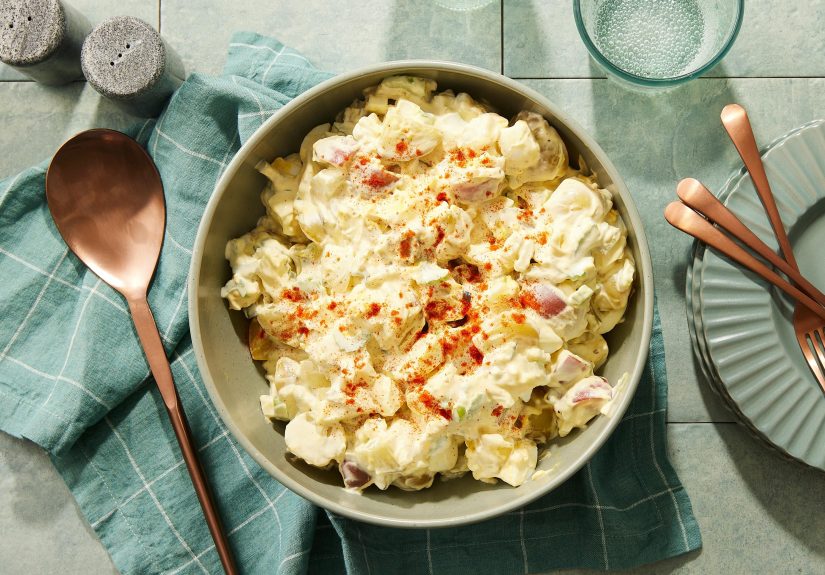
This classic potato salad recipe is creamy, tangy, and old-school in the best waytender potatoes, a mayo-mustard dressing, crunchy celery and onion,
and hard-boiled eggs that make it feel like it belongs at every picnic table in America.
What Makes a Potato Salad “Classic”?
A classic American potato salad usually checks a few boxes: it’s served cold, it’s creamy (hello, mayonnaise), it has some tang (mustard and/or vinegar),
and it has texture from add-ins like celery, onion, pickles or relish, and eggs. It’s not trying to be trendy. It’s trying to be dependable.
Like the friend who shows up early and brings extra ice.
The goal is balance: potatoes that are seasoned all the way through, a dressing that tastes bright instead of flat, and mix-ins that add crunch without hijacking the bowl.
Ingredients
Makes about 8 servings (theoretically). Prep: 20 minutes • Cook: 20 minutes • Chill: 2 hours
For the potatoes
- 3 pounds potatoes (see potato options below)
- 1 1/2 tablespoons kosher salt (for the cooking water)
- 2 tablespoons apple cider vinegar (or white wine vinegar), plus more to taste
For the mix-ins
- 4 large hard-boiled eggs, chopped
- 1 cup celery, finely chopped
- 1/2 cup onion (white or red), finely chopped
- 1/3 cup chopped pickles or sweet pickle relish (choose your team)
- 2 tablespoons fresh parsley or dill, chopped (optional but highly recommended)
For the dressing
- 1 cup mayonnaise (plus up to 1/4 cup more if you like it extra creamy)
- 1 1/2 tablespoons yellow mustard or Dijon mustard (or a mix)
- 1 teaspoon sugar (optional, but it smooths the edges)
- 1/2 teaspoon celery seed (optional, classic “deli” vibe)
- 1/2 teaspoon black pepper, plus more to taste
- Salt to taste
- Paprika, for topping
Choosing the Best Potatoes for Potato Salad
The “best” potato depends on the texture you want. Here’s the simple breakdown:
- Russet potatoes: Fluffier, more absorbent, and great at soaking up seasoning. They can break down a bit, which naturally makes the salad creamier.
- Yukon Gold: Creamy and buttery, with a medium-firm bite. They hold shape better than russets but still feel rich.
- Red potatoes: Waxy, firm, and tidy. They hold their shape like they’re posing for a family portrait.
If you want that classic, scoopable texture that’s creamy without being soupy, use a mix of Yukon Gold and russetor pick one and lean into its personality.
Step-by-Step: How to Make Classic Potato Salad
Step 1: Cook the eggs
Place eggs in a saucepan and cover with water by about an inch. Bring to a boil, then reduce to a gentle simmer and cook about 10 minutes.
Transfer to cold water to cool, then peel and chop. (Bonus tip: peel them under a little running water if the shells are being dramatic.)
Step 2: Cook the potatoes the smart way
Cut potatoes into 1-inch chunks (peel first if you’re using russets and want a smoother texture; thin-skinned potatoes can be left unpeeled).
Put them in a large pot and cover with cold water by about an inch. Add kosher salt.
Bring to a boil, then reduce to a steady simmer. Cook 10–15 minutes, until a fork slides in easily but the potatoes don’t collapse into mashed potatoes.
Drain well, then let them sit in the colander for 3–5 minutes so steam can escape. (Wet potatoes make watery salad, and nobody asked for that.)
Step 3: Season the potatoes while they’re warm
Put warm potatoes into a large bowl and drizzle with 2 tablespoons vinegar. Toss gently.
This step is low effort but high reward: warm potatoes absorb flavor better than cold ones.
Let them cool to just warm or room temperature before adding mayo so the dressing stays creamy and doesn’t look “split.”
Step 4: Make the dressing
In a small bowl, whisk together mayonnaise, mustard, sugar (if using), celery seed (if using), black pepper, and a pinch of salt.
Taste it now. This is your chance to adjust tang or seasoning before it’s hugging every potato.
Step 5: Combine (gently… we’re making salad, not cement)
Add celery, onion, pickles or relish, and herbs to the potatoes. Spoon the dressing over the top and fold gently until coated.
Add chopped eggs last and fold againunless you want egg crumbs everywhere, in which case… follow your dreams, I guess.
Step 6: Chill for better flavor
Cover and refrigerate for at least 2 hours, ideally 4. Potato salad tastes better after it rests because the potatoes soak up the dressing and seasoning.
Before serving, taste and adjust: a pinch of salt, an extra spoon of mayo, or a splash of vinegar can bring it back to life.
Step 7: Serve like you mean it
Sprinkle paprika over the top for the classic look. Add a little chopped parsley or dill if you want to look like the kind of person who plates things on purpose.
Pro Tips for the Best Creamy Potato Salad
1) Don’t skip salting the cooking water
Potatoes are like little flavor spongeswith amnesia. If you don’t season them early, they’ll taste bland no matter what you add later.
2) Use vinegar for “inside-out” flavor
Tossing warm potatoes with vinegar builds a tangy backbone so the salad doesn’t rely on mayonnaise for all its personality.
3) Chop your mix-ins small
Big chunks of onion can overwhelm a bite. Keep celery, onion, and pickles finely chopped so you get crunch and flavor without surprise mouthfuls.
4) Save a little dressing
Potatoes keep absorbing moisture as they chill. If you hold back a few tablespoons of dressing, you can refresh the salad right before serving.
5) Make it ahead (your future self will thank you)
This is a great make-ahead side dish. Make it the night before a party, and you’ll show up calm, hydrated, and mysteriously popular.
Easy Variations (Still Classic, Just a Little Extra)
Old-fashioned Southern potato salad vibe
- Add 2 tablespoons sweet pickle relish (or more if your family is Team Sweet).
- Stir in 2–3 tablespoons sour cream for extra richness.
- Top with extra paprika and sliced eggs for that potluck look.
Deli-style tangy potato salad
- Use Dijon mustard plus a touch of whole-grain mustard.
- Add a splash of pickle juice for extra zip.
- Try fresh dill instead of parsley.
Pickle lovers’ version
- Use chopped dill pickles plus a little brine.
- Add 1 teaspoon garlic powder or a small grated clove of garlic.
Lightened-up (but still satisfying)
- Swap 1/3 of the mayo for plain Greek yogurt.
- Add more vinegar and herbs to keep it bright.
What to Serve With Classic Potato Salad
Potato salad is the ultimate sidekick. It loves grilled food, picnic food, and basically anything you can eat outdoors while swatting a fly.
Pair it with burgers, hot dogs, barbecue chicken, ribs, pulled pork, fried chicken, or a simple sandwich.
For a full cookout spread, add something crisp (coleslaw or a green salad), something juicy (watermelon), and something crunchy (pickles or chips).
Congratulations: you have created a buffet that makes people linger.
Food Safety and Storage (Because Potato Salad Deserves a Long Life)
Potato salad contains perishable ingredients (like eggs and mayonnaise-based dressing), so temperature matters. Keep it cold.
When serving outdoors, set the bowl inside a larger bowl of ice and refill as it melts. If it’s a hot day, serve smaller portions and refill from the fridge or cooler.
- Don’t leave potato salad out for more than 2 hours at room temperatureor 1 hour if it’s above 90°F.
- Store leftovers in an airtight container in the refrigerator and eat within 3–4 days for best safety and quality.
- When in doubt, throw it out. Food safety isn’t the place to be brave.
Also: mayonnaise isn’t automatically the villain. Often, the bigger issue is time spent in the “danger zone” temperature range.
So yes, bring the potato salad… and also bring the cooler.
Troubleshooting: Common Potato Salad Problems
“My potato salad is bland.”
Add a pinch of salt, a splash of vinegar, and a little extra mustard. Also check: did you salt the cooking water?
Potatoes need seasoning early and often.
“It’s watery.”
Potatoes may have been overcooked or not drained/steam-dried well. Next time, drain thoroughly and let the steam escape.
For a quick fix, stir in a spoonful of mayo and give it time to chill.
“It’s too thick or ‘gloppy.’”
Loosen with a teaspoon or two of vinegar, pickle juice, or even a tiny splash of buttermilk. Then taste and re-season.
“The potatoes fell apart.”
Slightly overcooked potatoes can still be deliciousyour salad will just be creamier.
Lean in: call it “extra luscious” and serve it with confidence.
Classic Potato Salad Experiences (The 500-Word Real-Life Add-On)
Classic potato salad isn’t just a recipeit’s a recurring character in everyone’s summer storyline. It shows up at backyard cookouts, graduation parties,
family reunions, and random Tuesdays when someone decides grilled chicken needs a creamy sidekick. And somehow, the potato salad bowl is always the first
thing people peek into, as if it might have changed identities since last year.
One of the most “classic” experiences is the Great Relish Debate. Some families swear sweet pickle relish is essentiallike the secret handshake of a proper
old-fashioned potato salad. Others treat relish like it’s a prank ingredient. The funny part? Both sides usually eat it anyway. The debate is less about
the relish and more about tradition: the version someone grew up with becomes the “correct” one, and every other version is treated like a suspicious
impostor wearing sunglasses indoors.
Then there’s the “who made this?” moment. At potlucks, potato salad often sits there quietly while flashier dishesribs, brisket, elaborate dessertsget
all the attention. But once plates start filling, people circle back to potato salad because it’s reliable. It balances smoky, spicy, salty foods and gives
your taste buds a creamy little break. People might not compliment it loudly, but they return for seconds with the seriousness of someone making a major
life decision.
Potato salad also has a special relationship with timing. Make it too early in the day and you’ll catch “just a spoonful” sampling that magically turns
into “half the bowl” by dinner. Make it too late and it tastes finebut not legendarybecause it didn’t get a chance to chill and let flavors settle.
That resting time is where potato salad goes from “good” to “why is this so good?” It’s like giving the potatoes time to learn the dressing’s language.
And of course, there’s the outdoor serving dance: someone puts the bowl out, someone else says, “Shouldn’t that be on ice?” and a third person sprints
to the kitchen with a bag of ice like they’re defusing a bomb. When it’s done rightbowl nested in ice, small portions replenished ofteneveryone eats
happily and safely. When it’s done wrongsitting in the sun for hourspeople get nervous, start sniff-testing, and suddenly become amateur food safety
detectives.
The best potato salad experiences, though, are the quiet ones: a spoon scraped against the bottom of the bowl, someone smiling because it tastes like
childhood, and the simple satisfaction of a dish that doesn’t need to be trendy to be loved. Classic potato salad is comfort, tradition, and a little bit
of friendly chaosserved cold, usually with paprika, and always with opinions.