Table of Contents >> Show >> Hide
- What “Black Bristle” Means (And Why It Matters)
- Design Details That Make It Feel “Right” in Your Hand
- Performance: What It’s Great At (And What It’s Not)
- Dish Brush vs. Sponge: The Hygiene Conversation (Without the Scare Tactics)
- How to Use a Redecker Dish Brush (Black Bristle) Like a Pro
- Care and Maintenance: Make It Last (Without Turning It Into a Hobby)
- Sustainability: The Real Win (And the Honest Trade-Offs)
- Buying Tips: How to Choose the Right Version
- FAQ
- Experiences: What It’s Like Living With a Redecker Dish Brush – Black Bristle (500+ Words)
- Conclusion
Every kitchen has that one “small” tool that somehow ends up doing the most work. Not the stand mixer. Not the fancy chef’s knife. The humble dish brush. And if you’ve ever looked at your sink setup and thought, “Why does my sponge always smell like it’s hiding secrets?” you’re already halfway to understanding the appeal of the Redecker dish brush with black bristles.
This brush sits in that sweet spot between “pretty enough to leave out” and “actually tough enough to earn its keep.” The black bristle version is especially popular for everyday dishwashing because it’s gentle, fast-drying, andwhen used correctlyless likely to turn into a soggy science project. Let’s break down what it is, how it works, who it’s best for, and how to make it last.
What “Black Bristle” Means (And Why It Matters)
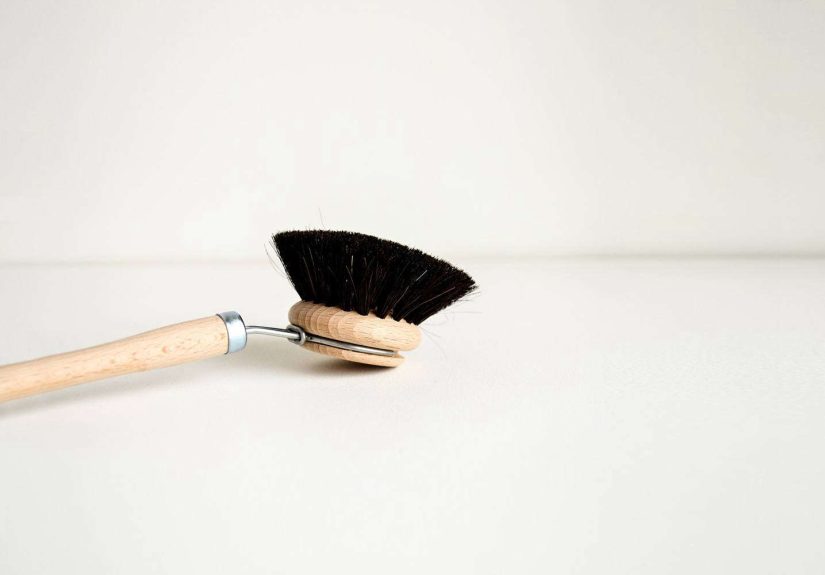
In Redecker’s dish-brush world, bristle color isn’t just a design choice. It’s a clue about the job the brush is built to do. The black bristles are typically soft horsehair, which is meant to clean effectively without scratching delicate surfaces. Think: wine glasses, everyday plates, mugs with printed designs, and anything you’d rather not “sand down” while scrubbing.
Soft vs. Stiff: Picking the Right Brush Head
Redecker-style dish brushes are often sold with interchangeable heads. The soft black horsehair head is for lighter-duty, more delicate cleaning. A stiffer plant-fiber option (often tampico) is better for stuck-on food and heavier scrubbing. If you only want one brush by the sink, the black bristle head is the crowd-pleaser for daily dishesthen you can keep a tougher scrubber nearby for the stubborn stuff.
Design Details That Make It Feel “Right” in Your Hand
A good dish brush should feel like an extension of your hand, not like you’re wrestling a hedgehog. Redecker brushes are commonly made with untreated or oiled beechwood, plus a metal fitting that helps the head swap in and out. Many versions also include a hanging loop or hook so the brush can dry faster (which is basically the whole hygiene game).
- Beechwood handle: sturdy, comfortable, and naturally grippy when dry.
- Replaceable head: you don’t throw away the whole brush when bristles wear down.
- Black horsehair bristles: gentle cleaning with less risk of scratching glass and glazed ceramics.
- Compact head options: great for cups, corners, and the bottom of narrow mugs.
Performance: What It’s Great At (And What It’s Not)
Where the black bristle brush shines
The black bristle Redecker dish brush is at its best when you want controlled scrubbingfirm enough to lift food residue, soft enough that you’re not afraid to use it on your favorite glassware.
- Glassware: wine glasses, tumblers, and stemware where scratching is a real fear.
- Everyday dishes: plates and bowls with normal food residue.
- Mugs and cups: especially if you hate trying to fit your hand into tall mugs.
- Light cookware cleanup: nonstick pans with “normal mess,” not baked-on disasters.
Where you’ll want backup
Soft bristles aren’t magic. If you’re dealing with burned-on cheese, dried oatmeal that’s basically pottery now, or a sheet pan that looks like it fought in a battle, you may want a stiffer tampico head or a separate scrubber. The black bristle brush is the “daily driver,” not the demolition crew.
Dish Brush vs. Sponge: The Hygiene Conversation (Without the Scare Tactics)
Sponges clean wellbut they also stay wet, trap food particles, and can become a prime hangout spot for bacteria. Dish brushes tend to dry faster, which helps limit bacterial growth compared with constantly damp sponges. That’s one reason many food-safety and cleaning experts recommend switching from sponge to brush for hand-washing dishes.
The key isn’t “brushes are perfect.” The key is: airflow and drying time matter. A brush that dries quickly and doesn’t sit in a puddle is simply easier to keep fresh. If your cleaning tool dries like it’s allergic to moisture, you’re already winning.
How to Use a Redecker Dish Brush (Black Bristle) Like a Pro
1) Pair it with the right soap
A dish brush works with any standard dish soap. If you use a solid dish soap bar, you can swipe the brush directly on the bar, then scrub. If you use liquid soap, a few drops on the bristles or in the sink water is enough.
2) Let the bristles do the work
A common mistake is scrubbing like you’re sanding a deck. With horsehair bristles, you’ll get better results by using steady pressure and quick circular passes. For stuck-on food, let items soak a few minutes firstyour brush shouldn’t have to bench-press lasagna.
3) Use the edges for corners
The rounded head is great for broad surfaces, but the outer edge of the bristle bundle is your secret weapon for corners, grooves, and the “mug bottom ring” that coffee leaves behind.
Care and Maintenance: Make It Last (Without Turning It Into a Hobby)
Wooden dish brushes last longest when they’re kept clean and allowed to dry fully between uses. The big enemies are soaking, trapped gunk, and long-term dampness.
Daily routine (takes about 10 seconds)
- Rinse thoroughly under hot water to remove soap and food bits.
- Shake out excess water (like a tiny wet dog).
- Store bristle-side down or hang it so air can circulate and it dries quickly.
Weekly-ish refresh (when it starts feeling “off”)
- Wash the bristles with a little dish soap, then rinse well.
- Optional: a brief soak of the bristles (not the whole wooden handle) in a warm water + vinegar mix, then rinse and dry fully.
- Let it dry completely before the next usefull dry beats “kind of dry” every time.
Wood handle care
Beechwood is durable, but it’s still wood. Don’t leave it sitting in the sink, and don’t store it in a damp cup where water pools at the base. If the handle looks dry over time, a light wipe with a food-safe oil or wood wax can help maintain the finish.
When to replace the brush head
Replace the head when the bristles start to splay outward, feel limp, or stop cleaning well. If there’s persistent odor even after washing, that’s also a good “swap it” signal. The point of a replaceable system is that you keep the handle and refresh only the working end.
Sustainability: The Real Win (And the Honest Trade-Offs)
The sustainability appeal is straightforward: a replaceable dish brush head can reduce waste compared with tossing an entire plastic brush. Wood handles can last a long time, and replacing only the head means fewer materials in the trash.
The honest trade-off: horsehair is animal-derived. Some people love it for performance and longevity; others prefer plant fibers. If that matters to you, consider keeping the same Redecker-style handle but choosing a plant-fiber head when available. A sustainable kitchen is the one you’ll actually keep usingnot the one that guilt-trips you into quitting.
Buying Tips: How to Choose the Right Version
Pick based on what you wash most
- Mostly glassware + plates: black bristle (soft horsehair) is the best fit.
- Lots of pots + stuck-on food: consider a stiff plant-fiber head as a second option.
- Small cups and tight spaces: a smaller head diameter is easier to maneuver.
Look for drying-friendly storage
A hanging loop or a stand that keeps bristles ventilated helps the brush dry faster. Faster drying = less funk. If you’re already committed to a brush, a good drying setup might be the single biggest quality-of-life upgrade.
FAQ
Will black bristles scratch glass?
Soft horsehair bristles are generally chosen because they’re gentler than stiff plant fibers or hard plastic bristles. That said, any brush can scratch if grit gets trapped in itso rinse well after scrubbing anything sandy or gritty.
Can I put it in the dishwasher?
Some people do, but wood and high heat aren’t best friends. If you want to sanitize, focus on washing thoroughly, using a brief bristle-only soak, and letting it dry completely. When in doubt, follow care guidance that avoids prolonged soaking or harsh heat on wood.
Why does my brush smell even though it’s “clean”?
Smell usually means moisture plus residue. Make sure you’re rinsing thoroughly and drying fully. If it still smells after a proper wash and full dry, it may be time to replace the head.
Experiences: What It’s Like Living With a Redecker Dish Brush – Black Bristle (500+ Words)
The first “experience” most people notice is visual: a wooden brush by the sink looks calm. It doesn’t scream “utility drawer.” It looks like it belongs in the kitchenlike it might quietly make you a better adult who remembers to water plants on schedule. (No promises, but the vibes are strong.)
In day-to-day use, the black bristle head tends to feel surprisingly precise. On a wine glass, you can scrub the inside without that awful moment where you’re convinced your sponge is about to snap the stem. On mugs, the brush reaches the bottom without requiring hand gymnastics or a full personality change. Many people also like that it doesn’t “smear” residue the way some sponges doespecially with peanut butter, yogurt cups, or anything that clings like it pays rent.
There’s also a weirdly satisfying rhythm to using a brush: quick circles, rinse, done. The action feels more like “cleaning” and less like “pushing grime around until you get tired.” And because the bristles don’t hold onto water the same way a sponge does, the brush often feels fresher between usesparticularly if it’s stored where air can move around it.
But the experience isn’t all dreamy sink-side poetry. A wooden dish brush asks for one habit in return: don’t leave it sitting in water. If you drop it into the sink and forget it under a puddle, it can start to look rough faster. Some people solve this by hanging it immediately after rinsing. Others keep a small stand that holds the brush bristle-down so water drips away. Once you set up a simple drying routine, the brush feels low-maintenance again.
Another common real-life moment: the black bristles are gentle, but they’re not always the fastest at heavy-duty cleanup. If you roast vegetables until the sheet pan looks like a crime scene, you may end up doing the classic two-tool shuffle: soak the pan, loosen the mess with something stiffer, then finish with the Redecker brush for the final clean. Many people end up treating the black bristle brush as the “daily dishes” brush and keep a tougher scrubber for the truly stubborn jobs. That combo can make dishwashing feel faster overall, because you’re not trying to force one tool to do every task.
Over time, people often describe an unexpected bonus: the replaceable head changes the relationship you have with the tool. Instead of tossing the whole brush when it wears out, you swap the working end and keep going. It feels less wasteful, sure, but it also feels… sensible. Like you’re maintaining something, not constantly replacing it. And in a world where everything seems designed to be disposable, a small tool that’s built to be refreshed can feel oddly reassuring.
The bottom line experience? The Redecker dish brush with black bristles is the kind of object you don’t think will matteruntil you use it for a week. Then going back to a sad sponge feels like choosing dial-up internet on purpose.
Conclusion
If you want a dishwashing tool that’s gentle on glassware, easier to keep fresh than a sponge, and built around a replaceable system, the Redecker dish brush – black bristle is a solid upgrade. Treat it like wood (keep it dry between uses), let the soft bristles handle daily dishes, and swap the head when it’s worn. It’s a small change that can make your sink routine feel cleaner, calmer, anddare we sayslightly more grown-up.