Table of Contents >> Show >> Hide
- What Is “Haters of Goodreads,” and Why Are We All Reading One-Star Reviews?
- Why One-Star Book Reviews Are Funnier Than Five-Star Reviews
- 30 Hilarious One-Star Review “Greatest Hits” (Original Paraphrased Archetypes)
- But WaitAren’t One-Star Reviews Sometimes a Real Problem?
- How to Read One-Star Reviews Without Becoming the Villain in Someone Else’s Review
- Why “Bookish Humor” Pages Keep Winning the Internet
- FAQ: Funny Goodreads Reviews, Ratings, and the Art of the One Star
- Extra: of Reader Experiences That Feel Extremely “Haters of Goodreads”
- Conclusion
- SEO Tags
There are two kinds of readers in this world: the ones who finish a book, smile softly, and move on…
and the ones who finish a book, sprint to Goodreads, and immediately search “lowest rating” like it’s an Olympic event.
If you’ve ever done the second thing (no judgmentsame), then you already understand why one-star reviews can be comedy gold.
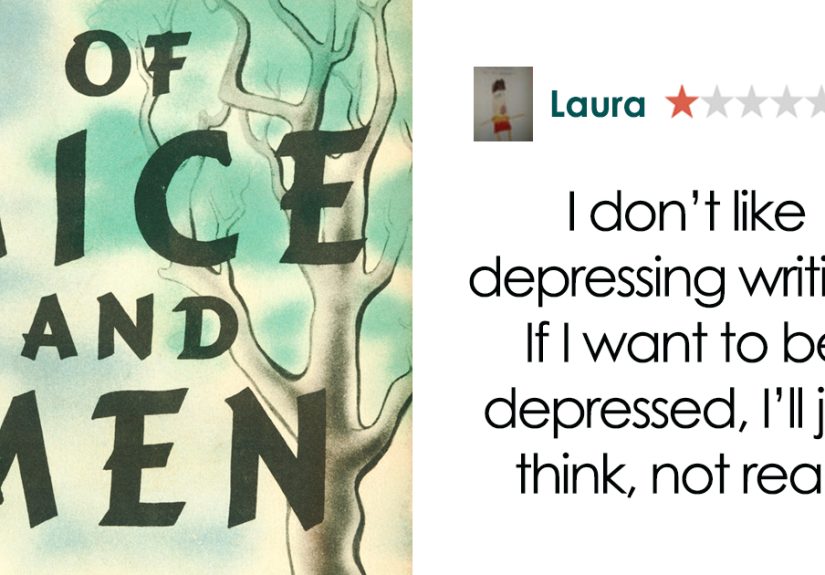
That’s the whole vibe behind “Haters of Goodreads,” a meme-y corner of the internet that spotlights the funniest, most brutally honest,
wildly dramatic one-star book reviews people leave on Goodreads. Sometimes the reviewer is genuinely upset. Sometimes they’re confused.
Sometimes they’re offended that a dystopian novel contains… dystopia. And sometimesbless themthey accidentally write stand-up.
This article breaks down why funny Goodreads reviews are such a cultural phenomenon, what they reveal about reader expectations,
and (for your scrolling pleasure) 30 of the best one-star review “styles” you’ll recognize instantlypresented as fresh, original
paraphrases and archetypes so we can keep things ethical, readable, and not copy-paste the internet.
What Is “Haters of Goodreads,” and Why Are We All Reading One-Star Reviews?
Goodreads is one of the biggest book platforms in the U.S.-centered reading ecosystem: a place where people track what they read,
rate books, write reviews, join discussions, and build never-ending “Want to Read” lists that resemble long-term commitment issues.
Goodreads itself encourages honest opinionsstar ratings for your personal assessment, and reviews for the “why” behind it.
“Haters of Goodreads” (and similar accounts across social platforms) curates the funniest negative book reviewsusually the ones
that are sharp, unexpected, and weirdly poetic in their disappointment. The humor isn’t always mean; often it’s the mismatch between
expectation and reality. Someone wanted a light romance and accidentally picked existential philosophy. Someone wanted dragons and got
“a 900-page meditation on the concept of time.”
And yes: we laugh. But we also learn. One-star reviews are a window into how people choose books, how taste works, and why a single
star can carry the emotional force of a breakup text.
Why One-Star Book Reviews Are Funnier Than Five-Star Reviews
1) Negativity has better punchlines
Five-star reviews often sound like happy tears and gratitude. One-star reviews? They’re structured like courtroom statements:
“Your Honor, Exhibit A: Chapter 3.” People put effort into disappointment. The result is unintentional humor, dramatic metaphors,
and the occasional sentence that belongs on a T-shirt.
2) Expectations collide with reality
A lot of hilarious Goodreads one-star reviews come from expectation errors: picking up satire and taking it literally, reading horror
and being shocked by fear, choosing literary fiction and demanding “more explosions.” When the mismatch is big enough, the review becomes
a comedy sketch.
3) The star rating scale is simple; human emotions are not
Goodreads uses a five-star rating system that encourages quick judgments, but books trigger complicated reactions: nostalgia, boredom,
anger, delight, confusion, and “why is everyone named James.” One star becomes the emotional “all of the above.”
4) The internet rewards the funniest take
Even on a book site, people know a strong line gets attention. Some reviews are basically micro-essays; others are one-liners with
the efficiency of a late-night monologue. Curator pages thrive because the best reviews feel like tiny storiescomplete with setup,
escalation, and a final devastating punch.
30 Hilarious One-Star Review “Greatest Hits” (Original Paraphrased Archetypes)
Below are 30 of the funniest types of one-star Goodreads reviews you’ll see floating around “Haters of Goodreads” style pages.
These are written as original, paraphrased examplesnot copied reviewscapturing the spirit of the genre without reposting anyone’s words.
- The “This Book Is Too Much Book” Complaint: “I regret to inform you the author included themes, symbolism, and sentences.”
- The Plot vs. Vibes Confusion: “Nothing happened, except for all the things that happened. I remained emotionally unmoved.”
- The Misread Genre Meltdown: “I wanted a rom-com. Instead I got war, grief, and personal growth. One star for emotional ambush.”
- The “Where Were the Dragons?” Review: “Promised fantasy. Delivered politics. I did not consent to fictional government.”
- The Overly Specific Trigger: “One star because the protagonist chewed loudly in my imagination.”
- The “Too Many Names” Breakdown: “I lost track of characters around the sixth ‘J’ name. The author is hoarding consonants.”
- The Punctuation Outrage: “I came for a story. I stayed to fight the commas.”
- The “This Is Not Historically Accurate (to My Feelings)” Take: “I don’t care what historians say. The vibes are wrong.”
- The “It Was Fine, But I’m Angry Anyway” Rating: “Nothing was offensive. I just… resent the experience.”
- The “I Didn’t Read It But I’m Sure” Energy: “I quit at page 12 and I’ve seen enough.”
- The Accidental Self-Own: “I didn’t understand any of it, so it’s obviously bad. Moving on.”
- The “Too Popular, Therefore Suspicious” Review: “Everyone likes it, which makes me feel manipulated.”
- The Villain Is Actually the Reader: “I hate slow burns. Why did I pick a 700-page slow burn. One star for my choices.”
- The “Main Character Breathing Wrong” Critique: “They made decisions. I disagreed. I will never forgive this book.”
- The “Not Like the Movie I Imagined” Complaint: “My mental cast was perfect. The text refused to cooperate.”
- The “Too Many Emotions” Review: “I felt things. I will be billing the author for emotional labor.”
- The “Not Enough Emotions” Review: “I felt nothing. I will be billing the author for boredom damages.”
- The “Stop Using Big Words” Protest: “I had to look up one term. This is elitism.”
- The “Stop Using Simple Words” Protest: “It was readable. Suspiciously readable. Where’s the suffering?”
- The Premise Betrayal: “The cover promised a cozy cottage. The cottage appeared briefly and then trauma happened.”
- The “Why Are They Talking?” Review: “Too much dialogue. I wanted silent telepathy and brisk summaries.”
- The “Why Aren’t They Talking?” Review: “Too much description. I needed someone to say literally anything.”
- The Food Critic Disguised as a Reader: “The soup scene was unrealistic. Nobody seasons like that. Unreadable.”
- The Petty Timeline Audit: “Chapter 4 says it’s Tuesday, but the moon described feels like a Thursday moon.”
- The “I Hate Metaphors” Crisis: “Everything is ‘like’ something else. Just be a thing. I’m tired.”
- The “This Book Won’t Let Me Be Lazy” Complaint: “It expects attention. I did not bring attention.”
- The Revenge Review: “I was mildly inconvenienced by the ending and will now haunt this rating page forever.”
- The Existential Spiral: “I finished it and now I’m questioning life. One star because I wanted snacks, not philosophy.”
- The “Author, Please Apologize” Demand: “I would like a formal statement explaining why this character did that.”
- The Classic “I’m Not the Audience” Finale: “This book is clearly for someone else. I’m offended it wasn’t written for me.”
The funniest one-star Goodreads reviews often aren’t “bad” reviewsthey’re just intensely human. They capture the moment a reader realizes
a book is not going to do what they personally hoped it would do, and instead does its own book thing. Audacity!
But WaitAren’t One-Star Reviews Sometimes a Real Problem?
Yes, and it’s worth saying out loud: funny review culture exists alongside serious issues in online reviewing. Most negative reviews are just
honest opinions, and that’s healthy. But coordinated harassment and fake one-star “review bombing” can hurt authorsespecially debut writers,
indie authors, and marginalized creatorsby distorting the rating ecosystem.
Goodreads has community guidelines and review guidelines aimed at keeping reviews relevant to the book itself (not personal attacks),
and it has described updates intended to improve how ratings and reviews are moderated and surfaced. Like many platforms that host user
reviews, it’s an ongoing balance: protect open expression while limiting abuse and manipulation.
The key difference is intent. A one-star review that says, “This wasn’t for me, here’s why,” is part of the reading conversation.
A one-star review campaign designed to punish an author for existing is something else entirely.
How to Read One-Star Reviews Without Becoming the Villain in Someone Else’s Review
Use them as “expectation filters,” not verdicts
A low rating can tell you what a book is not. If several readers say “slow,” that might mean “lush and atmospheric” to you.
If they say “confusing,” it might mean “experimental.” You’re not looking for a universal truthyou’re looking for compatibility.
Look for specifics
The most useful reader reviews explain the experience: pacing, tone, writing style, content warnings, and what the book seems to be trying to do.
A helpful one-star review can save you hours. A funny one-star review can save your mood.
Remember: averages hide polarization
Some books split audiences: people either adore them or bounce off hard. A “meh” average score can mask a fascinating situation:
the book might be risky, bold, or simply not trying to please everyone. And honestly? That’s sometimes a green flag.
Why “Bookish Humor” Pages Keep Winning the Internet
The rise of “Haters of Goodreads” style pages fits a bigger internet pattern: we use humor to process culture. Readers are drowning in choices,
and one-star reviews become a shortcut to understanding how a book lands in real lifenot in marketing copy.
Plus, reading can be deeply personal. A book can feel like a friend or a betrayal. Humor gives that intensity somewhere to go.
Instead of arguing in the comments for 47 replies, we screenshot a dramatic one-star review and laugh, because laughter is cheaper than therapy
and has fewer side effects (except snorting in public).
FAQ: Funny Goodreads Reviews, Ratings, and the Art of the One Star
Are one-star reviews always “haters”?
Not at all. A one-star rating can be thoughtful, fair, and specific. “Haters of Goodreads” is more about comedic tone than genuine malice.
Do ratings really matter for book discovery?
They can. Ratings influence browsing, recommendations, and what people try next. That’s why authenticity and moderation matterand why it’s smart
to treat ratings as one data point, not destiny.
Should authors read their Goodreads reviews?
Many authors choose not to, and that’s completely reasonable. Reviews are primarily for readers. If you’re a writer, protect your peace.
Extra: of Reader Experiences That Feel Extremely “Haters of Goodreads”
If you’ve ever had a “Goodreads moment,” you know it usually starts innocently. You finish a bookmaybe you loved it, maybe you didn’t.
You’re in that post-reading fog where your brain is still half in the story and half in your kitchen looking for a snack. Then you do the thing
readers do now: you open Goodreads “just to see what people thought.”
At first, you scroll through the five-star reviews. Everyone is poetic. People are “ugly crying.” Someone says the book “healed their inner child,”
which is lovely, but also makes you wonder if you read the same book or if you accidentally read the abridged cereal-box edition.
Then, curiosity takes over. You click the one-star tab.
And suddenly you’re not reading reviewsyou’re watching a live improv show. A stranger is furious that a villain acted villainous.
Someone else is offended by the existence of symbolism. Another reviewer writes a single sentence so sharp it could slice a tomato.
You laugh out loud, then feel a tiny pang of guilt, then laugh again because the line is genuinely funny and your body has chosen joy.
This is the secret experience curator pages understand: one-star reviews aren’t just negativity; they’re storytelling.
Readers describe their confusion like a survival tale. They narrate boredom like it’s a long walk through a desert made of adjectives.
They deliver plot complaints with the seriousness of a weather alert. And because it’s booksbecause we all know reading takes timethere’s often
a dramatic energy that screams, “I gave this my hours, and it gave me… paragraphs.”
There’s also the oddly bonding part. You can dislike a book and still feel deeply connected to other readers who disliked it for entirely different
reasons. One person hates the romance. Another hates the pacing. A third is mostly upset about a metaphor involving clouds. Yet there you all are,
gathered around the same title, proving that taste is real and universal agreement is a myth.
Over time, many readers develop a ritual: check the three-star reviews for balanced takes, then visit the one-star section for comic relief and
cautionary tales. You start to recognize your own patternswhat you can tolerate, what you can’t, what you’re willing to forgive if the writing sings.
And if you ever leave your own one-star review, you might find yourself trying to be helpful rather than harsh: explaining what didn’t work,
who might still enjoy it, and why the book simply wasn’t your match.
That’s the best version of the experience: laughing at the chaos of opinions while still respecting that reading is personal. Books are art.
Reviews are reactions. And somewhere between “masterpiece” and “unreadable,” you find a community of people who care enough to have feelings about
punctuation. Honestly, that’s kind of beautiful.