Table of Contents >> Show >> Hide
- What Is the Brendan Ravenhill Dustbin?
- Who Is Brendan Ravenhill, and Why Does He Care About Your Trash?
- Design Breakdown: The Details That Make It Work
- Why the Dustbin Became a Design “Thing”
- Made in LA (and Why That Story Matters)
- Pros, Cons, and Who It’s Actually For
- How to Use It (Without Turning Your Life Into a Lifestyle Post)
- Shopping Notes: Where People Find the Dustbin
- Bottom Line: Is the Brendan Ravenhill Dustbin Worth It?
- Everyday Experiences With the Brendan Ravenhill Dustbin (Extra 500+ Words)
Most trash cans are like background extras in a movie: they show up, do their job, and you never learn their name. The Brendan Ravenhill Dustbin is the rare exceptionthe kind of household object that makes you pause mid–banana peel toss and think, “Wait… why is this weirdly satisfying?”
At first glance, it reads like a minimalist sculpture that wandered into your kitchen and decided to stay. But the Dustbin’s “secret” isn’t just good looks. It’s a small piece of industrial design that tries to fix a very real domestic problem: the dustpan and brush are always missing when you actually need them.
This article digs into what the Dustbin is, why it became a mini design icon, how it’s made, what living with it is actually like, and whether it makes sense for your homeor if it’s simply the most stylish way to feel slightly superior while taking out the trash.
What Is the Brendan Ravenhill Dustbin?
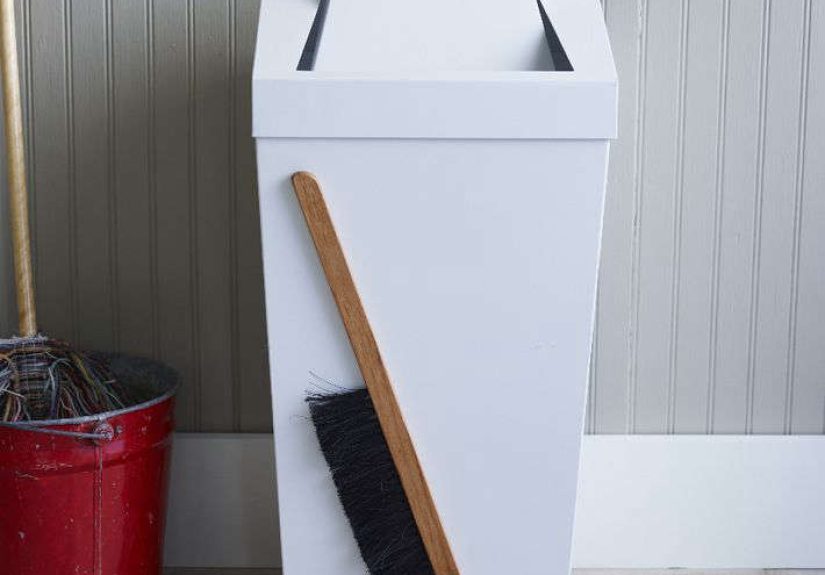
The Dustbin is a multi-functional trash can that combines three cleanup essentials in one: a trash bin, a dustpan, and a brush. The lid flips the script (literally) by doubling as a detachable dustpan. The brush attaches to the side with magnets, so your quick-sweep tools live right where you need themno more “Where did the dustpan go?” scavenger hunts.
The concept is simple, but the execution is what made people talk. Instead of treating a trash can as a disposable commodity, the Dustbin treats it like a long-term tool: durable materials, repairable logic, and a form that doesn’t scream “I was purchased in a panic at the grocery store.”
Who Is Brendan Ravenhill, and Why Does He Care About Your Trash?
Brendan Ravenhill is a Los Angeles–based designer known for reductionist, utilitarian objectspieces that look clean and spare, but reveal a lot of thought once you use them. He opened his studio in 2010 and has become best known for lighting, though the Dustbin is a great example of his product-design brain at work: start with a real need, refine the form, and strip away anything that doesn’t earn its keep.
A key theme in his broader work is the idea that objects can become more valuable over time through use and care, rather than feeling “used up” and ready for replacement. That mindset is basically the opposite of how most of us shop for trash canswhich is exactly why the Dustbin feels so different.
Design Breakdown: The Details That Make It Work
The Dustpan Lid That Actually Makes Sense
The Dustbin’s signature move is its dustpan-as-lid design. The dustpan sits at the top like a lid, but detaches when you want to sweep. That means the dustpan is always in the same place, and the bin itself becomes the “destination” for the sweep-upno awkward funneling from dustpan to trash can, and no overconfident flick that sends crumbs back onto the floor (you know the one).
In some descriptions, the dustpan is characterized as counterbalanceddesigned to sit cleanly on top and function smoothly in both roles. That dual-purpose engineering is the Dustbin’s whole personality: one part cleanup tool, one part “why didn’t everyone do this already?”
The Magnetic Brush: Park It Wherever You Want
The brush attaches to the Dustbin with magnets, which sounds like a small detail until you realize how much that changes daily use. The brush isn’t buried in a closet, tangled in a mess of cleaning supplies, or leaning in a corner like it’s being punished. It lives on the bin, visible and reachable, which makes quick cleanups far more likely to happen.
Depending on the version and retailer description, you’ll see natural-fiber bristles such as tampico or coconut-based fibers, paired with a wood handle (often described as beech or birch). Translation: it’s not a flimsy plastic brush you’ll feel guilty about in six monthsit’s meant to be a real tool.
Materials and Finish: Built Like a Tool, Not a Toy
Coverage of the Dustbin commonly highlights powder-coated metal construction (often described as folded, powder-coated steel, or powder-coated iron, depending on the listing). The finish is intended to resist chips and scratches better than bargain-bin plastic, which matters becauselet’s be honesttrash cans live hard lives. They get kicked, bumped, dragged, and occasionally side-eyed.
Some product write-ups also describe the dustpan component as aluminum paired with a heavier gauge steel handle for balance. That kind of mixed-material approach is classic industrial design: each material doing the job it’s best at, rather than one plastic part pretending it can do everything forever.
Sizes, Dimensions, and the “Which One Fits My Space?” Question
The Dustbin has been described in multiple sizes across different retailer listings. One retail description lists a small size at roughly 14″ wide x 10.5″ deep x 25″ high and a large at roughly 15″ wide x 12.5″ deep x 30.5″ high. Other write-ups cite dimensions in the same neighborhood, reflecting that the product is tall, slim, and meant to stand out (in a good way) rather than hide under a sink.
The practical takeaway: measure the spot where you want it to live, and remember you’ll want clearance to detach the lid-dustpan and move the brush comfortably. It’s a functional object, but it still needs room to do its little magic trick.
Why the Dustbin Became a Design “Thing”
Plenty of products try to be clever. The Dustbin became memorable because it’s clever in a place that’s usually ignored. Design media tends to obsess over sofas and pendantsthe glamorous stuff. A trash can is, by definition, unglamorous.
That’s the Dustbin’s hook: it applies real design effort to the most unsexy corner of the home, then proves it’s worth it with daily use. It’s also a tidy example of “systems thinking” at a household scale: trash, sweeping, and quick cleanup are all part of one workflow, so the tools should be unified, not scattered across drawers.
Made in LA (and Why That Story Matters)
A recurring theme in coverage is local manufacturing. The Dustbin has been described as produced through a network of Los Angeles-area fabricatorsmetal work handled by a long-running local manufacturer and brushes made by a Southern California brush company. That “made near the studio” approach isn’t just a nice origin story; it shapes the object’s character.
When a product is built locally with specialized suppliers, you tend to get sturdier materials, more deliberate construction, and a better chance of consistency from unit to unit. It can also raise costquality labor and durable finishes aren’t cheap. The Dustbin’s pitch has never been “the cheapest trash can.” It’s been “the last trash can you’ll want to buy,” which is a different kind of math.
Pros, Cons, and Who It’s Actually For
The Pros
- Everything is where you need it. Dustpan and brush live on the bin, so quick cleanups become frictionless.
- Durable materials. Powder-coated metal is generally tougher than thin plastic for daily bumps and scuffs.
- Visible = usable. When tools are easy to grab, you clean more often (without turning it into a whole event).
- It looks intentional. You can leave it out without feeling like you’re living behind a restaurant.
- Great for studios and workspaces. Sawdust, paper scraps, packaging bitsthis is where the Dustbin shines.
The Cons (Because Even Icons Have Tradeoffs)
- Price can feel steep. It’s a premium object in a category people rarely want to “splurge” on.
- Not an odor-locking bin. If you want an airtight, pedal-operated, smell-sealing setup for kitchen waste, this may not be your soulmate.
- It’s tall and visible. That’s the point, but it also means it needs a designated spot.
- Availability can be tricky. Some listings describe it as discontinued, and the studio has listed it as out of stock at times.
Best Matches
- People who hate cluttered cleaning closets and want “one tool station” for quick sweeps.
- Apartment dwellers who need tools to do double duty without eating storage space.
- Design-minded folks who don’t want a plastic bin screaming at them from the corner.
- Studios, workshops, craft rooms, offices, and entryways where sweeping happens often.
How to Use It (Without Turning Your Life Into a Lifestyle Post)
The Dustbin works best when it’s positioned where messes actually happen. That sounds obvious, but most of us keep sweep tools in the least convenient place possible, like a closet that requires moving three other objects and a small prayer.
Practical placement ideas
- Kitchen corner (dry waste zone): Great for crumbs, packaging bits, and daily “why is there rice everywhere?” cleanups.
- Entryway or mudroom: Leaves, grit, and whatever your shoes dragged in from the outdoors.
- Home office: Paper scraps, eraser crumbs, and the mysterious dust that appears near printers.
- Workshop/craft room: The Dustbin’s tool-like construction makes a lot of sense here.
Simple upkeep
- Wipe the metal surfaces occasionally to keep the powder coat looking crisp.
- Shake out the brush outside as needed and keep bristles clean, especially if you’re sweeping fine debris.
- If you use liners, choose a size that fits the bin without bunching under the dustpan-lid mechanism.
Shopping Notes: Where People Find the Dustbin
Historically, the Dustbin has appeared through the designer’s own channels and select retailers. It has also shown up in major retail contexts in the past (with small/large options and color listings), which helped it reach a wider audience beyond hardcore design fans.
More recently, availability has been inconsistent in published listingssome describing it as discontinued and others showing it as out of stock. If you’re hunting for one today, your best bet is to start with the studio’s official site for the most accurate status, then check reputable secondhand marketplaces if it’s not currently in production. (Pro tip: confirm that the dustpan lid and brush are included; the Dustbin is a trilogy, not a solo act.)
Bottom Line: Is the Brendan Ravenhill Dustbin Worth It?
If you want a trash can that disappears, buy literally any other trash can.
If you want a beautifully designed cleanup systemone that makes sweeping less annoying, keeps tools together, and treats “domestic maintenance” like a real part of living wellthe Dustbin earns its reputation. It’s not just a novelty. It’s a thoughtful answer to a boring problem, and that’s often the best kind of design.
Everyday Experiences With the Brendan Ravenhill Dustbin (Extra 500+ Words)
Living with the Brendan Ravenhill Dustbin tends to change your relationship with mess in a sneaky waynot because it “motivates” you (your floor doesn’t need motivational speakers), but because it removes the tiny annoyances that stop you from doing a quick cleanup. Most people don’t avoid sweeping because it’s hard. They avoid sweeping because the dustpan is missing, the brush is gross, or the tools are stored in a place that requires an expedition pack and a map.
One common scenario: the after-breakfast crumb zone. You toast something, you slice something, you pretend you’ll eat over a plate like a responsible adult, and crumbs still appear as if summoned. With the Dustbin, the cleanup becomes a 30-second move. The brush is already there. The dustpan is literally the lid. You pop it off, sweep, and dump directly where it belongs. The moment stays smallwhich is the whole point. Mess doesn’t become “a chore.” It stays “a moment.”
In homes with pets, the Dustbin’s biggest win is the quick-response sweep. Pet hair has a way of forming little tumbleweeds exactly where guests can see them. People who keep the Dustbin in an entryway or living area often treat it like a fire extinguisher for fluff: when the hair tumbleweed rolls by, you don’t think, “I’ll vacuum later.” You just grab the brush, sweep, done. The magnets matter here more than you’d expect. There’s a weird satisfaction to snapping the brush back onto the side like it’s docking at its charging station.
Another “Dustbin lifestyle” moment shows up in creative spaceshome offices, craft rooms, or workshops. These rooms generate constant low-grade debris: paper trimmings, packaging strips, pencil shavings, dried potting mix, sawdust. Most standard bins handle trash but don’t help you handle the little bits that land around the bin. The Dustbin makes those bits part of the same system. You can sweep up a pile of scraps and drop them in without searching for a dustpan or improvising with a piece of cardboard like you’re living in a 1998 sitcom.
People also talk about the “permission” effect: the Dustbin doesn’t look like a compromise, so you stop hiding your cleanup tools. Traditional dustpans and brushes often get shoved into closets because they’re visually noisy. The Dustbin is designed to be seen. That means it ends up closer to the actionkitchen, hallway, studiowhere it can actually help. And when it’s closer, it gets used. It’s a simple behavioral loop: visibility reduces friction; reduced friction increases use.
Even during bigger eventssay, a casual dinner with friendsthe Dustbin has a quiet cameo. Someone drops crumbs, someone breaks a chip, someone’s kid arrives like a tiny tornado. With normal tools, you’d wait until everyone leaves to clean. With the Dustbin, you can do a quick sweep without making it dramatic. It’s oddly “socially acceptable” because the object reads as intentional design, not as you pulling out a battered plastic dustpan like you’re about to scold everyone for living.
Of course, not every experience is pure design bliss. If you’re used to sealed, step-open kitchen cans that hide everything (and help with odor), the Dustbin may feel more “tool-like” than “kitchen-appliance-like.” Some people prefer the invisibility of a bin that disappears behind a cabinet door. The Dustbin is proud to be present. That’s either a delight or a dealbreaker, depending on your space and your personality.
But for the right homeespecially one that values smart, durable objectsthe Dustbin becomes one of those rare purchases you keep using without thinking about it. And honestly, that’s the highest compliment you can give a trash can: it quietly makes life easier, then gets out of the way… while still looking good doing it.