Table of Contents >> Show >> Hide
- What anemia actually is (and what it isn’t)
- How blood donation and anemia intersect
- Common causes of anemia (the usual suspects lineup)
- Risk factors: who’s more likely to get “low hemoglobin” at the blood drive?
- Symptoms: signs your body is sending a not-so-subtle email
- Before you donate: how to stack the odds in your favor
- After you donate: rebuilding without turning your life into a supplement commercial
- What if you’re deferred for low hemoglobin?
- Special situations worth extra attention
- Quick FAQ
- Experiences from the donation chair (and the “wait…why am I so tired?” era)
- Conclusion: donate with heartand with a plan
Blood donation is one of the most generous “small” things a person can dosmall needle, big impact.
But if you’ve ever been turned away for “low hemoglobin,” you know the donor chair can come with a plot twist.
One minute you’re a hero-in-training; the next, you’re being politely told your blood is taking the day off.
Let’s break down what anemia really is, why blood donation can nudge iron and hemoglobin in the wrong direction,
who’s most likely to run into issues, and what you can do to donate safelywithout feeling like you got hit by a sleepy truck afterward.
(Spoiler: your body isn’t “broken.” It just needs raw materials.)
What anemia actually is (and what it isn’t)
Anemia means your blood can’t carry as much oxygen as it should. Most of the time, that’s because you don’t have enough
healthy red blood cells, or you don’t have enough hemoglobin (the oxygen-carrying protein inside red blood cells).
Oxygen delivery is kind of a big dealyour brain, muscles, and organs are famously oxygen fans.
Broadly, anemia happens for three main reasons:
- You lose blood (fast, like an injury; or slow, like heavy periods or hidden GI bleeding).
- You don’t make enough red blood cells (nutrient deficiencies, bone marrow issues, chronic disease).
- You break red blood cells too quickly (certain inherited conditions, autoimmune problems, medications, and more).
Important: “Low iron” and “anemia” aren’t identical twins. You can have low iron stores without being anemic yet.
Think of iron stores like money in your savings account. Hemoglobin is your checking account.
You can look “fine” for a whileuntil you’re suddenly not.
How blood donation and anemia intersect
Donation is safeuntil your iron budget gets overdrawn
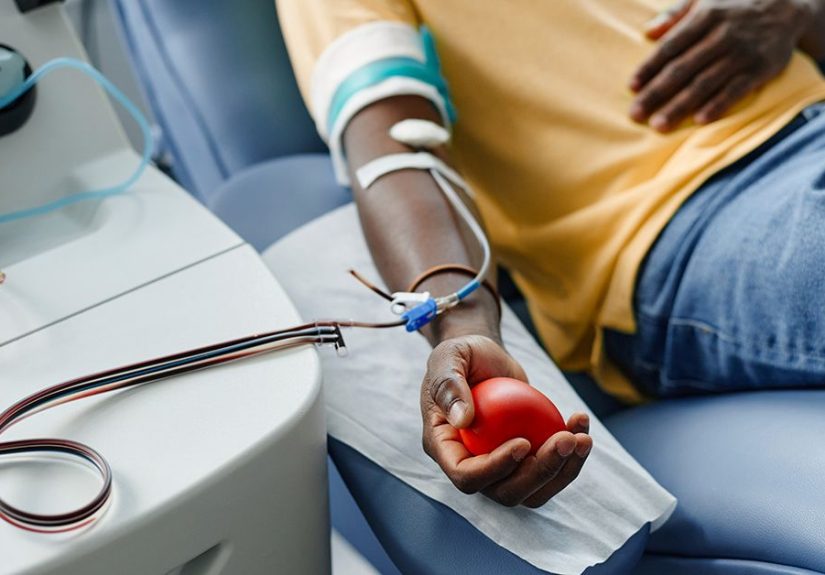
When you donate whole blood, you’re giving away red blood cells. Red blood cells contain hemoglobin. Hemoglobin contains iron.
So yesdonating blood costs iron. That’s normal. Your body can replace red blood cells relatively quickly,
but replacing iron stores can take a lot longer.
Many blood centers check your hemoglobin before donation and require a minimum level.
Typical thresholds are 12.5 g/dL for most women and 13.0 g/dL for most men (exact rules vary by collection type).
If you’re below the cutoff, you’re deferred for your safety.
Hemoglobin screening is a gatekeeper, not a full detective
Here’s the sneaky part: hemoglobin testing is a quick snapshot. It does not directly measure your iron stores (often estimated by ferritin).
That’s why some people can “pass” the hemoglobin check but still slowly drain their iron tankespecially if they donate frequently.
Bottom line: the pre-donation check is a safety filter, not a full-body audit.
If you’re repeatedly deferredor you feel chronically wiped outyour next step isn’t “try harder,” it’s “get checked.”
Common causes of anemia (the usual suspects lineup)
1) Iron-deficiency anemia (the heavyweight champion)
Iron deficiency is the most common cause of anemia. It can happen when:
- You’re losing blood: heavy menstrual bleeding, ulcers, hemorrhoids, colon polyps, or other GI bleeding.
- You’re not getting enough iron: low-iron diet, picky eating, strict dieting.
- You’re not absorbing iron well: certain GI conditions or surgeries can reduce absorption.
- Your needs increase: pregnancy is a classic example.
Blood donation can contribute by removing iron repeatedlyespecially if you donate on the earliest allowed schedule.
It’s not “bad.” It’s just math.
2) Vitamin B12 or folate deficiency anemia
Vitamin B12 and folate help your body make red blood cells. If you’re low, you may develop anemia
sometimes with additional symptoms like numbness/tingling or balance issues (particularly with B12 deficiency).
Diet, absorption problems, and certain medications can play a role.
3) Anemia of chronic disease (inflammation is not a great roommate)
Chronic inflammatory conditions (some infections, autoimmune diseases, cancers, and more) can interfere with how your body uses iron
and how it produces red blood cells. You might have iron in storage, but your body treats it like it’s behind a locked door.
4) Chronic kidney disease (when kidneys don’t send the “make blood” memo)
Healthy kidneys produce erythropoietin (EPO), a hormone that signals bone marrow to make red blood cells.
In chronic kidney disease, EPO can dropleading to anemia, sometimes along with iron-handling issues.
5) Less common (but important) causes
- Bone marrow disorders: aplastic anemia, leukemia, myelofibrosis.
- Hemolytic anemia: red blood cells are destroyed faster than they’re made.
- Inherited blood disorders: sickle cell disease, thalassemia (some people have mild forms).
If anemia is persistent, severe, or unexplainedespecially in men or postmenopausal womenmedical evaluation matters.
Sometimes anemia is the first clue to an underlying issue that needs attention.
Risk factors: who’s more likely to get “low hemoglobin” at the blood drive?
Anyone can develop anemia, but certain groups are more likely to bump into low hemoglobin or low iron storesespecially with donation:
- People who menstruate (especially with heavy periods).
- Pregnant or postpartum individuals (higher iron needs, potential blood loss at delivery).
- Teens and young adults (rapid growth + sometimes inconsistent diets).
- Frequent donors (whole blood, double red cell “Power Red,” or frequent platelet donations can add up).
- Vegetarians/vegans (totally doable, but requires smart iron planning).
- Endurance athletes (higher turnover, sweat losses, foot-strike hemolysis in some runners, and increased needs).
- GI issues (absorption problems or slow blood loss).
- Chronic conditions (kidney disease, inflammatory disorders).
None of these mean “don’t donate.” They mean “donate strategically,” like a responsible adult with a calendar and snacks.
Symptoms: signs your body is sending a not-so-subtle email
Mild anemia can be sneaky. Some people feel fine until they don’t.
Common symptoms include:
- Fatigue, weakness, low stamina
- Dizziness or lightheadedness
- Shortness of breath with activity
- Headaches
- Heart racing or palpitations
- Pale skin
- Odd cravings like chewing ice (pica)
- Trouble concentrating (“brain fog”)
Get urgent care if you have chest pain, fainting, severe shortness of breath, or symptoms that feel sudden or alarming.
And if you’re repeatedly deferred from donating for low hemoglobin, treat it like useful datanot a personal failure.
Before you donate: how to stack the odds in your favor
Eat iron like you mean it (but don’t panic-eat spinach)
Your best food strategy depends on the type of iron:
- Heme iron (more easily absorbed): red meat, poultry, fish.
- Non-heme iron (plant-based, still valuable): beans, lentils, tofu, fortified cereals, leafy greens, nuts and seeds.
Want a simple absorption “hack”? Pair iron with vitamin C (citrus, berries, bell peppers).
And try not to take iron-rich meals alongside strong tea/coffee or high-calcium foods, which can reduce absorption for some people.
Sleep, hydrate, and don’t sprint into the donation center
Being well-rested and hydrated won’t magically raise iron stores overnight, but it can help you feel better during donation
and may reduce dizziness. Eat a solid meal beforehand. Your future self will thank youand stop drafting dramatic texts in the parking lot.
After you donate: rebuilding without turning your life into a supplement commercial
Know the iron “price tag” of donation
A single whole blood donation typically costs roughly 220–250 mg of iron.
Double red cell donations can cost more. Replacing the iron can take timesometimes monthsespecially without supplementation.
Food helps… but frequent donors may need more
If you donate occasionally, a well-balanced diet may be enough. But for frequent donors,
some organizations recommend discussing iron supplementation with a healthcare professional.
One commonly cited approach for frequent donors is a multivitamin with iron or an iron supplement containing roughly
18–38 mg of elemental iron daily for a period after donating (for example, about 60 days after whole blood,
and longer after double red cell donation).
Iron supplements can cause constipation, stomach upset, or nausea. More is not always betterhigh doses can be harmful,
and iron can be dangerous if accidentally ingested by children. Also, iron supplementation can mask more serious causes of anemia
(like GI bleeding), so if you’re repeatedly low, don’t self-treat forever without getting checked.
How often should you donate?
In the U.S., whole blood donation is commonly allowed about every 56 days (up to several times per year).
Double red cell donation typically has a longer interval.
Just because you can donate on the earliest schedule doesn’t mean your iron stores will love you for it.
Many people do better by spacing donations out moreespecially menstruating donors and younger donors.
What if you’re deferred for low hemoglobin?
First: you’re not alone. Low hemoglobin deferrals happen all the time, especially among people who menstruate.
Here’s a practical plan:
- Don’t donate again immediately. Give your body time.
- Look for patterns. Are you donating frequently? Training hard? Skipping iron-rich foods?
- Consider a checkup if this happens repeatedly or you have symptoms.
- Ask about labs (often CBC + ferritin) to distinguish low hemoglobin vs low iron stores.
- Address the root cause. For example: heavy periods, GI symptoms, dietary gaps, absorption issues.
Clinicians often take iron-deficiency anemia in men and postmenopausal women seriously because chronic GI blood loss can be a culprit.
That doesn’t mean “panic”it means “don’t ignore the smoke alarm.”
Special situations worth extra attention
Pregnancy (and postpartum)
Pregnancy increases iron needs. Many pregnant people are screened for anemia and may be advised to supplement iron.
If you’re pregnant, donation rules typically restrict donating anywayso focus on prenatal care and iron sufficiency first.
Chronic kidney disease
Anemia in CKD can involve lower EPO and altered iron handling. Treatment can include iron therapy and, in some cases,
medications that stimulate red blood cell production under medical supervision.
Vegetarian/vegan donors
You can absolutely maintain healthy iron on a plant-based diet, but it often requires more intentional planning:
legumes + fortified foods + vitamin C pairings are your best friends.
Athletes
If you train heavily, you may notice performance drops before you notice “classic” anemia symptoms.
If donating is important to you, consider less frequent donation and periodic iron monitoringespecially if you have
fatigue or performance changes that don’t match your training plan.
Quick FAQ
Does donating blood cause anemia?
It can contribute, especially if you donate frequently or already have low iron stores. Many people donate safely for years,
but iron balance is the key variable.
If my hemoglobin is normal, does that mean my iron is fine?
Not necessarily. Hemoglobin can be normal even when iron stores are low. Ferritin is commonly used to assess iron storage.
How long does it take to recover after donating?
Red blood cells recover faster than iron stores. Iron replacement can take weeks to months, depending on diet, baseline stores,
and whether you supplement.
Should I take iron “just in case”?
Talk with a clinician, especially if you’re a frequent donor or have symptoms. Iron isn’t a harmless candy.
The right dose for the right person matters.
What’s the best way to prevent low hemoglobin deferrals?
Space donations, build iron-rich habits, pair iron with vitamin C, and consider medical guidance on supplements if you’re a frequent donor.
If deferrals repeat, get evaluated for underlying causes.
Experiences from the donation chair (and the “wait…why am I so tired?” era)
The first time Mia tried to donate blood in college, she had the pep of someone who’d watched exactly one inspirational video.
She’d slept four hours, ate half a granola bar, and marched into the blood drive like a caffeine-powered warrior.
Ten minutes later, she was being handed apple juice and crackers by a volunteer who had clearly seen this movie before.
Her hemoglobin was too low, and the staff kindly explained that “wanting to donate” and “being ready to donate” aren’t the same thing.
Mia left embarrasseduntil she realized the deferral was basically free health feedback. She booked a checkup, found out her periods were
heavier than she’d assumed was normal, and learned she was iron deficient. Two months of better meals, a doctor-recommended supplement,
and smarter timing later, she donated successfullythis time after an actual breakfast that included real food and a side of dignity.
Then there’s Marcus, a regular donor who treated the donation schedule like a punch card: “Six donations and the seventh is free, right?”
(No. That is not how bodies work.) He kept donating on the earliest allowed date, proud of his consistency.
Over time, he noticed workouts felt harder and his “I’m just stressed” fatigue wasn’t improving.
He still passed the hemoglobin screenuntil one day he didn’t. That surprise fail felt personal, but it wasn’t.
His iron savings account had been quietly shrinking while his hemoglobin checking account stayed barely afloat.
After he learned that iron stores can lag behind hemoglobin, he spaced out donations, added iron-rich foods more intentionally,
andafter talking with his clinicianused a short-term iron plan after donating. The biggest change wasn’t the supplement;
it was the mindset shift: donating regularly is great, but donating sustainably is better.
On the clinical side, many healthcare providers have a familiar script when patients mention low hemoglobin:
“Are you donating blood? How often? How are your periods? Any stomach symptoms? Any changes in stool? Any new fatigue?”
That’s not interrogationit’s pattern recognition. Iron deficiency can come from donation, but it can also come from slow blood loss
that deserves attention. One patient described it perfectly: “I thought I was failing the blood test. Turns out the blood test was saving me.”
They were ultimately diagnosed with a bleeding stomach ulcersomething that could have become dangerous if ignored.
A deferral didn’t just postpone a donation; it redirected their health story.
Finally, there’s the “quiet win” experience: people who donate and feel totally finebut still choose to be proactive.
They treat donation like training for a long season: fuel well, recover well, don’t overdo it, and pay attention to feedback.
They bring a snack. They hydrate. They don’t donate the day after running a half marathon.
They know that being a lifesaver doesn’t require being a martyr.
Conclusion: donate with heartand with a plan
Anemia and blood donation aren’t enemies. They’re simply connected by biology.
Blood donation removes iron; iron helps build hemoglobin; hemoglobin helps carry oxygen; oxygen helps you feel like a functioning human.
If you’re at higher riskmenstruation, pregnancy history, frequent donation, restrictive diets, chronic conditionsyour best move isn’t to stop donating.
It’s to donate thoughtfully: space your donations, build iron-smart habits, and get evaluated when low hemoglobin keeps showing up.
The goal is simple: keep donors healthy and keep the blood supply strong.
You can absolutely be part of thatwithout running your body like a poorly managed warehouse.