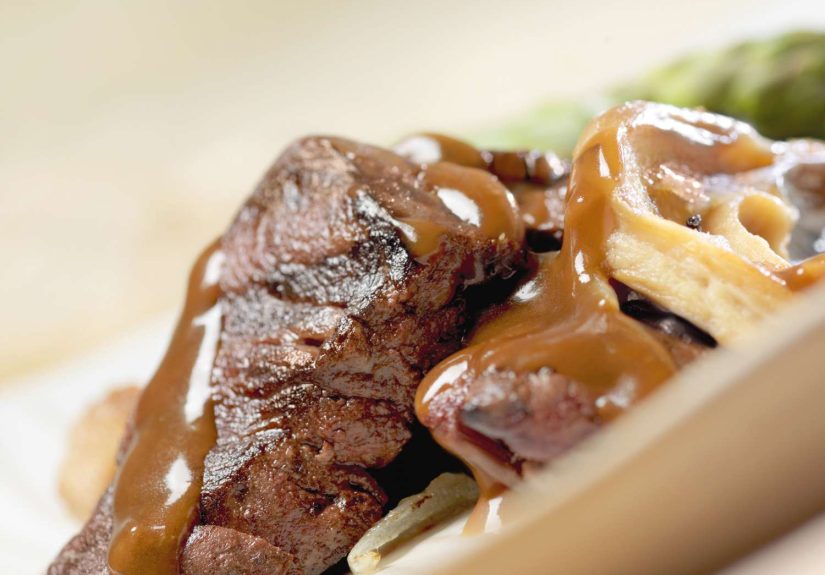
Table of Contents >> Show >> Hide
- What “Swiss Steak” Actually Means (Spoiler: Not Switzerland)
- Why This Crock Pot Method Works for Venison
- Swiss Venison Steak Crock Pot Recipe (Classic, From-Scratch Version)
- Shortcut Version (Because Life Happens)
- Food Safety Notes (Quick, Clear, and Not a Buzzkill)
- Pro Tips for Tender, Not-Dry Venison Swiss Steak
- Serving Ideas (Because the Sauce Deserves a Stage)
- Make-Ahead, Storage, and Freezer Tips
- FAQ
- Real-World Experiences with Swiss Venison Steak in a Crock Pot (The Stuff That Actually Happens)
- Conclusion
If you’ve ever looked at a package of venison steaks and thought, “You seem… ambitious,” this recipe is your peace treaty. Swiss steak is the classic comfort-food move where a tougher cut gets tenderized, lightly floured, browned, and then braised in a tomato-onion gravy until it’s fork-friendly. Doing it in a Crock Pot (slow cooker) makes the whole thing feel like you hired a tiny, quiet kitchen assistant who never asks for a raise.
This version is built for venison: lean, flavorful, and occasionally prone to turning into “deer jerky: the revenge cut” if you overcook it. We’ll fix that with smart prep, enough moisture, and a sauce that tastes like it should come with a cozy blanket.
What “Swiss Steak” Actually Means (Spoiler: Not Switzerland)
Swiss steak is an American braised-steak classic. The “Swiss” part comes from “swissing,” a technique of tenderizing meat (often by pounding or running it through a tenderizer), then coating it in seasoned flour, browning it, and slowly cooking it in a tomato-based gravy with onions (and often peppers, celery, or carrots). Translation: it’s a delicious plan for cuts that need a little encouragement to become tender.
Venison round steak, shoulder, or leg steaks are great candidates because they’re lean and can be firm. Slow cooking helpsif you respect venison’s #1 rule: it doesn’t have much fat to protect it. That’s why our method adds flavor early (a quick sear), then keeps the meat surrounded by sauce while it cooks low and slow.
Why This Crock Pot Method Works for Venison
1) Browning = flavor you can’t fake
A fast sear builds deeper, “roasty” flavor through browning reactions on the surface of the meat. It’s not about cooking it throughit’s about building the base notes so the slow cooker doesn’t taste like it did all the work while you did none (even if that’s emotionally accurate).
2) Flour does double duty
Dredging the steaks in flour helps them brown and also thickens the sauce as it cooks. You end up with that classic Swiss steak gravy: spoonable, clingy, and extremely convincing over mashed potatoes.
3) Venison loves moistureand a little backup
Because venison is so lean, it benefits from a sauce that brings both moisture and body. Tomatoes, broth, onions, and aromatics build richness. If you want an extra safety net, you can add a small amount of fat (like bacon, butter, or olive oil) to round things out without masking the venison flavor.
Swiss Venison Steak Crock Pot Recipe (Classic, From-Scratch Version)
Recipe at a Glance
- Serves: 4–6
- Prep time: ~20 minutes
- Cook time: 7–8 hours on LOW (or 3–4 hours on HIGH)
- Best cuts: venison round steak, sirloin tip, or any venison steak labeled for slow cooking
Ingredients
- 2 to 2½ pounds venison steaks (round steak is ideal), cut into 4–6 serving pieces
- 1 teaspoon kosher salt (plus more to taste)
- ½ teaspoon black pepper
- 1 teaspoon garlic powder
- ½ teaspoon smoked paprika (optional, but very charming)
- ⅓ cup all-purpose flour
- 2–3 tablespoons oil (avocado, canola, or olive oil)
- 1 large onion, sliced into half-moons
- 1 bell pepper, sliced (optional but classic)
- 2 ribs celery, sliced (optional, adds savory sweetness)
- 8 ounces mushrooms, sliced (optional, highly recommended)
- 1 (14–15 oz) can diced tomatoes
- 1 (8 oz) can tomato sauce (or 1 cup tomato juice)
- 1 cup beef broth (or venison stock if you have it)
- 1 tablespoon Worcestershire sauce
- 1 teaspoon dried thyme (or Italian seasoning)
- 1 bay leaf
- Optional “venison insurance”: 2 slices bacon (chopped) OR 1 tablespoon butter
Step-by-Step Instructions
- Optional prep for “wild” flavor: If your venison has a strong gamey note (or you’re feeding someone who “likes venison” in theory), soak the steaks for 30–60 minutes in cold milk or a light saltwater brine in the fridge. Pat very dry before cooking. (Skipping this is totally fine if your venison is mild.)
- Season and dredge: Mix flour, salt, pepper, garlic powder, and paprika on a plate. Dredge each steak piece lightly, shaking off excess.
- Sear for flavor: Heat oil in a skillet over medium-high. Brown the venison 1–2 minutes per side (work in batches). You’re aiming for color, not doneness. Transfer to a plate.
- Build the base: Add onion (and pepper/celery/mushrooms if using) to the same skillet. Sauté 3–5 minutes, scraping up browned bits. If the pan looks dry, add a splash of broth.
- Layer the slow cooker: Spread the sautéed veggies in the bottom. Place venison on top in a single layer if possible. Pour in diced tomatoes, tomato sauce, broth, Worcestershire, thyme, and add the bay leaf. If using bacon or butter, add it now (small amount, big payoff).
- Cook low and slow: Cover and cook on LOW for 7–8 hours (best texture) or HIGH for 3–4 hours. Avoid lifting the lidslow cookers lose heat fast, and every peek is basically a tiny delay.
- Check tenderness, then adjust: When the venison is fork-tender, remove the bay leaf. Taste the sauce and add salt/pepper as needed. If you want a thicker gravy, see the thickening options below.
- Serve like a legend: Spoon the sauce over mashed potatoes, egg noodles, rice, or buttery polenta. Add a green veggie on the side so dinner feels responsible.
How to Thicken the Sauce (Choose Your Adventure)
- Option A: Let it reduce. Remove the lid for the last 20–30 minutes on HIGH to let extra moisture cook off. (Works best if your slow cooker runs hot.)
- Option B: Cornstarch slurry. Mix 1 tablespoon cornstarch with 1 tablespoon cold water, stir into the sauce, and cook 10–15 minutes until glossy.
- Option C: Flour slurry. Mix 1 tablespoon flour with 2 tablespoons water, stir in, and cook 15–20 minutes to avoid raw flour taste.
Shortcut Version (Because Life Happens)
If you want the “dump-and-go-ish” approach, you can borrow a very Midwestern trick: use an onion soup mix to do a lot of seasoning work in one packet. You’ll still get better flavor if you sear the meat first, but the shortcut tastes surprisingly classic.
Shortcut Ingredients Swap
- Replace salt, thyme, and some aromatics with: 1 packet onion soup mix
- Use: 1 can condensed tomato soup + 1 can water (or broth) for a quick sauce base
- Still dredge and sear if you canit’s the difference between “good” and “why is this so good?”
Food Safety Notes (Quick, Clear, and Not a Buzzkill)
For whole cuts of venison (steaks/roasts), many food-safety resources use the same minimum internal temperature guidance as beef steaks: 145°F with a short rest time. Ground venison needs a higher temperature. Use a thermometer if you canvenison’s color can be misleading, and guessing is how “dinner” becomes “protein roulette.”
- Whole cuts (steaks/roasts): 145°F and rest a few minutes
- Ground venison: 160°F
- Leftovers/reheating: 165°F
Also: thaw meat fully in the refrigerator before slow cooking. Starting with frozen meat can keep food in the “danger zone” too long in some appliances.
Pro Tips for Tender, Not-Dry Venison Swiss Steak
Pick the right cut
Swiss steak is meant for tougher cuts that improve with braising. Venison round steak (or similarly firm leg steaks) works beautifully here. If you use tenderloin/backstrap, it can over-soften and lose that steak vibe.
Don’t skip the pat-dry
Dry meat browns better. Browning equals flavor. Flavor equals people asking you to “just make that again” forever.
Add a little fat if your venison is ultra-lean
A couple slices of bacon, a spoon of butter, or even a drizzle of olive oil helps the sauce taste rounder. You’re not trying to turn venison into porkyou’re just giving it a supportive friend.
Save dairy for the end
Want a creamy mushroom finish? Stir in a few tablespoons of sour cream or Greek yogurt during the last 10–15 minutes. Dairy can separate if it cooks all day.
Serving Ideas (Because the Sauce Deserves a Stage)
- Mashed potatoes: the classic gravy magnet
- Egg noodles: pure diner comfort energy
- Rice or buttered barley: hearty, simple, dependable
- Roasted green beans or broccoli: something green to keep your conscience calm
- Crusty bread: for “accidentally” cleaning the plate
Make-Ahead, Storage, and Freezer Tips
Make-ahead
You can prep everything the night before: slice veggies, mix sauce, and keep the dredged (uncooked) steaks covered in the fridge. Sear in the morning, then start the slow cooker.
Storage
Refrigerate leftovers promptly and keep them in a sealed container. The flavors often deepen overnight, which means lunch the next day can be even better than dinner (a rare and beautiful thing).
Freezing
Swiss venison steak freezes well because it’s protected by sauce. Cool completely, portion it, and freeze. Thaw in the fridge overnight and reheat gently on the stovetop or microwave, adding a splash of broth if the sauce thickens too much.
FAQ
Can I cook venison Swiss steak on HIGH the whole time?
You can, but LOW usually gives a better texture and a more forgiving result. HIGH can work if you’re short on time, but keep an eye on tenderness: once it’s tender, you’re donedon’t keep cooking it “just because.”
Do I have to tenderize the steaks first?
If your venison steaks are from the round or another working muscle, tenderizing helps. A meat mallet, a fork, or a blade tenderizer works. That said, slow cooking in sauce does a lot of the heavy lifting, so don’t panic if you skip it.
What if the sauce tastes too “tomato-y”?
Add a teaspoon of brown sugar (or a grated carrot), a pat of butter, or a splash more broth. Tomatoes can be bold; balancing them is allowed.
What if the sauce tastes too “wild”?
Brighten it with a splash of vinegar or a squeeze of lemon at the end (a little!), or serve with something creamy like mashed potatoes. Next time, try the milk soak or brine step.
Real-World Experiences with Swiss Venison Steak in a Crock Pot (The Stuff That Actually Happens)
Recipes look calm on the page. Real kitchens are where the onion is larger than expected, the slow cooker runs a little hotter than your friend’s, and someone inevitably asks, “Is this beef?” five minutes after you proudly said, “It’s venison!” That’s normal. Here are the most common real-world moments people run into with Swiss venison steakand how they usually solve them without losing their minds.
“My venison came out tender… but kind of dry?”
This is the classic venison paradox: it can be tender and still feel dry because it’s lean. A few small tweaks typically fix it. First, make sure the meat is truly surrounded by saucevenison does better when it’s braising, not sitting half-exposed. Second, don’t be shy about adding a modest amount of fat. A little butter stirred into the sauce at the end can make the whole dish feel richer. Some cooks use chopped bacon at the beginning, not to make it taste like bacon, but to add body and a subtle savory cushion. Finally, remember that “done” is a tenderness moment, not a clock moment. If it’s tender at 6½ hours on LOW in your slow cooker, you can stop there.
“It tastes a bit gameyhelp.”
A lot of folks discover that “gamey” can mean a few different things: sometimes it’s strong flavor from fat or connective tissue, sometimes it’s simply that venison tastes like venison (shocking, I know). The most common real-life fix is a short soak in milk or a simple brine before cooking, followed by a thorough pat-dry for good browning. During cooking, onions, mushrooms, Worcestershire, and herbs pull the flavor in a comforting direction. And here’s an underrated move: a tiny splash of vinegar at the end can brighten everything and make the sauce taste more “stew-like” and less “wild.” Think of it as turning the flavor dial, not smashing it with seasoning.
“My gravy is thin, and I wanted that diner-style Swiss steak sauce.”
Totally commonslow cookers trap moisture, so sauces don’t reduce the way they do on the stovetop. In real kitchens, people usually fix this in one of three ways: (1) remove the lid near the end to let steam escape (works best if your cooker runs hot), (2) use a cornstarch slurry for a glossy, fast thickening, or (3) ladle some sauce into a small pan and simmer it for 5–10 minutes, then stir it back in. That last method feels extra, but it’s quick and gives you the most control. Also, flour dredging at the start helps, but it won’t always thicken enough on its ownespecially if your tomatoes are extra juicy.
“I skipped browning because I was busy. It’s fine… but kind of flat.”
This is the tradeoff everyone makes at least once. The dish will still be tender, still comforting, still edible (and probably still better than cereal). But browning creates those deep flavors that make Swiss steak taste like it came from someone’s grandmother’s recipe box. If you can’t sear the meat, a practical workaround is to sauté the onions and tomato paste (or just the onions) in a pan first. That one step adds a surprising amount of flavor. Another realistic fix: season the sauce a bit more assertively with Worcestershire, garlic, and herbsstill not the same as browning, but it closes the gap.
“We loved it… now what do I do with leftovers?”
Leftovers are where Swiss venison steak turns into a meal-prep MVP. People commonly repurpose it in ways that feel brand-new: shred the venison and serve it over baked potatoes, fold it into egg noodles like a rustic stroganoff (especially if you add sour cream at the end), or spoon it onto toasted bread with melted provolone for a messy-but-amazing sandwich. The sauce thickens in the fridge, so reheating with a splash of broth is a small move that makes it taste freshly made. And if you’re feeding a mixed crowdsome “venison fans,” some “venison skeptics”the leftover sandwich option wins hearts fast.
The big takeaway from real kitchens is simple: venison Swiss steak is incredibly forgiving as long as you keep it moist, don’t overcook past tenderness, and season the sauce like you mean it. Once you dial it in for your slow cooker and your particular cut of venison, it becomes one of those recipes people requestespecially when the weather gets cold and everyone suddenly wants dinner that tastes like a warm jacket.