Table of Contents >> Show >> Hide
- What Is a Glass Coffee Carafe Set?
- Why Glass? Because Coffee Deserves a Clean Stage
- Types of Glass Coffee Carafe Sets
- How to Choose the Right Glass Coffee Carafe Set
- Capacity: be honest about your household
- Glass type: borosilicate vs. regular glass
- Lid design: more important than it sounds
- Handle and spout: the “no regrets” pour
- Compatibility: will your dripper actually fit?
- Heat retention: glass isn’t a thermos (and that’s okay)
- Cleaning and parts availability
- Brewing Tips That Make Your Carafe Feel Like a Coffee Shop
- Cleaning and Care: Keep the Glass Sparkly and the Coffee Tasting Clean
- Common Mistakes (and How to Not Do Them)
- How to Build the Perfect “Set” (Without Buying Random Extras)
- Who Should Buy a Glass Coffee Carafe Set?
- Conclusion: The Simple Upgrade That Feels Like a Big One
- Real-World Experiences With a Glass Coffee Carafe Set (The Part No One Mentions Enough)
A good cup of coffee can fix a lot of problems. A bad cup can create new oneslike why you’re suddenly Googling “how to politely resign from adulthood.” Somewhere between those two outcomes sits the humble glass coffee carafe set: the unsung hero that turns “I made coffee” into “I brewed coffee.” It’s part tool, part serving piece, and part countertop flex.
If you’ve ever wanted coffee that tastes cleaner, looks prettier, and doesn’t pick up “mystery flavors” from plastic parts, a glass carafe set is the upgrade that feels fancy without requiring a second mortgage. Let’s break down what a glass coffee carafe set is, how to choose one, how to use it like you meant to, and how to keep it alive in a world where gravity is always hiring.
What Is a Glass Coffee Carafe Set?
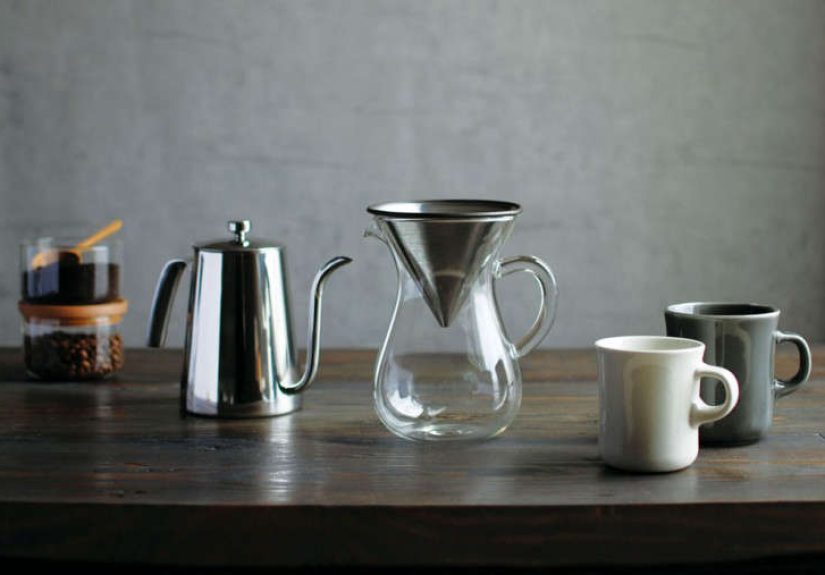
A glass coffee carafe set is a bundle built around a glass vessel designed for brewing, serving, or storing coffee. Some sets are simple (carafe + lid). Others are the whole show (carafe + pour-over dripper + filter system + stand or collar). The best sets do two jobs well: they brew cleanly and they pour neatly.
What’s typically included
- Glass carafe (coffee server) with a handle and spout for controlled pouring
- Lid (glass, plastic, or silicone) to retain heat and keep out dust, pets, and curious roommates
- Brewing attachment in some sets (pour-over dripper, stainless filter, or proprietary brewer top)
- Measurement marks on many servers (helpful when you’re half-awake and counting “cups” like it’s a guessing game)
Why Glass? Because Coffee Deserves a Clean Stage
Glass has a reputation for being “delicate,” which is unfairlike calling a tortoise “slow” when it’s literally wearing armor. The right glass (especially borosilicate) is designed to handle heat changes better than standard soda-lime glass. More importantly, glass is non-porous, meaning it won’t absorb oils and odors the way some materials can. Your coffee tastes like coffee, not last week’s cinnamon experiment.
Benefits you actually notice
- Purity of flavor: glass doesn’t add its own “notes.” Your beans get all the credit (or blame).
- Visual feedback: you can see clarity, color, and volumehelpful for dialing in a brew.
- Easy cleaning: residue is visible, so you won’t accidentally keep a “coffee patina” for emotional support.
- Versatility: many glass servers can handle coffee, tea, cold brew, or even fancy water for guests you’re trying to impress.
Types of Glass Coffee Carafe Sets
Not all carafe sets are built the same. Some are for ritualistic pour-over fans with a gooseneck kettle and a spreadsheet. Others are for people who want hot coffee that pours nicely and doesn’t drip down the side like a sad waterfall.
1) Pour-over server sets (carafe + lid, sometimes dripper-compatible)
These are glass coffee servers designed to catch coffee from a pour-over dripper (V60-style cones, wave drippers, flat-bottom brewers, and similar). Many have a lid that doubles as a drip catcher when you remove the dripper. This style is great if you already have a dripper and want a matching glass coffee carafe with lid.
2) Brewer-and-server combos (one-piece icons)
Some sets are famous for a reason: they’re a brewer and a server in one. The classic hourglass-style brewer is basically coffee’s version of a little black dresssimple, flattering, and always appropriate. These typically rely on proprietary filters and are known for producing a clean, bright cup.
3) Permanent filter pour-over sets (less paper, more body)
Some glass sets include a reusable stainless steel filter. It’s convenient and eco-friendly, and it can produce a slightly fuller-bodied cup because more oils pass through compared with thick paper filters. If you hate buying filtersor you just enjoy feeling smug about waste reductionthis is your lane.
4) Cold brew carafe systems
Cold brew setups often include a glass carafe plus a steeping insert. The carafe matters because cold brew tends to sit in the fridge, absorbing odors if it’s stored in the wrong material. A good glass vessel keeps flavors clean and makes it easy to see what’s left before you commit to “just one more cup.”
5) Replacement carafes and “server-first” sets
If your coffee maker’s carafe has ever met the floor, you already understand this category. Replacement glass carafes and servers are about restoring your routine without replacing an entire machine. If you go this route, compatibility (shape, lid type, and capacity) matters more than vibes.
How to Choose the Right Glass Coffee Carafe Set
Picking a carafe set isn’t complicated, but it does reward a little thought. The best set for you depends on how you brew, how many people you caffeinate, and how likely you are to do dishes before “tomorrow.”
Capacity: be honest about your household
- Single drinker: ~400–600 ml servers are plenty (and they don’t hog cabinet space).
- Two coffee people: ~600–1000 ml is a comfortable range for morning peace treaties.
- Hosts and “just one more cup” types: ~1 liter and up keeps you from re-brewing mid-conversation.
Glass type: borosilicate vs. regular glass
Many quality coffee servers use borosilicate glass because it’s more resistant to thermal shock than typical glass. Translation: it’s less likely to crack when it goes from warm to hotter (or when you accidentally rinse it with cooler waterstill not recommended, but life happens). Regular glass can work, but it usually demands gentler handling and more careful temperature transitions.
Lid design: more important than it sounds
- Snug heat-retaining lids: help keep coffee warmer longer and reduce oxidation.
- Drip-catching lids: handy for pour-over workflows (no puddles on the counter).
- Filter lids / strainer lids: great if you use your carafe for tea or cold brew too.
Handle and spout: the “no regrets” pour
A good spout prevents dribbles down the side. A good handle stays cool and feels stable in your hand. This is the difference between “elegant breakfast” and “why is my countertop sticky again?”
Compatibility: will your dripper actually fit?
If you’re pairing the carafe with a pour-over dripper, check the opening size and shape. Some servers are designed specifically for certain drippers, while others are more universal. A mismatch means wobbling, and wobbling is just gravity’s way of writing a to-do list.
Heat retention: glass isn’t a thermos (and that’s okay)
Glass looks great and tastes clean, but it doesn’t insulate like a vacuum thermal carafe. If you want coffee hot for hours, consider pairing your glass server with a warming strategy (more on that soon) or brew smaller batches more often.
Cleaning and parts availability
If the set includes gaskets, bands, collars, or special filters, make sure replacements exist and cleaning won’t become your new personality. Dishwasher-safe parts are a quality-of-life upgradeespecially if you’re busy, tired, or both.
Brewing Tips That Make Your Carafe Feel Like a Coffee Shop
A pour-over coffee carafe doesn’t magically improve your brew… but it makes it easier to be consistent. Consistency is where “pretty good” becomes “wow.” Here are practical, repeatable tips that actually move the needle.
1) Preheat the carafe
Swirl hot water in the carafe for 10–20 seconds, then discard. This keeps the coffee from losing heat the moment it hits cold glass. Your brew stays hotter, and your flavor stays more stable. (Also: preheating makes you feel like a professional, which is a valid life goal.)
2) Start with a sensible coffee-to-water ratio
For a balanced cup, many brewers start around 1:15 to 1:18 (coffee:water by weight). If you like your coffee stronger, move toward 1:15. If you prefer it lighter and cleaner, inch toward 1:17 or 1:18. Use a kitchen scale if you canmeasuring coffee by volume is how chaos stays employed.
3) Keep water temperature in the “hot but not angry” zone
Most pour-over recipes live comfortably just off boiling. Too cool and you under-extract (sour, thin). Too hot and you can pull bitterness depending on grind and roast. If you don’t have a thermometer, boil the kettle, then wait about 30–60 seconds before pouring.
4) Bloom like you mean it
Wet the grounds with enough water to saturate them (often about 2–3x the coffee weight), then wait 30–45 seconds. This releases trapped gases and helps your extraction stay even. The bloom step is basically a warm-up lap for your coffee.
5) Pour in steady pulses
A slow, controlled pour keeps the coffee bed level and avoids channeling. If your carafe set includes a dripper, the rhythm matters: small circles, even coverage, and patience. If you can make it through the pour without checking your phone, you’ve achieved rare modern enlightenment.
Cleaning and Care: Keep the Glass Sparkly and the Coffee Tasting Clean
Coffee oils build up over time, even if you rinse after each use. That buildup can mute flavors and add a stale edge. The fix isn’t hardjust consistent.
Daily routine (takes under a minute)
- Rinse immediately after pouring the last cup.
- Wash with warm water, mild soap, and a soft sponge.
- Let it air-dry upside down or towel-dry to prevent water spots.
Weekly deep clean (especially for glass coffee servers)
- For oils: use a coffee-equipment cleaner or a baking soda paste with gentle scrubbing.
- For stains: soak with warm water and a little baking soda; a bottle brush helps.
- For funky odors: a brief soak with diluted vinegar, then a thorough rinse.
Avoid thermal shock (aka “don’t surprise the glass”)
Even heat-resistant glass can crack if you swing temperatures too fast. Don’t rinse a hot carafe with cold water. Don’t place hot glass on a freezing surface. Don’t let your carafe experience the emotional rollercoaster you had in college.
Common Mistakes (and How to Not Do Them)
1) Putting glass directly on a high flame or wrong burner
Unless your specific carafe is rated for stovetop use, assume it isn’t. Many glass coffee carafes are designed for brewed coffeenot direct heat. If you need to reheat, pour into a microwave-safe vessel (if your carafe is microwave safe, follow the manufacturer guidance) or gently warm coffee another way.
2) Letting coffee sit too long
Glass doesn’t keep coffee hot indefinitely, and sitting coffee can taste flat or bitter. If you want to sip for hours, brew smaller batches, transfer to a thermal container, or use a gentle warming accessory designed for glass (not a blasting-hot hot plate that cooks your coffee into regret).
3) Ignoring the lid and gasket
Lids hide coffee oils and moisture. If your lid has silicone seals, remove and wash them occasionally. That’s where “mysterious coffee funk” likes to move in and start paying rent.
How to Build the Perfect “Set” (Without Buying Random Extras)
A great glass coffee carafe set feels complete, not cluttered. Here’s a practical checklist.
Must-haves
- Heat-resistant glass server with a comfortable handle
- Controlled spout for drip-free pouring
- Lid that fits securely (bonus if it acts as a drip catcher)
- Capacity that matches your real-life coffee habits
Nice-to-haves
- Measurement markings
- Dripper compatibility (or included dripper)
- Reusable filter option (if you like fuller-bodied coffee and less waste)
- Replacement parts availability (lids, seals, collars, filters)
What to skip (usually)
- Overly complex multi-piece contraptions you won’t clean
- Carafes with awkward spouts that “decorate” your counter with drips
- Sets that require obscure filters you can’t easily restock
Who Should Buy a Glass Coffee Carafe Set?
If you identify as any of the following, you’re a good candidate:
- The Flavor Purist: wants coffee that tastes clean and accurate.
- The Pour-Over Person: enjoys process, control, and the soothing sound of a slow pour.
- The Host: wants to serve coffee in something that looks intentional.
- The Minimalist: prefers one beautiful, multipurpose vessel over a cabinet full of clutter.
- The “No Plastic Near My Coffee” Type: wants less contact between hot liquids and plastic components.
Conclusion: The Simple Upgrade That Feels Like a Big One
A glass coffee carafe set is one of those purchases that quietly improves your day. It helps you brew with more consistency, serve with more style, and keep flavors cleanerespecially if you choose a heat-resistant, well-designed carafe that pours neatly and cleans easily.
The key is to match the set to your brewing style: pour-over server sets for flexibility, brewer-and-server combos for iconic simplicity, reusable-filter sets for convenience, and cold brew systems for fridge-friendly coffee that stays fresh. Then treat the glass with basic respectpreheat it, avoid sudden temperature swings, and clean it like you want your coffee to taste like coffee tomorrow.
Real-World Experiences With a Glass Coffee Carafe Set (The Part No One Mentions Enough)
Here’s what living with a glass coffee carafe set is actually likebeyond the product photos where everything is spotless and the kitchen somehow has sunlight at 6:00 a.m.
First: the morning routine glow-up is real. The first time you brew into a clear glass server, you’ll notice how satisfying it is to watch the coffee stream turn from pale to rich amber to deep brown. It’s like a tiny weather system forming in your kitchen. On groggy mornings, that visual cue is oddly groundinglike, “Yes, the world is still spinning, and yes, coffee is still happening.”
Second: you’ll become more consistent without trying. A lot of glass servers have measurement marks, and even if you don’t use them perfectly, you start to learn your own patterns. “Two marks is my weekday cup. Three marks is my ‘I have meetings’ cup.” Consistency is sneaky like that: one day you realize you haven’t made watery coffee in weeks, and you feel like you deserve a trophy that says Didn’t eyeball it (mostly).
Third: the pour matters more than you think. A well-shaped spout makes serving easy, especially when you’re pouring into a mug with a narrow opening or trying not to drip coffee onto a white countertop (a surface color invented by people who don’t drink coffee). With a good spout, you stop doing that awkward tilt-and-pray move. With a bad spout, you’ll learn the exact absorption rate of every paper towel in your house.
Fourth: glass teaches you about heat. You’ll quickly discover that glass is great at showing you your coffee and not great at keeping it hot forever. At first, that feels like a flaw. Then it becomes a feature: you either brew smaller batches (freshness win) or you transfer to a thermal bottle when you truly need longevity. A lot of people end up with a two-step system: brew into glass for clarity and control, then move what you’ll drink later into something insulated. It’s not complicatedit’s just intentional.
Fifth: cleaning is easier… until it isn’t. Day-to-day rinsing is simple, but coffee oils are persistent little villains. If you skip proper cleaning for too long, you’ll notice a dull film and a slightly stale taste. The moment you deep-clean it, the difference is obvious. The lesson: a quick weekly deep clean is the difference between “my coffee is nice” and “why does this taste like yesterday’s decisions?” Also, lids and gaskets can hide residueonce you realize that, you’ll never un-know it.
Sixth: accidents happen, and you’ll develop strategies. You’ll learn where not to place the carafe (near the edge of the counter, next to the sink, within the swing radius of a heavy skillet, or anywhere a cat can interpret as a challenge). You’ll also learn that a bottle brush is a minor miracle and that drying racks are basically insurance policies. Over time, the carafe becomes part of your kitchen rhythm, and you treat it with the kind of casual respect you reserve for nice knives and fragile friendships.
Finally: a glass coffee carafe set makes hosting feel effortless. When friends come over, you can brew a bigger batch, set the carafe on the table, and let people pour their own without hovering. It looks thoughtful, feels welcoming, and somehow makes even a simple breakfast seem more put together than it actually is. And if someone compliments it, you get to say, “Thankscoffee tastes better when it has good glassware,” which is a sentence that sounds fancy even if you’re wearing sweatpants.