Table of Contents >> Show >> Hide
- What “Chaotic Good” Really Means (In Normal-People Language)
- The Unofficial Code Of Chaotic-Good Justice
- 50 Examples Of ‘Chaotic Good’ Bringing Justice To The World Around Us
- How To Do Chaotic Good Without Turning Into A Chaos Tornado
- If You Want To Practice Chaotic Good This Week
- Experiences That Feel Like “Chaotic Good” (And Why They Matter)
- Conclusion
- SEO Tags
Some heroes wear capes. Some wear hoodies, carry a tote bag, and have a mildly unhinged relationship with printer paper.
“Chaotic good” is that special brand of do-gooding where the intentions are pure, the methods are… improvisational,
and the target is usually a problem that “polite society” has been ignoring for way too long.
This isn’t about being reckless or playing vigilante. It’s about everyday justiceprotecting people, reducing harm, calling out nonsense,
and helping the world move one notch closer to decent. Think: rule-bending with a conscience, creative problem-solving under pressure,
and standing up when it would be easier to scroll.
What “Chaotic Good” Really Means (In Normal-People Language)
“Chaotic good” is the moral alignment of someone who tries to do the right thingeven when the “right thing” isn’t neatly packaged in
official steps, approved forms, or a customer service phone tree that traps you in an endless loop of “Press 4 to weep softly.”
A chaotic-good person tends to believe that people matter more than procedures, that harm should be interrupted,
and that justice shouldn’t require perfect paperwork. They might distrust rigid systems, but they’re not anti-community.
They’re pro-human.
Done well, chaotic good looks like moral courage with a creative streak. Done poorly, it looks like “I meant well” plus a migraine for everyone
involved. The goal is to keep the heart, keep the boldness, and lose the unnecessary mess.
The Unofficial Code Of Chaotic-Good Justice
1) Aim at harm, not at people
The mission is to stop damagebullying, fraud, abuse, discrimination, exploitationnot to “win” or humiliate.
Justice isn’t a dunk contest.
2) Protect the vulnerable first
Chaotic good prioritizes the person with less power: the kid being targeted, the worker being pressured, the neighbor being scammed,
the stranger who needs help right now.
3) Minimize collateral chaos
If your “help” creates more danger, panic, or confusion, it’s time to regroup. The best chaotic good is surprisingly thoughtful:
bold action, safe execution.
4) Accountability is part of the vibe
If you make a mistake, you own it, fix what you can, and learn. Chaotic good doesn’t mean “consequences are for other people.”
5) The end is not “rules don’t matter”
It’s “rules should serve people.” Sometimes that means pushing a system to actually do what it claims it does.
50 Examples Of ‘Chaotic Good’ Bringing Justice To The World Around Us
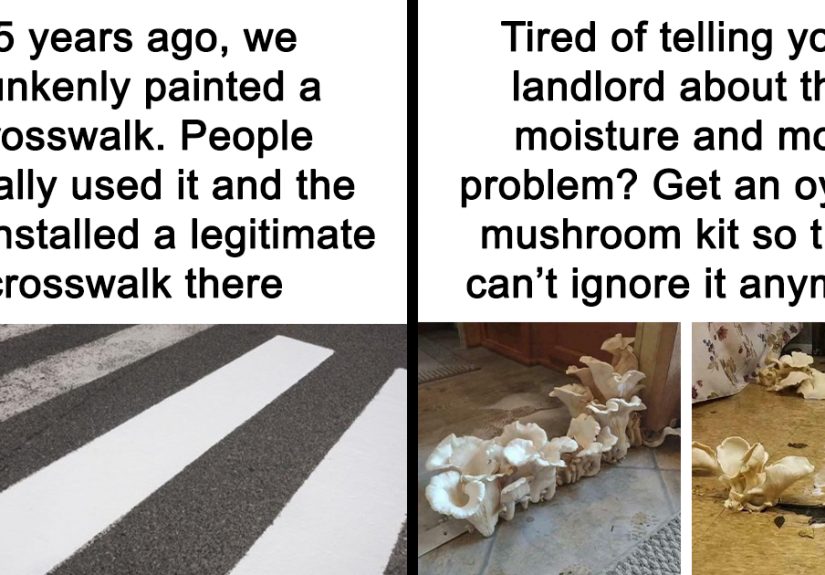
Below are 50 real-world-flavored examples of chaotic-good energysome small, some big, all rooted in the idea that
justice is a verb. Use them as inspiration, not as permission to be unsafe. If a situation is dangerous,
the chaotic-good move is getting help, not escalating.
Everyday “Upstander” Moments (1–10)
- Interrupting public harassment by creating a distraction, checking in with the target, and staying nearby until they’re safe.
- Calling out a “joke” that’s actually prejudicecalmly, clearly, and without turning it into a performance.
- Refusing to film someone’s worst moment and instead helping (or calling for help) like a functioning member of society.
- Walking a classmate to their ride because they said they felt uneasyand believing them without asking for a PowerPoint presentation.
- Speaking up in a meeting when someone gets talked over: “I want to hear them finish.”
- Correcting misinformation in the group chat with receipts and a gentle tone (the rarest magical creature of all).
- Reporting a scam you spotted in a community group before it roasts someone’s savings.
- Backing up a worker being treated unfairly: “They’re following policy. Please don’t take it out on them.”
- Refusing to laugh along with crueltysocial pressure is real, and so is your spine.
- Helping a lost kid find a safe adult without making them feel ashamed or interrogated.
Bureaucracy-Busting Helpers (11–20)
- Translating “official language” into plain English for someone who’s overwhelmed, then helping them draft the email.
- Finding the right department when a person is stuck in agency ping-pong: “No worries, I’ll help you reach the correct office.”
- Taking screenshots of confusing forms and making a step-by-step guide for your community (legal, safe, and wildly appreciated).
- Escalating a case respectfully when the first “no” is clearly a default script, not a thoughtful decision.
- Helping someone document a problem (dates, photos, names, summaries) so they can advocate effectively.
- Donating supplies directly to a classroom or mutual-aid table rather than waiting for a slow, perfect system to approve it.
- Calling multiple places to locate a resource (shelter beds, food pantry hours, low-cost clinic info) when time matters.
- Printing flyers for a neighbor who doesn’t have internet accessbecause justice shouldn’t require Wi-Fi.
- Spotting accessibility barriers (no ramp, no captions, no quiet option) and pushing for fixes instead of “That’s just how it is.”
- Using your privilege strategicallythe person who gets listened to uses that attention to amplify someone who doesn’t.
Public-Interest Rule-Benders (21–30)
- Returning a lost wallet with everything intactand adding a note like “Future You owes Present You a nap.”
- Leaving extra tips when you see workers being stretched thin, because fairness includes the labor you don’t see.
- Calling in (not calling out) a friend who’s drifting toward harmful behaviorprivately, honestly, and without cruelty.
- Refusing to participate in a shady “everyone does it” scheme at work, even when it would be easier to shrug.
- Whistleblowing through proper channels when you witness serious wrongdoingdocumenting carefully and choosing the safest path.
- Buying someone time in a tense situation by redirecting, de-escalating, and getting support involved.
- Organizing a ride chain so people can get to a hearing, appointment, or safe location without being stranded.
- Helping someone appeal a denial by gathering evidence and writing a clean, factual timeline that’s hard to ignore.
- Reporting wage theft or dangerous conditionsbecause “we’ve always done it this way” is not a legal defense.
- Practicing nonviolent civil disobedience for a clear moral causeknowing the risks, keeping it peaceful, and prioritizing safety.
Community Defenders And Repairers (31–40)
- Starting a community fridge or pantry shelf with transparent rules and a “take what you need” spirit.
- Coordinating mutual-aid deliveries for elders, disabled neighbors, or families hit by sudden hardship.
- Creating a “scam alert” list for your neighborhood with clear examples and steps to report.
- Helping someone leave an unsafe situation by connecting them to resources and respecting their pace and choices.
- Restorative conversations when harm happenscenter the person harmed, require accountability, and focus on repair.
- Blocking a bully’s momentum by refusing to forward cruelty, refusing to engage, and supporting the target publicly.
- Fixing the broken thing (bike, door latch, phone screen protector) because stability is a justice issue, too.
- Organizing a neighborhood “safe walk” route with lights, visibility, and shared check-inscommunity safety without drama.
- Collecting supplies after a storm and distributing fastthen helping people apply for longer-term assistance.
- Turning complaints into solutions by bringing a plan (and volunteers) instead of just anger.
Creative Rebels For A Better World (41–50)
- Posting a “Know Your Rights” cheat sheet for everyday situationsclear, calm, and focused on safety.
- Designing a “how to complain effectively” template so people can report issues without getting ignored.
- Making the invisible visible with data: tracking hazards, broken lights, unsafe crossings, or repeated scams until action happens.
- Calling out predatory fees and pushing for transparent pricingbecause surprise charges are chaos, not commerce.
- Helping someone practice a tough conversation (with a landlord, school admin, employer) so they can advocate confidently.
- Starting a book/tool swap that reduces costs and increases accessjustice with a label maker.
- Using humor as a shield to defuse tension while still drawing a boundary: “Nope, we’re not doing that today.”
- Making kindness “louder” than cruelty by flooding a targeted person with support and shutting down dogpiles.
- Creating an accessibility-friendly event (captions, seating options, sensory breaks) and proving inclusion is practical.
- Helping someone get their story heardnot by speaking over them, but by amplifying their words where it counts.
How To Do Chaotic Good Without Turning Into A Chaos Tornado
Chaotic good works best when it’s brave and smart. Here are guardrails that keep your justice energy useful:
- Choose safety over drama. If there’s a risk of violence, step back and get help.
- De-escalate first. Calm voice, more distance, fewer assumptions, more exits.
- Document ethically. Record facts when appropriate, protect privacy, and don’t publish what could endanger someone.
- Use legitimate channels. Reporting, formal complaints, community organizations, and support services exist for a reason.
- Don’t confuse speed with impact. Sometimes the bold move is steady follow-through.
- Keep your ego out of it. The goal is repair and protection, not applause.
The most powerful chaotic-good people aren’t reckless. They’re persistent. They’re the ones who show up again tomorrow with a plan,
a calm tone, and maybe snacks.
If You Want To Practice Chaotic Good This Week
You don’t need a grand moment. You need a small, consistent habit of justice:
- Be an upstander once. Correct misinformation, defend someone being targeted, or report a scam.
- Remove one barrier. Help someone understand a form, write an email, or find a resource.
- Do one “quiet fix.” Replace the missing sign, share the important number, donate the practical item.
- Support a helper. Tip, donate, volunteer, or amplify community resources that actually deliver results.
Justice isn’t always a courtroom scene. Sometimes it’s a person deciding, “Nothis ends with me.”
Experiences That Feel Like “Chaotic Good” (And Why They Matter)
Here’s the part people don’t say out loud: chaotic good can feel awkward. Your heart says, “Help,” but your brain says,
“What if I do it wrong?” That tension is normal. In real life, justice moments are rarely cinematic. They’re more like:
your hands are shaking a little while you type a message you’ve rewritten six times because you want it to be firm but fair.
A lot of chaotic-good experiences start with a tiny spark of discomfortseeing someone treated unfairly, noticing a policy being applied
unevenly, overhearing cruelty dressed up as humor. You might look around and realize nobody else is reacting. That’s the social gravity
of silence. It can make you doubt what you saw, or convince you “it’s not your place.” And then you feel that second spark:
the one that says, “If everyone waits for someone else, nothing changes.”
In the moment, chaotic good often looks boring: you step closer, you check in, you ask a simple question, you offer a way out.
You keep your voice steady because you know escalation helps nobody. Later, it can hit you that you just did something brave.
Not because it was dramatic, but because it was socially risky. Standing up to a group vibeeven gentlycan cost you approval.
Choosing ethics over comfort is its own kind of courage.
Another common experience: the “bureaucracy maze” rescue. Someone’s dealing with a problem that comes with passwords, wait times,
confusing forms, or authority figures who default to “no.” You sit with them, translate the language, help them write a clear timeline,
and suddenly the issue becomes solvable. It feels like you found the hidden door in a video gameexcept the treasure is a human being
getting what they needed all along.
Chaotic good can also feel like community: neighbors quietly moving resources around so people don’t fall through cracks.
A bag of groceries. A ride. A call. A warm meal. A shared tool. These moments don’t trend, but they build trust.
And trust is what turns “random kindness” into something stronger: mutual support that lasts beyond one crisis.
The best chaotic-good experience has a particular aftertaste: relief mixed with clarity. Relief that someone is safer or supported,
and clarity that you don’t have to be “the perfect hero” to matter. You just have to be the person who shows up with common sense,
compassion, and the willingness to act when it counts.