Table of Contents >> Show >> Hide
- What the Tolix Tabouret HA Stool actually is
- A quick Tolix backstory (because design doesn’t happen in a vacuum)
- Design details that matter more than you think
- How to choose the right stool height (without guessing)
- Typical dimensions and what they mean in real rooms
- Where the Tolix Tabouret HA Stool looks (and works) best
- Comfort tweaks that keep the look, but improve the sit
- Authentic Tolix vs. “Tolix-style”: how to shop smart
- Care and cleaning: keep it crisp without damaging the finish
- Is the Tolix Tabouret HA Stool worth it?
- FAQ
- Real-world experiences with the Tolix Tabouret HA Stool (the part people don’t tell you in product photos)
Some stools are just “a place to sit.” The Tolix Tabouret HA Stool is more like a tiny piece of industrial design history that
wandered into your kitchen and decided it lives there now. It looks tough, it’s intentionally simple, and it has that French-bistro-meets-modern-loft vibe
that somehow works with both marble countertops and a chaotic snack drawer.
In this guide, we’ll dig into what the HA stool is, why it exists, how to choose the right height, what to expect day-to-day, and how to keep it looking
sharp (without accidentally giving it a “distressed” finish you didn’t order). If you’re shopping for an industrial metal bar stool that feels
authenticnot like it came from the “Warehouse of Mild Regret”you’re in the right place.
What the Tolix Tabouret HA Stool actually is
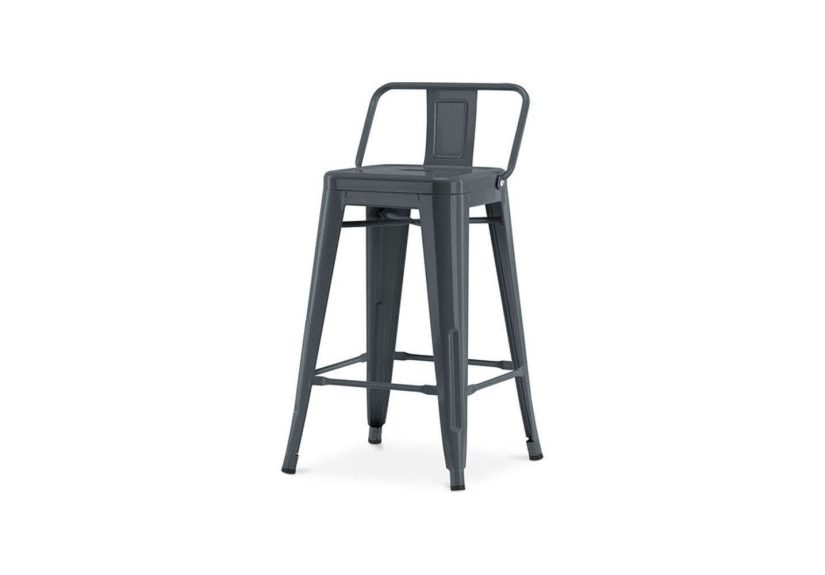
The Tabouret HA is Tolix’s armrest version of its iconic H-stool conceptclean lines, steel construction, and a silhouette that screams
“I belong at a counter where someone is making espresso.” Introduced in 2019, the HA took the familiar Tolix stool language and added
armrests for a more lounge-friendly perch at a kitchen island, bar, or high table.
That one changearmssounds simple, but it shifts the whole experience. The stool goes from “quick coffee” to “why am I still sitting here an hour later
reading labels on hot sauce bottles?” (We’ve all been there. Some of us have… strong feelings about smoked paprika.)
A quick Tolix backstory (because design doesn’t happen in a vacuum)
Tolix is closely tied to French industrial furniture and the early 20th-century push for practical, durable objects that could survive daily life in cafés,
factories, and public spaces. The brand’s design DNA is steel, efficiency, and the idea that furniture should be sturdy enough to handle real usespills,
scuffs, and the occasional dramatic chair scoot.
One reason Tolix pieces became iconic is that they fused utility with a recognizable look: sheet metal formed into confident, no-nonsense shapes that could
be produced consistently. Over time, those “workhorse” forms became style signaturesespecially in modern kitchens, restaurants, and mixed-material
interiors where wood, stone, and metal balance each other out.
Design details that matter more than you think
1) Armrests: comfort upgrade, space-planning reality check
The biggest differentiator is obvious: armrests. They can make the stool feel more secure and comfortable, especially for longer sits,
but they also affect how the stool fits under your counter. Many backless stools tuck in neatly; an armrest stool may not slide in as
far, depending on your overhang and the arm height.
Practical tip: if you’re choosing between a standard Tolix-style backless counter stool and the Tabouret HA, think about your goal. If your kitchen island
is mainly a “quick bite” zone, you may prioritize tucking space. If it’s the household command center (homework, laptop time, snacks, and an ongoing debate
about what counts as a “light lunch”), the arms can be worth it.
2) Steel finishes: powder-coated vs. galvanized (and why it matters)
Tolix stools are commonly offered in finishes like powder-coated steel (painted, durable, lots of color options) and
galvanized steel (zinc-coated for corrosion resistance and a more raw industrial look). Many people choose powder-coated for indoor décor
coordination and galvanized for a more utilitarian, patina-friendly feel.
If you’re placing the stool outdoors or in a humid environment, finish becomes a “long-term relationship” issue, not a “love at first sight” decision.
Outdoor-specific versions often use additional protective treatments designed to withstand weather.
3) Five seat heights: the HA is designed to fit real-life surfaces
Tolix positions the HA stool as available in five heights, which is huge for usability. A stool can be gorgeous and still be wrong if the
seat height doesn’t match your counter or bar. Height mismatch is how you end up with knees at your chin, a hunched posture, and the sudden urge to eat
standing forever.
How to choose the right stool height (without guessing)
The general comfort rule used by many designers is to aim for about 10–12 inches of space between the top of the stool seat and the
underside of the counter or table. From there, you match typical surface heights:
- Counter height surfaces are often around 34–36 inches high.
- Bar height surfaces are often around 40–42 inches high.
That leads to the most common seating targets: roughly 24–27 inches for counter stools and 28–33 inches for bar stools.
This is the zone where your legs have room, your posture stays comfortable, and you don’t need to perform a gymnast’s dismount to get off the seat.
Quick match guide (with HA examples)
| Surface Type | Typical Surface Height | Typical Comfortable Seat Height | HA Stool Example |
|---|---|---|---|
| Kitchen Counter / Island | 34–36 in | 24–27 in | HA 65 (about 25–26 in seat height) |
| Bar / High Table | 40–42 in | 28–33 in | HA 75 (about 29–30 in seat height) |
If you’re choosing multiple stools, spacing matters too. A common planning approach is to leave enough elbow room so people aren’t accidentally
re-enacting a “friendly shoulder bump” every time they reach for their drink. Exact spacing depends on stool width, but many guides suggest allowing
several inches between seatsmore if the stools have arms.
Typical dimensions and what they mean in real rooms
Dimensions can vary slightly by specific model version (indoor vs. outdoor) and how measurements are taken (overall width vs. widest point at the arms).
That said, HA listings often cluster around these real-world truths:
- Seat size: about 28 cm by 28 cm (compact, classic Tolix stool proportions).
- Overall footprint: wider than a backless H-stool due to the armrests (plan for that at tight islands).
- Common heights: a “counter-friendly” option around 65 cm seat height, and a “bar-friendly” option around 75 cm seat height.
- Weight: substantial enough to feel stable, but still practical to move around for cleaning.
Translation: it’s not a delicate decorative perch. It’s a hardworking kitchen island seating option that can hold its own in busy homes
and hospitality spaceswhile still looking intentionally styled.
Where the Tolix Tabouret HA Stool looks (and works) best
Kitchens with islands that do everything
In many homes, the kitchen island is no longer just “extra counter space.” It’s a breakfast bar, homework desk, coffee station, and the place where
everyone stands five inches apart while saying, “I’m not hungry,” and then eating all the chips. The HA stool fits that reality because it blends
durability with comfort.
Home bars that want an “elevated industrial” vibe
The HA stool’s industrial metal bar stool profile pairs well with butcher block, stone counters, concrete accents, and open shelving. If your bar area has
warm wood tones, consider a powder-coated color that either contrasts (black, white, deep green) or blends (warm neutrals). If you want a more “honest
material” look, a galvanized-style finish leans into the metal’s character.
Commercial spaces: cafés, studios, and boutiques
Tolix designs became popular in public spaces for a reason: they’re practical. In a café, stools get dragged, bumped, cleaned, and used constantly.
Armrests can be a comfort perk in boutique hotels and lounges, but you’ll also want to consider how they affect spacing and traffic flow.
Comfort tweaks that keep the look, but improve the sit
Steel seating can be surprisingly comfortableuntil you sit through a whole conversation, a whole meal, and a whole “let me show you one more photo”
session. Here are easy upgrades that don’t ruin the Tolix aesthetic:
- Add a cushion: Many owners use a fitted or tie-on seat pad for longer sits.
- Protect your floors: Use felt pads or ensure glides are intact, especially on hardwood.
- Prioritize a footrest experience: A good foot position reduces fatigue, particularly at bar height.
Authentic Tolix vs. “Tolix-style”: how to shop smart
Let’s address the metal elephant in the room: Tolix is widely copied. You’ll find “Tolix-style” stools at many price points, and some are fine for casual
use. But if you’re paying for the real thing, you want the real thing.
Common authenticity checks
- Brand markings: Look for crisp Tolix branding and “Made in France” indicators on authentic pieces.
- Construction details: Originals are typically welded and finished in ways that look intentional, not improvised.
- Seller transparency: Reputable retailers describe materials, origin, and finishes clearly (and don’t dodge questions).
If you’re buying vintage or secondhand, small scuffs aren’t necessarily a problemin fact, many Tolix fans consider light wear part of the charm. The key
is distinguishing “honest wear” from “mystery construction.”
Care and cleaning: keep it crisp without damaging the finish
The good news: steel stools are low-maintenance. The even better news: you don’t need a chemistry degree or a special “furniture ritual” playlist to clean
them. The best long-term approach is simple and consistent.
Everyday cleaning (most situations)
- Wipe with a soft cloth or sponge and mild soap + warm water.
- Rinse lightly if needed, then dry right away to prevent water spots and reduce corrosion risk.
- Avoid abrasive pads and harsh chemicals that can dull or chip a powder-coated finish.
For outdoor use (or humid rooms)
Outdoor placement increases the chance of moisture-related issues. If your HA stool is used outside, keep an eye on the finish and clean off grime (and
yes, bird droppings) promptly. Regular wipe-downs help prevent staining and surface damage.
What about scratches or rust?
Minor scratches happenespecially in high-traffic kitchens. For powder-coated surfaces, small touch-ups may help prevent moisture from reaching bare steel.
If you notice rust, address it early: clean the area gently, remove loose corrosion carefully, and consider a protective touch-up product appropriate for
metal. The goal is to stop a tiny spot from becoming a recurring character in your home’s story.
Is the Tolix Tabouret HA Stool worth it?
If you want a stool that looks good, feels more supportive than a basic backless perch, and holds up to daily life, the HA is a strong contender. You’re
paying for a recognizable design language, quality manufacturing, and finishes that are meant to endurenot just photograph well.
The main trade-offs are:
- Price: Authentic Tolix is an investment compared to mass-market “Tolix-style” stools.
- Space: Armrests add width, so measure and plan your layout.
- Feel: Metal seating is firmer than upholstered options (but cushions solve a lot).
If your priority is maximum tuck-under convenience, a backless counter stool may win. If your priority is comfort plus iconic industrial style, the
Tolix Tabouret HA Stool earns its keep.
FAQ
Can the Tolix Tabouret HA Stool be used outdoors?
Yesif you choose an outdoor-rated version/finish and maintain it properly. Outdoor conditions make cleaning and drying habits more important.
Is HA 65 the right size for a standard kitchen counter?
In many cases, yes. A seat height around 65 cm aligns well with typical counter-height surfaces when you maintain comfortable clearance.
Do armrests make the stool harder to fit at an island?
They can. Armrests often increase the overall width and may limit how far the stool slides under the counter. Measure your overhang and plan spacing.
Will it scratch hardwood floors?
Any stool can if glides wear down or grit gets trapped underneath. Use protective pads, keep floors swept, and check the feet periodically.
Real-world experiences with the Tolix Tabouret HA Stool (the part people don’t tell you in product photos)
Here’s what “living with” a Tolix stool with armrests tends to feel likebased on common homeowner and hospitality use cases, plus the
practical realities of metal furniture in busy spaces.
1) The HA becomes the “default seat,” even when you didn’t plan it.
In many kitchens, one stool slowly becomes the favorite. The HA’s armrests quietly encourage longer sits, which means it’s often the seat that gets pulled
first for morning coffee, laptop time, and snack breaks. People who normally don’t linger at a counter tend to stay put a little longerbecause arms give a
subtle sense of “this is a real seat,” not just a quick perch.
2) It changes how the island gets used.
Owners often notice that once an armrest stool enters the picture, the island shifts from “prep-only zone” to “hangout zone.” One person sits while
chopping vegetables. Someone else leans on the counter and talks. A third person appears, claims they’re not hungry, and eats half the cheese. The HA
supports that social, casual flow without looking bulky or overly lounge-like.
3) You’ll care more about measurement than you think.
People who love the HA often mention the same lesson: measure first. Armrests are wonderfulunless the stool doesn’t tuck in enough and suddenly
your walkway feels tighter. In open-plan kitchens, this usually isn’t a big issue. In narrower spaces, the difference between “sleek” and “obstacle course”
can be a few inches. The upside is that once the spacing is right, the stools feel intentionally placedlike they belong there.
4) The finish holds up wellif you treat it like finished metal, not a cast-iron pan.
Most day-to-day mess wipes off easily with mild soap and water. The biggest “aha” moment for many people is realizing that harsh cleaners and abrasive
sponges can dull or damage powder-coated finishes. Owners who keep a soft cloth handy and wipe spills quickly tend to keep the stool looking new longer.
It’s less about heavy cleaning and more about quick, gentle maintenance.
5) It photographs beautifully, but it also behaves like real furniture.
In styled photos, the HA looks like a design object. In real life, it gets moved, bumped, and used constantly. People appreciate that it doesn’t demand
constant babysitting. Add a cushion if you want a softer sit, throw felt pads on the feet, and the stool becomes a reliable daily driver. The “industrial”
look isn’t fragileif anything, the stool looks more authentic once it’s actually lived with.
6) It plays well with multiple styles.
One of the most repeated experiences is how easy it is to mix the HA into different aesthetics. In modern kitchens it looks crisp. In farmhouse spaces it
adds contrast. In loft-style interiors it feels right at home. People who worry the stool will look “too industrial” often find that color choice changes
everythingsoft whites and warm neutrals read calmer, while black and galvanized finishes lean more workshop-cool.
Bottom line: the Tolix Tabouret HA Stool is usually loved most by people who actually use their countersdailyand want seating that looks
iconic, feels more supportive than a basic backless stool, and doesn’t fall apart when life gets a little… snacky.