Table of Contents >> Show >> Hide
- How appetite works (the 60-second version)
- 13 science-backed ways to curb appetite (without being miserable)
- 1) Start with protein at breakfast (or your first meal)
- 2) Pair carbs with protein or fat (don’t eat “naked carbs”)
- 3) Get serious about fiber (especially soluble fiber)
- 4) Choose “high-volume” foods that take up space
- 5) Drink water before you eat (especially if you confuse thirst for hunger)
- 6) Eat sloweryour fullness signals aren’t instant messages
- 7) Make meals satisfying (not just “healthy”)
- 8) Keep a consistent meal rhythm (skipping often backfires)
- 9) Prioritize sleep (because tired brains crave quick fuel)
- 10) Manage stressespecially the “snack as therapy” loop
- 11) Reduce ultra-processed “trigger” foods (or at least change access)
- 12) Move your body regularly (it helps appetite regulation over time)
- 13) Use coffee or tea strategically (and don’t let it wreck your sleep)
- Common mistakes that make appetite worse
- Bottom line
- Real-world experiences: what people notice when they apply these tips (about )
- SEO tags (JSON)
Generated with GPT-5.2 Thinking
Hunger isn’t your enemy. It’s your body’s very enthusiastic notification systemlike a group chat that pings
everyone when one person is bored. The goal isn’t to “turn off” appetite (that’s not how healthy bodies work).
The goal is to feel comfortably satisfied, reduce constant cravings, and stop getting ambushed by snack attacks that
feel like they came out of nowhere.
“Curbing appetite” in a science-friendly way usually means improving satiety (how full you feel after eating),
smoothing out blood sugar swings, and reducing “reward-driven” eating (when your brain says “more” even if your stomach
says “we’re good”). The best part: most strategies don’t require willpower heroicsjust better setup.
Important note: If you’re a teen still growing, pregnant, have a medical condition, take medications that affect appetite,
or have a history of disordered eating, skip the “hack” mindset and talk with a clinician or registered dietitian about what’s appropriate.
And if appetite loss is sudden or extreme, it’s worth getting checked out.
How appetite works (the 60-second version)
Your appetite is influenced by a mix of hormones (like ghrelin and GLP-1), your sleep, stress levels, meal composition,
food environment, and how processed your food is. Translation: your hunger isn’t just about “self-control.”
It’s a full-body group projectand your lifestyle is on the team.
13 science-backed ways to curb appetite (without being miserable)
1) Start with protein at breakfast (or your first meal)
Protein is consistently linked with higher satiety compared with carbs alone. A protein-forward first meal can reduce
the “I’m starving at 10:30 a.m.” spiral and make cravings less bossy later.
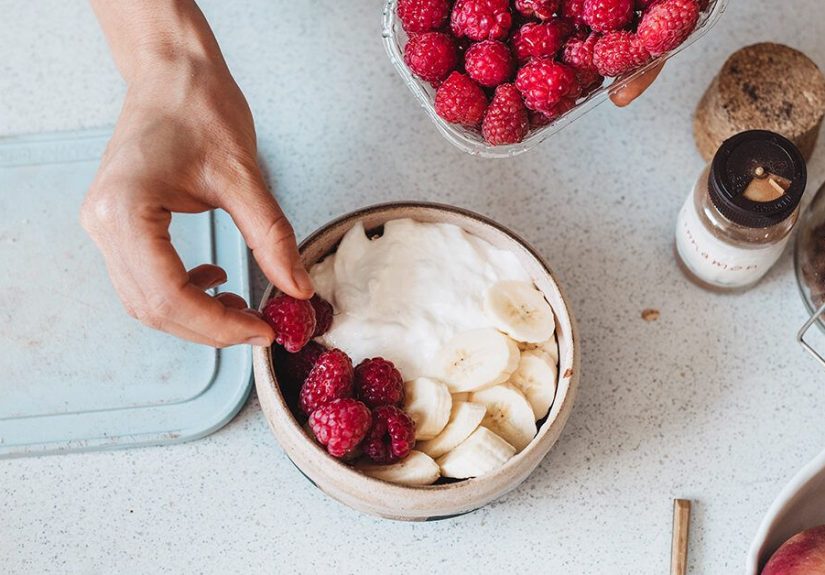
- Try it: Greek yogurt + berries + nuts; eggs + whole-grain toast; tofu scramble; cottage cheese + fruit.
- Shortcut: Add one “protein anchor” to whatever you already eat.
2) Pair carbs with protein or fat (don’t eat “naked carbs”)
Carbs aren’t bad. But carbs by themselves can digest fast and leave you hungry sooner. Pairing them slows digestion
and tends to stabilize energymeaning fewer snack emergencies.
- Try it: Apple + peanut butter; crackers + hummus; oatmeal + chia + yogurt; rice + beans.
3) Get serious about fiber (especially soluble fiber)
Fiber adds bulk and slows digestion. Soluble fiber in particular forms a gel-like substance that can help you feel
full longer and reduce post-meal “I could eat again” vibes.
- Try it: Oats, beans, lentils, chia/flax, avocados, berries, Brussels sprouts.
- Make it easy: Add one high-fiber food to each meal, not all at once (your gut will thank you).
4) Choose “high-volume” foods that take up space
Foods with lots of water and fiber (like vegetables, fruit, broth-based soups) increase stomach stretching and fullness
for relatively fewer calorieswithout making you feel deprived.
- Try it: Start lunch or dinner with a salad or a broth-based veggie soup.
- Easy upgrade: Add an extra cup of veggies to bowls, pasta, omelets, and stir-fries.
5) Drink water before you eat (especially if you confuse thirst for hunger)
Mild dehydration can feel like hunger or cravings. Drinking water shortly before a meal can also reduce how much some
people eatparticularly if they tend to eat fast or show up to meals “too hungry.”
- Try it: A glass of water 10–20 minutes before meals.
- Bonus: Sparkling water or herbal tea can help if you crave “something” in the afternoon.
6) Eat sloweryour fullness signals aren’t instant messages
Your brain needs time to register that you’ve eaten. If you eat like you’re racing a timer, you can overshoot fullness
before your body gets the memo.
- Try it: Put your fork down every few bites. Chew a little more than feels “necessary.”
- Micro-rule: Don’t multitask for the first 5 minutes of a meal.
7) Make meals satisfying (not just “healthy”)
Unsatisfying meals often lead to grazing later. Satisfaction comes from flavor, texture, warmth, and enough fat/protein
to make a meal feel complete.
- Try it: Add crunch (nuts, seeds, slaw), acidity (lemon, pickles), and herbs/spices.
- Reality check: “Sad salad” is not a long-term appetite strategy.
8) Keep a consistent meal rhythm (skipping often backfires)
Long gaps can crank up hunger hormones and make you more likely to overeat ultra-palatable foods later. Many people do
better with predictable meals and planned snacksespecially on busy days.
- Try it: Aim for a steady pattern (for example: meal every 3–5 hours) and adjust based on your hunger cues.
- Plan ahead: Pack a snack you actually like (not the “punishment snack”).
9) Prioritize sleep (because tired brains crave quick fuel)
Sleep loss is strongly linked to increased hunger and cravings, partly through changes in appetite hormones and reward
processing. When you’re tired, your brain tends to shop for “easy calories.”
- Try it: Protect a consistent bedtime, dim screens, and keep caffeine earlier in the day.
- Small but mighty: Even one extra hour can change how hungry you feel tomorrow.
10) Manage stressespecially the “snack as therapy” loop
Stress can push appetite in either direction, but for many people it increases cravings for sugary, salty, or fatty foods.
That’s not weaknessit’s biology meeting a pantry.
- Try it: A 2-minute breathing reset, a short walk, journaling, or calling a friend before you “treat yourself” with food.
- Upgrade: Keep “comfort but nourishing” foods available (like yogurt, popcorn, fruit + chocolate chips).
11) Reduce ultra-processed “trigger” foods (or at least change access)
Ultra-processed foods are engineered to be easy to eat quickly and hard to stop eating. Research in controlled settings
has found people tend to eat more calories when diets are heavy in ultra-processed foodseven when nutrients are matched.
- Try it: Don’t ban favorites. Change the default: keep whole-food snacks visible and processed snacks less convenient.
- Environment hack: Put snack foods in opaque containers, on high shelves, or portioned into small servings.
12) Move your body regularly (it helps appetite regulation over time)
Exercise doesn’t always “kill hunger” immediately, but regular activity can improve appetite regulation, mood, and sleep.
Strength training can be especially helpful for steady energy and healthier body composition.
- Try it: A 10–20 minute walk after meals, or 2–3 short strength sessions per week.
- Mindset: Move to feel better, not to “earn” food.
13) Use coffee or tea strategically (and don’t let it wreck your sleep)
Caffeine can affect appetite differently from person to person. Some feel less hungry; others feel jittery and snackier.
If you use it, use it gentlyand never as a meal replacement.
- Try it: Coffee or tea with a real breakfast, and set a caffeine cutoff time so your sleep stays protected.
- Skip the trap: Sugary coffee drinks can create the exact energy crash you’re trying to avoid.
Common mistakes that make appetite worse
- Skipping meals then “white-knuckling” hunger: often leads to overeating later.
- Not eating enough protein/fiber: meals feel “light” but hunger returns fast.
- Eating while distracted: your brain misses the satisfaction signal.
- Letting sleep slide: your appetite hormones and cravings noticeeven if you don’t want them to.
- All-or-nothing rules: they’re catchy, but they’re not sustainable.
Bottom line
If you want to curb appetite in a science-backed way, focus on building meals that keep you full (protein + fiber + volume),
protecting sleep, lowering stress, and making the “easy choice” the satisfying choice. Hunger is normal. Constant hunger
is usually a signal that something in your routine needs supportnot punishment.
Real-world experiences: what people notice when they apply these tips (about )
In real life, appetite changes rarely happen because someone discovered a magical new trick. They happen because daily
friction disappears. For example, a busy student who used to grab a pastry on the way to school might try the “protein
at first meal” idea with something simplelike Greek yogurt and fruit or eggs and toast. The first surprise isn’t weight
change. It’s mental quiet. They stop thinking about food every 30 minutes, which makes it easier to focus in class and
easier to choose a reasonable lunch instead of the biggest option available. They also notice fewer late-afternoon cravings
because their day didn’t start with a sugar spike and crash.
Another common experience shows up in people with chaotic schedules: the moment they add a planned snack (protein + fiber),
their evenings get calmer. Someone who used to arrive home ravenous at 7 p.m. and inhale whatever’s fastest often finds that
a mid-afternoon snacklike nuts and a piece of fruit, hummus and crackers, or cottage cheese and berrieschanges everything.
Dinner becomes a normal meal instead of a “food emergency.” And when dinner isn’t an emergency, dessert stops feeling like a
second dinner. It’s not about perfection; it’s about not letting hunger get to “feral.”
People who struggle with “stress snacking” often notice that the most powerful shift isn’t removing snacksit’s inserting a
pause. A two-minute reset (a short walk, breathing, or simply stepping away from the screen) doesn’t eliminate emotions, but it
creates space to decide: “Am I hungry, bored, anxious, or procrastinating?” Many find that they still want something, but the
choice changes. Instead of hunting for a whole bag of chips, they’ll portion a bowl, add a satisfying drink, and actually taste it.
That’s mindful eating in the least dramatic, most practical sense.
Finally, sleep is the sneaky one. People who start protecting bedtime often report that cravings become less intense within a
weekespecially late-night cravings that feel unstoppable. They don’t magically stop liking snack foods; they just stop feeling
like snacks are calling their name from another room. When sleep improves, morning hunger feels more normal, energy is steadier,
and it becomes easier to follow through on simple routines like drinking water before meals or taking a short walk after dinner.
The pattern is consistent: appetite becomes easier to manage when the rest of life isn’t running on empty.