Table of Contents >> Show >> Hide
- Who Is Arlene Silver?
- How Did Arlene Silver and Dick Van Dyke Meet?
- When Did They Get Married?
- The 46-Year Age Gap Everyone Talks About
- What Does Arlene Silver Do?
- Inside Their Marriage: Why It Seems to Work
- Arlene Silver’s Public Image: More Than “Dick Van Dyke’s Younger Wife”
- Why Their Relationship Resonates With So Many People
- What Their 12-Year Marriage Really Says About Love
- Experiences and Takeaways Related to Their Marriage Story
- Conclusion
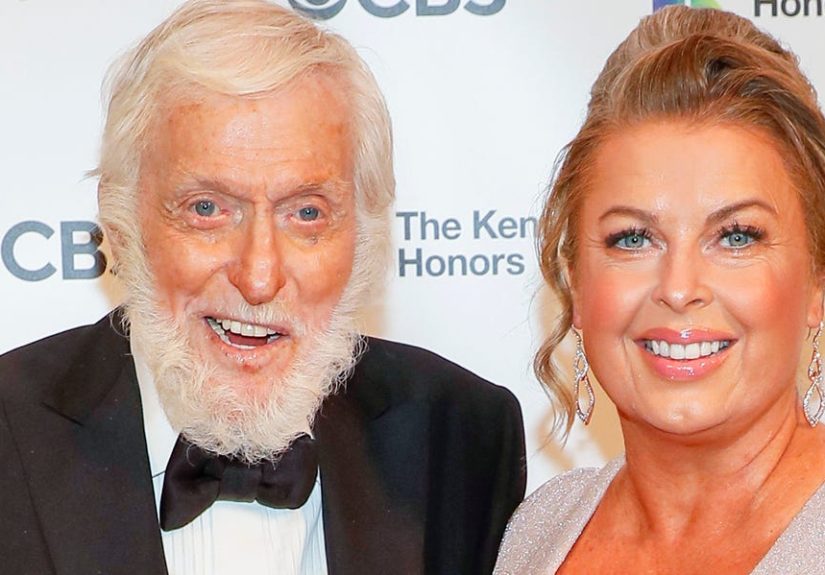
When people first hear the phrase Dick Van Dyke’s wife Arlene Silver, they usually do a double take, followed by a Google search, followed by a second double take. That is partly because Dick Van Dyke has been a beloved Hollywood institution for generations, and partly because Arlene Silver entered the public imagination not as a longtime tabloid fixture, but as a quietly cool creative professional who happened to fall in love with one of entertainment’s most enduring stars.
And yet, once you look past the headlines about age gaps and red carpets, their relationship starts to make a lot more sense. Silver is funny, artistic, grounded, and by all public accounts deeply devoted. Van Dyke, meanwhile, remains the rare celebrity whose reputation for warmth seems to get stronger with time. Put those two personalities together, and what initially looks improbable begins to look oddly perfect.
This is the real story behind Arlene Silver: who she is, what she does, how she met Dick Van Dyke, and why their marriage has lasted far longer than many skeptics predicted. Spoiler alert: it was never really about the numbers. It was about chemistry, timing, companionship, and a shared love of music, laughter, and not acting like life has an expiration date stamped on it.
Who Is Arlene Silver?
Arlene Silver is best known publicly as Dick Van Dyke’s wife, but that shorthand barely covers the full picture. Before she became part of one of Hollywood’s most unexpectedly charming love stories, Silver had already built a career behind the scenes in entertainment. She worked as a makeup artist and also took on creative roles connected to production and performance. In other words, she was not someone circling celebrity for attention. She was already working in the business.
That matters because it helps explain the tone of her relationship with Van Dyke from the start. She didn’t meet him as a fan trying to wedge herself into a glamorous orbit. She met him as a professional doing her job. The now-famous origin story happened backstage at the Screen Actors Guild Awards in 2006, where Silver was working as a makeup artist. Van Dyke later said he was struck by her immediately and, in a move he has described as unusual for him, introduced himself.
Silver has often come across in interviews as self-aware and refreshingly un-showy. She has spoken warmly about Van Dyke’s optimism, generosity, and joyful spirit, but she has also made it clear that what drew her in was not simply his legend status. In fact, one detail people love is that she reportedly had not closely followed his classic work when they first met. That meant she got to know him more as a person than as a walking monument to television history.
Honestly, that may have been one of the healthiest possible starting points. It is hard to build a real marriage with a statue. It is much easier to build one with a human being who still likes to sing in the living room.
How Did Arlene Silver and Dick Van Dyke Meet?
The Dick Van Dyke and Arlene Silver love story did not unfold like a rom-com with instant fireworks and a dramatic airport chase. It was slower than that, and probably stronger because of it. They met in 2006 at the SAG Awards, where Silver was working backstage. Van Dyke has said that he was captivated by her kindness and presence right away. Still, the relationship did not immediately become romantic.
Instead, the two developed a friendship first. That detail tends to get lost under splashier headlines, but it is one of the most revealing parts of their story. Friendship gave them room to learn each other’s rhythms without the pressure of a public narrative. They were able to build trust, familiarity, and affection over time.
That friendship deepened after 2009, the year Van Dyke’s longtime partner Michelle Triola died. By public accounts, Silver was a source of support during a painful period. She brought him food, spent time with him, and gradually became someone he leaned on emotionally. From there, the relationship evolved naturally into romance.
It is an important distinction. Their marriage was not a random celebrity plot twist. It grew out of companionship, caretaking, and mutual affection. That makes the story less flashy than gossip columns might prefer, but much more believable to anyone who has ever seen love emerge from steady presence rather than grand declarations.
When Did They Get Married?
Dick Van Dyke and Arlene Silver married on February 29, 2012. Yes, Leap Day. Which is exactly the sort of whimsical detail that feels weirdly on-brand for a couple known for warmth, humor, and just enough theatrical flair to keep life interesting.
The wedding was reportedly private and intimate, which also tracks. Despite Van Dyke’s fame, their public life together has often felt relatively low-drama. They show up at events, support each other’s projects, share affectionate interviews, and then somehow avoid becoming exhausting. In celebrity terms, that is practically a superpower.
The Leap Day wedding has also given their anniversary story a built-in conversation starter. Most couples argue about where to eat for their anniversary dinner. These two have the added option of debating whether the calendar is being technical or romantic that year.
Over time, the marriage became less of a curiosity item and more of a quietly admired partnership. What began as a headline many people framed around age eventually turned into a story about durability. And durability in Hollywood is like finding a perfectly ripe avocado: rare, suspiciously miraculous, and worth appreciating when it happens.
The 46-Year Age Gap Everyone Talks About
Let’s address the giant candle on the birthday cake: Dick Van Dyke and Arlene Silver have a 46-year age difference. It is the detail that has followed their relationship from the beginning, and both of them have spoken publicly about how many people assumed it would never work.
But their own comments have consistently suggested that the age gap matters a lot less inside the relationship than it does outside of it. Van Dyke has described himself as youthful in spirit, while Silver has been portrayed as mature, adaptable, and genuinely delighted by his playfulness rather than annoyed by it. Their dynamic seems less “opposites attract” and more “two people with matching energy found each other on wildly different timelines.”
That dynamic has become central to how fans understand their marriage. They share a sense of humor. They appear comfortable in public together. They collaborate creatively. And rather than looking like a couple trying to explain themselves, they usually look like a couple wondering why everyone else is making this so complicated.
There is also a useful lesson here about celebrity storytelling. The press loves numbers because numbers fit in headlines. Forty-six years apart. Married in 2012. Met in 2006. Those details are real, but they are not the whole truth. The more complete truth is emotional: they seem to enjoy each other enormously. That is harder to quantify, but it is usually what makes a marriage last.
What Does Arlene Silver Do?
Arlene Silver’s professional background includes makeup artistry, but that does not fully capture the range of her creative involvement. Over the years, she has appeared as a collaborator, producer, and artistic partner in projects around Van Dyke’s later-life public appearances. She has not simply stood beside him on red carpets like a decorative plus-one. She has participated in the creative ecosystem around him.
One especially memorable example is music. Silver and Van Dyke share a love of singing and performing, and that has become a recurring theme in their marriage. She directed the music video for “Everybody Loves a Lover,” featuring Van Dyke, and their onscreen chemistry in that project helped reinforce what many fans already suspected: these two really do have fun together.
The couple has also been associated with public performances and appearances tied to music, special events, and celebratory tributes. Silver has supported Van Dyke’s ongoing desire to perform, even in his later years, and that support appears to go beyond logistics. She seems to actively protect the playful, expressive part of him that the public has always loved.
That role should not be underestimated. When a legendary entertainer reaches his later decades, there is always a risk that the public begins to speak about him only in terms of age, fragility, or nostalgia. Silver’s presence seems to keep the story more alive than that. She does not treat him like a museum piece. She treats him like a person with curiosity, humor, and one more song left in him.
Inside Their Marriage: Why It Seems to Work
1. They genuinely like each other
This sounds obvious, but it is not. Many long celebrity marriages are described in terms of loyalty, history, or shared responsibilities. With Dick Van Dyke and Arlene Silver, the vibe often seems simpler: they enjoy being together. That is visible in interviews, public appearances, and creative collaborations.
2. They share playfulness
Van Dyke’s persona has always included movement, comedy, and a kind of buoyant silliness. Silver seems not just tolerant of that quality, but fully fluent in it. Their performances together feel relaxed and affectionate rather than staged for optics.
3. They support each other emotionally
Their relationship grew stronger through companionship and care, especially during difficult periods. Publicly, both have spoken in ways that suggest mutual gratitude, not one-sided rescue. That balance matters.
4. They do not seem ruled by public opinion
Many couples would be crushed by years of commentary about whether they “make sense.” These two appear to have moved past that. Their marriage has outlived the most obvious skepticism, and it did so not through argument but through consistency.
5. They keep creating together
Shared projects can be glue in a relationship, especially when both people are creative. Singing, dancing, directing, showing up for special events, and participating in each other’s work gives their partnership an active quality. It is not just sentimental. It is lived.
Arlene Silver’s Public Image: More Than “Dick Van Dyke’s Younger Wife”
One of the laziest ways to write about Arlene Silver is to reduce her to an age-gap headline. It is also the least interesting. The more nuanced version is that Silver has become a significant figure in Van Dyke’s later-life story because she brings out qualities audiences already love in him: spontaneity, charm, gratitude, and artistic joy.
She has also helped reshape what “celebrity spouse” can mean in this context. Instead of fading into the background, she has emerged as a collaborator and advocate. She appears to understand the emotional weight of Van Dyke’s legacy while also refusing to let that legacy turn him into a solemn institution. That is a delicate balance, and she seems remarkably good at it.
Fans have responded to that warmth. Public reactions to the couple often circle back to the same themes: she makes him happy, he makes her laugh, and together they give people an unexpectedly hopeful picture of companionship. In an era when celebrity coverage often runs on chaos, that kind of steadiness has become oddly refreshing.
Why Their Relationship Resonates With So Many People
The story of Dick Van Dyke and Arlene Silver resonates because it challenges a lot of cultural assumptions at once. It pushes back on the idea that later-life romance is automatically less vibrant. It complicates the way people think about age-gap relationships. And it reminds audiences that compatibility is often more about temperament than biography.
It also resonates because Van Dyke himself represents longevity, not just in years but in public affection. People do not merely recognize him; they feel attached to him. So when fans see him loved well, many respond emotionally. Silver becomes part of that emotional ecosystem, not because she is borrowing his glow, but because she is clearly contributing to it.
That contribution has shown up in both glamorous and ordinary-looking ways: walking red carpets, helping shape performances, appearing in videos, standing by him at tributes, and helping support him through health scares and life’s inevitable losses. The public sees not just a wife, but a partner in the full sense of the word.
And perhaps that is the biggest reason this marriage continues to fascinate people. It has a headline-friendly premise, yes. But underneath that premise is something much more universal: two people who found each other at the right moment and built a life that appears warm, funny, creative, and surprisingly relatable.
What Their 12-Year Marriage Really Says About Love
If you strip away the celebrity, the awards-show meet-cute, and the endless fixation on math, the lesson of Dick Van Dyke and Arlene Silver’s marriage is not actually complicated. Love often works best when it is built on attention, care, humor, and admiration. Their relationship appears to have all four.
Arlene Silver is not just Dick Van Dyke’s wife. She is a creative professional, a collaborator, and a central figure in the joyful chapter of his later life. Their marriage has lasted because it seems rooted in genuine delight. Not performative delight. Real delight. The kind that shows up in small gestures, easy conversation, musical side projects, and the unmistakable look of two people who would rather be with each other than almost anywhere else.
For a public that has watched Van Dyke for decades, that is part of the appeal. People are not only interested in who Arlene Silver is. They are interested in what it means that he found this kind of companionship again. The answer, judging by their story, is that life does not stop offering surprises just because the calendar insists on acting dramatic.
And frankly, a Leap Day wedding to a woman who makes a legendary entertainer grin like a teenager feels less like a celebrity oddity and more like a reminder that joy is allowed to arrive late, wear heels, and absolutely steal the scene.
Experiences and Takeaways Related to Their Marriage Story
One reason the relationship between Dick Van Dyke and Arlene Silver keeps attracting attention is that it mirrors experiences many ordinary people have had, even if the setting is much less glamorous than Hollywood. Plenty of couples start as friends first. Plenty of people fall in love later in life, after grief, after divorce, after a chapter they assumed was the final one. Their marriage feels memorable because it turns those everyday emotional truths into a visible public example.
For readers, one of the most relatable parts of their story is the idea that companionship often arrives quietly. It does not always announce itself with cinematic timing. Sometimes it grows out of kindness, routine, and trust. That is an experience many people recognize in their own lives. The person who checks in, brings food, listens well, shows up consistently, and makes a hard season easier can become far more important than the person who made the flashiest first impression.
Their marriage also connects with people who have faced judgment from others. Not every relationship fits a familiar template. Some couples deal with age differences, cultural differences, second marriages, blended families, or simply the suspicion that they are “too different” to work. Seeing Van Dyke and Silver remain steady despite years of public scrutiny can be encouraging. It reminds people that outside opinions are loud, but daily life is louder. The people in the relationship are the ones living it.
There is another layer here too: caregiving and emotional support. Many long-term relationships eventually include a season where one partner becomes especially protective of the other. That role can be tender, exhausting, funny, and meaningful all at once. Public glimpses of Silver caring for Van Dyke have resonated because they reflect a reality many families know well. Love is not only romance. It is also patience, steadiness, flexibility, and learning how to keep joy alive even while dealing with aging, illness, or changing abilities.
Finally, their story speaks to the experience of staying playful in adulthood. A lot of couples get buried under routines, responsibilities, and the great national emergency known as being tired all the time. Van Dyke and Silver, at least publicly, seem committed to singing, dancing, creating, joking, and keeping the relationship light on its feet. That is not just adorable. It is instructive. Shared fun matters. A marriage that includes laughter has a different kind of resilience.
So while their story may begin as celebrity curiosity, it lasts in the public imagination because it points back to everyday human hopes: to be chosen for who you are, to be supported during hard seasons, to stay interesting to each other, and to keep finding reasons to smile. Strip away the famous last name, and that is a love story almost anyone can understand.
Conclusion
Arlene Silver may have first entered the spotlight as the woman who married Dick Van Dyke, but she has stayed there because she clearly occupies a much bigger role in his life. She is partner, collaborator, supporter, creative companion, and a major presence in the chapter of Van Dyke’s life that many fans now find especially moving.
That is why the question “Who is Dick Van Dyke’s wife Arlene Silver?” has such staying power. The answer is not just a bio line. It is the story of a woman whose relationship with one of America’s most beloved entertainers has become a surprisingly powerful example of affection, resilience, and joy. Their marriage has lasted because it seems to be built on the stuff that actually matters: friendship, admiration, humor, and the willingness to keep dancing even when the world expects you to sit down.