Table of Contents >> Show >> Hide
- Why Roast Beef Dries Out in the Oven
- Choose the Right Cut of Beef
- How to Prep Roast Beef So It Stays Moist
- The Best Oven Method for Roast Beef Without Drying It Out
- What Internal Temperature Should Roast Beef Reach?
- Do You Need to Cover Roast Beef?
- Should You Add Water or Broth to the Pan?
- How to Make Roast Beef More Flavorful Without Drying It Out
- Common Mistakes That Make Roast Beef Dry
- How to Slice, Store, and Reheat Roast Beef
- Safe Handling Matters Too
- Real-World Experiences: What Actually Helps When You Make Roast Beef at Home
- Final Thoughts
Roast beef has a reputation for being impressive, a little dramatic, and very quick to punish you for wandering away from the oven. One minute it looks like a holiday masterpiece. The next, it tastes like a shoe that briefly studied seasoning. The good news is that juicy roast beef is not a mystery. It is mostly a game of choosing the right cut, using the right temperature, and refusing to guess when the meat is done.
If you want to make roast beef in the oven without drying it out, the secret is simple: do less damage. That means using a roast that has enough fat and structure to stay moist, cooking it gently, checking it with a thermometer, and resting it before slicing. In other words, roast beef is a lot like a good houseguest. Treat it with patience, and it behaves beautifully.
This guide breaks down exactly how to cook oven roast beef so it stays tender, flavorful, and sliceable. You will also get a practical step-by-step method, troubleshooting tips, and a real-world section on the little lessons that home cooks only learn after making a few roasts the hard way.
Why Roast Beef Dries Out in the Oven
Before fixing the problem, it helps to know what causes it. Roast beef usually dries out for five big reasons: the cut is too lean, the oven is too hot, the meat stays in too long, the roast is sliced too soon, or it is cut the wrong way. Sometimes it is a combination of all five, which is basically the roast beef version of a bad day.
Lean roasts such as eye of round can still be delicious, but they do not forgive sloppy technique. Higher temperatures can overcook the outer layers before the center is ready. Skipping the resting time lets juices rush out onto the cutting board instead of staying in the meat. And slicing with the grain creates chewy pieces, even when the roast itself was cooked well.
The best roast beef stays moist because the heat is controlled, the doneness is monitored with a thermometer, and the meat is given enough time to relax before serving.
Choose the Right Cut of Beef
If your goal is tender, juicy sliced roast beef, the cut matters almost as much as the method. Some roasts are naturally better for dry-heat oven roasting than others.
Best cuts for juicy roast beef
- Rib roast: Rich, well-marbled, and one of the juiciest options.
- Tenderloin: Very tender and elegant, though leaner than rib roast.
- Top sirloin roast: A great balance of flavor, tenderness, and price.
- Tri-tip: Beefy and flavorful, especially good with low roasting and careful slicing.
- Top round: More budget-friendly, but benefits from precise cooking and thin slicing.
If you are brand new to roast beef, start with top sirloin or rib roast. They are easier to keep juicy than ultra-lean cuts. If you buy eye of round because the price tag looked friendly and your optimism was running wild, just know that your thermometer and slicing technique need to be excellent.
What about chuck roast?
Chuck roast is fantastic in the oven when it is braised, meaning cooked covered with liquid until fork-tender. That gives you pot roast, not classic pink sliced roast beef. So if you want neat slices for Sunday dinner or sandwiches, choose a roast meant for dry roasting rather than braising.
How to Prep Roast Beef So It Stays Moist
Good roast beef starts before the oven turns on. A few simple prep steps make a big difference.
1. Salt it ahead of time
Season the roast generously with kosher salt and black pepper. If you have time, salt it at least several hours ahead or even the day before. This dry-brining step helps the meat hold onto moisture better and seasons it more deeply. You can also add garlic powder, onion powder, chopped rosemary, thyme, or a little Dijon mustard for extra flavor.
2. Leave it uncovered in the refrigerator
After seasoning, set the roast on a rack over a tray and refrigerate it uncovered. This dries the surface slightly, which helps the roast brown better in the oven. A better crust means more flavor, and more flavor means fewer people asking for steak sauce before tasting it.
3. Take the chill off, but do not leave it out forever
Set the roast out for about 30 to 45 minutes before cooking so it loses some refrigerator chill. This can help it cook more evenly. Do not leave raw beef sitting around for hours, though. We are trying to roast dinner, not host a science experiment.
4. Pat it dry and use a rack
Before it goes into the oven, pat the roast dry with paper towels. Place it on a rack in a shallow roasting pan or on a wire rack set over a rimmed baking sheet. Roasting on a rack allows hot air to circulate, helps browning, and prevents the underside from steaming in its own juices.
The Best Oven Method for Roast Beef Without Drying It Out
The most reliable way to cook roast beef in the oven without drying it out is a gentle roast at a lower temperature, followed by a rest and, if you want, a short blast of high heat for more crust. This approach is often called low roasting or reverse searing, and it works especially well for larger cuts.
Simple step-by-step oven roast beef method
Ingredients:
- 1 beef roast, about 3 to 4 pounds, such as top sirloin, rib roast, or top round
- 1 to 2 tablespoons kosher salt
- 1 to 2 teaspoons black pepper
- 1 tablespoon garlic powder or 3 to 4 minced garlic cloves
- 1 tablespoon chopped rosemary or thyme
- 1 to 2 tablespoons olive oil
Instructions:
- Season the roast with salt, pepper, herbs, and garlic. Refrigerate uncovered for several hours or overnight if possible.
- Remove the roast from the refrigerator about 30 to 45 minutes before cooking.
- Preheat the oven to 250°F to 275°F.
- Rub the roast lightly with olive oil. Place it fat side up on a rack in a shallow pan.
- Insert an oven-safe probe thermometer into the thickest part, avoiding bone and large pockets of fat.
- Roast until the internal temperature is about 5 to 10 degrees below your final target. For many home cooks, that means pulling it around 125°F to 130°F for medium-rare style roast beef, or around 135°F to 140°F for medium.
- Remove the roast from the oven and tent loosely with foil. Rest it for 15 to 30 minutes, depending on size.
- For a darker crust, return it to a very hot oven, around 475°F to 500°F, for 6 to 8 minutes after the initial roast or just before serving.
- Slice thinly against the grain and serve.
The exact cooking time will vary based on the cut, shape, thickness, and starting temperature of the meat. That is why time is only a guideline and the thermometer is the real boss.
What Internal Temperature Should Roast Beef Reach?
For food safety, U.S. guidance says whole cuts of beef such as roasts should reach 145°F with a 3-minute rest. Many cooks, however, prefer roast beef at medium-rare or medium because it stays more tender and juicy. The practical takeaway is this: know both your preferred doneness and the official safety guidance, then cook intentionally rather than randomly.
Useful roast beef temperature guide
- Pull around 125°F to 130°F: final result often lands in the medium-rare zone after resting
- Pull around 135°F to 140°F: final result is usually medium
- 145°F with rest: aligns with U.S. minimum safe temperature guidance for whole beef roasts
Carryover cooking is real. A roast keeps rising in temperature after it leaves the oven, especially larger roasts. That is why pulling it early is one of the best ways to avoid dry roast beef.
Do You Need to Cover Roast Beef?
No. For classic roast beef, cook it uncovered. Covering the roast traps steam, which pushes it closer to braising than roasting. That can soften the exterior and reduce browning. If you want a browned crust and juicy slices, keep it uncovered during cooking and only tent it loosely after roasting while it rests.
Should You Add Water or Broth to the Pan?
Not for a standard roast beef method. Adding liquid to the pan during dry roasting can create steam and interfere with browning. If you want pan drippings for gravy, let the fat and juices collect naturally, then deglaze the pan after the roast is done.
If you are cooking a very lean roast and feel nervous, resist the urge to pour in broth like it is emotional support stock. Better moisture insurance comes from lower oven temperature, a good thermometer, and proper resting.
How to Make Roast Beef More Flavorful Without Drying It Out
Juicy roast beef should still taste like something. Salt matters most, but a few extra ingredients can help.
- Garlic and herbs: rosemary, thyme, and garlic are classic with beef
- Dijon mustard: adds depth and helps seasonings stick
- Black pepper: gives the crust a subtle bite
- Pan sauce: deglaze the roasting pan with stock or wine after cooking
- Horseradish sauce: sharp, creamy, and excellent with rich beef
Just keep wet marinades light. Too much surface moisture can slow browning. Dry rubs and dry-brining usually give you better crust and better flavor for roast beef in the oven.
Common Mistakes That Make Roast Beef Dry
Cooking by time only
A roast is done when the thermometer says it is done, not when a recipe estimated it might be done. Ovens vary. Roasts vary. Tuesday moods vary. Use the thermometer.
Using only high heat
Blasting a roast at high temperature from start to finish often overcooks the outer meat before the center catches up. Lower heat produces a more even interior and a better chance of juicy slices.
Skipping the rest
Resting is not optional. Slice too soon, and the board fills with juices that should have stayed inside the roast.
Slicing with the grain
Always cut against the grain. This shortens the muscle fibers and makes the meat feel more tender. With tri-tip especially, pay attention because the grain can shift direction.
Choosing the wrong cut for the result you want
If you want pink slices, do not treat chuck roast like a rib roast. If you want pot roast, do not expect a tenderloin method to get you there. Match the cut to the method.
How to Slice, Store, and Reheat Roast Beef
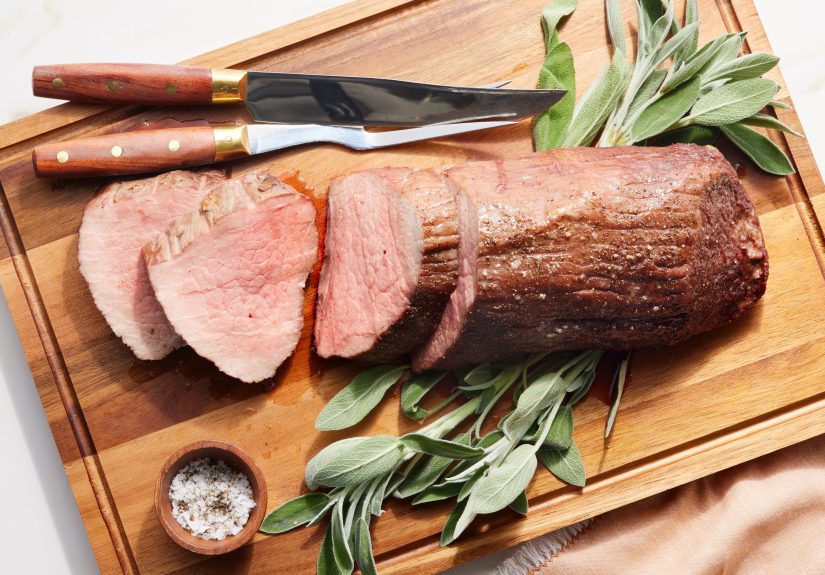
Once rested, transfer the roast to a cutting board and slice it thinly against the grain. Thinner slices are especially helpful for leaner roasts because they eat more tenderly.
Store leftovers in an airtight container with a little of the pan juice if you have it. Reheat gently, not aggressively. A low oven, a covered skillet with a splash of broth, or very short microwave bursts work better than blasting the meat until it gives up on life.
Cold leftover roast beef is also a gift. Use it for sandwiches, wraps, salads, grain bowls, or a next-day steak-and-eggs situation that makes you feel suspiciously organized.
Safe Handling Matters Too
Do not wash raw beef. Pat it dry with paper towels instead. Keep raw meat and its juices away from produce and ready-to-eat foods, and wash hands, utensils, and cutting boards after contact with raw beef. These steps do not make the roast juicier, but they do make dinner smarter.
Real-World Experiences: What Actually Helps When You Make Roast Beef at Home
Experience with roast beef teaches you something recipes do not always admit: the oven is only half the story. The other half is how the roast behaves in your kitchen, on your pan, in your hands, and under your level of patience. That is why two people can follow similar directions and still end up with very different results.
One of the most common home-cook experiences is overtrusting time estimates. Many people assume a three-pound roast should finish in a neat, predictable window. Then the roast is either lagging behind or racing ahead, and suddenly dinner becomes a staring contest with the oven door. What usually fixes that problem is not a fancy trick. It is a probe thermometer and the willingness to pull the roast based on temperature instead of the clock.
Another common lesson is that a roast can look underwhelming before it rests and still finish beautifully. Plenty of home cooks panic when they remove a roast at 125°F or 130°F, because it feels too early. Then it rests, rises, and slices into that warm pink center they wanted all along. Experience teaches confidence. Roast beef often needs a little post-oven grace period to become its best self.
There is also the crust issue. People often expect a deeply browned exterior from a roast that went straight from the package to the pan. In real kitchens, the better crust usually shows up when the meat was salted ahead, left uncovered in the refrigerator, and patted dry before cooking. It is a tiny bit of planning that saves a lot of disappointment. Not glamorous, but neither is chewing dry roast while pretending everything is fine.
Cut selection also becomes clearer with experience. Many cooks start with a cheap, very lean roast and then wonder why it tastes drier than the photos promised. After a few attempts, they realize that top sirloin, rib roast, or tri-tip gives them a much wider margin for success. Budget cuts can still work, but they need extra precision, thinner slicing, and lower expectations about luxurious texture.
One especially useful lesson from repeated roast beef dinners is that leftovers reveal whether you got the method right. A properly cooked roast is still pleasant the next day. It slices well, stays reasonably tender, and tastes great in sandwiches. A badly overcooked roast becomes a reheating crisis. If your leftovers are miserable, that is actually helpful information for next time.
Finally, experience teaches that roast beef gets better when the cook gets calmer. Rushing the seasoning, skipping the rest, carving too fast, and blasting the oven are usually panic moves. The best roast beef tends to come from a slower rhythm: season early, roast gently, check the temperature, rest the meat, and slice carefully. It is not flashy cooking, but it works. And when it works, roast beef feels almost unfairly satisfying: crisp-edged, rosy in the center, juicy on the plate, and just smug enough to make everyone think you know exactly what you are doing.
Final Thoughts
If you want to know how to make roast beef in the oven without drying it out, remember this formula: choose a roast with decent marbling, season it well, cook it low and steady, use a thermometer, pull it before it overshoots, and let it rest before slicing. That is the whole playbook. No magic. No gimmicks. Just technique.
Once you get comfortable with it, oven roast beef becomes one of the best meals you can make at home. It is simple enough for a weekend dinner, impressive enough for guests, and practical enough to turn into excellent leftovers. Which is great, because truly juicy roast beef rarely survives the first round without serious competition at the table.