Table of Contents >> Show >> Hide
- Jump to a section
- 1) Get your personal “green light” before you go full wellness-influencer
- 2) Understand healthy pregnancy weight gain targets (it’s about ranges, not perfection)
- 3) Build a “pregnancy plate” (and retire the phrase “eating for two”)
- 4) Prenatal vitamins: what they do (and what they don’t)
- 5) Aim for 150 minutes of weekly movement (yes, walking counts like a champion)
- 6) Know the safety rules (and when to stop exercising)
- 7) Strength + posture + pelvic floor = your secret trio
- 8) Hydration, heat, and recovery actually matter (this is not optional DLC)
- 9) Food safety, fish, caffeine, and “hard no” substances
- 10) Keep up with vaccines and key screenings (your future self will thank you)
- 11) Learn the warning signs that deserve a call right now
- Conclusion
- Bonus: Real-World Experiences (Extra ~)
Pregnancy is basically a full-time construction project where you are the job site, the foreman, andsurprisethe building. The goal isn’t to “bounce back” or win a fitness competition while growing a tiny human. The goal is to feel strong, stay healthy, and support your baby’s development with habits that are realistic on your most tired Tuesday.
This guide breaks down the most practical, doctor-aligned fundamentals of a healthy, fit pregnancynutrition, safe exercise, weight gain, recovery, and the “please don’t eat that” stuffplus a final 500-word section of real-world experiences to make it feel less like a textbook and more like a friend who actually read the manual.
Quick note: This article is educational, not personal medical advice. Always follow your OB-GYN or midwife’s guidanceespecially if you have complications, twins, bleeding, high blood pressure, diabetes, or other conditions.
Jump to a section
- Get your personal “green light”
- Understand healthy pregnancy weight gain targets
- Build a “pregnancy plate” (without eating for two)
- Prenatal vitamins: what they do (and what they don’t)
- Aim for 150 minutes of weekly movement
- Know the safety rules (and when to stop exercising)
- Strength + posture + pelvic floor = your secret trio
- Hydration, heat, and recovery actually matter
- Food safety, fish, caffeine, and “hard no” substances
- Keep up with vaccines and key screenings
- Learn the warning signs that deserve a call right now
- Conclusion
- Bonus: Real-world experiences (extra ~)
1) Get your personal “green light” before you go full wellness-influencer
“Healthy, fit pregnancy” starts with something extremely unglamorous: your prenatal care team. Even if you exercised before pregnancy, it’s smart to ask what’s appropriate nowespecially if you have bleeding, a history of preterm labor, placenta issues, high blood pressure, or other complications.
Think of your provider as the world’s most qualified workout modifier. They can help you tailor activity, nutrition, and weight gain goals based on your medical historynot just what a random reel claims is “OB-approved.”
Practical example
If you were a runner pre-pregnancy, you may be able to continue with adjustments. If you were mostly “exercise curious,” walking, swimming, and low-impact aerobics are often a great place to start (and your joints will thank you later).
2) Understand healthy pregnancy weight gain targets (it’s about ranges, not perfection)
Weight gain in pregnancy supports your baby, placenta, increased blood volume, and your own body’s energy needs. The “right” amount depends largely on your pre-pregnancy BMI, and many people fall outside the range without doing anything “wrong.” Still, knowing the target range gives you a helpful map.
What to do with this information
- Ask your provider what weight gain range fits your situation (especially if you’re carrying twins).
- Focus on trends over time, not daily fluctuations.
- Use the range as a health tool, not a self-worth scorecard.
Bonus reality check: if you’re nauseated, you might gain slowly early on. If you feel hungrier later, that’s also normal. The goal is steady supportnot “zero change” or “anything goes.”
3) Build a “pregnancy plate” (and retire the phrase “eating for two”)
Pregnancy doesn’t require doubling your calories. Many people don’t need extra calories in the first trimester. Later, needs often increase modestlythink “a snack,” not “a second dinner.” The quality of your food matters more than turning every meal into a carb avalanche.
A simple pregnancy plate formula
- Protein: eggs, beans, Greek yogurt, poultry, tofu, fish lower in mercury
- Fiber + color: fruits and vegetables (washed!), especially leafy greens and berries
- Smart carbs: oats, brown rice, quinoa, whole-grain bread, potatoes
- Healthy fats: avocado, nuts, olive oil
- Calcium + vitamin D sources: dairy or fortified alternatives
Specific snack examples (because snacks are basically prenatal medicine)
- Apple + peanut butter
- Greek yogurt + berries + granola
- Whole-grain toast + egg + spinach
- Hummus + carrots + pita
4) Prenatal vitamins: what they do (and what they don’t)
A prenatal vitamin helps fill nutritional gaps, but it’s not a substitute for eating well. Key nutrients in pregnancy commonly include folic acid, iron, iodine, vitamin D, and othersyour exact needs can vary. Your provider can also advise you if you need extra iron, vitamin D, or specific supplements.
Big warning with a tiny font size: more is not always better. Very high doses of some nutrients (like vitamin A) can be harmful, so don’t stack supplements like you’re building a vitamin Jenga tower.
Practical takeaway
- Take a prenatal vitamin as recommended by your clinician.
- If you’re vomiting often, ask about timing (bedtime can help) or alternatives.
- Bring all supplements to appointments“natural” doesn’t automatically mean “safe.”
5) Aim for 150 minutes of weekly movement (yes, walking counts like a champion)
For many healthy pregnant people, a common goal is about 150 minutes per week of moderate-intensity aerobic activity. Translation: you can talk while moving, but singing a full Broadway solo would be… ambitious.
A “normal human” weekly plan
- Mon: 20–30 min brisk walk
- Tue: 15–20 min strength (light/moderate) + gentle stretching
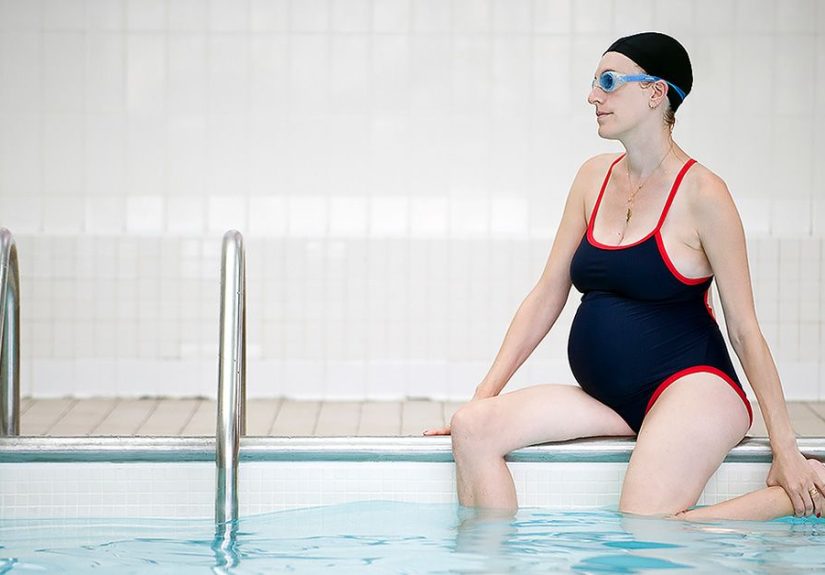
- Wed: 20–30 min swim or stationary bike
- Thu: Rest or easy walk
- Fri: 20–30 min walk + posture/mobility work
- Sat: Prenatal yoga (avoid overheating) or low-impact dance
- Sun: Rest, or a “fresh air” stroll with zero performance pressure
If your energy is low, remember: consistency beats intensity. Ten minutes today plus ten minutes tomorrow is still a win.
6) Know the safety rules (and when to stop exercising)
Some activities are more likely to cause falls or abdominal trauma (contact sports, horseback riding, downhill skiing), and scuba diving is generally a no-go in pregnancy. As your belly grows, balance changesyour center of gravity basically moves out and says, “Good luck!”
Helpful safety rules that reduce risk
- Start slow, warm up, cool down.
- Use the “talk test” to avoid overdoing intensity.
- Avoid exercising flat on your back after the first trimester (ask your provider for modifications).
- Avoid extreme heat/humidity; hydrate before, during, and after movement.
Stop exercising and call your provider if you have:
- Dizziness, severe headache, chest pain, blurred vision
- Vaginal bleeding or fluid leaking
- Calf pain/swelling, abdominal pain
- Contractions or noticeably less fetal movement
7) Strength + posture + pelvic floor = your secret trio
“Fit pregnancy” isn’t only cardio. Strength and stability can help with back pain, daily function, and feeling more supported as your body changes. Think: legs for getting up off the couch, upper back for carrying groceries, glutes for stability, and core for posture (with pregnancy-safe modifications).
Pregnancy-friendly strength moves (often well tolerated)
- Bodyweight squats to a chair
- Glute bridges (modified as pregnancy progresses)
- Seated rows or band rows
- Wall push-ups
- Farmer carries with moderate weights (if approved)
Pelvic floor basics (hello, Kegels)
Pelvic floor exercises can support bladder control and recovery. One common approach: gently tighten pelvic floor muscles for a few seconds, relax, and repeat in sets. If you’re unsure you’re doing it correctlyor you have pelvic painask about pelvic floor physical therapy.
8) Hydration, heat, and recovery actually matter (this is not optional DLC)
Your body needs more fluids during pregnancy. Hydration helps with constipation, swelling, and overall function, and it becomes even more important when you’re active or it’s hot. A simple check: pale yellow urine and not feeling constantly thirsty are good signs you’re in the right neighborhood.
Recovery tips that work in real life
- Prioritize sleep where you can (even if it’s “two naps and a dream”).
- Add gentle stretching for hips, calves, and upper back.
- Use rest days without guiltyour body is already doing a marathon-level project.
- If workouts leave you wiped out for hours, scale back intensity or duration.
9) Food safety, fish, caffeine, and “hard no” substances
This is the section where pregnancy gets pickyand honestly, it has a point. Pregnant people are at higher risk from certain foodborne illnesses, so it’s worth being careful with high-risk foods.
Food safety quick hits
- Avoid unpasteurized milk/cheeses and raw/undercooked eggs, meat, and seafood.
- Heat deli meats/hot dogs until steaming hot if you choose to eat them.
- Skip raw sprouts and wash produce thoroughly.
- Be cautious with refrigerated smoked seafood unless cooked in a dish.
Fish: yes, you can eat itchoose lower mercury options
Fish can be a great protein source and provide important nutrients. Guidance commonly recommends 2–3 servings per week of lower-mercury seafood (with a typical adult serving around 4 ounces). If you love tuna, know that different types fall into different mercury categories.
Easy “best choice” examples often include salmon, shrimp, pollock, catfish, sardines, and canned light tuna. High-mercury fish to avoid include options like shark, swordfish, king mackerel, and some tilefish.
Caffeine: keep it moderate
Many guidelines define “moderate” caffeine as under 200 mg per dayabout a 12-ounce cup of coffee, depending on how it’s brewed. If you’re unsure, track it for a few days and adjust.
Alcohol and smoking: the simplest rule is the safest rule
When it comes to alcohol, major public health guidance states there is no known safe amount during pregnancy. If quitting nicotine (including vaping) is hard, ask your provider for supporthelp exists, and you deserve it.
10) Keep up with vaccines and key screenings (your future self will thank you)
Vaccines and screenings in pregnancy aren’t “extra tasks”they’re preventive tools that protect you and your baby. Recommendations can change over time, so your prenatal care team is the best source for what’s current for your trimester.
Common vaccines during pregnancy (ask your provider what applies to you)
- Flu vaccine: typically recommended during flu season.
- Tdap: commonly recommended during each pregnancy, often in the 27–36 week window to help protect the newborn.
- RSV vaccine: may be recommended for eligible pregnant patients in a specific gestational window, depending on current guidance.
- COVID-19 vaccine: guidance may emphasize individual decision-making while recognizing pregnancy as a higher-risk condition.
Screenings to expect
- Gestational diabetes: commonly screened between about 24 and 28 weeks.
- Blood pressure monitoring: throughout pregnancy.
- Routine labs and ultrasounds: based on trimester and risk factors.
11) Learn the warning signs that deserve a call right now
Pregnancy symptoms can be confusing because “normal” ranges from “mild nausea” to “why does my hip feel like that?” Still, there are red flags where waiting it out isn’t the move. If something feels seriously wrong, trust your instincts and contact your provider or emergency services.
Examples of urgent warning signs
- Heavy bleeding, fluid leaking, severe abdominal pain
- Severe headache, vision changes, swelling of face/hands, trouble breathing
- Chest pain, fainting, seizures
- Decreased fetal movement later in pregnancy
- Thoughts of harming yourself or feeling unsafe
The “I don’t want to bother anyone” instinct is powerfulignore it. You are not a bother. You are the patient.
Conclusion
Maintaining a healthy, fit pregnancy is less about “doing everything” and more about doing the basics consistently: keep up with prenatal care, eat nutrient-dense foods, move safely most weeks, hydrate, sleep, and follow evidence-based guidance on food safety, substances, and vaccines.
If you only remember one thing, make it this: listen to your body and stay flexible. Some weeks you’ll feel like a glowing goddess. Some weeks you’ll feel like a phone with 3% battery. Both are normal. Adjust, continue, and ask for help when you need it.
Bonus: Real-World Experiences (Extra ~)
Here’s what many pregnant people report learning the “hands-on” wayno scare tactics, just reality with a side of kindness. If you’re trying to maintain prenatal fitness and a healthy pregnancy lifestyle, these experiences can make your plan feel more human and less like a spreadsheet.
1) The first trimester can humble the fittest person alive
A lot of people expect they’ll keep the same workouts early onthen nausea, fatigue, food aversions, and “why do I need a nap after standing” show up like uninvited guests. Many discover that the most athletic move is switching goals: hydration, short walks, and “showing up” at all. If you’re barely surviving crackers and ginger tea, that’s not a moral failurethat’s biology.
2) Motivation changes… and that’s normal
Some days you’ll feel energized and proud. Other days you’ll feel emotional because your leggings are suddenly a negotiation. Many people find it helps to reframe exercise as “symptom management” (sleep, mood, back pain, circulation) rather than “training.” That small mental shift can keep movement from becoming another thing you feel guilty about.
3) “I can still exercise” is different from “I should push through”
A common experience is learning the difference between healthy effort and overdoing it. People often say the best intensity gauge is how they feel later: if a workout leaves you functional and calmer, great. If it wipes you out for the rest of the day or triggers pain, it’s a clue to scale down. Many also report that switching from high-impact to low-impact (walking, swimming, cycling) feels like upgrading to premium comfort mode.
4) Cravings are realand sometimes weirdly specific
Many pregnant people talk about cravings that feel hilarious (“Why do I want pickles at 7 a.m.?”) and sometimes intense. A helpful approach is the “add, don’t restrict” mindset: add protein or fiber to keep blood sugar steadier, add fruits/veggies when you can, and keep treats as part of a balanced pattern rather than a binge-and-regret cycle.
5) Body image can get complicated
Even people who feel grateful can struggle with body changes. Many find it helpful to focus on function: “My body is building a baby, a placenta, extra blood volume, and future feeding capacity.” Comfortable clothes, supportive bras, and shoes that don’t make you hate humanity can be surprisingly powerful “wellness tools.”
6) Support matters more than the perfect plan
People often say the biggest difference-maker is support: a partner who joins walks, a friend who texts “movement buddy?”, a provider who takes questions seriously, or a prenatal class that makes you feel less alone. If you’re anxious, overwhelmed, or persistently down, many also share that talking to a professional early helped far more than trying to “tough it out.”
The takeaway from real life: you don’t need a flawless routine. You need a flexible onebuilt around safety, nourishment, movement you can actually sustain, and the willingness to ask for help. That’s how a healthy, fit pregnancy looks in the wild.