Table of Contents >> Show >> Hide
- The Short Answer: Yes, It Can Damage Weeds, but That’s Not the Same as Solving Your Weed Problem
- Why People Think Hydrogen Peroxide Works So Well
- What Hydrogen Peroxide Actually Does to Plants
- Where Hydrogen Peroxide Seems to Work Best
- Where Hydrogen Peroxide Usually Disappoints
- So, Is Hydrogen Peroxide Better Than Other DIY Weed Tricks?
- What Works Better for Most Homeowners
- Should You Try Hydrogen Peroxide on Weeds Anyway?
- The Bottom Line
- What the Experience Is Really Like: A 500-Word Reality Check
- Conclusion
Every gardening season brings a fresh batch of “miracle” weed hacks. Some involve pantry staples. Some involve a spray bottle, a sunny afternoon, and a level of optimism usually reserved for lottery tickets. One of the more intriguing ideas is hydrogen peroxide as a weed killer. It sounds almost too tidy: fizz, foam, science-y name, dramatic results. What could go wrong?
Quite a bit, actually.
If you’ve been wondering whether hydrogen peroxide will kill weeds, the honest answer is: it can burn back some weed growth, but it is not a reliable, all-purpose weed solution. In the real world, that means you may see fast browning on tender foliage, especially on young weeds, but you should not expect a neat, permanent goodbye from deep-rooted or established weeds. In other words, hydrogen peroxide can act like a plant scorcher, not a guaranteed weed assassin.
That distinction matters. Gardeners do not just want weeds to look offended for 24 hours. They want them gone.
The Short Answer: Yes, It Can Damage Weeds, but That’s Not the Same as Solving Your Weed Problem
Hydrogen peroxide is an oxidizer. On plant tissue, that means it can damage cells, dry out leaves, and leave weeds looking like they lost an argument with the sun. If all you care about is top growth, you may see visible injury fairly quickly. That is why the trick keeps circulating online.
But weeds are sneaky little survival artists. Many of the weeds that annoy homeowners most are not defeated just because their leaves look crispy. If the roots, crowns, stolons, rhizomes, or underground buds are still alive, the weed often comes right back like the villain in a sequel nobody asked for.
So, will hydrogen peroxide kill weed? Sometimes it will injure it. Sometimes it will knock it back. Sometimes it will make you feel victorious for about two days. Permanent control is another story.
Why People Think Hydrogen Peroxide Works So Well
The appeal is easy to understand. Hydrogen peroxide is familiar. Many people already keep a bottle in the house. It sounds cleaner and more wholesome than traditional weed killers, even though “familiar” and “harmless” are definitely not the same thing. In garden culture, anything that bubbles instantly gets a promotion to “science-backed life hack.”
There is also the visual drama. Spray a foliage-burning substance on a tender plant, and you can get rapid spotting, bleaching, wilting, or browning. That feels satisfying. It feels like progress. It photographs beautifully. It does not always equal lasting weed control.
That is the trap.
A lot of DIY weed advice confuses visible injury with complete control. Those are not identical. A weed with damaged leaves can still recover. A weed with an intact root system often will recover. A perennial weed may treat a leaf burn like a minor inconvenience and return with fresh enthusiasm.
What Hydrogen Peroxide Actually Does to Plants
At a basic level, hydrogen peroxide damages plant tissue through oxidation. Think of it as a chemical stress event for whatever green surface it touches. The leaves do not enjoy that. Stems do not enjoy that. Your prized ornamentals definitely do not enjoy that.
That means hydrogen peroxide is not selective. It does not examine your landscaping plan, salute your petunias, and target only the weeds. If it contacts desirable foliage, it can injure that too. Grass, flowers, vegetables, and young shrubs can all be caught in the splash zone. So while the “natural weed killer” label sounds friendly, the practical effect is more like, “Congratulations, now everything is equally nervous.”
There is another catch: hydrogen peroxide is often discussed in gardening for sanitation and disease-management contexts, not because it is some magical landscape weed-control breakthrough. That should tell you something. Its reputation in horticulture is much stronger as a disinfecting or sanitizing chemistry than as a dependable, homeowner-friendly answer to driveway cracks, lawn invaders, and persistent perennial weeds.
Where Hydrogen Peroxide Seems to Work Best
To give the idea its due, hydrogen peroxide is not completely useless in the weed conversation. It tends to look most effective under a pretty narrow set of conditions:
1. Tiny, young weeds
Seedling-stage weeds are easier to injure than mature ones. If a weed has only a little top growth and a not-yet-impressive root system, almost any contact burn can look impressive.
2. Broadleaf weeds with tender foliage
Soft, exposed leaves are easier to damage than tougher, more established growth. Thin tissue gives you quicker visual results, which is why early-stage annual weeds may seem to “die” faster.
3. Spots where you are only trying to burn back surface growth
If you are dealing with a tiny patch and your expectations are modest, a contact injury can provide temporary cosmetic control. That is not nothing, but it is not the same as thorough weed management.
Notice the pattern: the best-case scenario is still small, shallow, and temporary.
Where Hydrogen Peroxide Usually Disappoints
Established perennial weeds
Dandelions, bindweed, nutsedge, and other persistent weeds did not earn their reputation by folding at the first sign of inconvenience. If the underground system survives, the top growth can return. Often, it does.
Lawn weeds
If the weed is growing in turf, you have a problem. Hydrogen peroxide is not a tidy surgical strike. It can injure the surrounding grass as well, leaving you with one dead weed and three sad-looking lawn patches. That is not weed control. That is accidental modern art.
Flower beds and vegetable gardens
In mixed planting areas, the risk goes up. Overspray, splash, and drift are bad news when your goal is to save the marigolds, not audition them for a plant distress commercial.
Weeds with deep roots or protected growing points
Many tough weeds rebound because contact injury does not always reach the structures that matter most. The leaves take the hit; the underground plant reserves shrug and start over.
So, Is Hydrogen Peroxide Better Than Other DIY Weed Tricks?
That depends on what you mean by “better.” It may avoid some of the soil-related headaches associated with salt-heavy home remedies, but it is still not a magic bullet. And like many DIY weed ideas, it suffers from the same core weakness: it tends to focus on what you can see right now rather than on long-term control.
That is why gardeners try one homemade trick after another. First it is vinegar. Then boiling water. Then soap mixtures. Then hydrogen peroxide. Then a long stare into the middle distance while the same weeds reappear anyway. The cycle is less “sustainable weed strategy” and more “weekly emotional event.”
If your standard for success is permanent control, fewer repeats, and less collateral damage, hydrogen peroxide is rarely the star of the show.
What Works Better for Most Homeowners
If your goal is to actually reduce weeds instead of just giving them a brief chemical scare, a boring answer is often the best answer.
Mulch
Mulch is not flashy, but it is excellent at suppressing many annual weeds by blocking light and reducing the open soil space where weed seeds love to germinate. It also helps the bed look finished, which is more than we can say for scorched random patches.
Hand-pulling and hoeing small weeds early
Yes, this is labor. Yes, it is less fun than pretending a miracle spray will solve everything. But removing weeds while they are small is still one of the most effective strategies in ornamental beds and small garden spaces.
Dense planting and healthy desired plants
The faster your chosen plants fill in, the less room weeds have to move in like freeloading cousins.
Site-specific, labeled products when truly needed
If a weed issue is severe, recurring, or dominated by hard-to-kill perennials, a properly labeled product for that site and weed type is often a more realistic answer than improvised chemistry. That does not mean more aggressive is always better. It means appropriate is better.
And if you are gardening around kids, pets, vegetables, or ornamentals you actually like, “appropriate” becomes a very important word.
Should You Try Hydrogen Peroxide on Weeds Anyway?
If you are hoping for a dependable, one-and-done weed killer, no. It is usually not worth the trouble, the inconsistency, or the risk to nearby plants. At best, it may offer temporary burn-back on young weeds. At worst, it can injure desirable plants and still leave the real weed problem unsolved.
That is the heart of the verdict: hydrogen peroxide may hurt weeds, but it is not a smart stand-alone weed management plan.
Gardeners often ask for a natural, simple, cheap method that kills weeds permanently, spares every nearby plant, protects the soil, works in any weather, and requires almost no effort. That product, sadly, is still fictional. Somewhere, a marketing department is trying its best, but nature remains unconvinced.
The Bottom Line
Hydrogen peroxide can damage weed foliage, especially on young, tender growth. That part is real. But once you step beyond the first dramatic burn, the limitations show up fast. It is nonselective, inconsistent, and often too shallow in action to control established or perennial weeds for long.
So if your question is, “Will hydrogen peroxide kill weed?” the most honest answer is this: it can scorch some weeds, but it is not the reliable weed killer the internet often makes it out to be.
If your question is, “Should I build my weed strategy around it?” the answer is much simpler: probably not.
Use the low-drama methods first. Pull weeds early. Mulch generously. Keep desirable plants vigorous. Save yourself the repeated disappointment of a DIY fix that mostly kills your confidence and only occasionally kills the weed.
What the Experience Is Really Like: A 500-Word Reality Check
The real experience around hydrogen peroxide and weeds is not usually a dramatic before-and-after transformation worthy of a gardening TV reveal. It is more like a mini emotional roller coaster. First comes curiosity. You notice a bottle in the cabinet, see a few online claims, and think, “Maybe I’ve been overlooking a simple solution this whole time.” That is the hope phase, and every gardener knows it well.
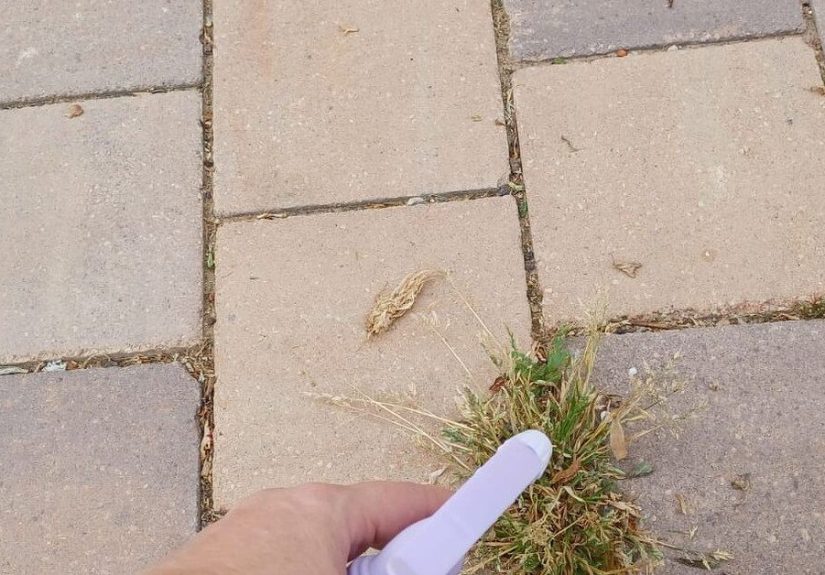
Then comes the experiment-in-spirit stage. A few weeds are selected, usually the annoying ones growing somewhere visible enough to judge but not important enough to trigger regret. Maybe they are in the cracks by the patio. Maybe they are in that awkward bed near the mailbox where weeds seem to arrive with a key. You try the idea because it feels accessible. No special trip. No complicated setup. No need to learn the name of some active ingredient that sounds like it belongs in a chemistry final.
At first, the experience can look promising. Some foliage loses color. Some leaves curl. A few stems appear to give up on life entirely. It is the gardening equivalent of a trailer for a movie that seems excellent in the first 45 seconds. You start thinking, “Why doesn’t everyone do this?” That is usually the exact moment caution should tap you on the shoulder.
Because a few days later, the bigger picture begins to show. The small annual weeds may indeed look rough. But the tougher weeds, the ones with deep roots and an impressive sense of entitlement, often return. Not all at once, of course. That would at least be honest. Instead, they come back gradually, like they are trying not to be rude about it. A new shoot here. Fresh green there. Suddenly the “dead” weed is simply on a break.
That is where many gardeners feel the real frustration. The method seemed active. It seemed science-y. It even gave visual proof that something happened. But what happened was often a surface-level injury, not a full victory. If the weed problem was minor to begin with, the effort may feel unnecessary. If the weed problem was serious, the effort may feel laughably inadequate.
There is also the anxiety of using any foliage-burning substance near plants you actually want to keep. Once you have a bed full of ornamentals, herbs, or vegetables, casual experimentation becomes less charming. Gardeners quickly realize that a product or home remedy capable of injuring weeds is perfectly capable of injuring a prized plant too. Nothing humbles a do-it-yourself weed-control adventure quite like realizing your favorite plant is now involved.
So the lived experience of hydrogen peroxide as a weed tactic is usually not “miracle fix.” It is “interesting idea, limited payoff.” It can feel clever in the moment, but it rarely replaces the fundamentals. In most yards, the lasting wins still come from early removal, good mulch, less exposed bare soil, and a realistic understanding of which weeds are annual nuisances and which are perennial marathon runners.
That may not be as thrilling as a bubbling spray bottle. But in the garden, boring methods often age better than dramatic ones.
Conclusion
Hydrogen peroxide sits in that frustrating gardening category of things that can look effective faster than they are effective. Yes, it may scorch weeds. No, that does not make it a dependable solution for most home landscapes. If you are dealing with small, young weeds, you might see temporary success. If you are fighting established lawn weeds or perennial invaders, expect disappointment and regrowth.
The smarter long-term move is to think less like a hack collector and more like a weed manager. Prevent germination where possible, remove weeds early, mulch exposed soil, and use site-appropriate methods when the problem is persistent. Your future self, your flower beds, and your blood pressure will all appreciate the upgrade.