Table of Contents >> Show >> Hide
- What Acne Actually Is (and Why Your Pores Are Acting Like This)
- Symptoms: What Acne Looks and Feels Like
- Causes: Why Acne Happens (the Four-Ingredient Recipe)
- Diagnosis: How Acne Is Evaluated
- Treatment: How to Get Rid of Acne (Without Declaring War on Your Face)
- Prevention: How to Reduce Breakouts (Without Living in Fear of Pizza)
- When to See a Dermatologist
- Real-World Experiences: What People Learn the Hard Way (So You Don’t Have To)
- Conclusion
- Information Synthesized From (U.S. Reputable Health Sources)
Acne is the uninvited guest that shows up right before a wedding, a first date, or the day you finally decide to update your profile photo. It can feel personal.
It isn’t. Acne is a very common skin condition with very unromantic biology behind itclogged pores, oil (sebum), inflammation, and a bacteria that lives on your
skin like it pays rent.
The good news: acne is treatable. The slightly annoying news: it usually takes consistency, patience, and a plan that’s less “random product roulette” and more
“simple routine + evidence-based treatments.” Let’s break it downsymptoms, causes, diagnosis, treatment options, and how to prevent breakouts without turning your
bathroom counter into a chemistry lab.
What Acne Actually Is (and Why Your Pores Are Acting Like This)
Acne (often called acne vulgaris) happens when hair follicles under the skin get plugged with oil and dead skin cells. Those plugs can create
non-inflamed bumps (like blackheads and whiteheads) or inflamed lesions (like papules, pustules, nodules, and cysts). Acne most commonly appears on the face,
but it also loves the back, chest, shoulders, and anywhere sweat and friction throw a party.
Think of each pore as a tiny tube. When the tube gets blocked and irritated, your skin reacts. Sometimes it’s mild and annoying. Sometimes it’s painful and
deep. And sometimes it leaves behind scars or dark marks that stick around like a bad sequel.
Symptoms: What Acne Looks and Feels Like
Acne isn’t just “a pimple.” It’s a whole cast of characters. The main difference between them is whether they’re inflamed and how deep they go in the skin.
Knowing which type you’re dealing with helps you choose treatments that make sense (and avoid the ones that don’t).
Noninflammatory Acne
- Whiteheads (closed comedones): clogged pores covered by a thin layer of skin, appearing as small white or flesh-toned bumps.
- Blackheads (open comedones): clogged pores open to the air; the dark color is oxidation, not dirt (so scrubbing harder won’t “clean” it out).
Inflammatory Acne
- Papules: small red or pink bumps that can feel tender.
- Pustules: “classic pimples” with pus and a red base.
- Nodules: large, painful, solid bumps deep under the skin.
- Cysts: deep, painful, pus-filled lesions that can lead to scarring.
Where Acne Shows Up
Face acne gets the most attention (it’s right there, making eye contact), but acne on the chest and back (“bacne”) is also commonespecially with sweat,
friction from straps or athletic gear, and certain hair or body products.
Signs Acne Is More Than a Minor Nuisance
If you have painful deep acne, frequent flares, scarring, or acne that affects your confidence and mental well-being, it’s not “just cosmetic.”
Acne can be a legitimate medical issueand it deserves real treatment, not guilt, shame, or a 14-step routine inspired by a random comment section.
Causes: Why Acne Happens (the Four-Ingredient Recipe)
Acne is usually driven by a combination of four core factors:
- Clogging: dead skin cells stick together and block the follicle opening.
- Oil (sebum): sebaceous glands produce more oil, which can thicken the “pore plug.”
- Bacteria: Cutibacterium acnes (formerly P. acnes) thrives in clogged, oily follicles.
- Inflammation: your immune system reacts, turning a clog into a red, swollen breakout.
Hormones: The Plot Twist Behind Many Breakouts
Hormonesespecially androgenscan increase oil production. That’s why acne is common in puberty, why some people flare around their menstrual cycle, and why
“adult acne” often targets the jawline and lower face. Hormones don’t cause acne alone, but they can crank up the volume.
Genetics: Thanks, Family Group Chat
If acne runs in your family, your risk goes up. Genetics can influence oil production, inflammation, and how your follicles behave.
(In other words: you didn’t “earn” acne by eating one cookie. Your follicles are just… enthusiastic.)
Friction, Occlusion, and Sweat: The “Maskne” and Sports Gear Effect
Tight helmets, chin straps, masks, headbands, backpack straps, and any setup that combines friction + sweat + trapped heat can trigger acne-like breakouts
(a.k.a. acne mechanica). It’s not your skin “being dirty.” It’s your skin being rubbed, steamed, and annoyed.
Products and Medications That Can Trigger Acne
Some skincare, hair products, and cosmetics are comedogenic (pore-clogging), especially if they’re heavy, oily, or not designed for acne-prone skin.
Certain medications can also worsen acne in some peopleclassic examples include corticosteroids and lithium.
Diet and Stress: What’s Real, What’s Hype
Diet isn’t the sole cause of acne, but research suggests certain dietary patterns may influence breakouts for some peopleparticularly high-glycemic-load diets
(think sugary drinks, processed carbs) and possibly dairy (the evidence is mixed and not definitive). Stress also doesn’t “cause” acne out of thin air, but it can
worsen inflammation and contribute to flares.
Diagnosis: How Acne Is Evaluated
Acne is usually diagnosed clinicallymeaning a healthcare professional can identify it by looking at the skin and discussing your history. There isn’t a single
blood test that “proves” acne. Instead, diagnosis focuses on the type of lesions, their distribution (face, chest, back), and severity.
Severity: Mild, Moderate, Severe (and Why It Matters)
Severity isn’t just about how many pimples you have. It includes:
- the mix of comedones vs. inflammatory lesions
- the presence of nodules/cysts
- scarring or dark marks
- how much it affects daily life and confidence
When Additional Evaluation May Help
If someone has sudden severe acne, acne with signs of hormonal imbalance (like irregular periods or excess facial hair), or acne that’s resistant to treatment,
a clinician may consider evaluating for related conditions (for example, polycystic ovary syndrome in some patients).
Treatment: How to Get Rid of Acne (Without Declaring War on Your Face)
Acne treatment works best when it targets more than one causeclogging, oil, bacteria, inflammationand when you stick with it long enough to see results.
Most effective regimens take time. A common reality check: improvements often show in weeks, but meaningful clearing can take 8–12 weeks.
Over-the-Counter (OTC) Options That Actually Pull Their Weight
-
Benzoyl peroxide: reduces acne-causing bacteria and inflammation. It’s a staple for inflammatory acne, but it can cause dryness and
(fun surprise) it can bleach towels and pillowcases. Start low and go slow. -
Adapalene: an OTC topical retinoid that helps prevent clogged pores and improves cell turnover. Expect some dryness and “retinoid adjustment”
early onthink irritation, not instant perfection. - Salicylic acid: helps unclog pores by exfoliating inside the follicle; often helpful for blackheads and whiteheads.
A gentle cleanser, a non-comedogenic moisturizer, and daily sunscreen aren’t “extras.” They’re how you keep acne treatments tolerable so you can actually keep
using them. The best routine is the one you can do on your worst day, not just your best day.
Prescription Topicals: When OTC Isn’t Enough
Dermatologists often prescribe combinations of topical treatments for mild to moderate acne:
- Topical retinoids (tretinoin, adapalene, tazarotene, trifarotene): unclog pores and reduce inflammation.
- Topical antibiotics (clindamycin, erythromycin): reduce bacteria and inflammation, usually paired with benzoyl peroxide to limit resistance.
- Azelaic acid: helpful for acne and post-acne dark marks; often better tolerated for sensitive skin.
- Dapsone gel: anti-inflammatory option used for certain acne patterns, including some adult acne cases.
- Topical anti-androgen options: in some cases, clinicians may use treatments that reduce androgen effects in the skin.
Oral Medications: For Moderate to Severe or Stubborn Acne
-
Oral antibiotics (commonly doxycycline or minocycline): used for inflammatory acne, typically for limited durations, and ideally combined with
topical benzoyl peroxide and/or a retinoid. -
Hormonal therapy for females (combined oral contraceptives, spironolactone): helpful for hormonal acne patterns, especially jawline flares and
cyclic breakouts. -
Isotretinoin: a powerful option for severe, scarring, or treatment-resistant acne. It requires careful monitoring and strict pregnancy
prevention protocols due to a very high risk of severe birth defects if taken during pregnancy.
In-Office Treatments and Procedures
Sometimes, the fastest relief comes from a dermatologist’s toolbox:
- Intralesional steroid injections for large, painful nodules (often reduces swelling quickly).
- Comedone extraction (when appropriatethis is not the same as DIY squeezing).
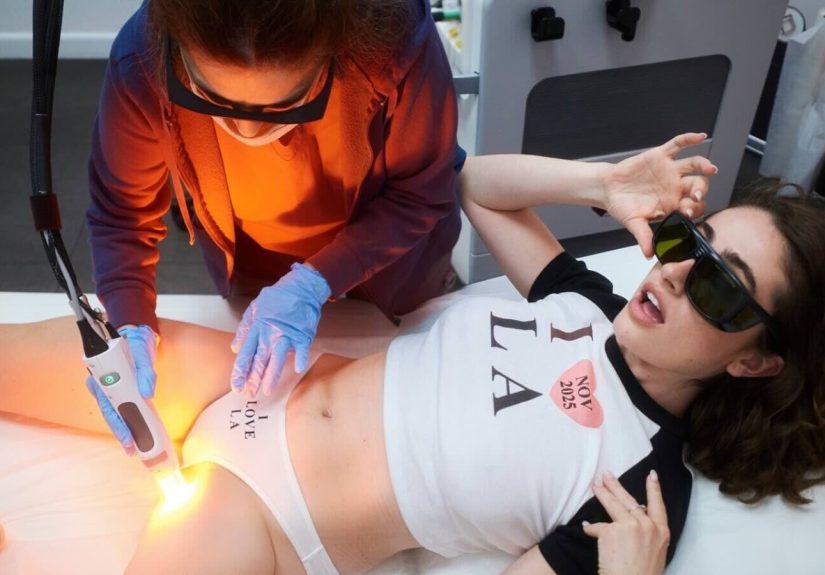
- Chemical peels and light-based therapies in select cases.
- Scar-focused procedures (lasers, microneedling, etc.) once acne is under control.
What About Acne Scars and Dark Marks?
Two important truths:
- Preventing scars is easier than treating them. Controlling inflammation early matters.
- Not all “marks” are scars. Post-inflammatory hyperpigmentation (dark spots) can fade with time and targeted ingredients, while true scarring
involves changes in skin texture and often needs procedures for best results.
Prevention: How to Reduce Breakouts (Without Living in Fear of Pizza)
Build a Routine That’s Boring on Purpose
Boring is good. Boring is consistent. Boring keeps your skin barrier happy.
- Wash gently 1–2 times daily (and after heavy sweating).
- Use non-comedogenic moisturizer and sunscreen daily.
- Introduce active ingredients slowly (especially retinoids).
- Avoid harsh scrubs and over-cleansingirritation can worsen acne.
Hands Off: Picking Turns Pimples Into Projects
Picking increases inflammation, raises the risk of scarring, and can prolong healing. If you need something to do with your hands, consider hydrocolloid
pimple patches. They’re basically “do not touch” signs that actually stick.
Watch Friction, Sweat, and Product Buildup
If you’re acne-prone on the body, shower after workouts, switch out sweaty clothing, and avoid heavy oils on the chest and back. Hair products can also drip
onto skin and contribute to breakouts along the hairline and shoulders.
Diet Experiments: Make Them Small and Scientific
If you suspect diet affects your acne, try one change at a time for several weekslike reducing high-glycemic snacks or testing dairy reductionrather than
banning entire food groups overnight. If nothing changes, congratulations: you can stop blaming your lunch.
When to See a Dermatologist
Consider professional help if you have:
- painful nodules or cysts
- scarring or rapid worsening
- acne that doesn’t improve after 8–12 weeks of consistent OTC care
- significant emotional distress
- pregnancy, plans for pregnancy, or complex medical history affecting treatment choices
One more thing: if you’re using multiple products and your face feels like it’s auditioning for a role as a desert, that’s not “purging.” That’s irritation.
A dermatologist can help you simplify and actually clear.
Real-World Experiences: What People Learn the Hard Way (So You Don’t Have To)
The internet loves dramatic skincare transformations. Real life is usually less cinematic and more like: “Week 3: still breaking out. Week 6: slightly better.
Week 10: oh… wait… this is working.” That timeline is normal, and it’s one of the biggest reasons people quit right before the payoff.
A common experience is overcorrecting. Breakout appears → panic purchase → five new actives layered at once → skin barrier melts → acne looks
worse → repeat. The fix is rarely “more products.” It’s usually less chaos. Most people do best with a steady routine: gentle cleanser,
moisturizer, sunscreen, and one or two active treatments that target their acne type.
Another lesson: the first two weeks can be misleading. With retinoids like adapalene or prescription tretinoin, early irritation is common.
Many people describe dryness, peeling, or mild rednessespecially if they apply too much too fast. The folks who succeed tend to treat retinoids like spicy
food: you don’t start with the hottest sauce and then blame the cuisine. They use a pea-sized amount, start a few nights a week, moisturize, and build up as
tolerated.
People also discover that benzoyl peroxide is both a hero and a menace. It’s great for inflammatory acne, but it can dry skin and bleach
fabrics. The seasoned veterans keep “sacrifice towels” and apply benzoyl peroxide earlier in the day (or let it fully dry) to reduce collateral damage.
They also learn that higher strength isn’t always betteroften it just means more irritation with no extra benefit.
If someone tries antibiotics (topical or oral), a frequent “aha” moment is learning that antibiotics aren’t a forever solution. When used correctly, they can
calm inflammatory acne, but they’re usually paired with benzoyl peroxide and/or a retinoid, and used for limited periods to reduce bacterial resistance. Then
maintenance shifts back to topicalsbecause the goal is to keep pores clear and inflammation down, not to stay on antibiotics indefinitely.
Hormonal acne has its own set of lived experiences. Many adults notice jawline breakouts that flare cyclically. In those cases, people often report the best
results from combining topical therapy with hormone-focused options (like certain birth control pills or spironolactone) under medical guidance. The biggest
surprise? The improvement is often gradual, and stress management matters more than anyone wants to admit. Not because stress is “the cause,” but because it
nudges inflammation and habits (sleep, diet, skin picking) in the wrong direction.
Finally, there’s the mental side. A lot of people feel like acne means they’re doing something wrong. They aren’t. Acne is common, biological, and treatable.
The most empowering shift is moving from blame to strategy: picking a plan, tracking results for 8–12 weeks, adjusting thoughtfully, and getting help when
needed. Clearer skin is great. A calmer brain while you get there is even better.
Conclusion
Acne is a complex (and annoyingly persistent) mix of clogged pores, oil, bacteria, and inflammationshaped by hormones, genetics, lifestyle factors, and the
products you use. The best acne treatment plans are consistent, targeted, and realistic: match treatments to acne type, go slow with active ingredients,
protect the skin barrier, and escalate to prescription options when needed. With the right routineand sometimes a dermatologist in your cornermost acne can
be significantly improved, and scarring can often be prevented.
Medical note: This article is for general education and does not replace personalized medical advice. If you have severe, painful, scarring, or
persistent acne, consult a licensed clinician or dermatologist.
Information Synthesized From (U.S. Reputable Health Sources)
American Academy of Dermatology (AAD), Journal of the American Academy of Dermatology (JAAD), Mayo Clinic, Cleveland Clinic, MedlinePlus/NIH, NIAMS/NIH,
Johns Hopkins Medicine, Harvard Health Publishing, U.S. FDA (iPLEDGE REMS), American Academy of Family Physicians (AAFP), JAMA Network, HealthyChildren.org
(American Academy of Pediatrics), and KidsHealth (Nemours).