Table of Contents >> Show >> Hide
- Who Is Lorraine Jeckells, and Why Does Her Story Matter?
- What the IA Magazine Profile Quietly Reveals
- Why People-First Leadership Is More Than a Nice Idea
- Marketing, Brand, and the Insurance Trust Problem
- The Personal Details That Make Lorraine Jeckells Memorable
- What Independent Agencies Can Learn From Lorraine Jeckells
- Extended Reflection: Real-World Experiences That Echo Lorraine Jeckells’ Story
- Conclusion
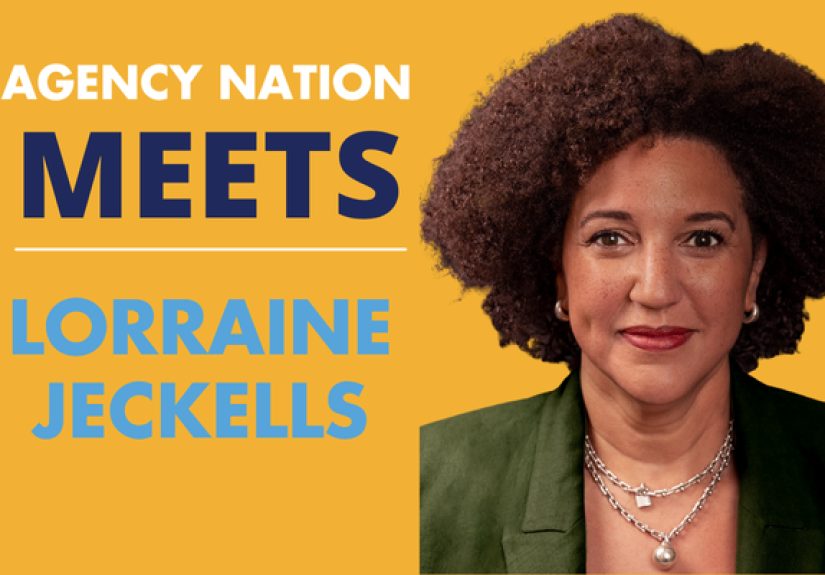
Every industry says it wants bold leaders, better branding, and a healthier workplace culture. Insurance, being insurance, usually says it while wearing sensible shoes and carrying three spreadsheets. That is part of what makes Agency Nation Meets: Lorraine Jeckells such a fun and useful profile. On the surface, it is an icebreaker-style interview. Underneath, it is a revealing snapshot of what modern insurance leadership actually looks like: practical, people-first, commercially sharp, and just self-aware enough to admit that yes, Excel can be a comfort object.
Lorraine Jeckells is not featured because she shouts the loudest. She stands out because her career sits at the intersection of several trends reshaping the insurance business: brand strategy, client trust, talent development, women’s leadership, and culture that can survive real growth. That combination matters in an era when agencies are fighting for attention, fighting for talent, and trying very hard not to sound like every other agency saying it offers “great service.”
This article takes the spirit of the original IA Magazine feature and expands it into a fuller look at why Lorraine Jeckells matters, what her story says about the future of insurance marketing, and what independent agencies can learn from a leader who seems equally comfortable discussing growth strategy, family life, and a dog named Fred who apparently treats the refrigerator like a personal challenge.
Who Is Lorraine Jeckells, and Why Does Her Story Matter?
Lorraine Jeckells is the co-founder and CEO of Free Brands, known as FREE, a marketing agency focused on the insurance sector. According to IA Magazine, she has led the company since 2012, helping it grow from a small London studio into an internationally recognized firm serving clients in the U.K., the U.S., and Bermuda. Her background in HR and her people-first leadership style are not side notes. They are central to how her career has developed and why her approach resonates.
That detail is especially important because insurance marketing has changed. It is no longer enough to have a nice logo, a polite website, and a producer who occasionally remembers LinkedIn exists. Today’s insurance brand has to do more. It has to build trust. It has to support retention. It has to attract talent. It has to make a complex product feel understandable without making it feel trivial. In other words, marketing in insurance is not just decoration. It is infrastructure.
Jeckells’ career reflects that shift perfectly. She is not presented as a “creative” floating above the business. She is presented as a strategic operator who understands how messaging, culture, and commercial results connect. That is one reason her profile lands so well with agency readers. It suggests that the best marketing leaders in insurance are not simply storytellers. They are translators between brand, people, and performance.
What the IA Magazine Profile Quietly Reveals
The charm of the Agency Nation Meets format is that it sneaks leadership lessons into casual questions. Ask someone about their favorite movie or biggest pet peeve, and suddenly you learn more than you would from a polished keynote.
Take Jeckells’ answer about the one productivity tool she could not live without: Microsoft Excel. That answer is funny because it sounds wonderfully unglamorous for a marketing executive. But it also says something real. In insurance and in agency life, success is not built on vibes alone. It is built on organization, follow-through, visibility, and systems. The agencies that perform best are rarely the ones with the flashiest pitch deck. They are the ones that know their pipeline, understand their clients, and stay consistent.
Her answer about fears and phobias is just as revealing. Heights and spiders are the official list, but her bigger point is that she actively works on the heights problem. Skiing. Helicopter rides. Tall buildings. She is not describing fearlessness. She is describing movement despite fear. That distinction matters. In business, courage is usually less cinematic than people imagine. It is often a series of uncomfortable but necessary steps: applying for the role, asking for help, launching the new service line, hiring before you feel fully ready, or speaking up when the room would prefer silence.
Then there is Fred, the Irish terrier who has learned to open the fridge. No strategic framework can fully prepare you for that. Still, the detail humanizes her in a way that polished leadership bios often fail to do. Great professional brands do not become stronger by sounding robotic. They become stronger by being recognizable, memorable, and real.
Why People-First Leadership Is More Than a Nice Idea
IA Magazine describes Jeckells as a leader who has built a culture of trust, creativity, and long-term client partnerships. That sounds pleasant, but in the insurance world it is also commercially important. Agencies across the U.S. are dealing with a talent squeeze, leadership succession questions, and a market where keeping great people is just as important as finding them.
The broader industry context backs that up. Independent-agent organizations are putting more energy into hiring, onboarding, compensation insight, and talent pipelines because the workforce challenge is real. At the same time, women in insurance networks and conferences are growing because leadership development is no longer being treated like a niche topic. It is a growth topic.
This is where Jeckells’ HR background becomes more than biography. It helps explain why her leadership style feels modern. She appears to understand that culture is not the fluffy thing you talk about after the real meeting. It is the thing that determines whether people stay, contribute, collaborate, and recommend your business to others. In a service-driven industry, culture eventually becomes customer experience. Your internal habits always leak into your client relationships.
That is one reason her biggest pet peeve, bad manners, feels more meaningful than it first appears. At face value, it is a simple personal answer. In practice, it is also a philosophy. Respect matters. Civility matters. Responsiveness matters. For agencies trying to retain clients in a difficult market, those basics are not old-fashioned. They are competitive advantages.
Marketing, Brand, and the Insurance Trust Problem
Insurance is a trust business wearing a paperwork costume. Customers want clarity, confidence, and proof that someone competent is on the other side of the transaction. That is why Jeckells’ role in insurance-focused marketing is so interesting. Good insurance marketing is not loud for the sake of being loud. It is clear, differentiated, and credible.
That is also why brand and culture belong in the same conversation. Agencies often talk about customer-facing brand as if it is completely separate from internal operations. It is not. A strong external brand with a confused internal culture is like a beautifully wrapped package containing expired crackers. Sooner or later, someone opens it.
Jeckells’ story suggests a better model: build a business where the internal promise and external promise match. Say you are modern? Then your processes should not feel stuck in 2009. Say you are people-first? Then your team should feel supported, coached, and trusted. Say you are strategic? Then your communications should be consistent across digital and human channels. In insurance, a brand is not just what you publish. It is what people experience.
That point matters even more now because digital expectations have changed. Buyers are increasingly comfortable using digital channels, but they still value expert human guidance, especially for complicated decisions. The agencies and carriers winning attention are not choosing between digital and personal relationships. They are combining both. That hybrid model is exactly where thoughtful brand leadership becomes valuable.
The Personal Details That Make Lorraine Jeckells Memorable
One reason the IA Magazine feature works so well is that Jeckells feels like a real person, not a walking thought-leadership post.
She likes substance over posturing
Her favorite book is Far From the Madding Crowd, and she points to Bathsheba Everdene as an early role model: bold, brave, stylish, and determined against difficult odds. That answer tracks with the rest of the profile. Jeckells seems drawn to capability with backbone, not empty confidence.
She respects tradition, but not passivity
Her family supports Crystal Palace, a smaller London soccer club, and she talks about resilience, community, and the sweetness of hard-earned wins. That sounds suspiciously like a philosophy for building a business. Not every agency gets to be the giant. But smaller organizations can absolutely build passionate followings if they are consistent, smart, and close to their communities.
She has a refreshingly normal take on success
Her movie picks, including Die Hard, are not just amusing. They show a leader who is comfortable with personality. In a marketplace full of polished sameness, recognizable humanity is not a liability. It is often the thing people remember.
What Independent Agencies Can Learn From Lorraine Jeckells
1. Treat marketing as a business function, not a decoration
Insurance agencies that still see marketing as “the brochure department” are behind. Brand affects trust. Trust affects conversion. Conversion affects retention and referrals. Lorraine Jeckells represents the version of marketing that agency owners should take seriously: focused, measurable, and aligned with growth.
2. Build a culture people can actually feel
People-first leadership is not a slogan. It shows up in coaching, communication, career development, and expectations. Teams do better when they understand the mission, feel respected, and know they are being developed. Agencies that want loyalty have to offer more than a desk, a login, and a coffee machine that sounds like it is fighting for its life.
3. Do not confuse polish with courage
Her closing advice to her great-grandchildren is the clearest lesson in the whole profile: do not let fear hold you back. That is useful advice for young professionals, producers, agency owners, and frankly anyone trying to do meaningful work in a changing market. Growth usually arrives wearing discomfort first.
4. Remember that manners still scale
Technology can automate reminders, segment audiences, and support better personalization. It cannot replace decency. Agencies that communicate clearly, respond respectfully, and make clients feel understood still have an edge. Sometimes the difference between retention and churn is not a grand strategy. It is whether the client feels handled with care.
Extended Reflection: Real-World Experiences That Echo Lorraine Jeckells’ Story
The themes in Lorraine Jeckells’ profile show up in the everyday experiences of agencies across the insurance world. You can see it in the producer who joins a growing firm expecting a sales job and quickly realizes the real work is relationship management. You can see it in the account manager who keeps a team steady during a hard market, not because she has the loudest voice, but because she is organized, calm, and trusted. You can see it in the agency principal who finally admits the brand no longer matches the business and decides to fix it before another talented employee or ideal client slips away.
Consider the common agency experience of hiring. On paper, the assignment sounds simple: find a strong candidate, onboard them, and get them producing. In reality, agencies are often competing against larger employers, changing expectations, and a limited talent pool. That is why Jeckells’ people-first angle matters. Candidates do not only evaluate compensation. They evaluate whether the organization knows who it is, whether leaders are clear, and whether growth is more than a motivational poster taped near the copier.
Then there is the client experience side. Many agencies have learned the hard way that being knowledgeable is not the same thing as being memorable. Clients assume technical competence. What they remember is whether the agency communicated well during renewal, whether someone followed up without being chased, whether the digital touchpoints were easy to use, and whether the team sounded coordinated. That is where brand becomes operational. A polished website means very little if the service experience feels fragmented. Jeckells’ career in insurance marketing makes that lesson impossible to ignore.
There is also a leadership experience buried in her final advice about fear. In agencies, fear often appears in respectable clothing. It calls itself timing. Or caution. Or waiting for the market to settle. Sometimes that restraint is wise. Sometimes it is just fear with a clipboard. Agencies hesitate to raise visibility, invest in talent, sharpen positioning, or let new voices lead because each move carries risk. But the more durable businesses are often the ones willing to act before they feel perfectly ready.
And finally, there is the cultural experience most agencies recognize instantly: the difference between a team that merely works together and a team that trusts one another. Trust changes everything. It makes feedback easier, creativity safer, hiring more intentional, and service more consistent. Jeckells’ profile suggests that great leadership is not about performing certainty at all times. It is about creating an environment where people can do strong work, grow into larger responsibilities, and still sound like human beings while doing it. In an industry built on promises, that may be the most valuable brand position of all.
Conclusion
Agency Nation Meets: Lorraine Jeckells works because it does more than introduce a successful insurance marketing leader. It offers a compact lesson in how modern agency leadership really looks. It is organized but human. Strategic but approachable. Ambitious but grounded in relationships. Jeckells comes across as the kind of leader who understands that growth is not created by branding alone, culture alone, or talent alone, but by the way those forces reinforce one another.
For independent agencies, that is the real takeaway. Build the spreadsheets. Build the brand. Build the team. Keep the manners. Do not let fear drive the strategy. And maybe secure the refrigerator if Fred ever visits.