Table of Contents >> Show >> Hide
- Why This Apple Stuffing Recipe Works
- The Best Ingredients for Apple Stuffing
- Apple Stuffing Recipe: Ingredients
- How to Make Apple Stuffing
- Tips for the Best Apple Stuffing Recipe
- Easy Variations
- What to Serve with Apple Stuffing
- Make-Ahead and Storage Tips
- Why Apple Stuffing Deserves a Spot on the Holiday Table
- Personal Kitchen Experiences with Apple Stuffing Recipe
- Conclusion
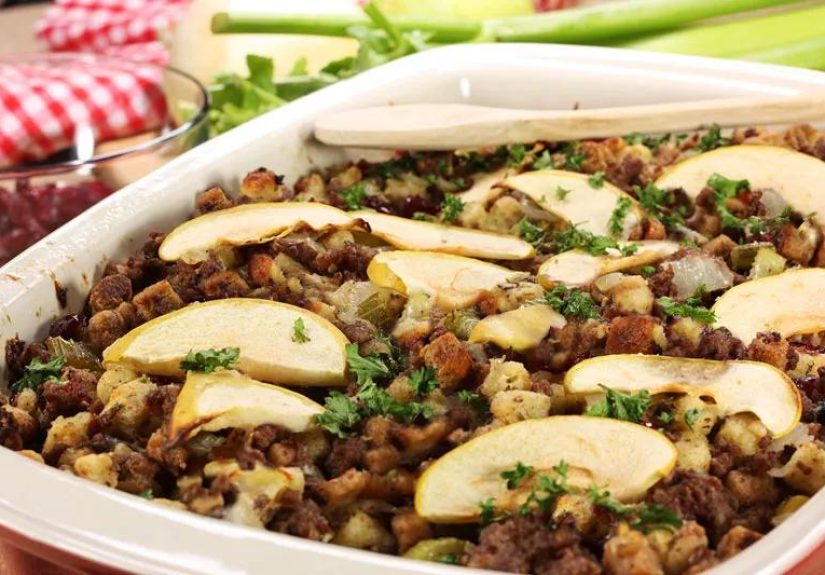
If classic stuffing and apple pie had a well-behaved, holiday-approved cousin, this would be it. An apple stuffing recipe brings together everything people love about traditional stuffinggolden bread, buttery onions, celery, herbs, and savory broththen hands the whole thing a crisp apple and says, “Go make Thanksgiving a little more interesting.” The result is cozy, fragrant, slightly sweet, deeply savory, and wildly good next to roast turkey, chicken, pork, or honestly just a large spoon and a locked kitchen door.
The beauty of apple stuffing is balance. The bread gives body, the aromatics build flavor, the herbs bring that unmistakable holiday smell, and the apples add freshness that cuts through all the richness. It tastes like fall showed up wearing its nicest sweater. Better still, this is a stuffing recipe you can tweak without losing the plot. Want sausage? Add it. Want nuts? Toss them in. Want something vegetarian and elegant enough to impress the aunt who says “I’m not hungry” before eating three servings? This is your dish.
Why This Apple Stuffing Recipe Works
A great homemade stuffing has two jobs. First, it should taste rich and savory enough to hold its own on a holiday plate crowded with competition. Second, it should have texture. Nobody dreams of a pan of wet bread mush. A good apple stuffing recipe keeps the center tender while the top gets lightly crisp and golden.
The secret is using bread that is dry enough to absorb flavor without collapsing. Day-old bread, cubed and dried in the oven, is ideal because it soaks up broth and melted butter like a tiny edible sponge with ambition. The second secret is not overdoing the liquid. Stuffing should be moist, not swimming. When you add broth gradually and toss everything well, the bread stays flavorful and fluffy instead of turning into a spoonable identity crisis.
Apples also do more than add sweetness. They brighten the flavor of the whole dish. When paired with onions, celery, sage, thyme, and butter, they create that sweet-savory contrast that makes each bite more interesting than standard stuffing. Granny Smith, Honeycrisp, Pink Lady, or other firm apples work beautifully because they hold their shape and bring a pleasant bite.
The Best Ingredients for Apple Stuffing
Bread
The foundation matters. Choose a sturdy loaf such as sourdough, French bread, country white bread, or a rustic sandwich loaf. Brioche can work if you want a richer result, but it can lean sweet, so keep the rest of the dish balanced. Whatever bread you use, cube it and dry it well. That single step is what separates “holiday favorite” from “why is this so soggy?”
Apples
Use firm apples with enough tartness to stand up to butter and stock. Granny Smith is a classic because it adds brightness, but Honeycrisp and Pink Lady also work well. If you prefer a sweeter stuffing, go with Fuji or Gala, though most cooks find tart apples give the best overall balance.
Aromatics
Onion and celery are the backbone of traditional stuffing, and they absolutely belong here. They build the savory base and make the apples feel intentional rather than random. A little garlic is welcome, too, though it should support the herbs rather than steal the show.
Herbs and Seasoning
Sage is the headline act in most stuffing recipes, and for good reason. It gives stuffing that unmistakable holiday aroma. Thyme, parsley, and rosemary round things out. Black pepper, kosher salt, and a little poultry seasoning can help if you want an extra nudge toward classic Thanksgiving flavor.
Liquid
Chicken stock is traditional and deeply flavorful, but vegetable broth works well if you want a vegetarian version. A splash of apple cider can add depth, especially if you want the apple flavor to speak up without turning dessert-adjacent. Eggs are optional, but some cooks like them because they help bind the stuffing into a more cohesive, casserole-style texture.
Optional Add-Ins
This recipe plays well with extras. Browned sausage adds hearty savoriness. Toasted pecans or walnuts bring crunch. Dried cranberries or apricots add tart little bursts of sweetness. Fennel, leeks, or shallots can create a more layered flavor. This is one of those forgiving holiday recipes where “extra personality” is usually a compliment.
Apple Stuffing Recipe: Ingredients
- 1 large loaf sturdy bread, cut into cubes and dried
- 6 tablespoons unsalted butter
- 1 large yellow onion, finely chopped
- 4 celery stalks, chopped
- 2 firm apples, peeled or unpeeled, cored, and diced
- 2 cloves garlic, minced
- 2 tablespoons fresh sage, chopped
- 2 teaspoons fresh thyme leaves
- 2 tablespoons chopped parsley
- 2 1/2 to 3 cups chicken stock or vegetable broth
- 1 egg, beaten (optional)
- Salt and black pepper to taste
- Optional: 1/2 pound cooked sausage, 1/2 cup toasted pecans, or 1/3 cup dried cranberries
How to Make Apple Stuffing
1. Dry the Bread
Spread the bread cubes on baking sheets and dry them in a low oven until they feel firm and lightly toasted. You are not making croutons for Caesar salad; you just want the bread to lose moisture so it can absorb flavor later. Let it cool while you prepare the rest.
2. Cook the Aromatics
Melt the butter in a large skillet over medium heat. Add the onion and celery and cook until soft and fragrant. Then add the apples and cook just long enough for them to soften slightly without falling apart. Stir in the garlic, sage, thyme, parsley, salt, and pepper. At this point your kitchen should smell like someone responsible is hosting Thanksgiving.
3. Combine Everything
Place the dried bread cubes in a large mixing bowl. Add the cooked vegetable and apple mixture. If you are using sausage, nuts, or dried fruit, fold them in now. Drizzle in the stock gradually, tossing as you go. You want the bread evenly moistened, not drenched. Add the beaten egg if using, and mix gently.
4. Bake Until Golden
Transfer the stuffing to a buttered baking dish. Cover with foil for the first part of baking so the center heats through and stays tender. Then uncover it so the top can crisp up and turn golden brown. The finished stuffing should be moist inside with toasted edges and a fragrant, savory aroma.
Tips for the Best Apple Stuffing Recipe
Do Not Rush the Bread
If the bread starts out soft, the stuffing will struggle. Dry bread is the difference between beautiful texture and spoonable regret. This is the boring tip that wins championships.
Choose Apples That Hold Up
Soft apples can disappear into the filling. Firm apples keep their shape and deliver little pops of flavor in every bite. That texture matters.
Add Broth Slowly
This is not a race. Different breads absorb liquid differently, so use the broth as a guide, not a dare. The mixture should feel hydrated and fluffy, never soupy.
Let the Herbs Be Noticeable
Stuffing should not taste like generic “holiday seasoning.” Fresh sage, thyme, and parsley make the dish taste brighter and more alive. Dried herbs work in a pinch, but fresh herbs make the whole thing feel a little more special.
Use a Baking Dish for Better Texture
Many cooks prefer baking stuffing separately rather than inside the bird because it is easier to control texture and browning. You get more crispy edges, which is the part everyone suddenly becomes territorial about.
Easy Variations
Apple Sausage Stuffing
Add browned breakfast sausage or Italian sausage for a richer, meatier dish. This version is hearty enough to become the star of the plate.
Vegetarian Apple Stuffing
Swap in vegetable broth and skip the meat. Add toasted pecans, mushrooms, or fennel for more depth. It is still deeply satisfying and tastes like it belongs on the holiday table, not in the sad side-dish corner.
Apple Cranberry Stuffing
Dried cranberries add tart little bursts that pair beautifully with apples and herbs. This variation looks especially festive and tastes like Thanksgiving actually kept its promises.
Cornbread Apple Stuffing
Use part cornbread and part rustic bread for a softer, slightly sweeter Southern-style spin. It is rich, cozy, and very hard to stop eating.
What to Serve with Apple Stuffing
This homemade apple stuffing is a natural match for roast turkey, roast chicken, pork loin, ham, or even a simple weeknight roast. It also loves gravy, cranberry sauce, and a plate with enough room for seconds. If you are planning a holiday menu, pair it with green beans, mashed potatoes, roasted squash, or Brussels sprouts. The apples make it especially good with savory mains that need a little brightness on the plate.
Make-Ahead and Storage Tips
Apple stuffing is wonderfully make-ahead friendly, which is exactly the kind of energy holiday cooking needs. You can cube and dry the bread a day or two ahead. You can also cook the onion, celery, apple, and herb mixture in advance and refrigerate it. On the day you serve it, simply combine everything, add broth, and bake.
Fully baked stuffing reheats well, too. Cover and warm it in the oven until hot all the way through, then uncover for a few minutes to revive the crisp top. If you are cooking stuffing alongside poultry, make sure the center reaches a safe temperature before serving. Food safety is not glamorous, but neither is explaining to everyone why the leftovers became an adventure.
Why Apple Stuffing Deserves a Spot on the Holiday Table
There are plenty of stuffing recipes in the world, but an apple stuffing recipe earns its place by being familiar and surprising at the same time. It still tastes like the holiday classic everyone expects, yet the apples add brightness, complexity, and just enough sweetness to make people ask what makes it so good. It feels traditional without being boring, which is honestly a rare holiday achievement.
It is also adaptable. You can make it rustic, elegant, hearty, vegetarian, extra-herby, fruit-forward, or sausage-packed. That flexibility is part of the reason this dish keeps showing up in American kitchens year after year. It gives you comfort food with personality, and it smells so good in the oven that people start hovering in the kitchen pretending they came in “just to help.”
Personal Kitchen Experiences with Apple Stuffing Recipe
The first time I made apple stuffing, I treated it like a side dish that happened to include fruit. By the time dinner started, I realized I had badly underestimated it. The pan hit the table, steam carrying up the smell of sage, butter, and apples, and suddenly everyone was acting like the turkey was merely a supporting character. One person asked for the recipe before taking the first bite, which is always either a compliment or a wildly optimistic administrative choice. In this case, it was a compliment.
What surprised me most was how the apples changed the mood of the stuffing. Regular stuffing is wonderful, but it can be heavy in a way that makes one scoop feel like enough. Apple stuffing has more lift. The fruit brightens the whole dish, so each bite feels balanced instead of dense. It still tastes rich and comforting, but it does not flatten your palate after three forkfuls. That matters on a holiday plate where everything is competing for your affection and your remaining stomach space.
I have also learned that bread choice is where personality starts showing up. One year I used sourdough, and the stuffing had a subtle tang that worked beautifully with tart apples. Another time I used a rustic white loaf, and the result was softer, more classic, and a little friendlier for people who think “adventurous” means using two herbs instead of one. Both were good. The real lesson was that the bread is not just filler. It determines whether the stuffing feels sturdy, soft, chewy, rustic, or plush.
The apples matter just as much. I once used a sweeter variety because that was what I had on hand, and the stuffing tipped closer to sweet than I wanted. Not dessert-level sweet, but enough that I missed the sharper contrast of a tart apple. Since then, I lean toward Granny Smith or Honeycrisp when I want the flavor to stay bright and balanced. Firm apples also hold their shape better, which gives you those little pockets of tenderness instead of mysterious apple vapor.
One of my favorite things about this dish is how forgiving it is. If the bread looks a little too dry, more broth solves it. If it feels too soft, a little more time uncovered in the oven helps bring back texture. If you want to make it heartier, sausage slides right in like it was always invited. If you want a vegetarian version, toasted pecans and extra herbs give it enough character to stand proudly on its own. Apple stuffing does not punish small adjustments. It behaves like a recipe that wants you to succeed.
I have served it at Thanksgiving, at smaller fall dinners, and once on an ordinary Sunday because I had leftover bread and an unreasonable amount of enthusiasm. Every time, the same thing happens: people go quiet for a minute, then someone says, “This is really good,” in the tone normally reserved for discovering buried treasure in a casserole dish. That is when I know it worked. A good recipe should feel dependable, but the best ones also feel a little magical. Apple stuffing lives in that sweet spot. It is practical enough for real life, flexible enough for different tastes, and delicious enough to make everyone circle back for just one more spoonful, which is of course never just one more spoonful.
Conclusion
If you are looking for a stuffing that feels classic but not predictable, this apple stuffing recipe is a very good place to start. It delivers everything people want from homemade stuffingsavory flavor, tender bread, crisp edges, and holiday herbswhile the apples add freshness and depth that make the whole dish more memorable. It is easy to adapt, easy to prep ahead, and exactly the kind of recipe that turns into a family request.
In other words: this is not just stuffing with apples tossed in as an afterthought. It is a thoughtful, balanced, deeply comforting side dish that deserves a regular invitation to the fall and holiday table. Make it once, and there is a solid chance someone will assign it to you forever. Congratulations, I guess.