Table of Contents >> Show >> Hide
- What Is Asian Ginseng?
- Potential Benefits of Asian Ginseng
- 1. It may help with fatigue, but expectations should stay realistic
- 2. It may support blood sugar and cardiometabolic markers
- 3. It may improve sexual function in some men
- 4. It may offer modest cognitive support in some adults
- 5. It probably does not boost athletic performance the way ads suggest
- 6. Immune and cold-season claims are interesting, but not fully settled
- Risks and Side Effects of Asian Ginseng
- Who Should Be Cautious or Avoid Asian Ginseng?
- Drug Interactions: The Part People Skip and Really Shouldn’t
- How to Use Asian Ginseng More Safely
- What Real-World Experiences With Asian Ginseng Tend to Look Like
- Bottom Line
Asian ginseng has been called everything from a natural energy booster to a legendary “adaptogen” that helps the body handle stress. That sounds impressive, and to be fair, it does make Asian ginseng sound like it should arrive wearing a cape. But real-life evidence is more nuanced. Some studies suggest it may help with fatigue, blood sugar markers, sexual function, and certain aspects of mental performance. At the same time, it can also cause side effects, interact with medications, and disappoint anyone expecting superhero-level results by Tuesday.
If you are researching Asian ginseng benefits, it helps to know exactly what you are dealing with. Asian ginseng usually refers to Panax ginseng, sometimes called Korean ginseng, Chinese ginseng, red ginseng, or white ginseng depending on how it is processed. It is not the same thing as American ginseng, and it is definitely not the same as “Siberian ginseng,” which is not true ginseng at all. That distinction matters because different plants, preparations, and ginsenoside levels can lead to very different results.
Here is the practical, evidence-based version: Asian ginseng may be useful for some adults in some situations, especially when used short term and with medical guidance. But it is not risk-free, it is not a substitute for proven treatment, and it is not a supplement you should toss into your cart just because the label says “vitality.”
What Is Asian Ginseng?
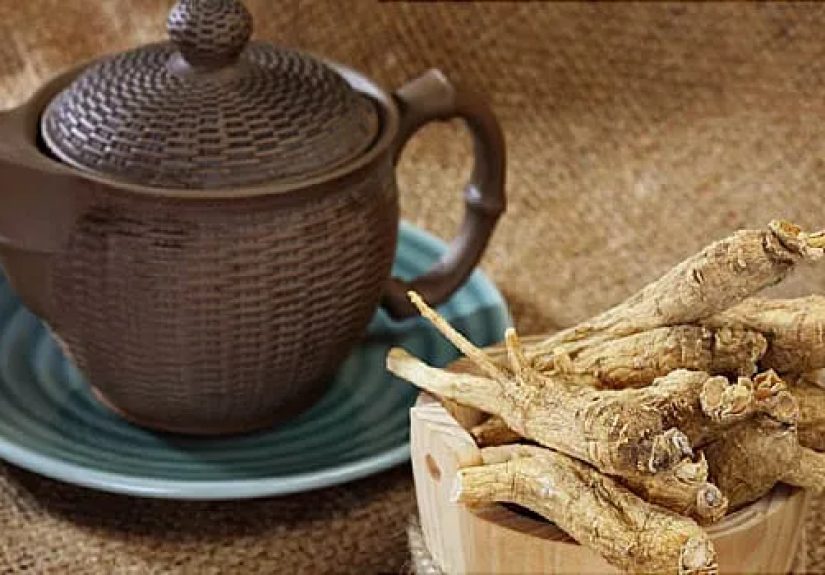
Asian ginseng is the root of Panax ginseng, a plant used for centuries in traditional East Asian medicine. The root contains active compounds called ginsenosides, which are believed to drive many of its biological effects. These compounds are often the stars of supplement labels, and for once the label is not entirely showing off.
You will usually see Asian ginseng sold as capsules, powders, teas, liquid extracts, or “red ginseng” products. White ginseng is simply dried root. Red ginseng is typically steamed and dried, which changes its chemical profile. That means two products labeled “ginseng” may not behave the same way in the body, and it also explains why study results can feel a little all over the map.
Potential Benefits of Asian Ginseng
1. It may help with fatigue, but expectations should stay realistic
One of the most common reasons people try Asian ginseng is simple: they are tired, overbooked, under-caffeinated, and suspicious that adulthood is a scam. Research does suggest that Asian ginseng may have a small benefit for general fatigue in some adults. That does not mean it will magically erase burnout, fix sleep deprivation, or turn a brutal workweek into a spa retreat. But for some people, it may modestly improve feelings of energy or stamina.
The catch is that the evidence is mixed. Some studies show benefit, others do not, and herbal formulas that contain ginseng plus other ingredients sometimes perform better than Asian ginseng alone. In other words, the fatigue story is promising but not rock solid.
2. It may support blood sugar and cardiometabolic markers
Asian ginseng has also been studied for blood sugar control and other cardiometabolic measures, especially in people with prediabetes or type 2 diabetes. Some reviews suggest it may improve fasting blood glucose, total cholesterol, and certain inflammatory markers. That sounds good, and it is worth paying attention to.
Still, this is not a green light to treat ginseng like a backup pancreas. The research remains inconsistent, and the blood-sugar effect can be a problem for people already taking diabetes medications. A supplement that “might help” can quickly become a supplement that “might make your glucose drop too low” if no one is paying attention.
3. It may improve sexual function in some men
One of the better-known uses of Panax ginseng is support for erectile dysfunction. Some studies suggest oral Asian ginseng may improve sexual function, likely through mechanisms involving nitric oxide and blood flow. The results are not dramatic enough to crown it the king of men’s health supplements, but there is enough evidence to say the benefit is plausible rather than purely wishful thinking.
That said, Asian ginseng is not a replacement for a proper evaluation of erectile dysfunction. ED can be linked to cardiovascular disease, diabetes, medication side effects, stress, or hormonal issues. If a supplement seems easier than seeing a doctor, that is understandable. It is also how important diagnoses get delayed.
4. It may offer modest cognitive support in some adults
Some studies suggest Asian ginseng may slightly improve attention, reaction time, arithmetic skills, or certain aspects of cognitive function, particularly in middle-aged adults. These effects appear modest, and the evidence is not strong enough to sell it as a memory miracle. If you are hoping to swallow a capsule and instantly become the person who never forgets passwords, anniversaries, or where the car is parked, science would like a word.
In practical terms, Asian ginseng may have mild short-term cognitive effects for some people, but it is not a substitute for sleep, exercise, stress management, or evidence-based treatment for cognitive decline.
5. It probably does not boost athletic performance the way ads suggest
Supplement marketing loves the words “performance” and “endurance” almost as much as gyms love mirrors. But when it comes to Asian ginseng and athletic performance, the overall research is underwhelming. Most studies do not show meaningful improvement in exercise performance. So if your plan is to take ginseng and suddenly run like you have a soundtrack following you, you may want a new plan.
6. Immune and cold-season claims are interesting, but not fully settled
Asian ginseng has long been promoted as an immune-support herb. There is some preliminary evidence that it may influence immune activity, and it has been studied in relation to flu and respiratory illness. But this remains a gray zone. It is not a substitute for vaccination, medical care, or common sense. A root cannot out-negotiate a virus all by itself.
Risks and Side Effects of Asian Ginseng
Now for the less glamorous part of the story. Asian ginseng side effects are often mild, but they are real. The most commonly reported problem is insomnia. If you take a stimulating herb late in the day and then spend the night staring at the ceiling while mentally reorganizing your spice rack, that is not exactly shocking.
Other possible side effects include:
- Headache
- Dizziness
- Nausea or stomach upset
- Diarrhea
- Nervousness or jitteriness
- Changes in blood sugar
- Menstrual changes or breast tenderness
- Palpitations or changes in blood pressure
Less commonly, more serious adverse effects have been reported, including allergic reactions, severe rash, liver problems, abnormal bleeding, and manic-like symptoms in rare cases. These events are uncommon, but they are the reason “natural” should never be mistaken for “automatically harmless.” Poison ivy is also natural, and no one is making tea out of that on purpose.
Who Should Be Cautious or Avoid Asian Ginseng?
Asian ginseng is not a great fit for everyone. Extra caution is usually advised for people who:
- Have diabetes or use insulin or oral diabetes medications
- Take blood thinners or antiplatelet medications
- Have high blood pressure, palpitations, or certain heart conditions
- Have hormone-sensitive conditions
- Have autoimmune disorders
- Take psychiatric medications, including MAOIs or stimulant-like drugs
- Are pregnant or breastfeeding
- Are children or teens
- Are preparing for surgery
Many experts recommend stopping ginseng before surgery because of possible effects on bleeding, blood pressure, blood sugar, and anesthesia-related risks. Pregnancy is another important concern. Some data suggest certain ginseng compounds may be unsafe during pregnancy, so this is not the supplement for improvisation.
Drug Interactions: The Part People Skip and Really Shouldn’t
If there is one section of this article that deserves a flashing neon sign, it is this one. Asian ginseng risks often have less to do with the herb itself and more to do with what it is mixed with, especially prescription medication.
Potential interactions include:
- Warfarin and other blood thinners: ginseng may alter clotting effects and increase bleeding risk or change anticoagulation response.
- Diabetes medications: combining ginseng with insulin or oral hypoglycemics may push blood sugar too low.
- MAOIs and certain psychiatric drugs: this combination may increase the risk of agitation or manic-like symptoms.
- Stimulants or large amounts of caffeine: you may feel more jittery, anxious, or sleepless.
- Some cancer or antiviral drugs: case reports suggest possible liver toxicity or altered drug levels with medications such as imatinib or raltegravir.
This is why a pharmacist or clinician should know about every supplement you take. Not some of them. All of them. The body does not care whether the interaction came from a prescription bottle or a wellness gummy with attractive packaging.
How to Use Asian Ginseng More Safely
Choose the right product
Because supplements are regulated differently from drugs in the United States, products are not FDA-approved for safety and effectiveness before they hit the market. Quality can vary, ingredient amounts may differ from the label, and contamination has been documented in some ginseng products. That is not a reason to panic, but it is a reason to shop like a skeptic.
Look for products that are standardized for ginsenosides and preferably tested by a reputable third party. A little label humility goes a long way. “Clinically crafted elite ultra-max vitality matrix” is not the same thing as quality control.
Be careful with dose
There is no single universally accepted dose for every use. Some references describe standardized extracts containing 4% to 7% ginsenosides at around 100 to 200 mg daily, while other preparations use larger amounts of dried root or divided doses. The problem is that products vary widely, and more is not automatically better. With Asian ginseng, more can simply mean more side effects, more sleep trouble, and more regret.
Start low and pay attention
If a clinician says it is appropriate for you to try Asian ginseng, start with the lowest practical dose, avoid taking it late in the day, and monitor how you feel. Watch for insomnia, headaches, palpitations, stomach upset, and unusual changes in blood sugar or bleeding. If something feels off, stop and get medical advice.
What Real-World Experiences With Asian Ginseng Tend to Look Like
People’s experiences with Asian ginseng are rarely dramatic in the cinematic sense. Nobody takes a capsule and then immediately power-walks into a boardroom while orchestral music swells in the background. Real-world experiences are more ordinary, which is actually useful because it gives a clearer picture of what this supplement may and may not do.
A common experience is the “mild energy nudge.” Someone starts taking Asian ginseng because they feel run-down, mentally foggy, or less resilient during stressful weeks. After a week or two, they may say they feel a little more alert in the morning or less wiped out in the afternoon. The key word there is little. Most people who respond positively describe a subtle lift, not a huge jolt. It is closer to “I feel slightly more functional” than “I have transcended tiredness.”
Another frequent pattern is disappointment from people expecting an athletic edge. A runner, lifter, or recreational athlete may try it after hearing that ginseng boosts stamina. In reality, many notice no meaningful difference in endurance, speed, or recovery. Some do report that they feel more mentally ready to train, but that is not the same as measurable performance improvement. This gap between expectation and reality is probably one reason ginseng has such a mixed reputation.
Sleep-related complaints also show up often in everyday use. A person takes Asian ginseng for energy, likes the daytime alertness, and then realizes they are still fully awake at midnight reorganizing their inbox or suddenly fascinated by whether they need to descale the coffee maker. That does not happen to everyone, but insomnia is common enough that timing matters. Morning use tends to go better than evening experimentation.
People with blood sugar concerns sometimes report benefits, but this is where real life gets complicated fast. Someone with prediabetes may feel encouraged by better fasting readings or more stable energy. On the other hand, a person using diabetes medication may find that the combination feels too strong or unpredictable. That is why “natural support” still needs medical supervision. The body is not grading on a supplement curve.
There are also people who stop using Asian ginseng simply because it feels too stimulating. They describe headaches, jitteriness, nausea, palpitations, or a sense that their body is tapping its foot even when they are sitting still. Others do fine for a short period but decide it is not worth continuing because the benefit is modest. And then there is the group that does well mainly because they use it carefully: they choose a standardized product, avoid mixing it with random wellness blends, take it early in the day, and check with a clinician about interactions first. Funny how boring decisions so often produce the best outcomes.
The bottom line from real-world experience is simple. Asian ginseng is not universally amazing, but it is not meaningless either. For the right person, in the right form, for the right reason, it may be helpful. For the wrong person, it can be irritating, risky, or just expensive enthusiasm in capsule form.
Bottom Line
Asian ginseng sits in that tricky middle ground where marketing tends to oversell and skeptics sometimes oversimplify. The best current evidence suggests it may provide modest benefits for fatigue, blood sugar-related markers, erectile function, and perhaps some aspects of cognition. But the benefits are not universal, and the herb comes with real concerns: insomnia, blood-pressure effects, blood-sugar changes, medication interactions, and quality variation across products.
If you are considering Asian ginseng, the smartest move is not to ask whether it is “good” or “bad.” Ask whether it makes sense for you, given your health history, medications, goals, and tolerance for risk. That is less dramatic than a miracle-supplement headline, but it is also a lot more useful.
Informational note: This article is for educational purposes only and should not replace medical advice, diagnosis, or treatment.