Table of Contents >> Show >> Hide
- Quick verdict
- What is Aspen Green (and why it gets attention)?
- Transparency: COAs, lab tests, and what you should look for
- USDA Organic: what it does (and doesn’t) mean for CBD
- Product lineup: oils, gummies, topicals (and what stands out)
- Manufacturing and quality claims: cGMP, FDA-registered facilitywhat to know
- Pricing and value: why Aspen Green feels “premium” (for better and worse)
- Does Aspen Green CBD “work”? A reality check (with evidence-based guardrails)
- Safety, side effects, and drug interactions: the not-fun but essential section
- Customer-trust checkpoints: what this brand does right
- Where you should stay skeptical (because you’re smart)
- Who should consider Aspen Green CBD?
- FAQs
- Conclusion: the “so, should you care?” answer
- Experiences: what using Aspen Green CBD might feel like (realistic, non-miracle edition)
- Experience #1: The “wind-down ritual” effect
- Experience #2: The “I still feel my body, just less dramatic about it” week
- Experience #3: The “COA-checker becomes the superhero” moment
- Experience #4: The “oops, full-spectrum means THC exists” learning curve
- Experience #5: The “it’s not for me, and that’s allowed” outcome
CBD brands love to promise you “better everything” in a bottle. Better sleep. Better mood. Better joints. Better vibes.
If you’ve been around the wellness internet long enough, you’ve probably developed a healthy skepticism (and a slight eye twitch).
So where does Aspen Green land on the spectrumfrom “sketchy snake oil” to “actually doing the basics right”?
This Aspen Green CBD review takes a practical, evidence-aware look at the brand’s quality signals:
sourcing, certifications, third-party testing, product lineup, pricing, and the kind of transparency you should demand
from any CBD company that wants your trust (and your money).
Important note: CBD products are generally marketed for adults. Laws and age rules vary by state, and CBD can interact with medications. If you’re under 18, talk with a parent/guardian and a qualified clinician before using any cannabinoid product.
Quick verdict
- Best for: Adults who want USDA-certified organic hemp, a premium full-spectrum formula, and easy-to-find lab reports (COAs).
- Not ideal for: Budget shoppers, people who must avoid even tiny amounts of THC (drug testing concerns), or anyone hoping CBD is a guaranteed “fix.”
- Big picture: Aspen Green checks many “trust” boxesespecially organic certification and lab transparencybut it’s priced like a boutique brand.
What is Aspen Green (and why it gets attention)?
Aspen Green is a U.S.-based hemp brand that leans hard into three words consumers actually care about:
organic, tested, and transparent.
The company highlights USDA Certified Organic status, Colorado-grown hemp, and products formulated with physician input.
In a market where “premium” sometimes means “we bought a fancy label maker,” those are meaningful claimsif they’re backed up.
The brand also appears in “best CBD” roundups from major health and wellness publishers, which can reflect product consistency,
testing practices, and consumer interest (though it’s still smart to treat any roundup as a starting pointnot the final word).
Where the hemp comes from
Aspen Green emphasizes Colorado hemp grown under organic standards. Colorado is a common hub for hemp farming due to
established cultivation infrastructure and a climate that can support robust hemp crops. That doesn’t automatically mean “better CBD,”
but reputable sourcing is a strong first step.
How it’s made
Aspen Green markets full-spectrum CBD extract and commonly references supercritical CO2 extraction.
CO2 extraction is widely regarded as a cleaner extraction method compared with some solvent-heavy processes, because it can reduce
unwanted residues when done correctly.
Transparency: COAs, lab tests, and what you should look for
If you take one thing from this review, let it be this: CBD without accessible lab testing is like sushi from a gas station.
Could it be fine? Maybe. But should you be the one to find out? Absolutely not.
Aspen Green provides Certificates of Analysis (COAs) for products and encourages customers to use QR codes on packaging
to find lab results. A solid COA should show:
- Cannabinoid potency (how much CBD, and how much THC is present)
- Contaminant testing (pesticides, heavy metals, microbes, residual solvents)
- Batch/lot information tied to the specific product you have
One nuance: different publishers have named different third-party labs associated with Aspen Green testing over time.
That’s not necessarily a red flagbrands can change labsbut the important point is that COAs should be current,
batch-specific, and easy to verify.
USDA Organic: what it does (and doesn’t) mean for CBD
“Organic” gets used casually in wellness marketingsometimes meaning “we once walked past a farmer’s market.”
USDA Certified Organic is more formal. It’s tied to the USDA National Organic Program standards
and generally means restrictions on synthetic pesticides, certain fertilizers, GMOs, and specific processing practices.
For CBD, USDA organic certification can be a genuine quality signal because hemp is a bioaccumulatorit can absorb substances from soil.
Organic certification doesn’t guarantee a product is perfect, but it can reduce the odds you’re getting unwanted agricultural baggage.
Aspen Green highlights USDA organic certification and positions it as a core differentiator. In a market where many brands use
“organic” loosely, verified certification is one of the few labels that’s actually worth caring about.
Product lineup: oils, gummies, topicals (and what stands out)
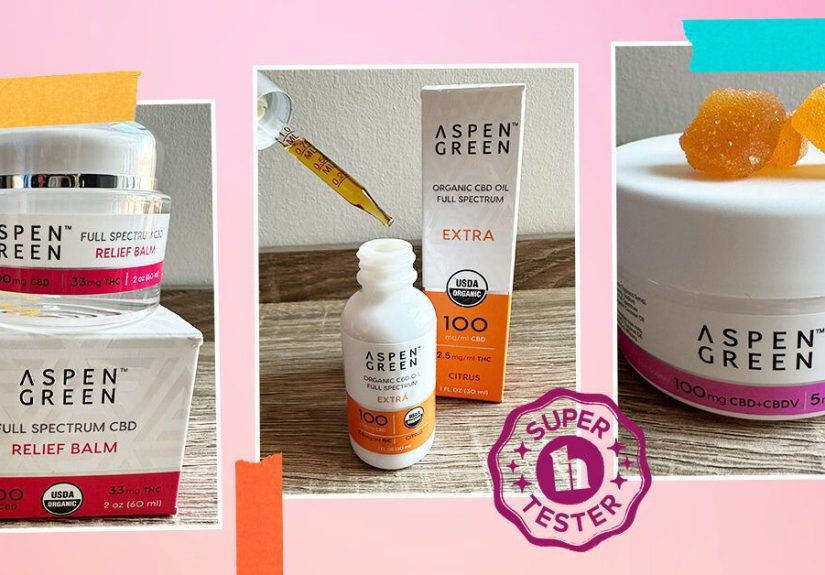
Full-spectrum CBD oils
Aspen Green is best known for its full-spectrum CBD oil tinctures, often positioned around goals like
relaxation, nighttime wind-down, or general recovery. Full-spectrum means the extract contains CBD plus other cannabinoids and compounds
naturally present in hemppotentially supporting the “entourage effect” idea (a theory that hemp compounds may work better together than alone).
Evidence is still evolving, but full-spectrum products remain popular for a reason: many consumers feel they get a more noticeable effect.
The tradeoff: full-spectrum products can contain small amounts of THC (within legal hemp limits). If drug testing is a concern,
full-spectrum may not be your safest choice.
CBD gummies
Aspen Green gummies are positioned as premium, with organic-focused branding and formulas that often emphasize a “calm” or “rest” theme.
Gummies are convenient and consistent per pieceno droppers, no guessworkbut they’re also easy to overhype.
Realistically, gummies are best viewed as a simple delivery format, not magic candy.
Many CBD gummies use pectin rather than gelatin, making them suitable for people avoiding animal-derived ingredients.
Ingredient lists still matter, though: watch added sugars and extra botanicals if you’re sensitive to certain ingredients.
Topicals
Aspen Green also sells CBD topicals (creams, balms, and similar). Topicals are often used by adults for localized
soreness or skin comfort. They won’t create the same whole-body effect some people report from ingestible products,
but they’re popular for targeted use and typically avoid many “sleepy” side effects.
Pet products
The brand also markets CBD for pets. If that’s on your radar, it’s worth being extra cautious: animals metabolize substances differently,
and dosing mistakes are easier. Always involve a veterinarianespecially if your pet takes other medications.
Manufacturing and quality claims: cGMP, FDA-registered facilitywhat to know
Aspen Green states it follows cGMP (current Good Manufacturing Practices) and references manufacturing in an
FDA-registered facility. This sounds impressiveand it can be meaningfulbut it’s also easy to misunderstand.
- cGMP is a quality framework for consistent manufacturing practices.
- FDA-registered facility typically means the facility is registered with the FDA, not that the FDA has approved the CBD products.
- FDA approval is not the same thing as registrationand most over-the-counter CBD products are not FDA-approved as treatments for diseases.
Translation: these are positive process signals, but they aren’t a “gold star” that guarantees a product will work for you.
They mainly help answer the question: “Is this brand trying to operate like a real manufacturer?”
Pricing and value: why Aspen Green feels “premium” (for better and worse)
Aspen Green products are frequently priced above bargain brands. That’s not automatically badquality testing, organic certification,
and better sourcing cost money. The question is whether the brand’s quality signals matter to you.
One way some reviewers compare value is cost per mg of CBD. By that metric, Aspen Green often lands in the premium range,
especially for high-potency tinctures. If you’re paying more, you should insist on:
- Clear potency labeling
- Batch-specific COAs that include contaminants
- Transparent ingredients (carrier oils, flavorings, botanicals)
- Responsibly written marketing (no “cures cancer!” nonsense)
If you care most about organic certification and robust testing access, Aspen Green’s price may feel justified.
If you only care about “something with CBD in it,” you’ll likely find cheaper optionsthough cheaper isn’t always better in CBD land.
Does Aspen Green CBD “work”? A reality check (with evidence-based guardrails)
This is the part where many CBD reviews either (1) make wild medical promises or (2) say nothing at all.
Let’s do neither.
Research suggests CBD may help with certain symptoms for some adultslike stress-related discomfort, sleep troubles, or painbut results vary,
and much of the evidence is still developing. The only FDA-approved CBD medication is used for specific seizure disorders,
which tells you two things:
- CBD can have real biological effects (it’s not just “plant vibes”).
- CBD also has real safety considerations (interactions, side effects, and dosing complexity).
In other words: a high-quality brand matters, but it can’t guarantee outcomes.
Think of Aspen Green as “good manufacturing + strong transparency,” not “guaranteed transformation.”
Safety, side effects, and drug interactions: the not-fun but essential section
CBD is often described as “well-tolerated,” but that doesn’t mean “risk-free.”
Reputable medical sources note possible side effects such as fatigue, GI upset, appetite changes, and drowsiness.
CBD can also interact with medications because it may affect how the liver metabolizes certain drugs.
If you take prescription medsespecially blood thinners, anti-seizure meds, or immune-related medicationstalk with a clinician before using CBD.
And if you’re pregnant or breastfeeding, many medical organizations recommend avoiding cannabinoid products due to uncertainty and potential risk.
Drug tests and full-spectrum CBD
Aspen Green’s popular tinctures are full-spectrum, which may contain trace THC.
While CBD itself typically isn’t what drug tests look for, trace THC exposure can be a concern with frequent use.
If testing is a serious issue for you, consider alternatives that are specifically THC-free and still third-party testedthen verify the COA.
Customer-trust checkpoints: what this brand does right
- USDA organic positioning (a rare, meaningful certification in CBD).
- COAs available and promoted via QR codes and searchable testing access.
- Clear product segmentation (oils, gummies, topicals) with goal-based marketing that’s commonbut at least organized.
- Premium sourcing and manufacturing claims like cGMP processes and FDA-registered facility language (worth understanding correctly).
Where you should stay skeptical (because you’re smart)
- Price: You’re paying for premium positioning. Make sure you value the features you’re funding.
- Goal-based product names: “Calm,” “Rest,” and “Relief” are marketing shorthand, not medical guarantees.
- CBD hype culture: Even good brands operate in a space full of exaggerated claims. Keep expectations realistic.
Who should consider Aspen Green CBD?
Aspen Green may be a good fit if you:
- Prefer USDA-certified organic CBD rather than vague “all-natural” claims
- Want full-spectrum CBD oil and are comfortable verifying THC levels on the COA
- Care about third-party lab testing and batch transparency
- Don’t mind paying more for quality signals and cleaner sourcing
You may want to look elsewhere if you:
- Need the lowest possible price per mg
- Must avoid THC due to drug testing (full-spectrum is a risk)
- Want CBD framed as a medical treatment rather than a wellness product (be cautiousmost CBD is not FDA-approved for disease claims)
FAQs
Is Aspen Green legit?
The brand shows several legitimacy signals: USDA organic positioning, public COAs, and coverage by major health publishers.
Still, “legit” in CBD comes down to verifying batch COAs, reading labels carefully, and keeping expectations realistic.
Is Aspen Green really USDA organic?
Aspen Green promotes USDA organic certification and explains what it means under the USDA National Organic Program.
If organic status is a deciding factor for you, look for certification documentation and confirm product-specific labeling.
Can Aspen Green CBD make you fail a drug test?
Full-spectrum products may contain trace THC. While CBD itself usually isn’t tested for, repeated exposure to THCeven small amountscan be a concern.
The safest move is to read the COA and consider THC-free options if testing is a high-stakes issue.
Does Aspen Green test every batch?
The company promotes third-party lab testing and COA access. Best practice is to match your product’s batch/lot information to the COA,
and confirm both potency and contaminant testing.
Conclusion: the “so, should you care?” answer
If you’re going to buy CBD at all, you want a company that treats transparency like a requirementnot a bonus feature.
In that sense, Aspen Green stands out for its emphasis on USDA-certified organic hemp,
accessible COAs, and premium full-spectrum formulations.
The downsides are mostly about cost and fit. Aspen Green is rarely the cheapest option,
and full-spectrum products aren’t ideal for everyoneespecially if THC exposure is a concern.
But if your priority is organic sourcing and visible testing, this is one of the more convincing “premium” brands in a market that often overpromises.
Bottom line: Aspen Green looks like a brand that does the fundamentals well. Just rememberCBD is a tool, not a miracle,
and the smartest shoppers still read the COA like it’s the ingredient label on their future mood.
Experiences: what using Aspen Green CBD might feel like (realistic, non-miracle edition)
I can’t claim personal use, but I can describe realistic “what people often report” patterns based on how full-spectrum CBD products behave,
what reputable reviewers commonly note, and the practical realities of adding CBD to a routine.
Think of these as composite experiencesthe kind of results an adult might notice when using a tested, full-spectrum product consistently,
while keeping expectations grounded.
Experience #1: The “wind-down ritual” effect
Many adults who try a full-spectrum tincture don’t describe a dramatic “switch flip.” Instead, they talk about a subtler change:
bedtime feels less like an internal debate team and more like a gentle landing. The biggest shift may be routine.
You measure, you take it, you do the rest of your sleep hygiene (dim lights, screens off, no doom-scrolling a stranger’s opinion about your vitamin D levels),
and your brain starts associating that sequence with shutting down.
In that scenario, Aspen Green’s “premium” traitsclean flavor options, consistent labeling, and easily accessible COAsmatter because they reduce friction.
You’re less likely to skip it due to unpleasant taste or uncertainty about what’s in the bottle. The experience becomes:
“This is predictable,” which is oddly comforting in a world where everything else updates every 14 seconds.
Experience #2: The “I still feel my body, just less dramatic about it” week
People who use CBD after workouts or during high-stress weeks often report something that’s hard to quantify but easy to recognize:
the discomfort is still there, but it feels less like it’s running the whole show. This is where topicals and full-spectrum products get compared a lot.
Some adults prefer topicals for localized sorenessbecause it keeps the rest of the day feeling normal and avoids drowsiness.
Others like ingestibles because they feel more “whole-body.”
A realistic outcome isn’t “pain deleted.” It’s more like:
“I got through the day without narrating every creak in my knees like a nature documentary.”
That’s not a medical claimjust a common way people describe mild-to-moderate symptom support when it works for them.
Experience #3: The “COA-checker becomes the superhero” moment
If you’re new to CBD, your first “experience” might not even be physicalit might be the moment you learn that not all CBD is created equal.
You look at a product’s COA and see the cannabinoid profile, the contaminant testing, and the THC line item.
That’s when CBD stops being a mysterious wellness trend and becomes a product category you can actually evaluate.
Aspen Green leans into this by making COAs easy to find via QR codes and searchable access. For consumers, that’s empowering.
It also changes the shopping mindset from “Which brand has the prettiest bottle?” to “Which brand shows its homework?”
Once you have that skill, you start applying it everywheresupplements, protein powders, even skincare.
Congratulations: you’ve become the friend who ruins impulsive purchases. (This is a compliment.)
Experience #4: The “oops, full-spectrum means THC exists” learning curve
Another common experienceespecially for professionals subject to drug testingis realizing that full-spectrum CBD isn’t always compatible with their life.
They may feel fine using the product, then panic after reading that trace THC can be present.
This is why the COA matters: it helps people make informed choices before a problem happens.
The realistic takeaway many adults land on is: “I like full-spectrum effects, but I need to balance that with real-world constraints.”
Sometimes that means switching formats, using less frequently, or choosing a verified THC-free product category instead.
Experience #5: The “it’s not for me, and that’s allowed” outcome
Finally, a very real experience is… nothing much happening. Some people try CBD and don’t notice meaningful benefits.
That can be due to individual biology, expectations, product choice, interactions, or simply that the symptom they want to change has a different cause.
If that’s you, the “win” is not forcing it. A transparent brand makes it easier to conclude:
“This was a fair trial, and I’m moving on,” instead of wondering whether the product was mislabeled or contaminated.
In other words, even when CBD doesn’t become your new favorite wellness habit, a quality-forward brand can still protect you from the worst-case scenario:
spending months chasing results from products that never showed you what was in the bottle.