Table of Contents >> Show >> Hide
- What is barley (and why do people keep “pearling” it)?
- Barley nutrition: what you’re actually getting
- The star of the show: beta-glucan (barley’s famous soluble fiber)
- Health benefits of barley (what the research actually supports)
- Pearled vs. hulled barley: which should you buy?
- How to eat barley without getting bored (or overwhelmed)
- Who should be careful with barley?
- Bottom line: is barley “worth it”?
- Experiences with barley (practical, real-life style) about
- SEO tags (JSON)
Barley is the quietly overachieving grain in your pantry. It doesn’t have quinoa’s PR team, and it’s not out here trying to be a trendy “ancient grain”
(even though it absolutely qualifies). Barley just shows up, gets cozy in soups, levels up grain bowls, andoh yeahbrings a whole lot of fiber to the party.
In this guide, we’ll break down barley’s nutrition, what its famous fiber (beta-glucan) actually does, who should be cautious, and the easiest ways to use it
without turning dinner into a science project. (No lab coat required. Apron optional.)
What is barley (and why do people keep “pearling” it)?
Barley is a cereal grain in the same broad family as wheat and oats. You’ll see it sold in a few common forms, and the form matters because processing changes
texture, cooking time, and some nutrients.
Common types of barley
-
Hulled barley (whole barley): Only the tough outer hull is removed. The bran remains, so it’s considered a whole grain. It’s chewy, nutty,
and takes longer to cook. -
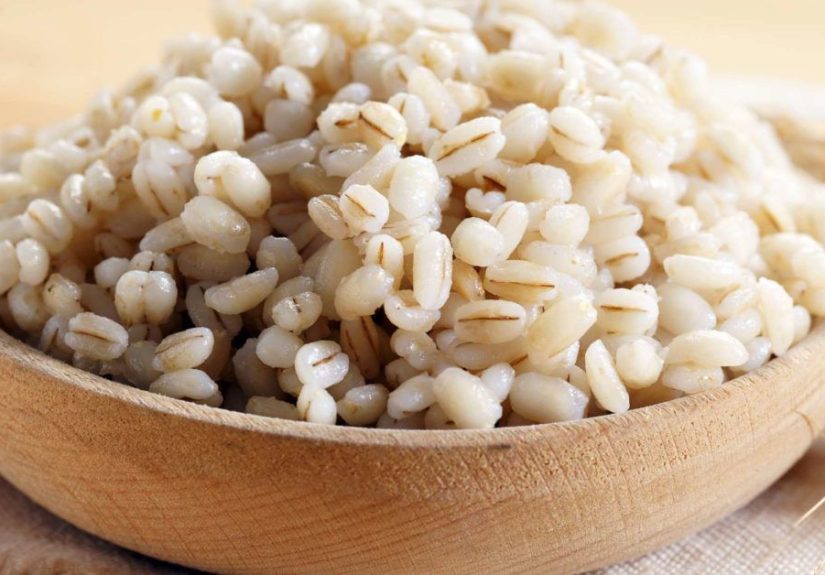
Pearled barley: Polished to remove some or most of the bran. It cooks faster and is the most common type in U.S. grocery stores. It’s still
nutritiousjust not as “whole grain” as hulled barley. -
Quick-cooking barley, flakes, grits, and flour: More processed for speed or baking. Great for convenience, but check labels for added
sodium/sugars in packaged mixes. -
Barley malt (and malted products): Barley that’s been sprouted and dried. It’s used for flavoring and brewing, and it still contains
gluten.
Barley nutrition: what you’re actually getting
Barley is primarily a carbohydrate food, but it’s a “smart carb” because a meaningful slice of those carbs comes bundled with fiberespecially
soluble fiber. That combination supports steadier digestion and can help explain barley’s reputation for heart and metabolic benefits.
Nutrition snapshot (1 cup cooked pearled barley)
Exact numbers vary by brand and cooking method, but a typical cup of cooked pearled barley lands around:
- Calories: ~193
- Carbohydrates: ~44 g
- Fiber: ~6 g
- Protein: ~3.5 g
- Fat: under 1 g
Barley also contributes several micronutrients people don’t always think about until their doctor says “your numbers are… interesting”:
selenium (an antioxidant-related mineral), magnesium, manganese, zinc, copper,
iron, and B vitamins such as thiamin and niacin.
The star of the show: beta-glucan (barley’s famous soluble fiber)
If barley had a superhero cape, it would be stitched from beta-glucana type of soluble fiber also found in oats.
Soluble fiber absorbs water and forms a gel-like substance in your digestive tract. That gel can:
- slow digestion (which helps you feel full longer),
- bind to bile acids (nudging your body to use cholesterol to make more bile), and
- support a healthier gut environment by feeding beneficial microbes.
Translation: barley’s fiber doesn’t just “keep things moving.” It can influence cholesterol metabolism and post-meal blood sugar patterns in ways that are
genuinely useful for many people.
Health benefits of barley (what the research actually supports)
1) Heart health support (especially cholesterol)
Barley is best known for its relationship with cholesterolspecifically, reducing LDL (“bad”) cholesterol. The mechanism is mostly beta-glucan’s gel-forming
behavior and its interaction with bile acids. Over time, that can help lower circulating LDL cholesterol.
In the U.S., there’s even an FDA-authorized health-claim framework for beta-glucan soluble fiber from oats and barley, tied to coronary heart disease risk,
when consumed in adequate daily amounts as part of a diet low in saturated fat and cholesterol. In other words: barley isn’t a magic spell, but it’s one of
the better-supported “food levers” you can pull.
2) Better blood sugar steadiness (the “slow-carb” vibe)
Barley’s fiber can slow the absorption of carbohydrates, which often means a gentler rise in blood sugar after meals. That’s helpful if you’re trying to
manage energy crashes, cravings, or glucose swings. Some evidence suggests barley-based meals can improve post-meal glucose responses compared with more refined
grains.
A practical example: swapping half the rice in a bowl for barley may change how full you feel after eatingand how soon you’re rummaging around for snacks.
(If your snack drawer could talk, it would not be thrilled about this.)
3) Gut health and the “feed your microbiome” effect
Barley contains fibers that act like prebioticsfood for beneficial gut bacteria. When gut microbes ferment certain fibers, they can produce
short-chain fatty acids (SCFAs) that support gut lining health and may play a role in metabolic and immune function.
If your digestion has been running like a phone with 3% battery, barley can be a useful upgradejust increase fiber gradually (more on that soon).
4) Weight management support (not a “diet food,” a “stays-with-you” food)
Barley isn’t low-calorie, but it tends to be high satietymeaning it helps you feel satisfied. Fiber plus water absorption plus chewy
texture can slow eating pace and extend fullness.
That matters because sustainable weight goals are usually less about finding the “perfect” food and more about building meals that don’t leave you hungry an
hour later. Barley is great at that job.
5) Nutrient density and antioxidant compounds
Whole grains like barley provide a package deal: fiber, minerals, and plant compounds (including polyphenols). While nutrition science rarely gives any
single food a gold medal for “anti-inflammation,” diets that emphasize whole grains are consistently associated with better long-term health outcomes than
diets dominated by refined grains.
Pearled vs. hulled barley: which should you buy?
If you want the simplest rule:
hulled barley is the more “whole” option, and pearled barley is the faster, more convenient option.
Choose hulled barley if:
- You want a whole-grain choice with more of the bran intact.
- You like a hearty, chewy texture (think farro’s laid-back cousin).
- You’re meal-prepping and can simmer longer or use a pressure cooker.
Choose pearled barley if:
- You want quicker cooking and wider availability.
- You’re adding barley to soups and want a tender texture.
- You’re new to barley and want the easiest starting point.
Either way, you’re still getting meaningful fiber and nutrientsso don’t let “perfect” steal dinner from “pretty great.”
How to eat barley without getting bored (or overwhelmed)
How to cook barley (basic method)
- Rinse barley under cool water (especially if it’s dusty-looking).
- Simmer in water or broth until tender. (Pearled cooks faster than hulled.)
- Drain excess liquid if needed and fluff like you mean it.
Want a shortcut? A rice cooker often works for pearled barley, and a pressure cooker can make hulled barley weeknight-friendly.
Easy, realistic ways to use barley
- Soup and stew upgrade: Barley turns broth into something you can actually call a meal.
- Grain bowls: Use barley as the base, then add roasted veggies, a protein, and a punchy sauce.
- Barley “risotto”: Swap arborio rice for barley for a chewier, fiber-rich version.
- Breakfast barley: Cook it softer with milk (or a milk alternative), cinnamon, and fruit.
- Salads: Chill cooked barley and toss with herbs, lemon, olive oil, cucumbers, and feta.
Who should be careful with barley?
Barley contains gluten
Barley is not gluten-free. If you have celiac disease or non-celiac gluten sensitivity, barley (and most malt products) are typically off
the menu. Always follow the guidance of your clinician and read labels carefully.
Fiber can be a “too much, too soon” situation
If you’re not used to high-fiber foods, jumping from “barely any” to “barley every day” can cause gas, bloating, or abdominal discomfort.
The fix is simple:
- Increase fiber gradually (start with smaller portions).
- Drink enough water (fiber is thirsty).
- Pair barley with other familiar foods so your gut doesn’t feel ambushed.
If you manage diabetes or take cholesterol meds
Barley can be a helpful food, but it’s still a carbohydrate source. If you use insulin or glucose-lowering medications, changes to carbohydrate type and
fiber can affect your glucose response. Consider tracking your post-meal response and discussing meaningful dietary changes with a registered dietitian or
clinician.
Bottom line: is barley “worth it”?
Yesespecially if you want a grain that’s affordable, versatile, and genuinely supported by nutrition science. Barley brings a rare combination:
comfort-food texture plus soluble fiber plus micronutrients that most people could use more of.
If you’re aiming for heart-healthier meals, more stable energy, or a diet with more whole-food fiber, barley is an easy win. Start small, cook a batch, and
let it do what it does best: quietly make your meals better.
Experiences with barley (practical, real-life style) about
Most people’s “barley journey” starts the same way: you buy a bag with good intentions, use it once in a soup, and then it stares at you from the pantry like
a polite houseguest who’s been overstaying their welcome. The good news is that barley is one of those ingredients that gets easierand more enjoyablethe more
you treat it like a flexible base instead of a one-time recipe requirement.
A common experience is noticing how different barley feels compared with rice or pasta. It’s chewier, more substantial, and it tends to slow you down
while you eat. That’s not a flaw; it’s part of why people often report feeling satisfied longer after a barley-based meal. For example, a lunch grain bowl made
with barley, roasted vegetables, and chicken (or chickpeas) can feel “done and dusted” in a way a white-rice bowl sometimes doesn’tespecially if your afternoon
usually includes a snack scavenger hunt.
Another real-life pattern: barley is a sneaky helper for meal prep. Cooking a pot on Sunday means you can build meals all week. People often end up using it in
at least three different ways without trying: folded into a soup on Monday, tossed into a salad on Wednesday, and turned into a warm, “risotto-style” side on
Friday. It plays well with bold flavorslemon, garlic, tomatoes, herbs, smoky spicesbecause its mild nuttiness doesn’t fight for attention.
If you’re increasing fiber, many people notice an adjustment period. The “I feel great!” benefits of fiber sometimes arrive right alongside “Why is my stomach
composing jazz?” sensations. The experience tends to go smoother when you start with a smaller serving (think: mixing barley half-and-half with rice at first),
drink more water, and keep the rest of the meal simple. After a week or two, a lot of people find barley becomes “normal” in the best waydigestively calmer and
easier to include regularly.
Barley also shows up in cozy comfort routines. Some people love it as a breakfast cereal: cooked until soft, stirred with cinnamon, a pinch of salt, and topped
with fruit and nuts. It’s not trying to be oatmeal; it’s its own thingheartier, slightly nutty, and surprisingly comforting. Others prefer it in winter soups
because it gives that “stick-to-your-ribs” feeling without relying on heavy cream or tons of cheese.
And then there’s the “gateway barley” experience: you try it in beef-and-vegetable soup, love it, and suddenly you’re the person explaining pearled vs. hulled
barley at the grocery store. (Welcome. We have fiber.)