Table of Contents >> Show >> Hide
- What Is Basil Pesto?
- Why This Basil Pesto Recipe Works
- Basil Pesto Ingredients
- Classic Basil Pesto Recipe
- Tips for the Best Basil Pesto
- How to Use Basil Pesto
- How to Store and Freeze Basil Pesto
- Common Basil Pesto Mistakes to Avoid
- Serving Ideas for a Full Meal
- Conclusion
- Kitchen Experiences: What You Learn After Making Basil Pesto Again and Again
- SEO Tags
If summer had a green flag, it would probably be a spoonful of basil pesto. Bright, punchy, cheesy, and just garlicky enough to make you feel powerful, basil pesto is one of those sauces that makes ordinary food taste like it suddenly got promoted. A spoonful can rescue plain pasta, wake up roasted vegetables, glam up sandwiches, and convince leftover chicken that it still has purpose in life.
This basil pesto recipe keeps the spirit of the classic version while staying practical for a modern home kitchen. It is fresh, rich, a little nutty, and incredibly flexible. You can make it in a food processor in minutes, stash it in the fridge, freeze it for later, and use it in more ways than your average jarred sauce could ever dream of. If you have a bunch of basil and a desire to feel like the kind of person who casually makes amazing sauces from scratch, you are in exactly the right place.
What Is Basil Pesto?
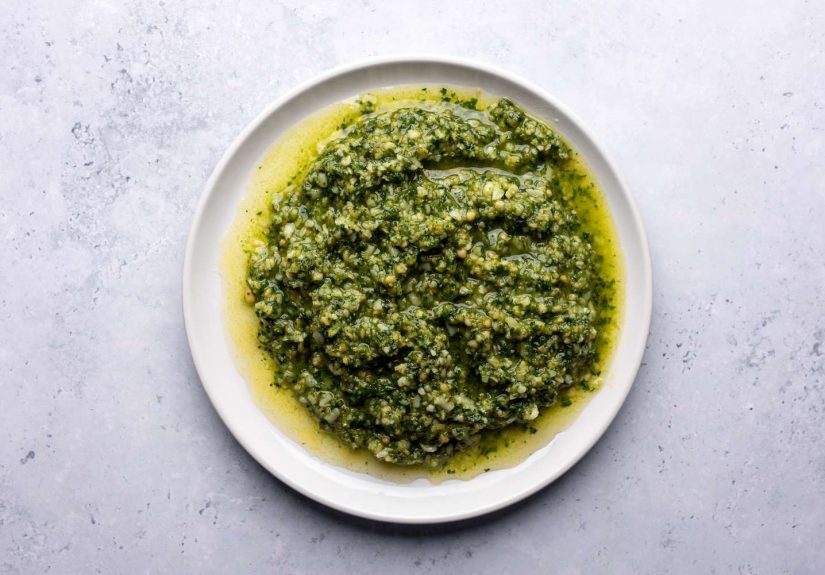
Basil pesto is a vibrant Italian sauce traditionally made by crushing basil, garlic, nuts, cheese, olive oil, and salt into a thick, aromatic paste. The classic style is associated with Genoa and Liguria, but the modern American kitchen has happily adopted it as a do-everything sauce. Translation: it is as welcome on a Tuesday night bowl of pasta as it is at a weekend dinner party where you want people to think you definitely have your life together.
The magic of pesto is balance. Fresh basil brings the perfume. Garlic brings the bite. Pine nuts add buttery richness. Parmesan or Pecorino adds salty depth. Olive oil ties it all together into something spoonable, glossy, and borderline irresistible. The end result tastes fresh but substantial, which is culinary code for “you will keep eating it straight from the spoon and pretending you are just checking the seasoning.”
Why This Basil Pesto Recipe Works
A great basil pesto recipe should be easy enough for a weeknight but good enough to make you suspicious of every sad supermarket tub you have ever bought. This version works because it respects the classic flavor profile while leaving room for real-life cooking. It uses fresh basil as the star, keeps the garlic in check, and builds richness with nuts, cheese, and extra-virgin olive oil.
It also gives you options. Want a smoother pesto? Blend a little longer. Want something chunkier and more rustic? Pulse lightly. Need a budget-friendly swap for pine nuts? Walnuts can step in without causing a family crisis. Want to toss it with pasta? Save a little pasta water to loosen the sauce so it clings instead of clumps. Basil pesto is flexible like that, which is one reason it remains a favorite homemade sauce year after year.
Basil Pesto Ingredients
The Core Ingredients
- Fresh basil leaves: Use tender, fragrant leaves with most of the thick stems removed. The fresher the basil, the brighter the pesto.
- Pine nuts: Traditional, buttery, and delicious. You can toast them lightly for deeper flavor.
- Garlic: Raw garlic gives pesto its signature kick. Start modestly if you do not want your sauce to dominate the room.
- Parmesan cheese: Finely grated Parmesan melts into the sauce and adds savory depth.
- Pecorino Romano: Optional, but fantastic for a sharper, saltier edge. You can use all Parmesan if you prefer.
- Extra-virgin olive oil: This is not the moment for mystery oil. Use one that tastes good on its own.
- Salt and black pepper: Enough to wake everything up, not enough to start a sodium scandal.
- Lemon juice: Optional. Not traditional, but useful for brightness if your pesto tastes heavy.
Ingredient Swaps That Still Taste Great
If pine nuts are expensive in your area, walnuts, almonds, pistachios, or even cashews can work. If you are out of Pecorino, stick with Parmesan. If your basil harvest is a little shy, you can supplement with parsley or spinach, though pure basil delivers the most classic flavor. Pesto can be traditional or flexible; both roads lead to a very good lunch.
Classic Basil Pesto Recipe
Ingredients
- 3 packed cups fresh basil leaves
- 1/3 cup pine nuts, lightly toasted if desired
- 2 garlic cloves
- 1/2 cup finely grated Parmesan cheese
- 2 tablespoons finely grated Pecorino Romano cheese
- 1/2 to 2/3 cup extra-virgin olive oil
- 1/2 teaspoon kosher salt, plus more to taste
- 1/4 teaspoon freshly ground black pepper
- 1 to 2 teaspoons lemon juice, optional
How to Make Basil Pesto
- Prep the basil: Wash and dry the basil thoroughly. Wet basil is the fastest route to watery pesto, and nobody needs that disappointment.
- Start the base: Add the pine nuts and garlic to a food processor. Pulse until finely chopped.
- Add basil and cheese: Add the basil, Parmesan, Pecorino, salt, and pepper. Pulse several times until everything is broken down.
- Drizzle in the oil: With the processor running, slowly pour in the olive oil until the pesto becomes smooth but still has some texture.
- Taste and adjust: Add more salt if needed. Stir in a little lemon juice if you want a brighter finish.
- Use or store: Toss immediately with hot pasta, spread on toast, swirl into soup, or refrigerate for later.
This recipe makes about 1 cup to 1 1/4 cups of basil pesto, depending on how much oil you use and how enthusiastic your cheese measuring becomes.
Tips for the Best Basil Pesto
1. Dry the Basil Well
Water dulls flavor and changes texture. After washing your basil, dry it really well with a salad spinner or clean kitchen towels. Basil pesto should taste lush, not like it just got out of a swimming pool.
2. Add the Olive Oil Gradually
Pouring in the oil slowly helps the pesto emulsify into a smoother, creamier sauce. Dumping it all in at once is not illegal, but it does make the texture less polished.
3. Do Not Overprocess
Some people love ultra-smooth pesto, but a little texture makes it feel fresh and handmade. Blend until cohesive, then stop before it turns into green wallpaper paste.
4. Taste Before You Serve
The right pesto should taste bright, savory, and balanced. If it feels flat, add a pinch of salt. If it feels heavy, add a small squeeze of lemon. If it tastes too sharp, another spoonful of cheese can round it out.
5. Keep It Green
Basil oxidizes quickly, which is a fancy way of saying it can turn less vibrant after exposure to air. To help preserve color, press plastic wrap directly onto the surface or pour a thin layer of olive oil over the top before storing. Some cooks also blanch basil briefly before blending for a brighter green pesto, though that changes the flavor slightly.
How to Use Basil Pesto
Yes, basil pesto and pasta are a dream team. But stopping there would be like buying a sports car and using it only to check the mail. This sauce has range.
- Toss it with hot pasta and a splash of pasta water
- Spread it on sandwiches, wraps, or burgers
- Spoon it over grilled chicken, shrimp, or salmon
- Swirl it into tomato soup or vegetable soup
- Use it as pizza sauce or a flatbread base
- Drizzle it over roasted potatoes or roasted vegetables
- Stir it into mayo, yogurt, or sour cream for a quick dip
- Add it to grain bowls, omelets, or scrambled eggs
Once you have homemade pesto in the fridge, meals start getting suspiciously easier. One small jar can turn “I guess I will eat leftovers” into “wow, this is actually excellent.”
How to Store and Freeze Basil Pesto
Store basil pesto in an airtight container in the refrigerator for up to 4 days. To help it stay fresher, smooth the top and add a thin film of olive oil before sealing. That extra layer acts like a tiny flavor bodyguard against air exposure.
For longer storage, freeze pesto in small portions. Ice cube trays are perfect for this. Once frozen, transfer the cubes to a freezer-safe bag or container. Then you can thaw exactly what you need for a quick pesto pasta, a sandwich spread, or a last-minute flavor boost on roasted vegetables. Future you will be thrilled, and present you will feel annoyingly efficient.
Common Basil Pesto Mistakes to Avoid
Using Tired Basil
If the basil is wilted, bruised, or darkened, your pesto will never taste as fresh as it should. Start with good leaves, and you are halfway there.
Adding Too Much Garlic
Garlic is essential, but it should support the basil rather than bully it. Start with two cloves, then adjust based on taste and size.
Skipping the Cheese Quality Check
Pre-shredded cheese often contains anti-caking agents that affect texture. Freshly grated Parmesan melts in better and gives the pesto a smoother finish.
Forgetting the Pasta Water
When serving pesto with pasta, loosen it with a splash of hot pasta water. This helps the sauce coat the noodles instead of sitting in grumpy little clumps.
Serving Ideas for a Full Meal
If you want to build a meal around this basil pesto recipe, start with pasta such as linguine, spaghetti, trofie, fusilli, or farfalle. Add grilled zucchini, cherry tomatoes, green beans, or roasted mushrooms. For protein, try rotisserie chicken, grilled shrimp, white beans, or mozzarella pearls. A little extra Parmesan on top and dinner suddenly looks like a smart life choice.
You can also make a simple pesto toast with sourdough, ricotta, sliced tomatoes, and cracked black pepper. Or fold pesto into warm potatoes with green beans for a side dish that somehow feels both rustic and elegant. It is hard to be bored when basil pesto is involved.
Conclusion
A truly good basil pesto recipe does not need a dramatic backstory or a long ingredient list. It needs fresh basil, balanced seasoning, a little patience, and the wisdom to know when to stop blending. Once you make it from scratch, you understand the appeal immediately. The flavor is brighter, the texture is silkier, and the whole thing tastes alive in a way jarred pesto rarely manages.
Whether you are making pesto for a quick weeknight dinner, preserving a garden basil haul, or looking for one homemade sauce that can do the work of five condiments, this recipe earns its spot in regular rotation. It is simple, flexible, and deeply satisfying. Also, it makes your kitchen smell like you have excellent taste, which is not nothing.
Kitchen Experiences: What You Learn After Making Basil Pesto Again and Again
The first time many people make basil pesto, it feels almost suspiciously easy. You toss in basil, nuts, garlic, cheese, and oil, press a button, and a gorgeous green sauce appears like some kind of edible magic trick. Then you taste it and realize two things immediately: first, homemade pesto is wildly better than most store-bought versions; second, you are now the kind of person who will start judging bunches of basil at the grocery store with unnecessary confidence.
One of the most common basil pesto experiences is discovering just how fast it disappears. You make a generous batch thinking it will last several meals, then somehow it ends up on pasta at lunch, on toast in the afternoon, and inside a sandwich at dinner. The next morning, there is one lonely spoonful left in the container, which is obviously not enough for a real recipe but definitely enough to justify standing in front of the fridge with a cracker.
Another real-life lesson is that basil pesto changes with the mood of the kitchen. In summer, especially if you grow basil at home, making pesto feels practical and victorious. You trim back a giant basil plant, pile the leaves on the counter, and suddenly you are not just cooking, you are managing abundance. It feels efficient, seasonal, and just a little glamorous. In colder months, making pesto feels more like a rebellion against dull food. You buy basil, make a small batch, and instantly brighten a gray weeknight with one green, garlicky spoonful.
There is also the texture debate, which every frequent pesto maker eventually develops strong opinions about. Some days you want it silky and smooth so it glides over hot noodles. Other days you want it a bit rustic, with tiny bits of basil and nuts still visible, because it feels more handmade and lively. Neither version is wrong. In fact, one of the best experiences tied to a basil pesto recipe is realizing that you can stop chasing perfection and start cooking to match the meal in front of you.
You also learn that pesto is more than pasta sauce. It becomes a backup plan, a flavor booster, and occasionally a dinner-saving emergency tool. Stir it into mayonnaise and suddenly sandwiches are better. Spoon it over roasted vegetables and suddenly leftovers are interesting. Add it to scrambled eggs and suddenly breakfast has ambition. Once you get used to having pesto around, it starts showing up in meals the way hot sauce or butter does: casually, often, and with excellent results.
Maybe the most charming part of the basil pesto experience is that it feels homemade in the best possible way. It is not fussy, but it tastes personal. It says, “Yes, I made this,” without requiring a full-day kitchen project or seventeen specialty ingredients. And that is probably why this sauce keeps earning repeat appearances in home kitchens. Basil pesto delivers maximum flavor, minimum drama, and just enough elegance to make even a simple bowl of pasta feel like a tiny event.