Table of Contents >> Show >> Hide
Protein has become the main character of the nutrition world. It’s on
cereal boxes, snack bars, coffee drinks, and even water (yes, protein
water is a thing now). But with so many “high-protein” labels shouting at
you from the shelves, it’s fair to ask: which protein sources are actually
good for you, and which ones are just good at marketing?
The truth is, not all protein is created equal. Some protein foods deliver
high-quality amino acids plus helpful nutrients like fiber and healthy
fats. Others show up dressed in saturated fat, sodium, and preservatives
that your body definitely didn’t order. Understanding the best and
worst sources of protein can help you build meals that support
muscle, metabolism, and long-term healthwithout turning every snack into
a science experiment.
Why Protein Matters (And How Much You Actually Need)
Protein is made up of amino acids, often called the “building blocks” of
your body. You use them to:
- Build and repair muscles, organs, skin, and hair
- Support immune function and hormone production
- Help you feel full and satisfied after meals
- Maintain strength as you age
Most adults need at least about 0.8 grams of protein per kilogram
of body weight per day (about 0.36 grams per pound). That works
out to roughly 54 grams for a 150-pound person. Active people, older
adults, and those recovering from illness or surgery often benefit from
morecloser to 1.0–1.2 grams per kilogram, sometimes higher as advised by
a healthcare provider.
The trick isn’t only hitting your daily protein goal; it’s choosing
high-quality sources of protein that support your heart,
gut, and long-term health. Let’s start with the all-stars.
The Best Sources of Protein
1. Lean Poultry (Chicken and Turkey)
Lean chicken and turkey breast are classic high-protein choices for a
reason. A small 3-ounce serving of cooked chicken or turkey can offer
around 20–26 grams of protein with relatively little saturated fat. When
you bake, grill, roast, or sauté them (instead of deep-frying), you get:
- High protein per calorie
- Helpful nutrients like B vitamins and minerals
- Very versatile options for salads, bowls, tacos, and soups
For a heart-friendlier plate, choose skinless poultry and avoid drowning
it in heavy, creamy sauces. Think herb rubs, olive oil, citrus, and lots
of veggies on the side.
2. Fish and Seafood
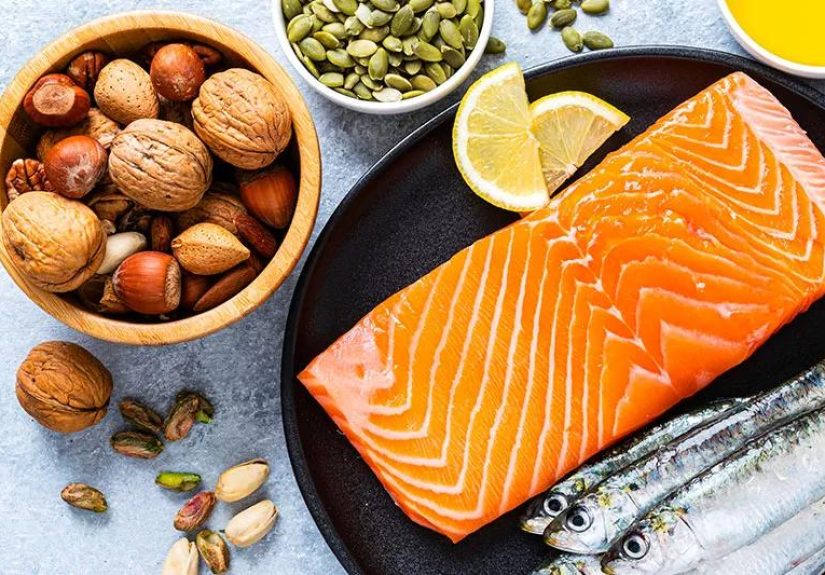
Fish gives you plenty of protein plus extra perks. Fatty fish like salmon,
sardines, trout, and mackerel provide omega-3 fatty acids, which support
heart and brain health. Lean fish, such as cod or tilapia, still deliver a
solid protein boost with fewer calories.
A typical 3-ounce portion of fish offers around 18–25 grams of protein.
Canned tuna or salmon is especially convenient for quick lunches. Just be
mindful of:
- Added sodium in canned optionslook for “low-sodium” versions
- Mercury content in certain fish (like tuna)rotate with other seafood
3. Eggs
Eggs are a nutrient powerhouse in a shell. Each large egg provides roughly
6–7 grams of high-quality protein, along with choline (good for brain and
nerve function), vitamin B12, and other micronutrients.
For most healthy people, eating eggs in moderation can fit into a balanced
diet. If you have high cholesterol or heart disease risk, your healthcare
provider or dietitian can help tailor how often eggs make sense for you.
4. Fermented and Low-Fat Dairy (Greek Yogurt, Cottage Cheese, Kefir)
Dairy can be one of the best protein sources when you
choose wisely. Greek yogurt and cottage cheese, in particular, are rich in
protein and relatively low in sugar (as long as you skip the dessert-style
versions loaded with sweeteners).
Examples:
- 1 cup of plain Greek yogurt: often 15–20+ grams of protein
- 1/2 cup cottage cheese: around 12–14 grams of protein
- 1 cup kefir: usually 8–11 grams of protein plus probiotics
These make great breakfasts and snacks when combined with fruit, nuts, and
seeds for extra fiber and healthy fats.
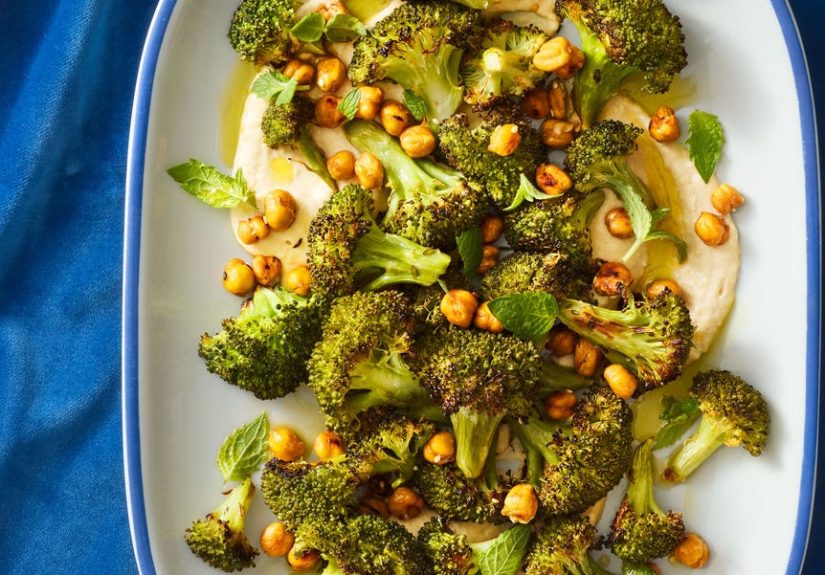
5. Beans, Lentils, and Other Legumes
Beans, lentils, chickpeas, and peas do double duty: they provide protein
and fiber. A cup of cooked lentils can deliver around 18 grams of
protein, while black beans, kidney beans, and chickpeas often clock in
around 14–15 grams per cup.
Why they’re standout:
- They help manage blood sugar thanks to their fiber content.
- They support gut health and keep you full longer.
- They’re budget-friendly and incredibly versatile.
Toss beans into salads, blend them into dips, or make hearty soups and
chilis. Your future self (and your grocery budget) will thank you.
6. Soy Foods (Tofu, Tempeh, Edamame)
Soy is one of the few complete plant proteins, meaning it
naturally contains all nine essential amino acids your body can’t make on
its own. Foods like tofu, tempeh, and edamame often provide 15–30 grams of
protein per cup, depending on firmness and preparation.
Despite myths, moderate soy intake is considered safe for most people and
is associated with benefits like improved heart health when used in place
of red and processed meats. Choose minimally processed soy products and
pair them with vegetables, whole grains, and healthy fats.
7. Nuts and Seeds
Nuts and seeds pull triple duty: they offer plant protein, heart-healthy
fats, and fiber. Some good options include:
- Almonds
- Walnuts
- Pumpkin seeds (pepitas)
- Sunflower seeds
- Chia seeds and hemp seeds
They’re energy-dense, so a little goes a long waygreat as a topping for
oatmeal, yogurt, or salads. Chia and hemp seeds, especially, add a nice
protein boost with minimal effort.
8. Whole Grains and “Protein-Smart” Carb Combos
Whole grains such as quinoa, farro, barley, and oats provide more protein
than refined grains, plus fiber and minerals. On their own, they may not
be complete proteins, but when you combine:
- Rice with beans
- Whole-grain bread with nut butter
- Pita with hummus
you end up with a complete amino acid profile over the course of the day.
You don’t have to mix them in the same bite; your body can “assemble” the
amino acids from different meals.
The Worst (or Less-Than-Ideal) Sources of Protein
So what about protein sources that come with strings attached? These foods
may contain protein, but they also bring along ingredients that, when
eaten often and in large amounts, can work against your health goals.
1. Processed Meats (Hot Dogs, Bacon, Sausage, Deli Meats)
Processed meats are the classic “wolf in protein’s clothing.” Yes, they
contain proteinbut they also usually include:
- High levels of sodium
- Saturated fats
- Nitrates and nitrites
- Other preservatives and additives
Regularly eating processed meats has been linked with a higher risk of
certain cancers, especially colorectal cancer, as well as heart disease.
These meats are best treated as an occasional indulgence (think “holiday
brunch bacon,” not “everyday breakfast basic”).
2. Large Amounts of Red Meat (Especially Fatty Cuts)
Lean cuts of beef or pork can fit into a balanced diet now and then, but
diets heavy in red meatespecially fatty cuts and large portionsare
associated with higher risks of heart disease and some cancers.
If you enjoy red meat, consider:
- Choosing leaner cuts (like sirloin or tenderloin)
- Keeping portions smaller (about the size of a deck of cards)
- Limiting how often it shows up on your weekly menu
And when you can, swap red meat for fish, poultry, or plant-based
proteins.
3. Deep-Fried Protein Foods
Fried chicken, breaded fish sticks, and cheese curds may technically
qualify as protein sourcesbut they’re often loaded with refined flour,
industrial oils, and excess calories. The frying process can create
unhealthy fats and compounds that don’t support heart health.
Enjoying these foods once in a while is fine for most people, but they
shouldn’t be your primary protein strategy. Think “treat,” not “Tuesday
habit.”
4. Sugary “Protein” Snacks and Drinks
Protein bars, shakes, cookies, and cereals can range from legit helpful to
candy bars wearing gym clothes. Many are:
- High in added sugars or sugar alcohols
- Loaded with artificial flavors and sweeteners
- Low in fiber and micronutrients
If you use protein bars or shakes, treat them as a backup plan, not a
primary food group. Look for short ingredient lists, limited added sugar,
and at least several grams of fiber if possible.
5. Highly Processed Protein Meats and Patties
Some meat-based and plant-based “protein patties” (including certain
burger substitutes and nuggets) can be helpful transitional foods, but
many are ultra-processed. They may contain:
- High sodium
- Refined oils
- Additives and flavor enhancers
When possible, choose options made from recognizable ingredients like
beans, lentils, whole soy, vegetables, and whole grains. A homemade
black-bean burger is very different from a mystery-meat patty.
6. Cheese in Large, Frequent Amounts
Cheese does contain protein, but it’s also high in saturated fat and
sodium. That doesn’t mean you need to break up with pizza forever, but it
does mean cheese shouldn’t be your main protein source at every meal.
Use cheese more like a flavor enhancer than the main eventsprinkled on
top of veggies, salads, or whole-grain dishes rather than covering
everything in sight.
How to Build a Protein-Smart Plate
Knowing the best and worst sources of protein is useful,
but how do you put it into practice without carrying a spreadsheet to the
grocery store? Here’s a simple approach.
Step 1: Start with a High-Quality Protein Base
For each meal, choose one main protein:
- Breakfast: Greek yogurt, eggs, or tofu scramble
- Lunch: Beans and quinoa bowl, tuna salad, or grilled chicken salad
- Dinner: Baked salmon, lentil stew, stir-fried tofu, or turkey chili
Step 2: Add Plants. Lots of Them.
Half your plate should be vegetables and fruits when possible. They bring
fiber, antioxidants, and colors that make your meal look like a Pinterest
board instead of a beige mood.
Step 3: Include Whole Grains or Starchy Vegetables
Whole grains like brown rice, quinoa, barley, and oats help round out your
amino acid profile and keep your energy steady. Potatoes, sweet potatoes,
squash, and corn can also play a supporting role.
Step 4: Use Healthy Fats as Accessories
Add a little healthy fat from olive oil, avocado, nuts, or seeds. This
helps with nutrient absorption and keeps you satisfied longer.
Step 5: Treat “Worst” Protein Sources as Occasional Guests
You don’t have to banish bacon and burgers forever (unless your doctor
says otherwise). But letting them be occasional visitorsrather than
permanent roommatescan help you lower your risk of chronic disease over
time.
Putting It All Together: Best vs. Worst at a Glance
Generally “Best” or Better-For-You Protein Sources
- Fish and seafood (especially fatty fish like salmon)
- Skinless chicken and turkey
- Eggs (in moderation as advised for your health needs)
- Beans, lentils, chickpeas, peas
- Soy foods like tofu, tempeh, and edamame
- Nuts and seeds
- Greek yogurt, cottage cheese, and kefir (especially plain, low-sugar varieties)
- Whole grains, especially combined with legumes or nuts
Generally “Worst” or Less-Healthy Protein Sources
- Processed meats: hot dogs, bacon, sausage, many deli meats
- Large, frequent servings of fatty red meats
- Deep-fried protein foods (fried chicken, fish sticks, etc.)
- Protein snacks and drinks with lots of added sugar or additives
- Highly processed meat or faux-meat patties heavy in sodium and refined oils
- Heavy, frequent cheese-based meals as your primary protein
Real-Life Experiences with Choosing Protein Wisely
It’s one thing to read lists of “best and worst protein sources” and
another to actually change what’s on your plate. In real life, protein
choices are wrapped up in habits, culture, family favorites, and how much
time you have between work, kids, and that one plant you’re trying not to
kill.
Imagine someone who grew up in a household where dinner almost always
meant something like burgers, hot dogs, or a big steak. Those meals might
feel cozy and familiar, but over time they can add up to higher saturated
fat and processed meat intake than most health guidelines recommend. When
this person decides to improve their diet, the idea of swapping out
long-loved foods can feel like a personality change instead of a simple
menu tweak.
A practical approach many people find helpful is to start with one
meal at a time. For example, instead of going from steak three
times a week to zero, they might:
- Keep steak on the menu once a week, but choose a leaner cut and a smaller portion.
- Swap the other two red-meat nights for grilled chicken or baked salmon.
- Experiment with a bean-based chili or lentil soup on nights when they want something hearty.
Over a few weeks, they often notice they feel lighter after meals, less
“food-coma” tired, and more satisfied when the plate includes beans,
vegetables, and whole grains. Changes in energy can be a powerful
motivatorsometimes even more than numbers on a lab report.
Another common scenario: the “protein bar and coffee” person. Mornings are
busy, so it’s easy to grab a bar that promises 20 grams of protein and
call it a win. The problem? Some of those bars are more like candy bars
with extra marketing. People in this pattern often notice mid-morning
crashes or cravings for something sweet, which can turn into grazing all
day.
When they switch to something like:
- Plain Greek yogurt with berries and a sprinkle of nuts, or
- A veggie omelet with whole-grain toast, or
- Overnight oats with chia seeds and peanut butter
they’re still getting plenty of protein, but also fiber, healthy fats, and
slower-burning carbs. Many people report steadier energy in the morning,
less “random snacking,” and better focus.
For those trying to eat more plant-based, the learning curve can be a bit
different. At first, it’s easy to end up with lots of pasta, bread, and
salad but not enough protein. Someone might say, “I tried going plant-based
but I was hungry all the time,” and then discover they were barely eating
any beans, lentils, tofu, or nuts.
A simple shift might involve:
- Adding chickpeas or lentils to pasta dishes and salads
- Trying tofu stir-fries with colorful vegetables and brown rice
- Keeping hummus, edamame, and roasted chickpeas around for snacks
Once plant-based eaters consistently include these protein-rich foods,
they usually feel more satisfied, and concerns about hunger fade. It’s not
that plant-based diets “don’t work”it’s that plant-based diets still need
adequate protein sources.
Finally, many people find it helpful to think less about perfection and
more about patterns. If most of your weekly protein comes
from fish, poultry, beans, lentils, soy, nuts, seeds, and yogurt, and you
sprinkle in small amounts of red meat or processed meats as rare treats,
you’re already doing a lot for your long-term health. You don’t need to
track every gram or feel guilty about the occasional burger; you just need
your overall protein pattern to lean more toward the “best sources” side
of the list.
At the end of the day, “best and worst sources of protein” isn’t about
moral judgment on foodsit’s about giving your body more of what helps it
thrive and less of what wears it down. If you can consistently choose
higher-quality protein most of the time, you’ll be stacking the odds in
favor of better energy, stronger muscles, and a healthier future.