Table of Contents >> Show >> Hide
- Who Were Bonnie and Clyde, Really?
- Ranking the Biggest Bonnie and Clyde Myths
- Ranking the Best Screen Versions of Bonnie and Clyde
- Public Opinion: How People Rank Bonnie and Clyde Themselves
- How to Form Your Own Rankings and Opinions
- Conclusion: Where Do Bonnie and Clyde Rank in History?
- Experiences and Reflections Around Bonnie and Clyde Rankings and Opinions
Few crime couples have lived rent-free in pop culture’s brain as long as Bonnie Parker and Clyde Barrow.
Nearly a century after their 21-month crime spree, we’re still ranking their movies, debating whether they
were folk heroes or cold-blooded killers, and lining up to see their bullet-riddled “death car” on display.
So let’s do what the internet does best: make a big, opinionated list and back it up with history.
In this guide to Bonnie and Clyde rankings and opinions, we’ll look at how historians,
critics, and fans stack up the real outlaws, their on-screen versions, and their complicated legacy.
Spoiler: the truth is a lot less glamorous than Hollywood would like you to believe.
Who Were Bonnie and Clyde, Really?
Before we rank anything, we need the basics. Bonnie Parker and Clyde Barrow were Depression-era outlaws
whose Barrow Gang robbed gas stations, small banks, and stores across Texas, Oklahoma, New Mexico, Missouri,
and nearby states in the early 1930s. They were suspected in multiple murders, including law enforcement
officers, and became a national obsession as newspapers splashed their photos across front pages.
The Crime Spree, Not the Fairy Tale
The real story is messy. This wasn’t glamorous grand-scale heisting with jazz music playing in the background.
Historical records describe a string of robberies, stolen cars, kidnappings, and shootouts that left a trail
of trauma. Law enforcement finally ambushed the pair in May 1934 on a rural road in Louisiana, firing
dozens of rounds into their Ford V-8 and ending one of the most intense manhunts of the era.
They weren’t robbing big banks to redistribute wealth to poor families; they were mostly hitting small
businesses for survival cash. That distinction matters when we start ranking whether they were “rebels
against a broken system” or simply “dangerous criminals who liked fast cars.”
The Folk-Hero Glow vs. the Official Record
From the official perspective think law enforcement files and court records Bonnie and Clyde were
unambiguously violent felons: armed, dangerous, and responsible for multiple deaths. Meanwhile, significant
portions of the public saw something different: two young, stylish lovers taking on an unfair economic system.
During the Great Depression, resentment of banks and authorities was sky-high, and Bonnie’s poems and
carefully posed photos helped shape a more romantic narrative.
That tension official villain vs. cultural antihero sits at the center of modern
Bonnie and Clyde opinions. It’s also why rankings of films, books, and documentaries
can look wildly different depending on whether the writer prioritizes historical accuracy or dramatic vibes.
Ranking the Biggest Bonnie and Clyde Myths
Let’s rank a few of the most common myths from “harmless folk heroes” to “okay, absolutely not.”
Myth #1: They Were Glamorous Robin Hood-Style Outlaws
Ranking: 1/10 for accuracy
The Robin Hood comparison looks good on a T-shirt but falls apart under scrutiny. They weren’t
robbing big banks to fund social justice; they were supporting themselves and their gang. Victims
were often small-town businesses and everyday people the same kinds of folks also devastated by
the Depression. The myth survives because “sexy bandits vs. big banks” is a stronger story hook
than “stressed twenty-somethings living out of a stolen car and eating cheap sandwiches.”
Myth #2: Bonnie Was Just Along for the Ride
Ranking: 3/10 for accuracy
Early coverage sometimes painted Bonnie as a passive girlfriend or even a hostage, but historical
accounts show she chose to stay with Clyde, even after arrests, injuries, and escalating violence.
Did she fire weapons in every confrontation? Not always clear. Did she know exactly what they were doing?
Very much yes. Reducing her to a “tag-along” ignores her agency and the gender norms of the 1930s that
made a gun-toting woman especially shocking and especially interesting to newspapers.
Myth #3: They Lived Like Movie Stars on the Run
Ranking: 2/10 for accuracy
Hollywood loves the champagne-and-convertibles version. Real life was more like: cramped car, constant
fear, cheap food, and improvised medical care. Accounts of their day-to-day life talk about canned meat,
quick bites in roadside cafes, and the occasional home-cooked meal from sympathetic farm families.
It was adrenaline-filled, yes, but also exhausting, filthy, and unstable.
Myth #4: Everyone Loved Them
Ranking: 4/10 for accuracy
They were polarizing even in their own era. Some locals admired their defiance or quietly helped them;
others were terrified. Newspapers sometimes glamorized them, but they also printed images of dead officers,
grieving families, and crime scene carnage. The “everybody loved Bonnie and Clyde” narrative is largely
a retroactive simplification that ignores just how dangerous they really were.
Ranking the Best Screen Versions of Bonnie and Clyde
When people talk about Bonnie and Clyde rankings, they often mean movies and TV shows.
The same pair of outlaws has inspired serious dramas, TV miniseries, documentaries, and even wild horror mashups.
Here’s a ranked look at the most influential screen portrayals.
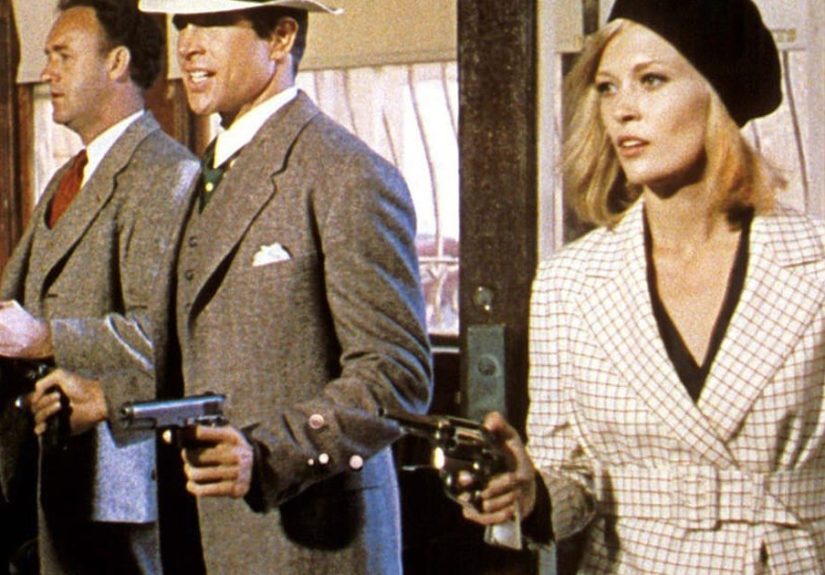
1. “Bonnie and Clyde” (1967) – The Untouchable Classic
If you’re ranking Bonnie and Clyde movies, this one sits on the throne and probably welded itself there.
Directed by Arthur Penn and starring Warren Beatty and Faye Dunaway, the 1967 film is widely credited with
helping kick off the New Hollywood era. It mixed romance, comedy, and shocking violence in a way that
jolted audiences and divided critics when it debuted.
Over time, the film moved from “controversial” to “canon.” It earned multiple Academy Award nominations,
won Oscars for acting and cinematography, and later landed on lists of the greatest American films of all time.
For many viewers, this movie is the default mental image of Bonnie and Clyde: stylish, doomed, and framed
in slow-motion bullet impacts.
Accuracy score? Not perfect. Emotional impact and cinematic importance? Off the charts. If you only watch one
version, make it this one but treat it as a cultural artifact, not a documentary.
2. TV Miniseries and “Based on a True Story” Dramas
Various TV productions and miniseries have tried to re-balance the scales by injecting more historical detail
and less glamour. These versions often emphasize the violence and the fear they inspired, as well as the impact
on victims and families. They tend to rank lower in pure pop-culture visibility but higher in “okay, this feels
more like what actually happened.”
If you’re the type who shouts “that’s not historically accurate” at the screen, these dramatizations might
rank higher on your personal list than the 1967 film.
3. Documentaries and True-Crime Specials
Documentaries sit near the top for viewers who care most about facts. They pull from law enforcement archives,
contemporary newspaper reports, personal letters, and interviews with historians. They’re less cinematic and
more “here is what we can actually verify.”
On a Bonnie and Clyde opinion spectrum, documentaries usually tilt toward: “romantic legend aside,
these were violent criminals operating in a brutal era.” They can be sobering after you’ve watched the more
glamorous dramatizations.
4. Offbeat Spin-Offs and Genre Mashups
Then you have the deep-cut entries: low-budget films, horror mashups, crime capers that borrow the
“dangerous couple on the run” template, and stories that name-drop Bonnie and Clyde for instant edge.
They rarely aim for accuracy they’re using the brand. Think of them as fan fiction with a budget and varying
levels of taste. Fun? Sometimes. Historically important? Not really.
Public Opinion: How People Rank Bonnie and Clyde Themselves
If we had to rank the main ways people see Bonnie and Clyde today, three big categories emerge:
1. Folk Heroes of the Great Depression
In this view, they’re tragic lovers pushed into crime by poverty and a ruthless financial system. Supporters
of this narrative emphasize corrupt banks, police abuses, and a rigged economy and cast Bonnie and Clyde
as reckless but relatable rebels who refused to play by the rules.
This perspective tends to romantically over-rank them as symbolic fighters against injustice. It’s emotionally
satisfying, but it downplays the fear and violence they imposed on ordinary people.
2. Dangerous Criminals Who Got Mythologized
This is the view more closely aligned with historical records and law-enforcement accounts. Here, Bonnie and
Clyde rank firmly in the “violent serial offenders” category. Their actions are not softened by cinematic charm
or snappy hats; they’re judged on robberies, killings, and the long list of victims.
From this angle, the fascination with them says more about our love of outlaw stories than about the couple
themselves. They become a case study in how media can transform real tragedy into thrilling myth.
3. Complicated, Flawed Human Beings in Over Their Heads
The middle-ground opinion is probably the most honest and the hardest to fit in a headline. In this view,
Bonnie and Clyde are neither noble folk heroes nor cartoon villains. They’re young adults making increasingly
terrible decisions in a desperate era, drawn into escalating violence they can’t (or won’t) escape.
This perspective ranks nuance above glamor. It’s less fun, but it’s more humane: you can acknowledge their
crimes and the pain they caused, while also recognizing their youth, the context of the Great Depression,
and the way sensational press coverage shaped how the world saw them.
How to Form Your Own Rankings and Opinions
With so many conflicting portrayals, how should you decide where you stand on Bonnie and Clyde?
1. Separate the Movie from the Mugshot
The 1967 film is incredible cinema, but it isn’t a sworn affidavit. If you love the movie (and many critics
and viewers absolutely do), that doesn’t mean you have to endorse the behavior it depicts. Think of it as a
story inspired by real people, not a complete biography.
2. Look at Who’s Telling the Story
Law enforcement, journalists, historians, locals, fans, and filmmakers each bring their own agenda and
emotional lens. A tourism company may highlight the romantic legend to sell tours; a historian may emphasize
casualty counts and court documents. Ranking sources from most romantic to most rigorous can help you sort
legend from fact.
3. Ask What We’re Really Fascinated By
Our obsession with Bonnie and Clyde isn’t just about them; it’s also about us. The couple hits a potent mix
of themes: forbidden love, rebellion, youth, violence, and media spectacle. When you rank Bonnie and Clyde
in your own mind, you’re also ranking what you value freedom, loyalty, justice, survival, or drama.
Conclusion: Where Do Bonnie and Clyde Rank in History?
In the grand list of American cultural icons, Bonnie and Clyde occupy a strange double slot. As historical
figures, they rank among the more notorious Depression-era criminals dangerous, heavily armed, and ultimately
taken down in a hail of bullets. As pop-culture characters, they rank far higher: stylish antiheroes,
forever driving into the sunset, even though we know exactly how the road ends.
Maybe the most responsible way to think about them is to hold both truths at once. You can appreciate the
artistry of the films and the intrigue of the legend while staying clear-eyed about the suffering that fuels
the story in the first place.
meta_title: Bonnie and Clyde Rankings and Opinions
meta_description: Explore Bonnie and Clyde rankings, movies, and opinions from outlaw myths
to real history behind the legendary crime couple.
sapo:
Bonnie and Clyde may have died in 1934, but our fascination with them is still very much alive. This in-depth
guide to Bonnie and Clyde rankings and opinions breaks down the real history behind the infamous crime couple,
debunks their biggest myths, and reviews their most influential movie and TV portrayals. Along the way, you’ll
see how critics, fans, and historians rank Bonnie and Clyde as criminals, cultural icons, and complex human
beings and get practical tips for forming your own informed, nuanced opinion about their dark yet strangely
magnetic legacy.
keywords: Bonnie and Clyde rankings, Bonnie and Clyde opinions, Bonnie and Clyde movies,
Bonnie and Clyde history, Bonnie and Clyde legacy, Bonnie and Clyde film, Depression-era outlaws
Experiences and Reflections Around Bonnie and Clyde Rankings and Opinions
Rankings and opinions don’t live in a vacuum they’re shaped by real experiences people have with the Bonnie
and Clyde story. Talk to fans, travelers, or true-crime buffs, and you’ll hear a surprising range of personal
encounters that color how they judge the couple.
Some people describe their first encounter with Bonnie and Clyde as a late-night movie on TV. They remember
being pulled in by the charisma of Warren Beatty and Faye Dunaway, the banter, the fashion, and that shocking
slow-motion final scene. For them, the 1967 film becomes the gold standard, and every documentary or newer
dramatization gets unconsciously ranked against that first emotional hit. Even when they later learn more about
the real crimes, the film still holds a nostalgic top spot.
Others meet Bonnie and Clyde through travel, not television. Road-trip stories often include detours to
museums, roadside plaques, and exhibits featuring artifacts from the Barrow Gang’s life and death.
Visitors describe seeing bullet-riddled metal up close or reading gritty police reports under glass and
feeling their earlier romantic opinions shift. It’s one thing to see a stylized ambush in a movie;
it’s another to stand in front of a real car riddled with holes and imagine the noise, smoke, and fear
of that morning in 1934.
In classroom settings, especially film and history courses, Bonnie and Clyde rankings turn into full-blown
debates. One student might argue that the 1967 film belongs near the top of any “greatest American movies” list
because it changed Hollywood’s approach to violence and antiheroes. Another might push back that, while
cinematic, it glamorizes crime and deserves a lower ethical ranking. Professors often use the tension between
these views to teach media literacy: how we can admire craft while critically examining content.
True-crime communities add yet another layer of experience. People who regularly read case files, listen to
investigative podcasts, or dig through historical archives tend to rank the romantic legend much lower and the
raw facts much higher. They may share detailed timelines, victim stories, and lesser-known incidents from the
Barrow Gang’s travels, and their opinions often emphasize accountability and the human cost of crime. For them,
Bonnie and Clyde might not crack the top tier of “interesting cases” once the Hollywood glow fades.
Then there are casual observers who mostly encounter Bonnie and Clyde in memes, music lyrics, or social media
captions “We’re like Bonnie and Clyde” as shorthand for “ride-or-die couple with a bit of chaos.” In this
world, the names become symbols more than people. Their rankings are emotional, not historical: Bonnie and Clyde
stand for intensity, loyalty, and rebellion, even if the person using the reference couldn’t name a single real
robbery or victim.
All of these experiences museum visits, movie nights, classroom arguments, online discussions, and throwaway
pop-culture references quietly influence how the public ranks and judges Bonnie and Clyde. Someone who’s only
seen the movie is likely to give them a more sympathetic score. Someone who has stood in front of official
documents or crime-scene photos may rank them much lower as moral figures while still acknowledging their huge
pop-culture footprint.
The key takeaway? Your personal “Bonnie and Clyde rankings and opinions” are shaped by which version of their
story you’ve spent the most time with. If you want a more complete view, it’s worth stepping outside your usual
lane: watch the famous movie, but also try a documentary; enjoy the folklore, then read about the victims;
appreciate the costumes and cinematography, but pair that with a look at why the Great Depression made outlaw
stories so compelling in the first place.
When you combine those different experiences, you end up with a ranking system that’s more than just “cool
movie, iconic couple.” You see Bonnie and Clyde as complicated figures at the intersection of crime, economics,
media, and myth. And that deeper, more layered understanding is ultimately what makes your own opinions and
your place in the ongoing debate worth sharing.