Table of Contents >> Show >> Hide
Introduction:
The quest for stronger, more durable materials has been at the forefront of military and industrial applications for centuries. Historically, we’ve relied on metals, ceramics, and advanced polymers to create armor that can withstand high impacts. But in recent years, one unexpected material has piqued the interest of scientists and engineers: mother-of-pearl. Also known as nacre, this natural substance has long been admired for its beauty and luster. But could its unique properties also make it a game-changer in the world of armor? Let’s dive into the question: can mother-of-pearl make stronger armor?
What is Mother-of-Pearl?
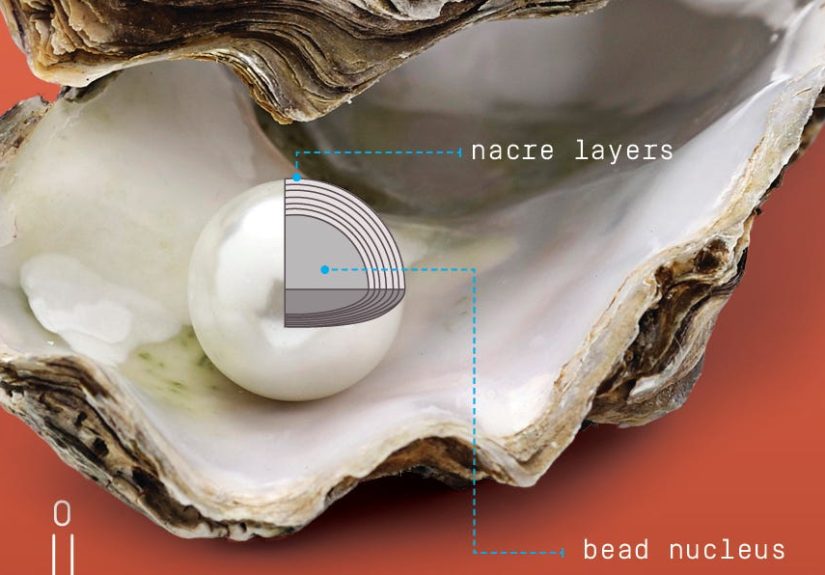
Mother-of-pearl, or nacre, is a naturally occurring substance found inside the shells of certain mollusks, such as oysters and abalones. It’s the material responsible for the iridescent shine that makes pearls so desirable. Nacre is composed of thin layers of aragonite (a form of calcium carbonate) and conchiolin (an organic protein). These layers are arranged in a brick-and-mortar structure, providing a unique combination of strength and flexibility.
Mother-of-pearl’s composition makes it exceptionally tough. The combination of hard aragonite and flexible conchiolin allows nacre to absorb and dissipate energy efficiently, making it highly resistant to cracking and breaking. This exceptional toughness, paired with its lightweight nature, has made it a subject of study for a range of engineering and material science applications.
Why Consider Mother-of-Pearl for Armor?
At first glance, using mother-of-pearl as armor material may seem strange. After all, it’s not the first thing that comes to mind when we think of protection against bullets or blasts. However, its fascinating properties suggest that it could have more potential than we think. Here’s why scientists are intrigued by mother-of-pearl’s potential use in armor:
1. Strength and Toughness
Mother-of-pearl is known for its extraordinary strength-to-weight ratio. Despite its lightness, nacre can withstand significant pressure and impact. For example, studies have shown that mother-of-pearl can absorb energy in a way that prevents cracking, which is a crucial property for materials used in armor. Traditional armor materials like steel or ceramic are known for their hardness but often suffer from brittleness. Nacre’s unique structure, however, allows it to flex slightly without cracking, making it potentially more durable than other materials in certain contexts.
2. Bio-Inspired Engineering
The study of natural materials like mother-of-pearl is a growing field known as biomimicry. Engineers often look to nature for inspiration in designing better materials and systems. The structure of nacre has inspired the development of composites that mimic its layered, tough design. Researchers are now exploring how to replicate or even enhance the properties of nacre in synthetic materials, which could then be used for armor applications.
3. Lightweight Protection
When it comes to armor, weight is a critical factor. Traditional body armor or vehicle protection systems often come with a significant weight penalty. This is where nacre could shine. As a naturally lightweight material, mother-of-pearl could provide protective benefits without adding excessive weight. This is especially important for applications where mobility is crucial, such as military personnel or vehicle design.
Mother-of-Pearl in Action: Current Research and Developments
Mother-of-pearl’s unique properties have caught the attention of material scientists and researchers across the globe. Some studies have focused on mimicking the nacre’s layered structure using synthetic composites. These synthetic versions aim to replicate the natural material’s toughness while being even more efficient for specific uses, such as armor.
For instance, scientists at various universities have been developing nacre-inspired materials by layering ceramic and polymer composites. These materials are not only stronger than traditional ceramics, but they also possess a degree of flexibility, which reduces the risk of catastrophic failure upon impact. Such composite materials could potentially be used for personal body armor or even as part of structural defense systems in vehicles or buildings.
Examples of Nacre-Inspired Armor
In recent years, several advancements in bio-inspired armor have been made. In some studies, materials combining nacre-like composites with high-performance polymers have demonstrated improved durability under extreme stress. These materials are being explored as alternatives to traditional hard armor plates that are commonly used in military and law enforcement applications. The results have been promising, with many believing that a well-engineered nacre-inspired composite could be the future of lightweight, high-strength armor.
The Potential of Nacre in Modern Armor
While mother-of-pearl may not replace traditional materials in all armor applications, its potential for specialized uses cannot be ignored. Nacre’s ability to absorb energy, resist cracking, and remain relatively lightweight makes it a contender for lighter, more flexible protective gear. We may one day see mother-of-pearl or nacre-inspired materials used in military armor, sports equipment, or even in the development of more resilient consumer goods.
Can Nacre Replace Traditional Armor Materials?
Despite all the potential, there are limitations to mother-of-pearl’s use in heavy-duty armor. It’s important to note that nacre’s inherent toughness comes from its natural structure, which might be difficult to replicate exactly on a large scale. While nacre-inspired composites show promise, they still require further development to ensure they meet the high-performance standards required in military or defense applications.
Furthermore, nacre’s primary strength is its ability to absorb energy in small-scale impacts. For massive impacts, such as high-caliber bullets or explosive forces, traditional armor materials like steel or titanium alloys might still be more suitable. However, nacre composites could supplement these materials by providing enhanced toughness in areas where flexibility and resistance to cracking are needed.
Conclusion: The Future of Nacre in Armor Technology
Mother-of-pearl, with its combination of strength, flexibility, and lightweight nature, holds great promise in the field of armor technology. While it may not replace traditional materials in all applications, its unique properties could lead to the development of innovative, bio-inspired armor systems. The combination of nacre-inspired composites and existing materials could result in armor that is not only more durable but also lighter and more flexible, improving the safety and mobility of soldiers, vehicles, and even civilians.
As research continues into the replication of mother-of-pearl’s layered structure and the development of synthetic versions, we can only imagine the possibilities this natural wonder might hold for the future of armor technology.
Related Experiences with Nacre and Armor Development
While nacre-inspired materials are still in the experimental phase, various industries are already considering their application in more niche fields. One of the most exciting areas of research has been in the development of protective gear for athletes, where the balance of flexibility and impact resistance is key. Imagine lightweight sports pads that provide the protection of traditional hard-shell equipment, but with greater comfort and mobility. If nacre-inspired materials can be scaled up, we may soon see them used in everyday products, from car bumpers to personal protective gear.
Furthermore, the cosmetic industry is also exploring nacre’s potential. Since it’s already known for its iridescent beauty, there’s a growing interest in using nacre as a natural additive in skin care products. The multi-layered structure of nacre, which mimics the appearance of healthy, youthful skin, has the potential to improve cosmetic formulations. This could create a cross-industry breakthrough where the beauty and utility of nacre aren’t just confined to armor but extend into personal care and aesthetics.
With all of these advancements, the future of nacre-inspired technology looks bright. As scientists continue to experiment and refine the properties of this natural material, we may find it revolutionizing not just armor, but a host of other industries as well.