Table of Contents >> Show >> Hide
- Quick Snapshot
- Why It’s Called “Case Study” (and Why That Matters)
- Product Anatomy: What the Alpine Bed Is Made Of
- The Case Study Setup: A Realistic Bedroom Scenario
- Fit, Dimensions, and Mattress Rules (The Unsexy Stuff That Matters Most)
- Delivery and Assembly: The “Is This a Two-Person Job?” Chapter
- Stability and Noise: The Real Test of “Luxury”
- Materials, Indoor Air, and Sustainability Notes
- Styling the Alpine Bed Without Overdoing It
- Cost and Value: Is the Alpine Bed Worth It?
- Who Should Buy the Case Study Alpine Bed?
- Bottom Line
- Experience Notes (500+ Words): Living With the Alpine Bed in the Real World
- SEO Tags
Some bed frames are basically a metal rectangle that quietly judges you for buying “one more throw pillow.”
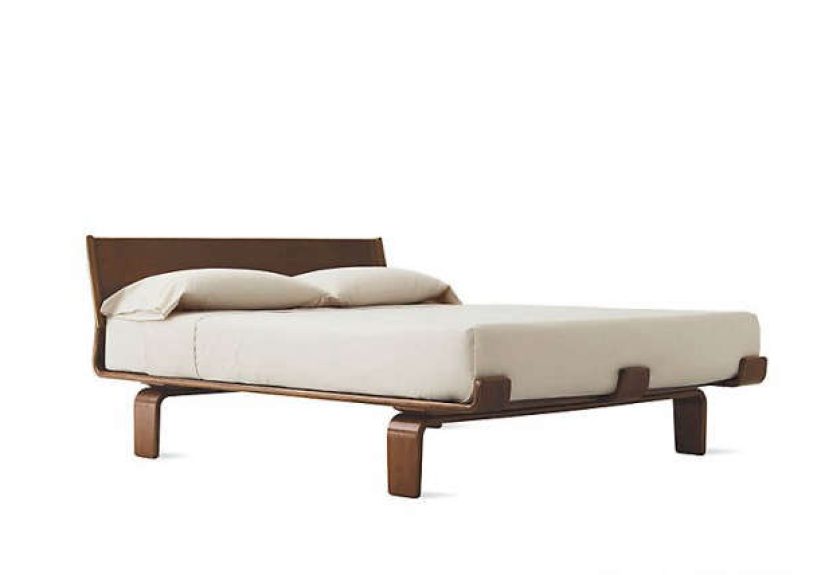
The Case Study® Furniture Alpine® Bed is not that. It’s a sculptural, bentwood platform bed
that looks like it belongs in a magazine spreadyet it’s engineered like a piece of sporting equipment:
layered wood, smooth curves, and a structure where the parts actually do real work (instead of just
showing up for the photos).
This article is a case studynot a hype parade. We’ll break down what makes the Alpine Bed different,
how it behaves in a real bedroom (delivery, assembly, mattress fit, noise, maintenance), and who should
consider it when shopping for a modern platform bed that’s meant to last.
Quick Snapshot
- Style: Mid-century modern, sculptural bentwood, clean lines, soft curves.
- Construction: Laminated hardwood “bentwood” structure with walnut or maple finishes.
- Design intent: Each component contributes to strength and stability (not just decoration).
- Profile: Low, grounded stance; platform height around the “easy-to-make-your-bed” zone.
- Best for: People who want a statement bed frame that doubles as engineering.
Why It’s Called “Case Study” (and Why That Matters)
“Case Study” isn’t just a cool name. It nods to the famous Case Study House Program, a mid-century
experiment in American residential design that aimed to make modernism practicalefficient plans, honest
materials, and repeatable solutions rather than one-off flexes. Think open layouts, clean geometry, and
a design language that’s simple on purpose.
The Alpine Bed borrows that mindset: a modern silhouette, minimal fuss, and a structural logic you can
actually see. Even if you don’t know a Case Study House from a case study in your group chat, you’ll feel
the same “built with intent” vibe the second you walk into the room.
Product Anatomy: What the Alpine Bed Is Made Of
The Alpine Bed is best known for its molded, layered-wood curves. Multiple reputable listings describe
it as a multi-ply laminated hardwood/bentwood build with rich veneer finishes. Modernica describes a
laminated North American maple core finished in walnut or maple veneer, while other industry listings
emphasize a higher layer count in key bentwood elements. Translation: this is not “a few boards and hope.”
It’s laminated wood shaped for strength, then finished to show off the grain.
Signature design details that affect real life
-
Angled headboard: The headboard leans back for supportmeaning you can read, scroll, or watch
TV without stacking pillows like you’re building a fort. -
Curved rails at the foot: A subtle curve helps keep the mattress from driftinguseful if you move
around in your sleep or if your mattress has a slicker cover. -
Platform support panels: Instead of typical slats, the Alpine uses large platform panels that drop
into groovescreating a more continuous support surface (and sidestepping the “slat spacing” rabbit hole).
The Case Study Setup: A Realistic Bedroom Scenario
To evaluate the Case Study Alpine Bed like a normal human (not a showroom mannequin), we’ll use a
realistic scenario:
- Room: A primary bedroom in a city homemoderate size, not a cathedral.
- Goals: Modern platform bed look, durable frame, comfortable headboard angle, minimal visual clutter.
- Constraints: Narrow hallway and stairs, no desire for a box spring, and a strong preference for “no squeaks.”
- Mattress: A high-quality foam or hybrid mattress (the common choice for platform bed owners today).
Decision criteria we used (and you should too)
- Structural integrity: Does it feel solid when you sit, shift, or flop?
- Noise control: Does it stay quiet after a few weeks of normal movement?
- Mattress compatibility: Will it support foam/hybrid without weird sag zones?
- Ease of assembly: Is setup reasonable, or does it require a PhD in Allen keys?
- Long-term practicality: Cleaning, moving, finish durability, and “does it still look good after laundry day?”
Fit, Dimensions, and Mattress Rules (The Unsexy Stuff That Matters Most)
The Alpine Bed is commonly offered in Queen and Standard King. Published dimensions across reputable
sources are consistent: a 36″ headboard height, with an overall length around 86″ and width scaling by size.
The platform height is roughly 12.5″, which keeps the profile modern while still feeling like a “real bed”
(not a mattress auditioning to be a floor cushion).
One key spec that affects your comfort: many listings note it fits mattresses up to about 10 inches thick.
That matters because the Alpine’s rails and foot curve can visually (and physically) “hold” the mattress.
If you prefer a plush, taller mattress, you’ll want to double-check how much mattress you want showing above
the frame. The Alpine looks best when the mattress and bedding feel intentionallike a tailored suit, not a
hoodie that’s two sizes too big.
Mattress pairing advice (practical, not preachy)
- Foam mattresses: Great match for platform supportespecially when the support surface is more continuous.
- Hybrid mattresses: Also a strong fit; you get a little bounce without needing a box spring.
- Mattress sliding: If your mattress shifts on the platform, add a thin nonslip mat between mattress and frame.
Delivery and Assembly: The “Is This a Two-Person Job?” Chapter
The Alpine Bed is a substantial piece. Expect a large, heavy shipment and plan your route: measure doorways,
stairs, turns, and the space where you’ll assemble. If your home has tight corners, delivery service level
matters. Many premium furniture deliveries offer curbside, inside delivery, and “white glove” optionsyour
back will have opinions on which one you choose.
Assembly realities
Assembly is straightforward but not mindless. The official instructions emphasize a smart approach:
start screws but don’t tighten everything immediately, align holes, then tighten after the structure is
seated. They also note that if holes don’t align, you may need to flex the rails slightly to align to the
headboardnormal for a precisely shaped bentwood frame.
- What you’ll assemble: Headboard + left/center/right rails + platform panels + leg supports.
- Pro tip: Leave screws slightly loose at first, then tighten once everything is aligned and settled.
- Do it calmly: Bentwood is strong, but forcing parts angrily is a great way to ruin your weekend.
Stability and Noise: The Real Test of “Luxury”
A premium bed frame should feel quiet and confident. The Alpine’s structural design aims for exactly that.
However, any bed with multiple joints can develop noise if hardware loosens over time or if the frame shifts
slightly on an uneven floor. Owner discussions online include occasional complaints about creaksespecially
in wood framesso it’s smart to treat noise-proofing as part of ownership, not a personal failure.
How to keep it quiet (without turning your bedroom into a hardware aisle)
- Re-tighten hardware: The boring fix is often the correct fix.
- Use felt or cork at contact points: Great for reducing friction noise where parts meet.
- Try beeswax (wood-friendly): A small amount can help on threads/contact points before tightening.
- Level the legs: If your floor is uneven, add discreet padding under the right leg(s).
The takeaway: the Alpine can be rock-solid, but like any high-end joinery-based frame, it rewards careful
assembly and an occasional “tighten and forget” maintenance check.
Materials, Indoor Air, and Sustainability Notes
If “what’s it made of?” matters to you beyond aesthetics, the Alpine Bed has a few points worth noting.
Modernica describes FSC-certified wood inputs, which signals responsibly managed forestry standards.
Other listings also reference compliance language associated with low formaldehyde emissions in engineered
wood components used for support panelsimportant for people who pay attention to indoor air quality.
None of this turns your bedroom into a nature preservebut it does mean the Alpine Bed fits well into a
“buy fewer, buy better” mindset, especially if you’re trying to avoid disposable furniture cycles.
Styling the Alpine Bed Without Overdoing It
The Alpine’s curves do a lot of visual work, so your best styling move is often restraint. Let the bed be the
hero, and let everything else be a strong supporting castnot a competing superhero franchise.
Simple styling formula
- Bedding: Crisp solid colors or subtle texture (linen, cotton percale) to highlight the wood grain.
- Rug: A soft, oversized rug to visually “anchor” the platform and keep mornings kinder to your feet.
- Nightstands: Rounded edges or simple slab silhouettesavoid anything too ornate near those curves.
- Lighting: Warm, directional bedside lamps to emphasize the headboard angle.
Cost and Value: Is the Alpine Bed Worth It?
The Alpine Bed sits in a premium price tier. Depending on retailer, era, and finish, published prices vary;
Modernica lists it in the several-thousand-dollar range, and older listings show lower historical pricing.
That swing isn’t unusual for design furniture over timematerials, labor, shipping, and domestic production
costs change.
The value question comes down to what you’re buying:
a bed frame as functional sculpture, made with layered bentwood craftsmanship, designed as an
“architectural” centerpiece. If you want a hidden-frame upholstered look, the Alpine won’t make sense.
If you want a platform bed that reads as designevery day, for yearsit starts to justify itself.
Who Should Buy the Case Study Alpine Bed?
Best fit
- Mid-century modern lovers who want a statement piece that still feels timeless.
- People who prefer platform beds and want a continuous support surface (especially for foam mattresses).
- Buy-it-once shoppers who care about materials, craftsmanship, and long-term durability.
Maybe not
- If you need a very tall mattress + thick topper stack (the “cloud bed” look), fit can get tricky.
- If you want under-bed storage bins, this isn’t a max-clearance storage platform.
- If you never want to tighten a screw again as long as you live, choose a simpler joinery systemor accept a little upkeep.
Bottom Line
The Case Study Alpine Bed succeeds because it’s not trying to be everything. It’s a modern, bentwood
platform bed built around curves, structure, and a very intentional silhouette. In a well-styled room, it
looks like design history got a good night’s sleep and woke up refreshed.
If you’re shopping for a “quietly impressive” platform bed frameone that brings both engineering and
aestheticsyou’ll understand the Alpine’s appeal fast. Just plan delivery carefully, assemble patiently, and
treat it like the heirloom-leaning piece it’s meant to be.
Experience Notes (500+ Words): Living With the Alpine Bed in the Real World
What does day-to-day life look like with a sculptural platform bed? The most useful feedback tends to be
wonderfully unglamorous: how it feels at 11 p.m. after a long day, whether the mattress stays put, and
how many times you mutter “who designed this stairwell?” during delivery.
In a composite “real-home” experience (based on common owner concerns and typical platform-bed behavior),
the first week is usually the honeymoon period. The bed looks incredibleespecially from the doorway,
where the curved headboard and rails read like art. Making the bed feels simpler than with a bulky box spring,
and the platform height hits a sweet spot: low enough to look modern, high enough to feel like a proper bed.
It also tends to photograph well, which is either a bonus or a sign you’ve become a person who photographs beds.
No judgment. We all have hobbies.
Week two is where practical habits appear. If you use a foam mattress, you may notice a little shifting over
time (foam can be lighter and “slicker” against certain surfaces). The fix is easy: a thin nonslip mat between
mattress and platform stops the slow-motion migration. Bedding choices matter too. The Alpine’s clean lines
love tidy layers: a fitted sheet that actually fits, a duvet with enough drape to soften the geometry, and maybe
one textured throw that says “I’m relaxed” without screaming “I live inside a catalog.”
Weeks three and four are the truth serum. If the frame is going to make noise, it usually shows up hereoften
from a joint that settled after the first few nights. The solution is rarely dramatic: re-tighten hardware, check
that the frame is level, and add a small buffer (felt/cork) where friction happens. This is not “the bed failing.”
It’s normal settling behavior for many multi-part frames. Think of it like breaking in a great pair of boots:
still excellent, just needs one quick adjustment so it behaves perfectly.
After the first month, owners who love the Alpine usually love it more, because the design becomes part of the
room’s identity. It’s the piece everything else can calm down around. That’s also when you notice the benefits
of the angled headboard: reading in bed feels supported without building a pillow mountain that collapses when
you shift. And because it’s a platform bed, you skip box-spring drama entirelyno squeaky base, no mystery
sag, no “why does the bed feel like a trampoline?” moment.
Long-term, the Alpine asks for one thing: treat it like real furniture. Keep liquids away from veneer, wipe dust
gently, and avoid dragging it across the floor when rearranging (lift with help; future-you will be grateful).
If you move homes, plan the move like you planned the delivery: protect edges, label hardware, and keep the
instructions. The reward is a bed that doesn’t feel disposable. It looks designed, feels intentional, and turns the
“bed frame” from a background object into the centerpiece it always wanted to be.