Table of Contents >> Show >> Hide
- Why Cedar-Plank Trout Works (And Why It’s Not Just a Social Media Trick)
- Ingredients
- Equipment
- Step-by-Step: Cedar Plank Whole Trout on the Grill
- 1) Get the right plank (please don’t “DIY” from a hardware-store 2×4)
- 2) Soak the cedar plank
- 3) Prep the trout: dry it, score it, season it
- 4) Stuff the cavity (this is where the magic happens)
- 5) Set up your grill for medium to medium-high heat
- 6) Preheat and toast the plank (aka: “wake up the cedar”)
- 7) Cook the trout on the plank
- Timing guide (use this as a starting point)
- 8) Rest, then serve (and accept compliments gracefully)
- Easy Serving Ideas: What to Pair With Cedar-Planked Trout
- Flavor Variations (Pick Your Personality)
- Troubleshooting: The Most Common Cedar Plank Trout Problems
- Food Safety & Storage (Quick But Important)
- Cedar Plank Whole Trout FAQ
- Experience Notes: What Making Cedar-Planked Trout Is Really Like (The Good, The Funny, The “Oops”)
- Conclusion
- SEO Tags
If you’ve ever wanted your grilled fish to taste like it just spent a long weekend at a fancy cabinfresh air, a hint
of campfire, and zero stressthis cedar plank whole trout recipe is the move. The plank acts like a
gentle heat shield, the cedar perfumes the fish with light smoky aromatics, and the whole trout stays juicy because
it’s basically steaming, roasting, and grilling at the same time. Show-off results, surprisingly low effort.
Below you’ll get a foolproof method (plus timing by fish size), flavor variations, troubleshooting, and the kind of
practical “learned it the hard way” tips that keep your plank from becoming a surprise bonfire.
Why Cedar-Plank Trout Works (And Why It’s Not Just a Social Media Trick)
Cedar planking is a classic grilling technique: you cook food directly on a soaked piece of hardwood, so the food
picks up a subtle wood aroma while the plank protects it from harsh direct flame. With troutnaturally delicate,
lean-ish, and quick-cookingthis is a huge advantage.
- Gentle smoke, not an ashtray: Cedar is aromatic but mild enough for fish.
- Less sticking: The fish isn’t glued to the grill grates (aka the usual heartbreak).
- Moister fish: The soaked plank releases steam as it heats, helping keep the trout tender.
- Built-in presentation: You can serve right on the plank if you want to feel fancy.
Ingredients
The Essentials
- 2 whole trout (12–16 oz each), cleaned and gutted (heads on or offyour vibe)
- 1 cedar grilling plank (food-safe, untreated), about 12–15 inches long
- 2 tbsp olive oil (plus a little more for the plank if desired)
- 1 tsp kosher salt (more to taste)
- 1/2 tsp black pepper
- 1 lemon, sliced into thin rounds
- 2–3 garlic cloves, thinly sliced
- Fresh herbs (dill, parsley, or thyme), about 1/4 cup loosely packed
Optional (But Highly Recommended) Flavor Boosters
- 2 tbsp butter, softened (or melted and brushed on at the end)
- 1 tsp Dijon mustard (for a tangy butter glaze)
- Pinch of chili flakes or smoked paprika (for gentle heat)
- 1 small fennel bulb, shaved thin (for a bright crunchy topping)
- 1 orange, segmented (for a citrusy, restaurant-style finish)
Equipment
- Grill with lid (gas or charcoal)
- Instant-read thermometer (strongly recommended for perfect doneness)
- Fish spatula or two sturdy spatulas
- Tongs
- Rimmed sheet pan or roasting pan (for soaking the plank)
- Spray bottle of water (your “anti-drama” tool)
Step-by-Step: Cedar Plank Whole Trout on the Grill
1) Get the right plank (please don’t “DIY” from a hardware-store 2×4)
Use a food-safe, untreated cedar plank made for grilling. Construction lumber may be treated or
contaminated, and nobody wants mystery chemicals in their dinner. Choose a plank big enough for your trout to lie
flat without hanging over the edges too much.
2) Soak the cedar plank
Submerge the plank in water for at least 1 hour. Weigh it down with a bowl or can if it floats.
Want extra aroma? You can soak in water with a splash of apple juice, wine, or beerjust keep it mostly water so it
actually absorbs moisture.
3) Prep the trout: dry it, score it, season it
Rinse the trout quickly under cold water and pat very dry (paper towels are your best friend here). Make
2–3 shallow diagonal slashes on each side. This helps the fish cook evenly and lets seasoning
penetrate.
Rub the outside and inside of the fish with olive oil. Season the cavity and the skin generously with salt and
pepper.
4) Stuff the cavity (this is where the magic happens)
Fill each trout with lemon slices, garlic, and herbs. Don’t pack it like a suitcase for a three-month tripairflow
helps heat circulate. If you’re using butter + Dijon, mix them and spread a thin layer over the skin before cooking
(or brush melted butter on right after).
5) Set up your grill for medium to medium-high heat
You’re aiming for a grill temperature of about 375–450°F. Two-zone heat is ideal:
- Gas grill: Turn one side to medium-high and leave the other side lower or off.
- Charcoal grill: Bank coals to one side so you have a hot zone and a cooler zone.
6) Preheat and toast the plank (aka: “wake up the cedar”)
Place the soaked plank on the grill grates, close the lid, and heat until it begins to smoke and lightly
charusually 5–10 minutes. Flip it so the charred side is facing up. This step boosts
aroma and helps prevent sticking.
If the plank flares up, don’t panic. A little smoldering is good; an actual fire is not. Use your spray bottle to
calm things down.
7) Cook the trout on the plank
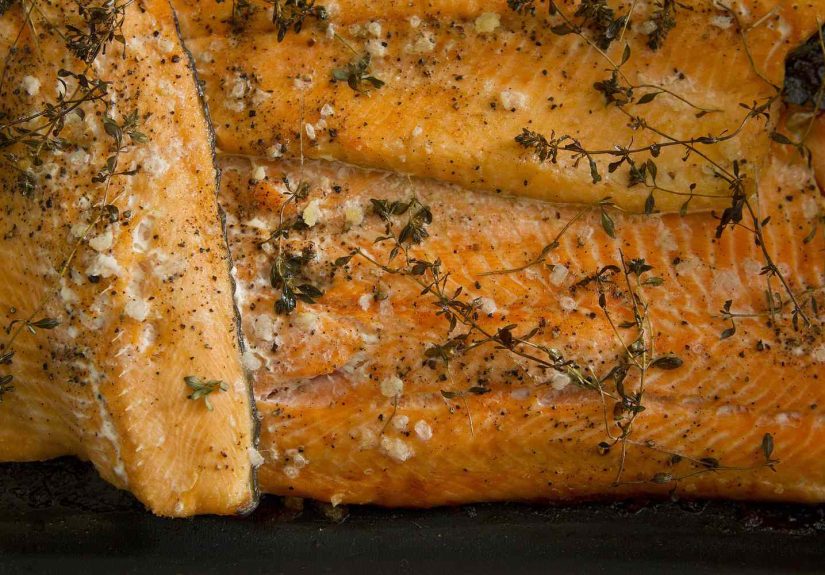
Place the trout on the plank. Close the lid. Cook until the flesh is opaque and flakes easily, and the thickest
part reaches a safe internal temperature.
Timing guide (use this as a starting point)
- Small trout (10–12 oz each): ~12–18 minutes
- Medium trout (12–16 oz each): ~15–22 minutes
- Larger trout (16–24 oz each): ~20–30 minutes
Best practice: Check doneness with an instant-read thermometer inserted into the thickest part
near the backbone (without hitting bone). For food safety, cook fin fish to 145°F. If you prefer a
slightly more tender, “chef-style” finish, some cooks pull earlierbut for general home cooking, 145°F keeps it
simple and safe.
8) Rest, then serve (and accept compliments gracefully)
Transfer the plank to a heatproof surface and let the trout rest 2–3 minutes. This helps juices
settle so they stay in the fish, not on your plate.
To serve, slide a spatula under the fillet and lift away from the bones. The top fillet usually lifts off easily.
Then you can remove the backbone and serve the lower fillet. If the fish is cooked through, the bones behave.
Easy Serving Ideas: What to Pair With Cedar-Planked Trout
Trout is mild and a little buttery, so it loves bright, crunchy, and herby sides:
- Charred lemon + herb salad: arugula, shaved fennel, and citrus segments
- Grilled corn and zucchini: brushed with olive oil and finished with flaky salt
- Roasted baby potatoes: tossed with dill and a squeeze of lemon
- Simple rice pilaf: with parsley and toasted almonds
- Quick sauce: yogurt + lemon zest + dill + pinch of salt
Flavor Variations (Pick Your Personality)
1) Citrus-Fennel “Northwest” Style
Toss shaved fennel and orange segments with a splash of vinegar, olive oil, salt, and pepper. Spoon on top of the
trout right before serving. It’s bright, crunchy, and feels restaurant-y without requiring a culinary degree.
2) Chili-Lime Butter
Mix softened butter with lime zest, lime juice, chopped cilantro, and a small pinch of chili (serrano or chili
flakes). Dollop on the hot fish so it melts into every nook and cranny.
3) Tangy “BBQ-ish” Glaze (Not Sticky-Sweet)
Stir together a little Dijon, lemon juice, and melted butter. Brush on the trout during the last few minutes of
cooking for a glossy finish that’s savory, not candy.
Troubleshooting: The Most Common Cedar Plank Trout Problems
My plank caught fire
It happens. Soak longer next time, and keep the grill in the medium range. Use two-zone heat so the plank isn’t
parked directly over roaring flames. A spray bottle fixes most flare-ups fast.
The trout is dry
Trout goes from “perfect” to “why is this fish dust” quicker than you’d think. Cook by temperature, not vibes. Also
avoid very high grill heat. If you tend to overcook fish, add a butter finish or serve with a yogurt-herb sauce.
The fish tastes too smoky
Use a lighter touch: shorter toast on the plank, slightly lower heat, and avoid adding extra wood chips. Cedar
should whisper, not shout.
It stuck to the plank
Toast the plank first, oil the fish lightly, and don’t try to move it too early. Once the proteins set, it releases
more easily. A fish spatula is worth its weight in gold here.
Food Safety & Storage (Quick But Important)
- Cook to a safe internal temp: For fin fish, 145°F is the commonly recommended safe minimum.
- Don’t linger at room temp: Refrigerate leftovers promptly (within 2 hours; sooner if it’s hot out).
- Leftovers idea: Flake cold trout into a salad, tacos, or a lemony pasta the next day.
Cedar Plank Whole Trout FAQ
Do I have to soak the cedar plank?
Yes. Soaking helps prevent the plank from burning too quickly and encourages smoldering (flavor) instead of flames
(chaos). An hour is a great baseline.
Can I make cedar plank trout in the oven?
You can, as long as you use an oven-safe plank and place it on a sturdy sheet pan. Bake around 400°F and cook to
doneness. You’ll get aroma, but you’ll miss some of the live-fire smokiness. Still delicious.
Should I butterfly the trout?
Not required, but it can help it cook faster and more evenly. If you ask the fish counter to “butterfly and debone,”
you’ll get a whole trout that opens like a booksuper easy to eat and great for planking.
Experience Notes: What Making Cedar-Planked Trout Is Really Like (The Good, The Funny, The “Oops”)
Here’s the part most recipes don’t say out loud: cedar plank trout is less about complicated technique and more about
managing small, real-life moments. The first time you soak a plank, you’ll discover it has the buoyancy of a pool
noodle. It wants to float. It will float. You’ll place a bowl on top, walk away, and come back to find the plank
still trying to escape like it has somewhere important to be. The solution is simpleuse a heavy pan, a can, or even
a sealed jar of something from your pantry. You’re not punishing the plank; you’re giving it a spa treatment that
requires staying submerged.
In many backyards, the next “experience” is the moment the plank hits the grill and begins to smoke. This is the
exact point where new plank-users ask themselves, “Is this delicious smoke or the beginning of an insurance claim?”
A little smoke is correct. A steady flame is not. The most practical habit you can build is keeping a small spray
bottle nearby. One or two quick sprays turn a flare-up into a polite smolder without killing the aroma. Also, if you
run your grill at high heat because you’re used to searing steaks, you’ll learn quickly that fish and cedar prefer a
calmer relationship. Medium to medium-high heat gives you time to cook the trout through without scorching the plank
into charcoal confetti.
Another very real moment: the doneness debate. Trout looks “done” on the outside before the thickest part is fully
there, especially if the fish is plump. If you’ve ever served fish that’s perfect on the surface but slightly raw
near the spine, you already know why an instant-read thermometer feels like cheatingin the best way. It removes the
guesswork and the awkward dinner-table pause where everyone is politely hoping the fish is cooked. Once you’ve nailed
temperature-based cooking, you’ll notice something else: the difference between “good” and “wow” trout is often a
two-minute window. That’s not exaggeration; that’s fish.
Serving whole trout is also an experience in confidence. The first fillet usually lifts off like a dream, and you
start feeling like the main character in a cooking show. Then you meet the bones. The trick is to slow down: lift
the top fillet, remove the backbone in one piece if you can, and the rest becomes easy. After you’ve done it once,
you realize it’s less “scary fish anatomy” and more “peeling a label off a jar.” Not elegant, but completely doable.
If you want maximum ease for a crowd, ordering trout butterflied and deboned is a game-changerstill whole, still
impressive, and much less fiddly at the table.
Finally, there’s the vibe factor. Cedar plank trout tends to create a small gathering around the grill because it
smells incrediblebright citrus, herbs, and that gentle cedar perfume. People wander over “just to check,” which is
secretly code for “I want to snack and talk while you do the work.” That’s part of the charm: it’s a recipe that
feels special without requiring you to disappear into the kitchen for hours. If you make it a few times, you’ll
develop your own signature touchesmaybe orange and fennel one night, chili-lime butter the next, or simply lemon
and dill with extra black pepper. And every time, the plank does the same helpful job: it keeps your fish tender,
adds a whisper of smoke, and makes you look like you planned the whole thing (even if you were just winging it with
confidence and a spray bottle).
Conclusion
This cedar plank whole trout recipe is the sweet spot between “weekday easy” and “weekend impressive.”
Soak the plank, toast it until it smokes, cook the trout over steady medium heat, and let temperaturenot guesswork
call the finish line. Once you’ve done it, you’ll start eyeing other fish and thinking, “Would you like a cedar
vacation too?” (The answer is always yes.)