Table of Contents >> Show >> Hide
- Quick Verdict: Is Chase Freedom Rise Worth It?
- What the Chase Freedom Rise Offers Right Now
- Why It Works So Well as a Starter Credit Card
- Where the Chase Freedom Rise Falls Short
- Who Should Get the Chase Freedom Rise?
- Who Should Skip It?
- How It Compares to Other Starter Credit Cards
- How to Get the Most Value From Chase Freedom Rise
- Final Review: Is Chase Freedom Rise the Ideal Starter Card?
- Extended Experiences: What Living With the Chase Freedom Rise Can Actually Feel Like
If your credit history is thinner than a gas-station napkin, the Chase Freedom Rise deserves a serious look. It is one of those rare starter cards that does not act like doing you a favor should come with a cover charge, a security deposit, or a confusing rewards chart that needs its own translator. Instead, it keeps things simple: flat-rate cash back, no annual fee, and a clear path toward building enough credibility to graduate into a stronger Chase card later.
That simplicity is the real charm. For beginners, the best credit card is not the one with the flashiest marketing or the fanciest rewards ecosystem. It is the one that helps you build healthy habits without punishing you for being new. In that role, the Chase Freedom Rise is surprisingly compelling. It is not perfect, and it definitely is not a good card for carrying debt, but as a first credit card, it checks a lot of important boxes.
Quick Verdict: Is Chase Freedom Rise Worth It?
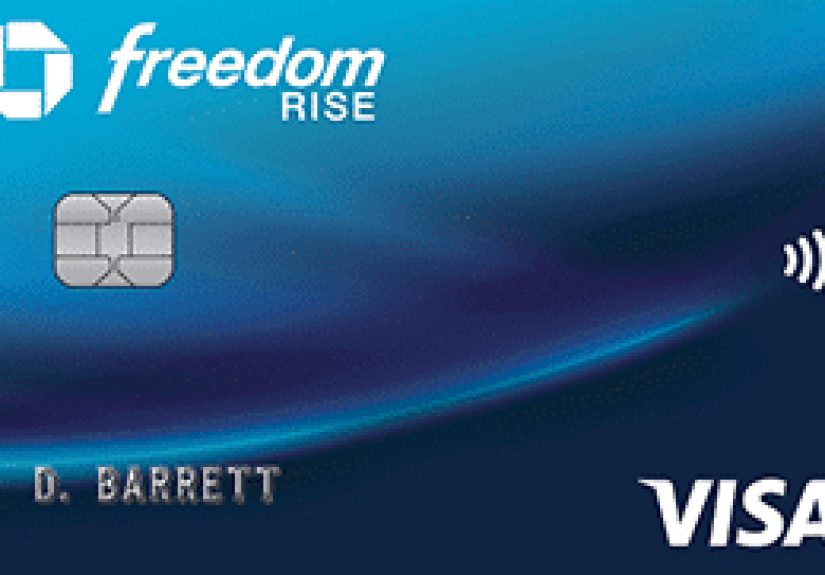
Yes, for the right person. The Chase Freedom Rise is one of the best starter credit cards for people with limited or no credit history who want to earn rewards while building credit. It offers unlimited 1.5% cash back on purchases, charges no annual fee, and gives eligible applicants a better shot at approval if they already have a Chase checking or savings account with at least $250 on deposit.
That is a strong mix for a first card. Many beginner cards make you choose between easy approval and good rewards. This one tries to bridge the gap. It also includes a useful incentive to set up autopay, plus the potential for a credit limit increase and an eventual upgrade to Chase Freedom Unlimited if you handle the account responsibly. In plain English: it is a starter card with a built-in growth plan.
What the Chase Freedom Rise Offers Right Now
As a starter card, the Chase Freedom Rise keeps the headline features easy to understand. That is good news, because nobody needs a spreadsheet just to buy toothpaste and build credit.
- Unlimited 1.5% cash back on all purchases
- $0 annual fee
- $25 statement credit for enrolling in automatic payments within the first three months and remaining enrolled long enough to qualify
- No minimum redemption amount for cash back
- Better approval odds if you have an eligible Chase checking or savings account with at least $250 in qualifying funds
- Automatic evaluation for a credit line increase in as soon as six months
- Annual review for an upgrade to Chase Freedom Unlimited if your payment behavior stays strong
That list reads like someone at Chase actually remembered what beginners need. You are not trying to optimize airport lounge access in year one. You are trying to get approved, avoid silly fees, earn a little cash back, and build a credit profile that future lenders will not laugh at.
Why It Works So Well as a Starter Credit Card
1. It skips the annual fee
No annual fee is a bigger deal than it sounds. A first credit card should be easy to keep open for years, because long account age can help your credit profile over time. A card that costs nothing to keep is easier to stash in your wallet long after you outgrow it. That gives the Chase Freedom Rise long-term usefulness, even after you move on to more rewarding cards.
2. It gives beginners real rewards
Unlimited 1.5% cash back is not revolutionary, but it is generous in the starter-card lane. A lot of entry-level cards either offer weak rewards or force you into narrow categories. The Rise card lets you earn the same rate everywhere, which is ideal for someone still learning how credit works. Buy groceries? Cash back. Fill up the tank? Cash back. Pay for textbooks, a streaming bill, or a gloriously overpriced iced coffee? Still cash back.
3. It may be easier to get with a Chase banking relationship
This is one of the card’s most unusual features. Chase says having at least $250 in an eligible Chase checking or savings account can improve your chances of approval. That does not guarantee anything, but it gives beginners a practical lever to pull. For someone with little or no credit history, that can be the difference between “maybe” and “yes.”
4. It encourages better habits early
The $25 autopay statement credit may sound small, but it is cleverly designed. Starter cards should reward boring, healthy behavior. Autopay helps prevent missed due dates, and missed due dates are the kind of mistake that can turn a promising start into a credit-score faceplant. Chase is basically paying beginners to avoid one of the dumbest and most common first-card mistakes. That is smart product design.
5. It gives you a path forward
Some beginner cards feel like dead ends. The Chase Freedom Rise does not. If you make on-time payments and keep the account in good standing, Chase may evaluate you for a higher credit limit after as little as six months. On top of that, the card can serve as a stepping stone toward an automatic upgrade to Chase Freedom Unlimited after a year of strong behavior. That matters because the Unlimited card adds stronger bonus categories while keeping the same 1.5% base rate on non-bonus spending.
Where the Chase Freedom Rise Falls Short
No card review is complete without a reality check, so here it is: the Chase Freedom Rise is a very good starter card, but it is not a magical debt-proofing shield wrapped in cash back glitter.
The APR is high
This card has a steep variable APR, which means carrying a balance can get expensive fast. That alone is enough to kill most of the value of the rewards. If you spend $40 to earn a few dollars in cash back because you rolled a balance, your credit card is not “working for you.” It is doing the opposite. The Rise card makes the most sense when you pay in full every month.
There is a foreign transaction fee
If you study abroad, travel internationally, or make a lot of purchases from foreign merchants, the 3% foreign transaction fee is a genuine downside. Plenty of better travel cards skip that charge. The Chase Freedom Rise is a domestically focused starter card, not a passport flex.
No bonus categories
Flat-rate rewards are easy, but they are not always the most lucrative. If you are already capable of managing a more complex card, you may earn more with a product that pays extra on dining, travel, gas, or rotating categories. Of course, that is also like saying a tricycle is not ideal for Formula 1. Different job, different vehicle.
Approval still is not guaranteed
Even though the card is designed for beginners, it is still a Chase credit card. The extra approval boost from a Chase deposit relationship helps, but it does not remove underwriting standards. If your income is too low, your application is incomplete, or your credit file has problems, you can still be denied.
Who Should Get the Chase Freedom Rise?
This card makes the most sense for:
- Students building credit for the first time
- Young adults moving from debit cards to credit cards
- People with limited credit history who want rewards without a security deposit
- Existing Chase banking customers who can use the $250 deposit feature to strengthen approval odds
- Beginners who want a simple, no-fuss cash back card that can grow into a better Chase product later
It is especially appealing if you like the idea of staying inside the Chase ecosystem. Once you build some history, the Freedom Rise can act as a launchpad. That makes it stronger than many one-and-done beginner cards that are fine for six months and forgettable after that.
Who Should Skip It?
You may want to pass if:
- You tend to carry balances from month to month
- You need a card for international spending
- You want premium rewards on dining, groceries, or travel right away
- You need the absolute easiest approval odds possible and are better suited for a secured credit card
That last point is important. Some people truly are better off starting with a secured card, especially if they have damaged credit rather than simply no credit. The Rise card is an excellent first card for many beginners, but it is not the universal answer to every credit-building situation.
How It Compares to Other Starter Credit Cards
The Chase Freedom Rise stands out because it combines three things that do not always show up together: no annual fee, no required security deposit, and decent everyday rewards. That combination is why so many reviewers place it near the top of the beginner-card category.
Against a secured card, the Rise card wins on convenience and cash flow because you do not have to tie up money in a deposit. Against many student or credit-builder cards, it wins on simplicity because the flat-rate rewards structure is easy to manage. Against stronger cash back cards for established borrowers, it loses on earning power and low-cost borrowing features. That is totally normal. This card is a starter apartment, not a mansion with a rooftop pool.
How to Get the Most Value From Chase Freedom Rise
Enroll in autopay immediately
This is non-negotiable. You want the statement credit, and you want the late-payment protection. Even if you manually pay most of your bill, autopay can act as a safety net.
Keep utilization low
Try not to let your balance get too close to your limit. A common rule of thumb is staying below 30% of your available credit, and many credit-savvy people prefer staying even lower. If your limit is modest, make multiple payments during the month if needed.
Pay in full whenever possible
This card shines when you use it like a debit card with benefits. Buy what you already planned to buy, then pay it off before interest has a chance to move in and eat your lunch.
Use it for routine spending
The best setup for a beginner is boring on purpose. Put a few regular expenses on the card, such as gas, groceries, or a streaming service, and pay them predictably. Responsible repetition is exactly what builds your track record.
Think about the upgrade path
If your goal is to grow into a better Chase card, the Freedom Rise makes more sense than a random starter card from an issuer you do not plan to stick with. Building early history with Chase may make your next move easier later.
Final Review: Is Chase Freedom Rise the Ideal Starter Card?
For many beginners, yes. The Chase Freedom Rise is one of the smartest starter credit cards on the market because it focuses on the right priorities. It does not bury you in fees. It does not force a security deposit. It does not overcomplicate rewards. And it gives you a realistic path to bigger things if you handle the account responsibly.
Its weaknesses are real. The APR is high, the foreign transaction fee is annoying, and power users can earn more elsewhere. But those drawbacks do not erase what the card does well. As a first credit card, the job is not to become your forever favorite. The job is to help you build credit safely, collect some cash back, and graduate to better options without drama. The Chase Freedom Rise does that job very well.
If you are new to credit and want a card that feels like training wheels without looking like punishment, this is a strong place to begin. In a category filled with compromises, the Chase Freedom Rise is refreshingly reasonable. And for a starter card, that is basically a standing ovation.
Extended Experiences: What Living With the Chase Freedom Rise Can Actually Feel Like
The experiences below are illustrative, composite examples based on common first-card situations. They are here to show how the card may fit into real life, not to pretend every cardholder has the exact same story.
Experience 1: The college student who wants to stop using only debit
Imagine a college student who has always used a debit card because credit cards felt like financial horror movies with better branding. The Chase Freedom Rise changes that equation because it feels approachable. There is no annual fee hanging over your head, and the flat 1.5% cash back is easy to understand. You use it for groceries, a phone bill, and the occasional ride home when the weather turns mean. You set up autopay right away, mostly because missing a due date sounds terrifying, and the $25 statement credit is a nice little “good job for being responsible” bonus.
What stands out in this kind of experience is confidence. A beginner card has to feel manageable. You are not constantly checking whether you used the right merchant category or wondering whether your rewards vanished into the void because you did not hit some mystery threshold. You buy normal things, earn normal cash back, and slowly get comfortable seeing a statement and paying it off. That emotional shift matters. A good starter card is not only about the math. It is also about helping someone stop treating credit like a trap door.
Experience 2: The first-job professional using the card as a credit-building tool
Now picture someone in their first full-time job. They have income, rent, and a thousand tiny expenses that somehow multiply while they sleep. The Chase Freedom Rise works well here because it creates a disciplined system. Put transit, groceries, and one subscription on the card. Let autopay handle the minimum as a backstop. Make an extra manual payment before the statement closes if the balance gets high. That rhythm turns the card into a credit-building machine rather than a temptation machine.
The best part of this experience is momentum. After several months of on-time payments, the card starts to feel less like a beginner product and more like a stepping stone. You may be reviewed for a higher credit line. Your credit profile begins to look more established. You can start planning for what comes next, whether that is a better apartment application, a future auto loan, or another Chase card with stronger rewards. It is not glamorous, but neither is brushing your teeth, and both are excellent habits with long-term payoff.
Experience 3: The cautious user who wants rewards without chaos
Some people are not chasing travel hacks or trying to squeeze every possible cent out of quarterly bonus categories. They want a card that works, behaves, and does not require a strategy meeting before ordering takeout. For that user, the Chase Freedom Rise can feel delightfully uneventful. You swipe, you earn 1.5% back, and life goes on. There is real value in that kind of boring efficiency.
That said, the experience also teaches an important lesson fast: interest is the villain, not the annual fee. The card looks friendly, but the APR is not here to be your buddy. If you carry a balance, the “starter card that helps you build credit” can quickly become “starter card that introduces you to expensive borrowing.” In real life, the best experience with the Freedom Rise comes from treating it as a tool for spending control and reputation building, not as extra income. Used that way, it can feel like a clean, low-stress entry into the world of credit cards. Used poorly, it becomes a very polished reminder that rewards are nice, but discipline is nicer.