Table of Contents >> Show >> Hide
- What Are Chia Seeds, Exactly?
- Chia Seeds Nutrition Facts (The “What’s In It?” Breakdown)
- Health Benefits of Chia Seeds (What the Evidence Suggests)
- How to Eat Chia Seeds (Without Regret)
- How Much Chia Should You Eat Per Day?
- Chia Seeds Side Effects and Safety Tips
- Buying and Storing Chia Seeds (Because Rancid Seeds Are Not a Vibe)
- Quick FAQ
- Real-World Experiences: What It’s Like Adding Chia to Your Routine (500+ Words)
- Experience #1: “Why am I suddenly so full?”
- Experience #2: The Texture Debate (Some People Love It, Some People… Don’t)
- Experience #3: “My digestion is… louder.”
- Experience #4: The “Oops, I Ate Them Dry” Lesson
- Experience #5: Better Routine Beats Perfect Routine
- Experience #6: The Best “Chia Pairings” People Actually Stick With
- Conclusion
Chia seeds are tiny, speckled, and suspiciously confident for something that can fit under your fingernail. Yet these little overachievers have earned their spot in pantries across Americashowing up in smoothies, oatmeal, yogurt, and that one friend’s “it’s basically dessert but make it healthy” chia pudding.
This guide breaks down chia seeds nutrition facts, what the research actually suggests about chia seeds health benefits, and how to eat them without turning your breakfast into a science experiment (or your throat into a DIY glue project). We’ll keep it practical, evidence-based, and just funny enough to make fiber feel less intimidating.
What Are Chia Seeds, Exactly?
Chia seeds come from Salvia hispanica, a plant in the mint family. The seeds are mild in flavor (translation: they won’t pick a fight with your food) and famous for their ability to absorb liquid and form a gel. That gel texture is why they work so well in puddings, thick smoothies, and as an egg substitute in bakingmore on that soon.
Chia Seeds Nutrition Facts (The “What’s In It?” Breakdown)
Chia seeds pack a lot into a small scoop: fiber, plant protein, healthy fats (including omega-3s), and minerals like calcium and magnesium. They’re also naturally gluten-free and easy to add to everyday meals.
Nutrition Snapshot: 1 ounce (28g) of chia seeds
Exact numbers vary a bit by brand, but a standard one-ounce serving (about 2 tablespoons) is roughly:
| Nutrient | Approx. Amount (1 oz / 28g) | Why it matters |
|---|---|---|
| Calories | ~138 | Energy-dense, but mostly from fiber + healthy fats |
| Protein | ~4–5g | Supports fullness and muscle repair |
| Total fat | ~8–9g | Mostly unsaturated fats |
| Carbohydrates | ~12g | Most of this is fiber (net carbs are low) |
| Fiber | ~9–10g | Big boost toward daily fiber goals |
| Calcium | ~180mg | Bone health support, especially if you don’t do much dairy |
| Iron | ~2mg | Helps oxygen transport in the body |
| Phosphorus | ~240mg | Works with calcium for bones/teeth; also supports cells |
Fiber: Chia’s Main Character Energy
If chia seeds had a résumé, “fiber” would be listed under: Top Skills, Awards, and Hobbies. Two tablespoons can deliver around 10 grams of fiberoften a major chunk of what people get in a whole day. The fiber is a mix of insoluble fiber (adds bulk and supports regularity) and soluble/gel-forming fiber (helps slow digestion).
Why does that matter? Because soluble fiber can help with satiety (feeling full), and slowing digestion may support steadier blood sugar response after meals. Meanwhile, insoluble fiber helps keep things movingpolitely, but persistently.
Omega-3s: Mostly ALA (And That’s Still Useful)
Chia seeds are known as a strong plant source of omega-3 fatty acids, mainly alpha-linolenic acid (ALA). Here’s the important nuance: your body can convert ALA into the long-chain omega-3s EPA and DHA, but the conversion is limited and varies from person to person.
Bottom line: chia can help you increase omega-3 intake, but if you’re specifically targeting DHA/EPA (often discussed for heart and brain health), fatty fish or algae-based options are usually more direct sources.
Minerals + Antioxidants: The Supporting Cast That Shows Up
Chia seeds contribute minerals that many people fall short on, including calcium, magnesium, phosphorus, and iron. They also contain antioxidant compounds that help protect fats from oxidation (which is one reason chia stores pretty well when kept dry and sealed).
Health Benefits of Chia Seeds (What the Evidence Suggests)
Let’s talk benefitswithout promising that a tablespoon of seeds will fix your life, organize your inbox, and make your skin glow in 48 hours. Think of chia as a nutrient-dense helper that supports health mostly through its fiber, healthy fats, and minerals.
1) Better Digestion and Gut Regularity
The fiber in chia seeds can support regular bowel movements and overall digestive health. If you’re not used to high-fiber foods, start small and increase gradually (your stomach will thank you for the gentle onboarding). Also: drink enough waterchia absorbs liquid, and fiber works best with hydration.
Practical example: If your breakfast is typically coffee + vibes, adding 1 tablespoon of chia to yogurt or oatmeal can be an easy way to add fiber without overhauling your routine.
2) Fuller for Longer (Satiety Support)
Chia’s combination of fiber + protein + fat tends to be filling. When mixed with liquid, the gel-like texture may slow how quickly food leaves the stomach, which can help you stay satisfied between meals.
Practical example: Stir 1 tablespoon of chia into a smoothie and let it sit for 5–10 minutes. You’ll notice the drink becomes thicker, and many people find that helps them feel fuller until lunch.
3) Heart Health Support (Mostly Through Fiber and Fat Profile)
Diets higher in soluble fiber are associated with improved cholesterol profiles, and chia’s fats are mostly unsaturated. Chia also provides ALA, a plant omega-3 linked in broader nutrition research to heart benefits. However, evidence on chia specifically is mixed: studies vary in dose, duration, and outcomes.
If you like “what does the science say?” summaries: recent systematic reviews suggest chia supplementation may lead to modest improvements in factors like LDL cholesterol and systolic blood pressure, especially at higher doses. “Modest” is the key wordthink helpful nudge, not a medical miracle.
4) Blood Sugar Friendliness (Especially as a Fiber Add-On)
Because chia adds fiber and may slow digestion, it can be a smart ingredient in meals where you want a steadier blood sugar response (like pairing carbs with protein/fiber/fat). Some research suggests benefits in people with metabolic concerns, but it’s not a substitute for medical care or prescribed treatment.
Practical example: Add chia to overnight oats alongside Greek yogurt and berries. You get carbs, protein, and fiber working togethermore balanced than plain oats alone.
5) Bone and Mineral Support
Chia seeds provide calcium and phosphorus, plus magnesiumthree nutrients involved in bone health. This can be particularly useful for people who avoid dairy or just don’t consistently eat calcium-rich foods.
6) Convenient Nutrition for Busy Humans
Not every health benefit needs a clinical trial to be valuable. Chia’s “win” is convenience: it’s shelf-stable, doesn’t require cooking, and upgrades the nutrient profile of foods you already eat. That consistency matters. Health changes often come from what you can keep doing on Tuesday at 7:42 a.m.not just what sounds good on Sunday night.
How to Eat Chia Seeds (Without Regret)
Option A: Soaked (Best for Texture + Safety)
- Chia gel: Mix 1 tablespoon chia with 3–4 tablespoons water. Wait 10–15 minutes. Stir again.
- Chia pudding: Mix 2 tablespoons chia with 1/2 cup milk (dairy or non-dairy). Chill 2+ hours.
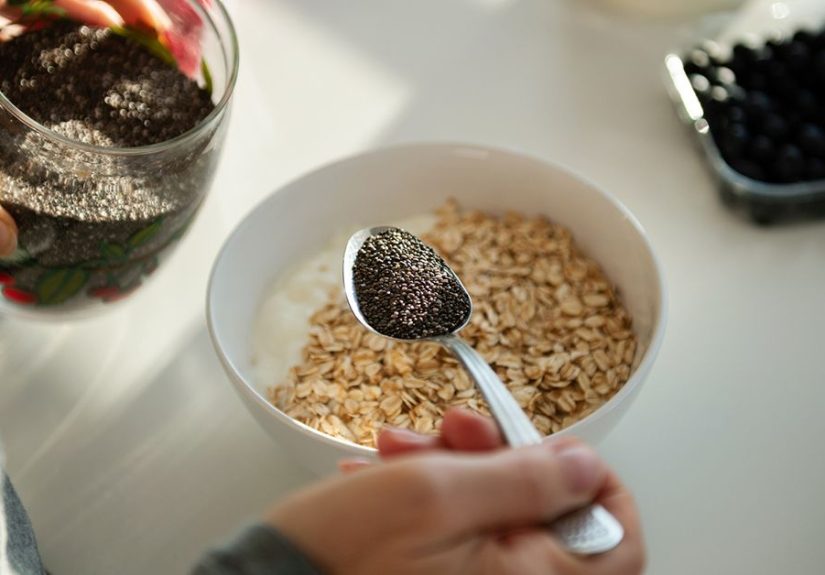
- Overnight oats: Add 1 tablespoon to your jar and let the fridge do the work.
Option B: Stirred In (Quick but Add Liquid)
- Stir into yogurt, oatmeal, soup, or sauces (where moisture is plentiful).
- Add to smoothies and let it sit briefly to thicken.
Option C: Baking and “Chia Eggs”
Chia can replace eggs in some recipes (especially muffins, pancakes, or quick breads). Mix 1 tablespoon chia + 3 tablespoons water, wait 10 minutes, and use as one egg substitute. It won’t whip into meringue, but it will help bind ingredients.
How Much Chia Should You Eat Per Day?
There’s no official one-size-fits-all dose, but a common range is 1–2 tablespoons daily (about 12–24 grams). If you’re new to chia or fiber in general, start with 1 teaspoon and work up.
If you jump from “low fiber era” to “chia pudding for breakfast, chia crackers for lunch, chia sprinkled on dinner like confetti,” your digestive system may file a formal complaint (bloating, gas, or constipation).
Chia Seeds Side Effects and Safety Tips
Chia seeds are generally safe for most people, but there are a few “read this before you freestyle” notes:
1) Don’t Eat Them Dry (Seriously)
Dry chia can swell when it meets liquid, which is great in a bowlless great in your throat. If you have any history of swallowing difficulties, be extra cautious and choose soaked chia.
2) Fiber Can Backfire If You Rush It
High fiber is a benefit, but ramping up too fast can cause bloating, gas, or constipation. Increase gradually and drink enough water.
3) Medication Interactions (Talk to Your Clinician If Unsure)
Because chia may influence blood sugar, blood pressure, and digestion/absorption timing (thanks, fiber), people taking blood thinners or medications for diabetes or blood pressure should check with a healthcare professionalespecially if they plan to eat chia daily in larger amounts.
4) Allergies Are Rare but Possible
Allergic reactions can happen. Some sources note potential cross-reactivity in people sensitive to certain seeds/spices. If you try chia for the first time, start small and pay attention to your body.
Buying and Storing Chia Seeds (Because Rancid Seeds Are Not a Vibe)
- Buy: Look for plain chia seeds with no added sugar/flavors. Organic is optional.
- Store: Keep in a cool, dry place in an airtight container. Refrigeration is fine but not required.
- Freshness tip: If it smells “paint-like” or bitter, it’s past its primetoss it.
Quick FAQ
Do I need to grind chia seeds?
Not usually. Whole chia is commonly used and still provides fiber and nutrients. Grinding may help with texture in smoothies or baking, but chia is different from flaxseed in that whole seeds are widely tolerated and used.
Black vs. white chia: any difference?
Nutritionally, they’re very similar. Choose based on preference and how visible you want them in lighter foods (white chia hides better in vanilla pudding, for example).
Can kids eat chia seeds?
Often yes, in age-appropriate textures (soaked in yogurt/oatmeal). Avoid giving dry chia by the spoon. If you have concerns or swallowing issues, consult a pediatric clinician.
Real-World Experiences: What It’s Like Adding Chia to Your Routine (500+ Words)
Let’s get out of the lab for a moment and into real kitchens. When people start eating chia seeds regularly, the experience is usually less “instant superhero” and more “small, noticeable upgradesplus a few learning moments.” Here are patterns dietitians and everyday chia users commonly report, along with practical ways to make chia work for you.
Experience #1: “Why am I suddenly so full?”
One of the first things many people notice is that breakfast holds them longer. That’s the fiber doing its job. A smoothie with chia tends to feel more like a meal and less like a drink you forget existed 20 minutes later. A simple starter: blend your usual smoothie, then stir in 1 teaspoon chia and wait five minutes. The texture thickens slightlylike your smoothie got a sweater.
Experience #2: The Texture Debate (Some People Love It, Some People… Don’t)
Chia pudding is polarizing. Fans call it “tapioca’s healthier cousin.” Skeptics call it “frog eggs” and refuse further comment. If texture is your hurdle, don’t force yourself into pudding life. Instead, use chia where the seeds disappear: blended smoothies, oatmeal, pancake batter, meatballs as a binder, or stirred into thick yogurt with crunchy toppings (granola, nuts, cacao nibs). You get the nutrition without the drama.
Experience #3: “My digestion is… louder.”
A very normal early phase: more fiber = more activity. If you go from low fiber to 2 tablespoons overnight, you might experience bloating or gas. The solution isn’t to cancel chia forever; it’s to treat fiber like a new gym routine. Start with 1 teaspoon daily for a week, then increase slowly. Also, hydration matters. Fiber without enough fluid is like inviting guests over and not unlocking the front door.
Experience #4: The “Oops, I Ate Them Dry” Lesson
Most chia veterans have a cautionary taleusually involving a spoonful of dry seeds and the immediate realization that this was a bad idea. The fix is easy: soak them, mix them into wet foods, or add them to a smoothie where liquid is abundant. If you want the crunch of dry seeds, sprinkle lightly over yogurt or salad not into your mouth like you’re taking a supplement shot.
Experience #5: Better Routine Beats Perfect Routine
The biggest long-term benefit people get from chia isn’t a single magical effectit’s consistency. Chia is one of those “set it and forget it” foods. A bag in your pantry can quietly improve the nutrition of meals you already eat. Many people end up with one “default” chia habit, like:
- 1 teaspoon in morning oatmeal
- 1 tablespoon in a smoothie after workouts
- Chia gel added to salad dressing for thickness
- Chia egg in weekend pancakes or muffins
That’s the real secret sauce: pick one easy use and repeat it. Health changes often come from the boring, repeatable choicesnot the glamorous ones.
Experience #6: The Best “Chia Pairings” People Actually Stick With
If you want ideas that feel normal (not like a wellness influencer audition), try:
- PB&J yogurt bowl: Greek yogurt + strawberries + 1 tsp chia + peanut butter drizzle.
- Chocolate milk chia: Milk + cocoa + a little maple syrup + chia (chill and stir).
- Soup thickener: A pinch of chia in a veggie soup to add body (start tiny).
- Oatmeal upgrade: Add chia and cinnamon, then top with banana and walnuts.
Chia doesn’t need to be fancy. It just needs to show up consistently, preferably in a way you enjoy.
Conclusion
Chia seeds earn their popularity the honest way: they’re a fiber-rich, nutrient-dense food that fits into real life. The strongest “slam dunk” benefits come from what chia reliably providesfiber, healthy fats (mostly ALA omega-3), and mineralsrather than any single headline claim.
Add chia to meals you already love, start small, drink enough water, and don’t eat them dry. Do that, and chia becomes less of a trend and more of a tiny daily upgrade you barely have to think aboutwhich is exactly the kind of health habit that tends to last.