Table of Contents >> Show >> Hide
- What Is Overhydration (and Why Can It Be Dangerous)?
- Why Do People End Up Overdoing It?
- Signs You Might Be Drinking Too Much Water
- How Much Water Do You Actually Need?
- The Safest Habit: “Drink to Thirst” (Yes, Really)
- How to Avoid Overhydration (Without Becoming a Desert Lizard)
- When to Talk to a Professional
- Quick “Do This, Not That” Cheat Sheet
- of Real-World “This Happens All the Time” Experiences
- Conclusion
You know the vibe: a giant water bottle that looks like it could double as a small aquarium, a “hydrate or diedrate” sticker,
and a daily goal that sounds suspiciously like a dare. Staying hydrated is smartbut there’s a point where “I’m being healthy” turns into
“Why am I peeing every 12 minutes?”
Overhydration (sometimes called water intoxication) is real, and while it’s uncommon for most people, it can happenespecially when
you drink large amounts in a short time, or you’re exercising for hours and only replacing water without enough electrolytes.
The good news: you don’t need to fear water. You just need a better strategy than “chug now, ask questions later.”
What Is Overhydration (and Why Can It Be Dangerous)?
Overhydration happens when you take in more fluid than your body can comfortably use or get rid of. The biggest concern is
hyponatremiaa condition where the sodium level in your blood becomes too low because excess water “dilutes” it.
Sodium helps regulate fluid balance and supports nerve and muscle function, so when it drops too far, your cells can swellespecially brain cells.
Here’s the simple version: water and sodium work as a team. If you flood your system with water without maintaining the balance,
your body can get thrown off. In severe cases, hyponatremia can become a medical emergency.
“But I Thought More Water Was Always Better?”
Not exactly. Your kidneys are impressive, but they’re not a bottomless drain. If you’re guzzling large volumes quickly, you can outpace what your body
can handleespecially if you’re sweating (losing sodium) and replacing only water.
Think of it like pouring water into a cup with a tiny hole at the bottom: sip-and-go is fine; fire-hose mode is messy.
Why Do People End Up Overdoing It?
Most people don’t overhydrate because they love the taste of water. They do it because of a handful of super common traps:
- Hydration myths (like “clear pee is always the goal” or “8 glasses is mandatory for everyone”).
- Big-bottle psychology: if the bottle is enormous, you feel morally obligated to finish it.
- Fitness challenges (gallon-a-day goals, “75 hard” style rules, or “punish yourself with purity”).
- Fear of dehydration during workouts, heat, or travel.
- Misreading signals: dry mouth can be from stress, mouth breathing, caffeine, or medsnot always true thirst.
- Medical factors: certain medications and conditions can affect fluid balance, making overhydration more likely.
The fix isn’t to “drink less forever.” It’s to drink smarter.
Signs You Might Be Drinking Too Much Water
Your body is usually pretty good at sending feedbackif you actually listen. Here are clues your hydration habits may be tipping into overhydration:
Everyday “You’re Overdoing It” Clues
- Urine that’s consistently totally clear (pale yellow is usually a more practical target).
- Constant bathroom trips, including waking up at night to pee.
- Bloating or that sloshy “water balloon” feeling.
- Headache that shows up after you’ve been chugging.
- Nausea or feeling oddly “off” despite “doing everything right.”
Red-Flag Symptoms: Don’t Tough It Out
Severe hyponatremia can cause serious symptoms such as confusion, severe weakness, or seizures. If someone has serious symptoms, treat it as an emergency.
If you suspect a dangerous reaction after heavy water intakeespecially during/after endurance exerciseget medical help right away.
How Much Water Do You Actually Need?
The most useful answer is: enough to replace what you lose. That depends on your body size, climate, activity level, diet, and health.
Still, having a reference point helps.
A widely used guideline for total daily fluid intake (from beverages and food) for generally healthy adults is roughly:
about 15.5 cups (3.7 L) for men and about 11.5 cups (2.7 L) for women.
That includes fluids from food, not just plain water.
Translation: if you’re forcing yourself to hit a giant water goal on top of coffee, tea, soups, fruits, and everything else, you might be
stacking more fluid than you realize.
Why “8 Glasses a Day” Isn’t the Boss of You
It’s simple, memorableand often too simplistic. Some people need more (hot climate, intense exercise). Others need less (smaller body size, lots of water-rich foods,
cooler environment). Your thirst and urine color can be more practical day-to-day signals than a rigid number.
The Safest Habit: “Drink to Thirst” (Yes, Really)
For most healthy people, one of the best rules is also the least dramatic:
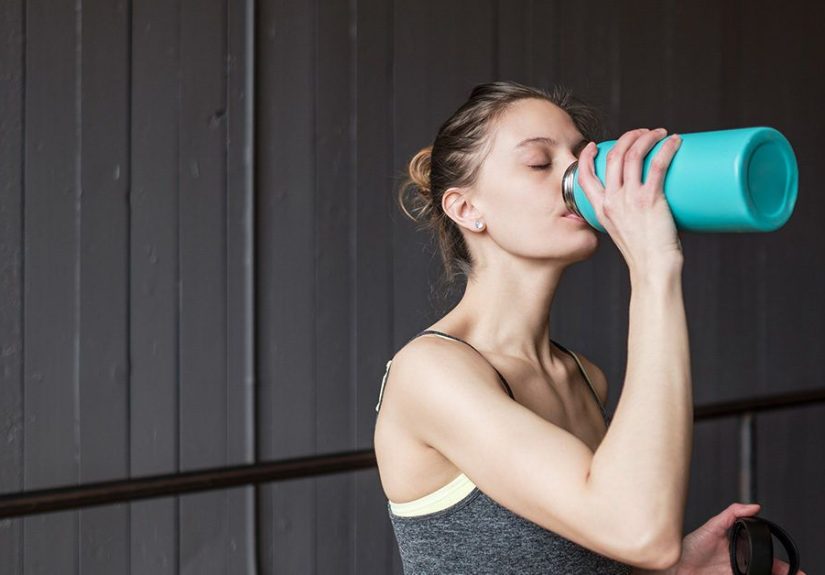
drink when you’re thirsty, and avoid rapid, large-volume chugging “just because.”
This approach is also emphasized in endurance contexts to reduce the risk of exercise-associated hyponatremia.
If you’re training for long events (long runs, long rides, hikes in heat), the goal is not “drink as much as possible.”
It’s “replace enough fluid, without overdrinking,” and consider electrolytes during prolonged heavy sweating.
A Reality Check for Athletes
Exercise-associated hyponatremia can happen when someone drinks excessive amounts of fluid during prolonged exercisesometimes even when that fluid includes sports drinks.
That’s why many sports medicine sources emphasize avoiding overdrinking and using thirst as an important guide.
How to Avoid Overhydration (Without Becoming a Desert Lizard)
Here are practical, non-weird ways to stay hydrated and keep your body’s fluid balance happy.
1) Stop Speed-Drinking
If your default move is “finish half the bottle in one go,” switch to smaller, more frequent sips. Your body handles steady intake better than sudden floods.
If you like structure, try a simple rule: sip regularly, don’t chug competitively.
2) Use the “Pee Color” Shortcut (Not as a Religion)
Urine color isn’t perfect, but it’s helpful. In general:
- Pale lemonade: often a reasonable “hydrated” sign for many people.
- Apple juice: you may need more fluid.
- Totally clear all day: you may be overdoing it.
One caveat: vitamins (especially B vitamins) can turn urine bright yellow, and some medications change urine color.
Use this as a guide, not a courtroom verdict.
3) Count “Hidden Fluids” So You Don’t Double-Drink
Water doesn’t only come from a bottle. Soups, smoothies, fruit (hello, watermelon), vegetables (cucumber is basically crunchy water), tea, and more all add up.
Many people accidentally overhydrate by treating plain water as extra credit on top of everything else.
4) For Long, Sweaty Workouts, Think “Water + Electrolytes,” Not “Water Only”
If you’re exercising for a long time and sweating a lot, you’re losing both water and sodium.
During prolonged endurance activity, some people do better with electrolyte-containing beverages or salty foodsespecially if they’re sweating heavily.
The key is balance and avoiding excessive fluid intake.
Important: don’t self-prescribe aggressive electrolyte or salt strategies if you have a medical condition (like kidney disease or high blood pressure).
If you’re unsure, ask a healthcare professional.
5) Don’t Turn Hydration Into an Anxiety Hobby
This one is sneaky: people sometimes drink constantly because it feels productive, calming, or “clean.”
If you notice you’re drinking even when you’re not thirstyespecially out of stresstry swapping some of those “sips” for a different reset:
a short walk, gum, a few slow breaths, or a snack.
6) Watch for Situations That Increase Risk
Overhydration is more likely when one (or more) of these apply:
- Endurance exercise (long runs, triathlons, long hikes).
- Heat exposure combined with aggressive water-only intake.
- Very low-sodium diets plus high fluid intake.
- Medications that affect fluid/sodium balance (some diuretics and others).
- Kidney, liver, or heart conditions where fluid handling may be altered.
If any of these fit you, it’s worth getting personalized guidance rather than following a one-size-fits-all water goal.
When to Talk to a Professional
Talk with a healthcare professional if you:
- Have repeated symptoms like headaches, nausea, or confusion that seem tied to heavy water intake.
- Have a condition or take medications that affect fluid balance.
- Are training for long endurance events and aren’t sure how to hydrate safely.
- Notice you’re drinking compulsively (even when not thirsty) and can’t easily dial it back.
If severe symptoms occur (especially confusion or seizure), seek emergency care immediately.
Quick “Do This, Not That” Cheat Sheet
Do This
- Drink when thirsty and sip steadily.
- Aim for urine that’s generally light yellow (not crystal-clear all day).
- Adjust intake for heat, sweat, and activity.
- During prolonged heavy sweating, consider electrolytes as appropriate.
- Let food and other beverages count toward your daily fluids.
Not That
- Don’t chug huge amounts in a short time “to catch up.”
- Don’t force a gallon-a-day goal if your body doesn’t want it.
- Don’t assume sports drinks automatically prevent hyponatremia.
- Don’t ignore nausea, bloating, or headache after heavy water intake.
of Real-World “This Happens All the Time” Experiences
You don’t need to be an ultramarathoner to end up on the wrong side of hydration. In fact, overhydration often starts with good intentions and a little
bit of internet enthusiasm. Below are composite scenarios (common patterns people report) that show how it can happenand how to fix it
without giving up on hydration entirely.
Scenario #1: The Office Bottle Hero. Someone buys a massive motivational bottle with time stamps (“9 AM: Rise & Grind”),
then treats it like a boss battle. By lunch they’ve already forced down liters of waterdespite sitting in air conditioning, barely moving, and
having three bathroom breaks before their sandwich arrives. They notice their urine is basically clear, they feel bloated, and they get a dull headache.
The fix is surprisingly boring: they downsize the bottle, stop “catch-up chugging,” sip when thirsty, and let coffee/tea/food count toward fluid intake.
Within a couple of days, the bloating calms down and bathroom trips return to normal-human levels.
Scenario #2: The New Gym “Sweat = Drink” Loop. A beginner starts working out and assumes every bead of sweat requires immediate replacement
with plain water. They drink a lot before class, a lot during class, and then “reward hydrate” afterward. If the workout is long and sweaty, they may feel
nauseated laterespecially if they’re also eating lightly or avoiding salt. The better approach is to hydrate steadily, avoid overdrinking, and during
prolonged heavy sweating, consider electrolyte-containing options or salty foods (as appropriate) rather than water-only flooding.
Scenario #3: The “Gallon a Day” Challenge Person. This is a classic: someone sees a rule online that says a gallon a day is the key to glowing
skin, fat loss, and eternal youth. They’re not thirsty, but they push through anywayoften by chugging big amounts at once.
They become the unofficial restroom manager of their household, and they feel weirdly tired despite “doing something healthy.”
The upgrade is to ditch the fixed gallon rule and switch to body cues: thirst, steady sipping, and urine that’s generally light yellow.
They still drink plentyjust not as a daily endurance sport.
Scenario #4: The Long-Run Overachiever. During long training sessions, some runners fear dehydration so much that they drink at every station,
whether they’re thirsty or not. Later, they may feel puffy, nauseated, or foggy. Many endurance experts emphasize avoiding overdrinking and using thirst as a guide
to reduce hyponatremia risk. A practical tweak some athletes use is tracking how they feel, learning their sweat patterns, and planning hydration so they’re not
continuously “topping off” beyond what they’re losing.
Scenario #5: The Stress Sipper. Sometimes it’s not healthit’s anxiety. People sip constantly during studying, gaming, or scrolling because the motion is soothing.
If that’s you, try “swap habits”: chew gum, take a short break, or keep a small bottle so the “sip reflex” doesn’t turn into a liter-by-lunchtime situation.
Hydration can be a supportive habitbut it shouldn’t run your day like a clingy notification.
The big takeaway from all these scenarios is simple: hydration works best when it’s responsive, not forced.
Drink consistently, pay attention to your body, and avoid making water intake a competition you’re determined to win.
Conclusion
Water is essential, but “more” isn’t always “better.” If you’re chugging all day, peeing nonstop, and feeling bloated or headachy, your body may be asking
for a different plan: sip instead of chug, drink to thirst, and keep electrolytes in mind during prolonged heavy sweating.
Hydration should make you feel betternot like you’re training for the Bathroom Olympics.