Table of Contents >> Show >> Hide
- Why the Cone Works: Design, Balance, and Small-Space Magic
- Choosing the Right One: A Buyer’s Checklist You’ll Actually Use
- Material Matters: What “White” Actually Means
- Where It Shines: Room-by-Room Ideas
- Styling a White Conical Side Table Without Making It Look Like a Dentist’s Waiting Room
- Care and Cleaning: Keeping White From Turning “Off-White… But Sad”
- Common Mistakes (and How to Avoid Them)
- Real-Life Experiences: Living With a White Conical Side Table
- Conclusion: The Little White Cone That Could
Some furniture pieces whisper. A white conical side table? It quietly struts. It’s the kind of accent that says,
“I’m here to hold your coffee,” and also, “Yes, I have sculptural presence.” The cone shape brings a modern, gallery-like vibe
without demanding you redecorate your entire home (because honestly, who has the energy for that on a Tuesday?).
Whether you call it an end table, accent table, pedestal table, or “that little white thing I keep bumping into in the dark,”
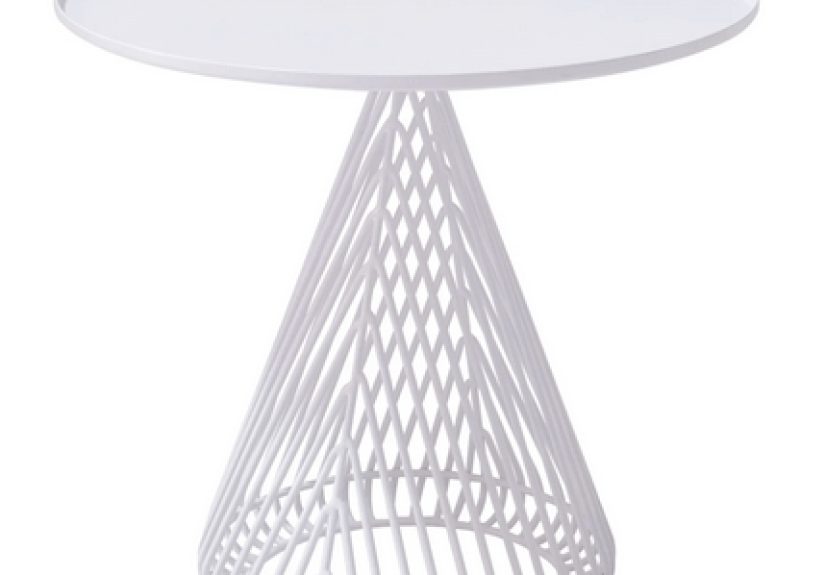
a white conical side table is a small-space hero: compact footprint, clean silhouette, and a bright finish that helps a room feel lighter.
But not all cones are created equalmaterials, proportions, and finishes can turn “minimalist chic” into “wobbly regret” fast.
Let’s make sure you land the right one.
Why the Cone Works: Design, Balance, and Small-Space Magic
It’s stable in a way that feels… calming
A conical base spreads visual weight downward, which makes the piece feel grounded. Even when the tabletop is round and slim,
the tapering form reads as balanced. In practical terms, many conical designs have a low center of gravity compared to skinny-legged tables,
which is great if you live with kids, pets, or a friend who gestures wildly while telling stories.
It softens rooms packed with rectangles
Most living rooms are a rectangle convention: sofa, rug, TV, frames, books. A round conical side table breaks up the right angles,
adds an organic curve, and improves flowespecially in tight walkways. This is one reason round and oval side tables are often considered
“easy” shapes in real rooms.
White is a cheat code for visual breathing room
White finishes reflect light, helping the table visually “recede” instead of shouting for attention. That means you can use a white conical end table
to brighten a corner, balance darker upholstery, or keep a maximalist room from feeling heavy. White also plays nicely with almost any metal finish,
wood tone, or color palettewarm neutrals, crisp monochrome, or bold pops.
Choosing the Right One: A Buyer’s Checklist You’ll Actually Use
1) Height: match the seat/arm zone
In most seating setups, your side table works best when the tabletop lands roughly around the height of the sofa or chair arm (or a little lower).
Too high feels like a barrier; too low makes reaching awkward, like you’re bowing respectfully to your beverage.
If you’re pairing it with a bed, aim for a height that’s comfortable to reach while lying downclose to mattress height is usually the sweet spot.
2) Top size: “Will this hold my life?”
A conical side table often has a smaller round top. That’s perfect for a drink, phone, and a small dishless perfect for a lamp,
a stack of books, a plant, and your emotional support water bottle. Picture your real routine:
do you need a landing pad for essentials, or a stage for styling?
- Small tops (roughly dinner-plate vibes): great as a drink table or minimal bedside perch.
- Medium tops: ideal for a lamp + coaster + one decorative piece.
- Large tops: more functional, but can look bulky if the base is very tapered.
3) Base diameter: the hidden stability factor
The base width matters more than people realize. A narrow base with a wide top can feel tippy.
If your household includes zoomies (pets) or tiny humans, choose a conical base with enough diameter to resist bumps.
Also: if you’re placing it on plush carpet, slightly wider bases tend to feel steadier.
4) Surface performance: matte vs. glossy
White can be matte, satin, semi-gloss, or glossy. Here’s the quick read:
- Matte: modern and soft-looking; can show scuffs more easily.
- Satin: practical middle ground; hides fingerprints better than glossy.
- Glossy/lacquer-like: dramatic and sleek; can show dust and micro-scratches, but wipes clean easily.
Material Matters: What “White” Actually Means
Powder-coated metal: the durable minimalist
A powder-coated steel or aluminum conical side table is often the “set it and forget it” option. The finish is typically hard-wearing,
and many designs are lightweight enough to move around the room. Matte white powder coat looks especially modern and pairs well with black accents,
warm woods, or colorful textiles.
Best for: living rooms, reading nooks, rentals, and people who don’t want furniture that requires a relationship.
Painted or lacquered wood/MDF: the smooth operator
Many white conical tables are painted or lacquered engineered wood (or wood veneer). The upside is a seamless, furniture-like finish
that can look high-endespecially with crisp edges and a consistent tone. The trade-off is that chips can be more visible,
and aggressive cleaners can dull the sheen.
Best for: bedrooms, curated living rooms, and anyone chasing that “clean, calm, boutique hotel” look.
Ceramic or stone-look: sculptural and weighty
Ceramic, stone composite, or stone-look finishes can deliver that “art object” feel. White in these materials often has subtle variation
creamy undertones, faint speckling, or a soft texture. They can be heavier, which helps stability, but you’ll want to protect floors
and avoid dragging.
Best for: design-forward rooms, corners that need visual grounding, and anyone who likes their furniture to double as conversation starters.
Concrete: modern, tactile, and not here to be ignored
White or off-white concrete tables lean industrial-modern and can look incredible with linen sofas and natural wood.
They’re typically heavy (hello, stability) and may require sealing depending on the product.
Best for: airy modern spaces, indoor-outdoor zones, and people who want “minimal” with a little grit.
Where It Shines: Room-by-Room Ideas
Living room: the classic end table upgrade
Use a white conical end table next to a sofa or accent chair when you want function without visual clutter.
If your room already has a large coffee table, a smaller conical side table keeps the layout from feeling crowded.
Bonus: a round top is kinder to shins than sharp corners. Your future self (and your knees) will thank you.
Bedroom: a nightstand that doesn’t boss the room around
Conical tables are great bedside alternatives when a traditional nightstand feels too heavy. Choose a top large enough for:
lamp base, phone, and a small dish (earrings, lip balm, that one hair tie that’s always on the loose).
If you need storage, pair the table with a slim bedside caddy or a tray to keep small items corralled.
Entryway: tiny landing pad, big impact
A conical white side table can anchor an entry corner: one bowl for keys, one small lamp, and maybe a plant.
Because the silhouette is compact, it works even when your entryway is more “hallway with ambition” than “grand foyer.”
Small spaces: when a side table becomes the coffee table
In studio apartments or narrow living rooms, swapping a full coffee table for a single side table (or a pair of small tables) can free up circulation.
A white conical side table keeps the center of the room light and airy while still offering a surface for daily use.
Styling a White Conical Side Table Without Making It Look Like a Dentist’s Waiting Room
Use contrast on top: texture is your best friend
White is a blank canvas. The trick is adding contrast so it looks intentional rather than unfinished.
Think: warm wood tray, woven coaster, brass candle, a book with a textured cover, or a ceramic vase in a slightly creamy tone.
Mixing materials makes the styling feel collected instead of “I bought everything from the same aisle.”
Try the “Rule of Three” (but don’t be weird about it)
Grouping items in odd numbersespecially threeoften looks balanced and relaxed. On a small round tabletop, this can be as simple as:
one functional item (coaster), one natural element (small plant), and one personal piece (a favorite object).
If your top is tiny, scale it down: one item plus one small accent is plenty.
Light it right: lamp scale matters
If you’re adding a lamp, make sure the base fits comfortably on the tabletop with room for at least one other item.
A too-large lamp on a tiny round top looks top-heavy. A too-small lamp can feel like it’s apologizing for being there.
Aim for a shade that feels proportional when seated, and keep cords tidy with clips or a discreet cable route behind the table.
Color palettes that love a white conical table
- Warm neutral: cream, sand, camel, and light oaksoft, cozy, elevated.
- High-contrast modern: white + black + a little chrome or brushed nickel.
- Coastal clean: white + navy + natural textures (jute, rattan, linen).
- Bold accent: white table + one saturated color (cobalt, emerald, terracotta) on top.
Care and Cleaning: Keeping White From Turning “Off-White… But Sad”
Everyday routine: gentle wins
Dust regularly with a soft, dry cloth (microfiber is ideal). White finishes show dust faster than you’d like to admit,
so a quick wipe once or twice a week keeps it crisp.
For spills: fast, mild, and dry
Blot spills quickly. Then wipe with a slightly damp cloth. If needed, use a tiny amount of mild dish soap diluted in water.
Follow with a clean damp cloth (no soap), and finish with a dry cloth to prevent water marksespecially on glossy or lacquer-like finishes.
What to avoid (unless you enjoy regret)
- Abrasives (scrub pads, gritty cleaners, steel wool): they can dull or scratch finishes.
- Harsh chemicals (ammonia, strong solvents, heavy degreasers): they can strip or haze protective coatings.
- Over-wetting: too much water can seep into seams on wood/MDF pieces.
Coasters aren’t optional. They’re table insurance.
Heat and moisture are common culprits behind rings, haze, and finish damage. Use coasters for drinks and a small tray for items
like candles or perfumes. If your table is lacquered, take extra care: the finish can be durable, but it’s not invincible.
Scuffs, chips, and the tiny drama of daily life
For scuffs on painted or powder-coated finishes, start with a damp microfiber cloth. If that doesn’t work,
a gentle cleaner made for finished surfaces may helptest in an inconspicuous spot first.
For small chips, a color-matched touch-up pen can minimize contrast. The goal is “looks great at normal human distance,” not “museum restoration.”
Common Mistakes (and How to Avoid Them)
- Buying the wrong height: if you’re reaching up or down awkwardly, the table will annoy you daily.
- Ignoring top size: a tiny top is cute until you need a lamp, a drink, and your phoneat the same time.
- Choosing style over stability: an ultra-narrow base can feel precarious in real life.
- Over-styling: a side table isn’t a storage unit. Leave space for actual use.
- Using the wrong cleaner: harsh products can haze lacquer and scratch powder coat.
Real-Life Experiences: Living With a White Conical Side Table
A white conical side table tends to become one of those pieces you interact with constantlymore than you expected, and definitely more than the
marketing photos suggest. The first “experience” is usually the surprise of how much a small, bright table changes a corner. People often notice
that the room feels a little more open, like someone quietly turned up the brightness slider. It’s not dramatic in a chandelier way; it’s dramatic
in a “Why does this nook suddenly look finished?” way.
Then comes the everyday rhythm: morning coffee, afternoon water, late-night phone charging. You learn quickly whether your tabletop is truly sized
for your routine. If the top is smaller, you start making small, satisfying systemsone coaster that always lives there, one little dish for rings,
and maybe one book you’re “totally reading right now.” A tray becomes your best friend, not because you’re fancy, but because it prevents the
tabletop from becoming a chaotic museum of tiny items.
White finishes also teach you something about household habits. If you’re a “coaster person,” you feel smugly validated. If you’re not,
you become one. Water rings and candle soot are the fastest way to convert anyone to coaster culture. The good news: with gentle cleaning and quick
wipe-downs, most day-to-day mess is manageable. The real trick is speedletting a spill sit is like giving it time to write a memoir on your table.
If you have kids, the table becomes a magnet for art supplies. Crayons appear. Markers flirt with disaster. The cone base is surprisingly helpful here,
because it’s harder to hook a backpack strap on it and pull the table over (a weirdly common household event). But the finish matters: a tougher
powder-coated or high-quality lacquer finish usually handles the occasional wipe-down better than softer paints. Many people end up keeping a
“table cloth” (translation: a folded microfiber cloth) nearby, because quick cleans feel easier than deep-cleaning later.
In small apartments, the conical table often becomes mobile. It slides next to the sofa during movie nights, shifts beside a chair for reading,
and occasionally moonlights as a tiny party surface when guests show up. You’ll find yourself appreciating the cone shape because it looks good from
every anglethere’s no “bad side,” and it doesn’t visually clutter the room when it moves around. This is also when you’ll notice the joy of a white
table: it adapts. Put it next to dark leather and it looks sharp. Put it next to a cream boucle chair and it looks soft and modern. Put it next to a
colorful rug and it becomes calm in the best way.
Eventually, most people develop a “signature setup.” Some go minimal: one lamp, one coaster, done. Others lean into styling: a small vase,
a sculptural object, and a book stack. The best part is that a white conical side table can handle both approaches without looking awkward.
It’s one of those pieces that fits your life as it changesnew couch, new rug, new obsession with houseplantswhile still doing its original job:
holding your stuff, looking good, and not making your room feel crowded.
Conclusion: The Little White Cone That Could
A Conical Side Table – White is more than a basic surfaceit’s a functional sculpture that can brighten a room, improve flow,
and make small spaces feel intentional. Get the height right, choose a finish that fits your lifestyle, and style it with texture and restraint.
Do that, and you’ll have a piece that looks polished on day oneand still looks good after the thousandth time someone sets down a drink “just for a second.”